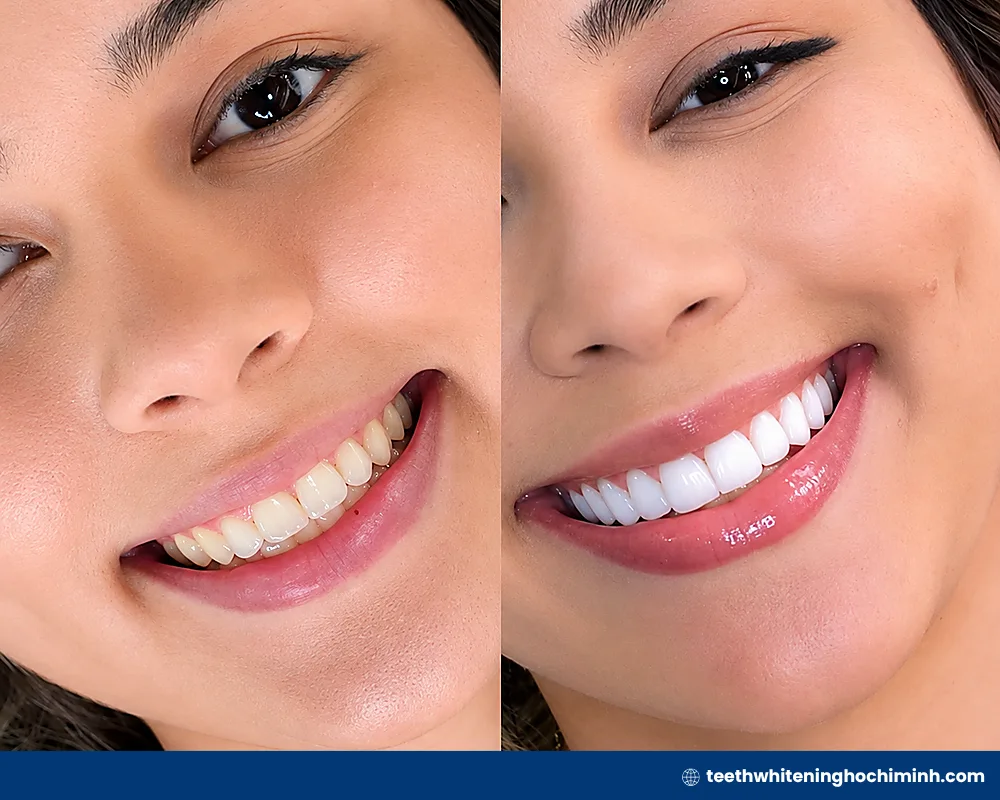
Expats living in or visiting Ho Chi Minh City often ask a local dentist about the best teeth whitening method before a wedding, a job interview, or a flight home. Vietnamese cosmetic dentistry has grown quickly, and international patients now have access to the same peroxide-based treatments used in the US, Australia and Europe. This guide compares the three approaches dentists in the city recommend most, along with the safety details expats should know before booking.
What is the best teeth whitening method in Ho Chi Minh City?
The best teeth whitening method depends on the type of stain, the available timeline and how sensitive the patient’s teeth are. For most people, dentists in Ho Chi Minh City recommend combining in-office bleaching with custom take-home trays for the safest, longest-lasting outcome.
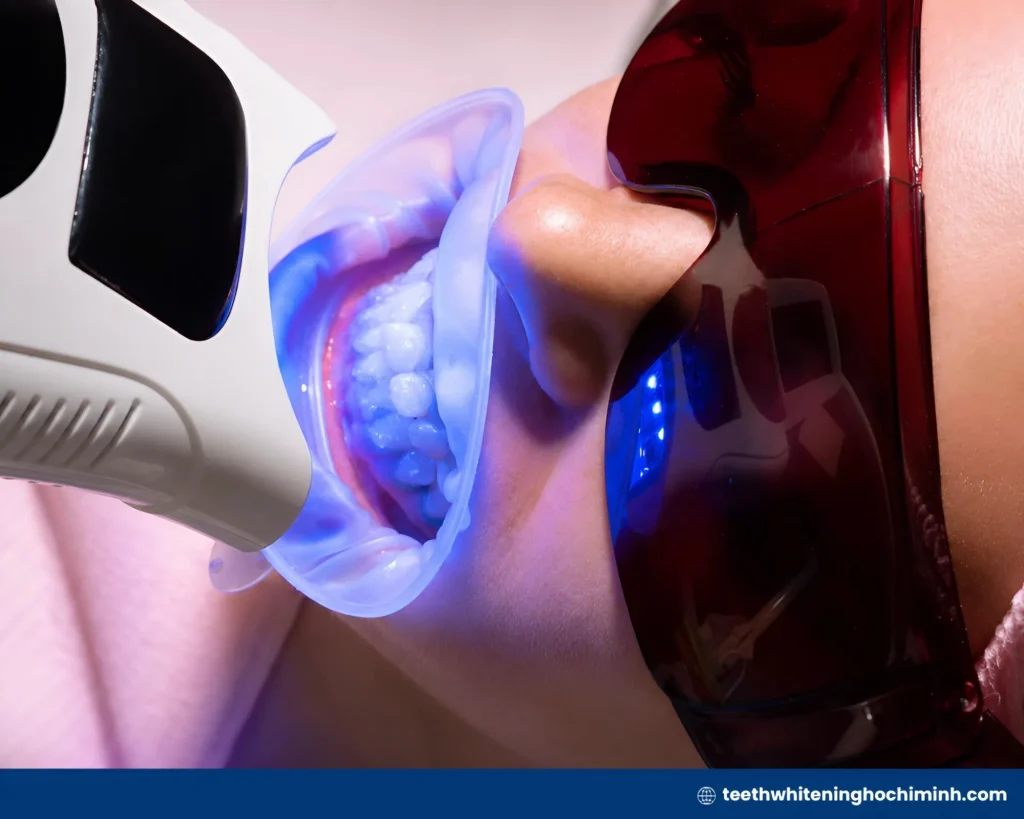
Three main options dominate modern cosmetic dentistry: in-office laser or LED teeth whitening, dentist-supervised take-home trays and a combination of both. Each relies on hydrogen peroxide or carbamide peroxide gel to break down stain molecules trapped inside the enamel.
- In-office laser or LED whitening – fastest results, one appointment
- Dentist-supervised take-home trays – gradual results, worn daily over one to three weeks
- Combination whitening – an in-office session followed by maintenance trays
The gel concentration, the application time and the level of professional supervision are what separate a clinical treatment from a drugstore kit. Dentist-grade gel is stronger and applied under controlled conditions, while store-bought kits use much weaker formulas with no professional monitoring.
In-office laser whitening is often the fastest best teeth whitening method
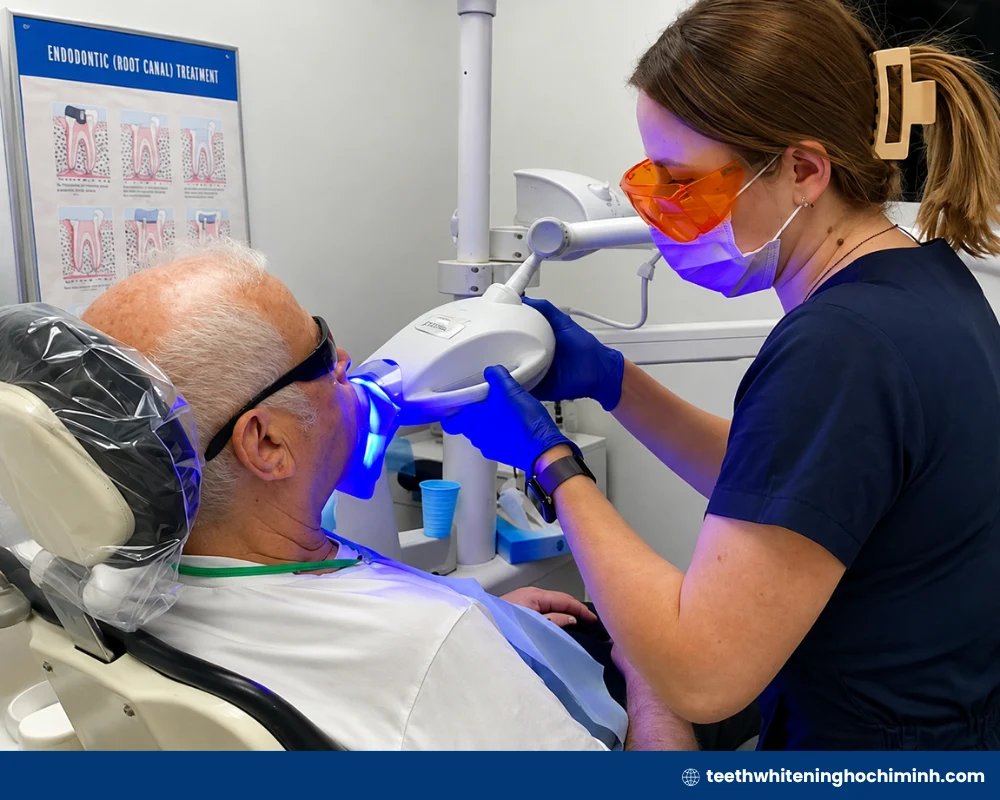
In-office laser or LED whitening is widely regarded as the fastest best teeth whitening method. A single session, usually 60 to 90 minutes, can lighten teeth by several shades under direct dental supervision.
How the appointment works?
During the procedure, the dentist first isolates the gums and lips with a protective barrier. A high-concentration peroxide gel, typically between 25 and 40 percent, is then applied directly to the tooth surface and a curing light or laser is often used to speed up the reaction.
- Gums and lips are shielded with a protective barrier
- High-concentration peroxide gel is applied to the tooth surface
- A laser or LED light activates the gel to accelerate whitening
- The dentist monitors the shade change throughout the session
Who this method suits best?
Many clinics describe this as the best teeth whitening method dentist teams recommend when a patient’s schedule is tight. It suits expats who need visible results before a specific event, since the change is noticeable immediately after the appointment rather than after weeks of daily use.
Mild sensitivity for 24 to 48 hours afterward is common and usually fades on its own. Clinics that follow international safety protocols will check enamel health and existing dental work before starting the procedure at all.
Dentist-supervised take-home trays offer a gradual whitening option
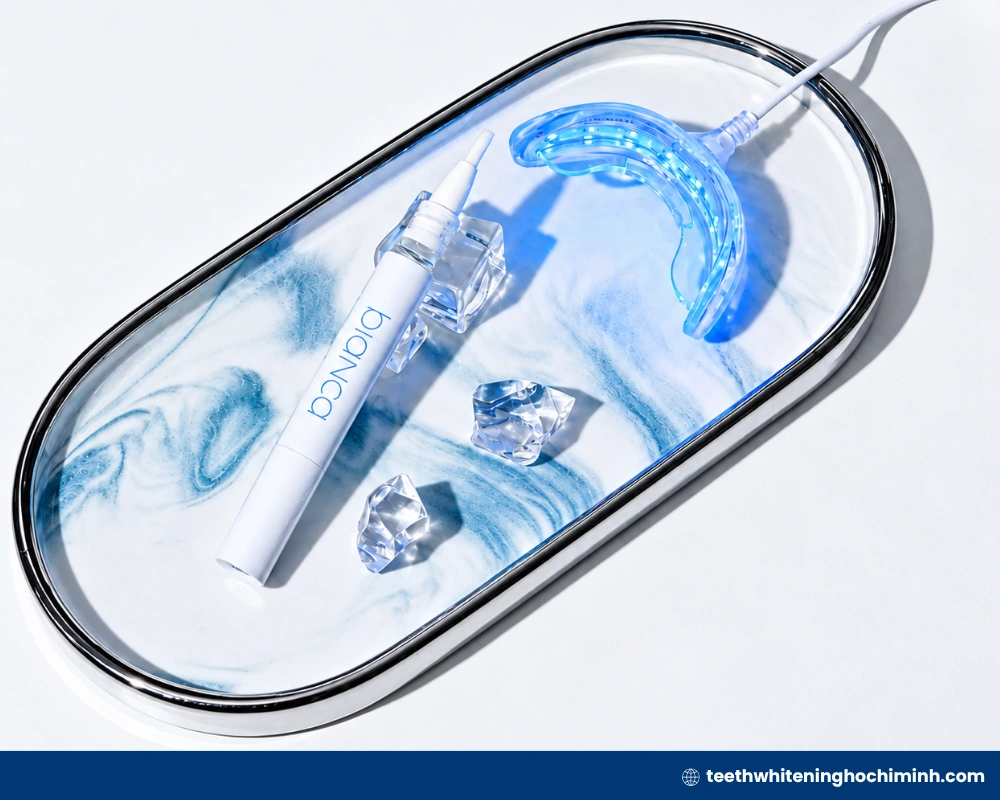
Take-home custom teeth whitening trays, fitted from a dental impression are often chosen when a patient wants a gentler best teeth whitening method with less sensitivity. Lower-concentration gel is worn daily over one to three weeks.
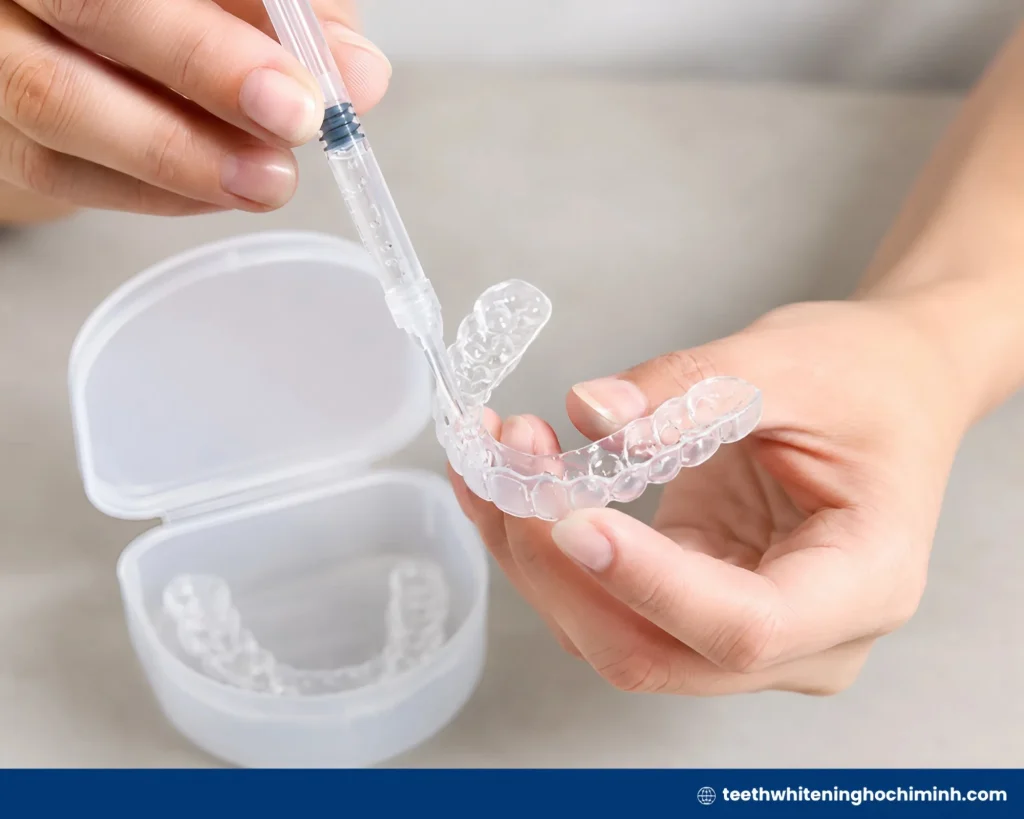
The dentist takes a mold of the patient’s teeth to create trays that fit precisely. That custom fit keeps the gel in close contact with the enamel while limiting contact with the gums, which lowers the chance of irritation compared with generic, one-size strips.
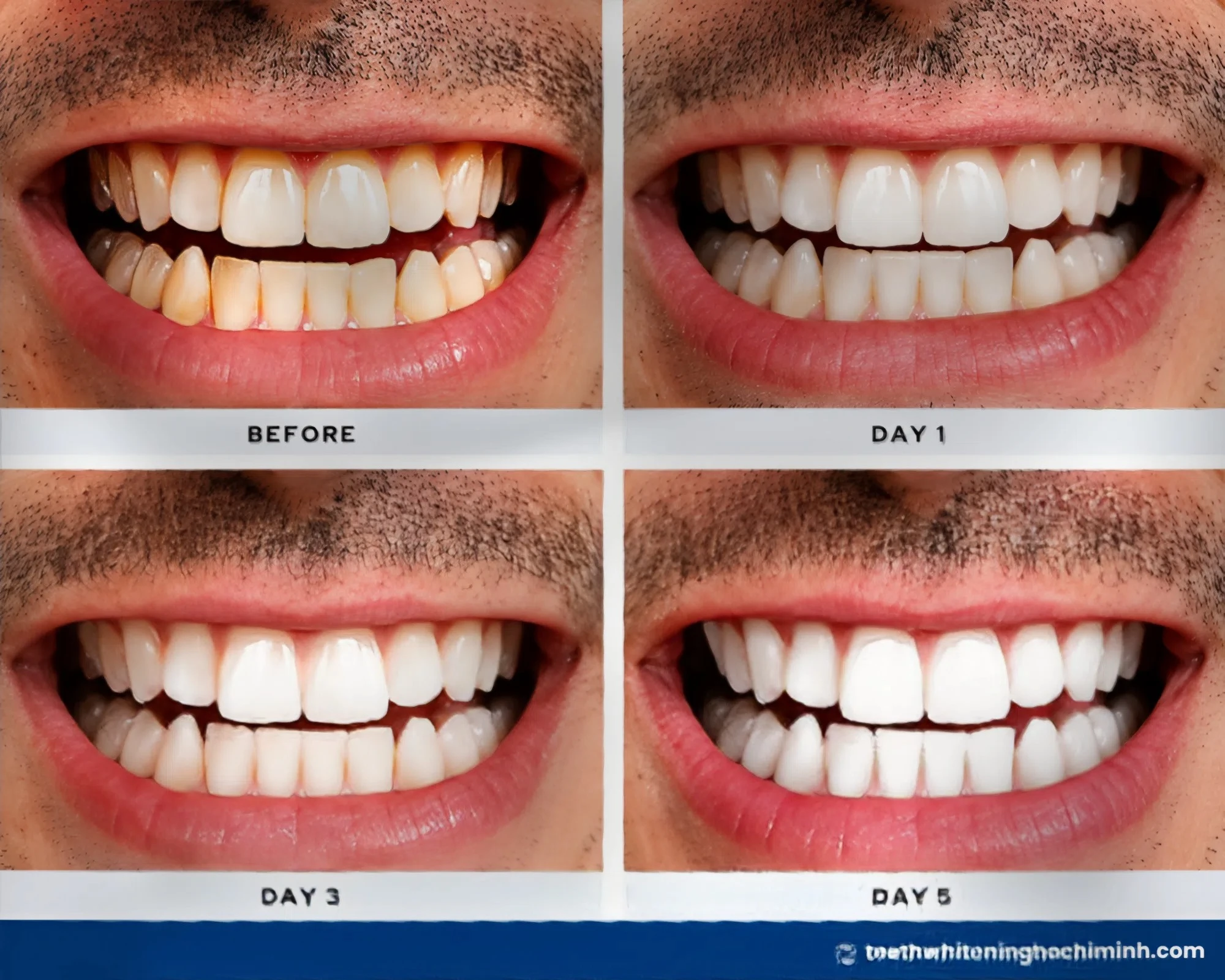
Because the peroxide concentration is lower than in-office gel, usually 10 to 20 percent, results build up gradually rather than all at once. Many dentists consider this the best method to whiten your teeth for people who prefer a self-paced routine over a single intensive session.
- Lower sensitivity than a single strong in-office session
- Gel stays in place instead of shifting like generic strips
- Trays can be reused later for touch-ups
- Fits around a normal daily schedule rather than a clinic visit
Combination whitening is often called the best teeth whitening method for lasting results
Pairing an in-office session with follow-up take-home trays is frequently described as the best teeth whitening method overall. Since it combines immediate results with a maintenance routine that extends the effect for months.
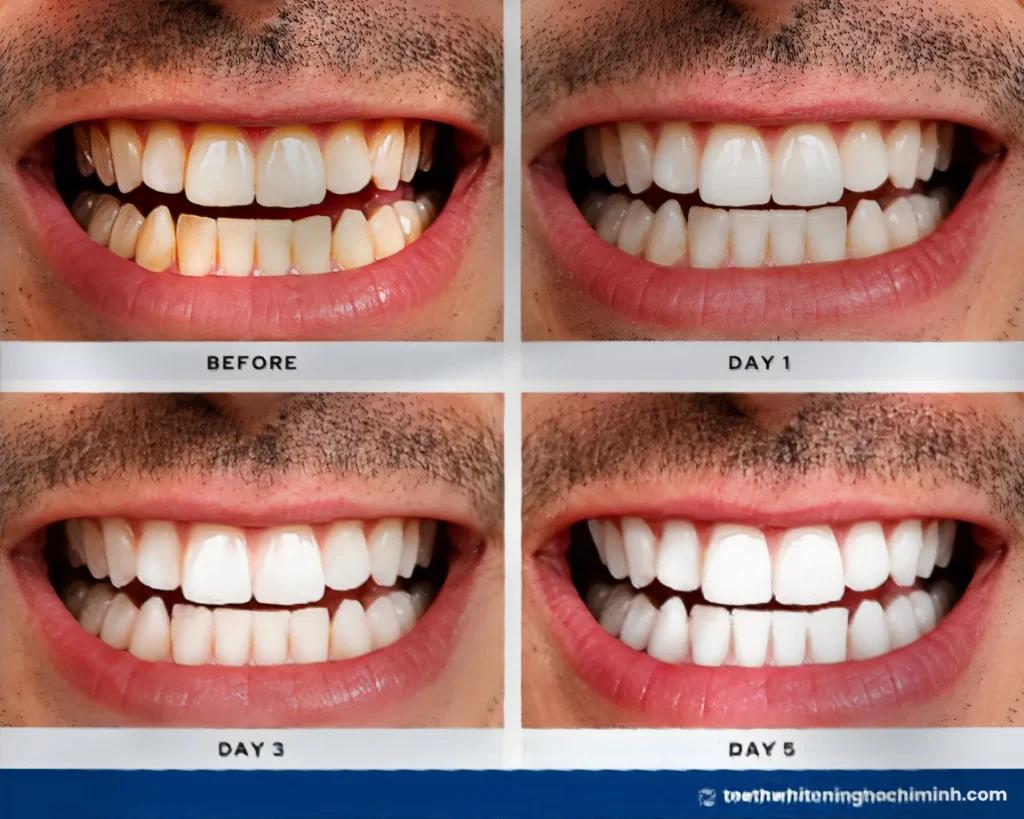
The in-office session removes the most stubborn surface and intrinsic stains quickly. The trays used afterward let the shade stabilise and give the patient a way to touch up color without returning to the clinic for another full appointment.
Dentists in Ho Chi Minh City often present this combination as the best teeth whitening method for expats who want a fast initial change plus a plan to maintain it after they leave the country. Research on peroxide bleaching generally suggests that gradual, monitored exposure produces more stable, longer-lasting whitening than a single treatment used on its own.
| Read more: Best rated professional in office teeth whitening Ho Chi Minh 2026
How do the three methods compare?
The table below summarises speed, sensitivity risk and how long results typically last for each option.
| Method | Typical duration | Peroxide concentration | Shade improvement | Sensitivity risk | Results last |
| In-office laser/LED whitening | 60-90 minutes, one visit | 25-40% | 3-8 shades | Moderate, short-term | 6-12 months |
| Take-home custom trays | 1-3 weeks, daily wear | 10-20% | 2-6 shades | Low to moderate | 6-24 months |
| Combination (in-office + trays) | One visit plus 2-4 weeks maintenance | Both concentrations | 4-10 shades | Moderate at first | 1-3 years |
There is no single option that is automatically the best teeth whitening method for every patient. The right choice depends on the time available, existing sensitivity and the type of discoloration being treated.
Which is the best teeth whitening method for a short trip to Vietnam?
For expats with limited time in the country, in-office laser whitening is generally the best teeth whitening method. Since it delivers visible change in one appointment rather than over several weeks.
Patients staying in Ho Chi Minh City for only a few days or weeks rarely have time for a multi-week tray routine, so a single in-office visit fits more easily into a short travel schedule. Those planning a longer stay, or who return to Vietnam regularly for dental care, tend to benefit more from the combination approach, since the dentist can monitor progress and adjust the plan across a few visits.
Is professional whitening the best teeth bleaching method compared to over-the-counter kits?
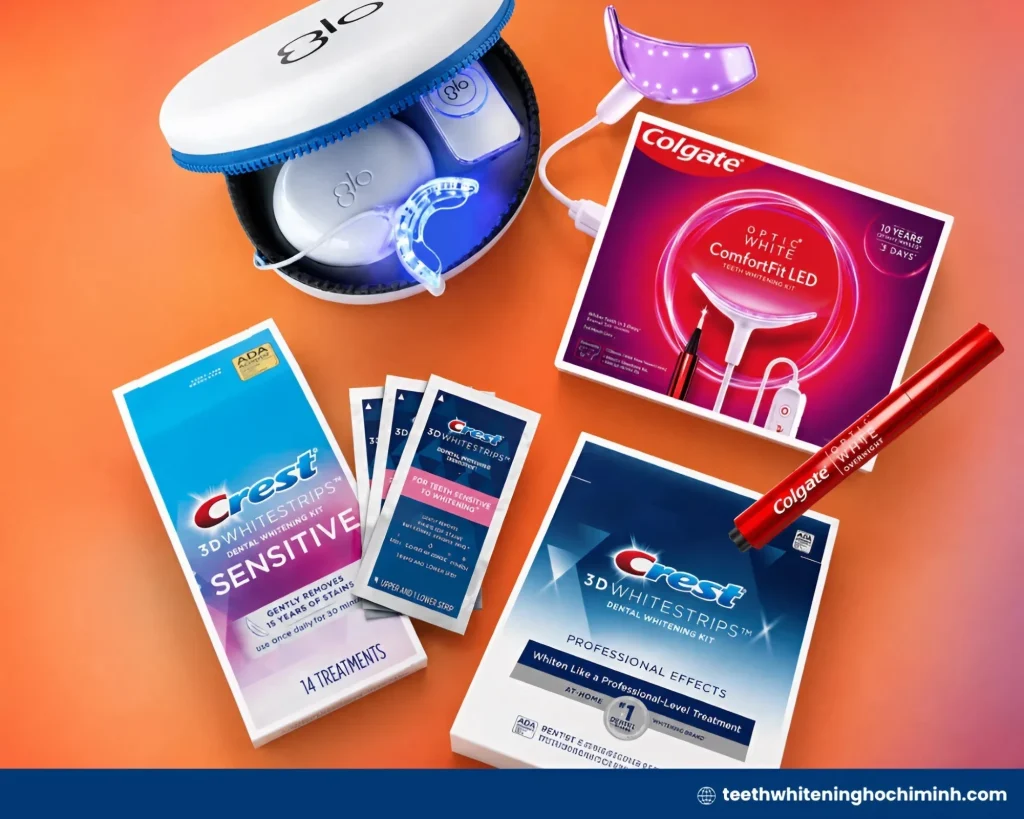
Professional, dentist-supervised bleaching is generally considered the best professional teeth whitening method and the best teeth bleaching method compared with store-bought strips or whitening toothpaste. This is mainly because of stronger, controlled peroxide levels and proper gum protection during treatment.
Over-the-counter kits use much lower peroxide concentrations, usually under 10 percent and are not customized to the shape of the patient’s teeth. This can cause uneven whitening or gel leaking onto the gums during use.
A licensed dentist can also check for cavities, cracks, or gum recession before treatment begins. Whitening over untreated dental problems can worsen sensitivity or, in some cases, damage the tooth, which is why a professional evaluation remains an important step rather than an optional one.
What determines the best white teeth method for each patient?
The best teeth whitening method is determined by the type of stain, existing dental work, sensitivity history and how quickly results are needed, not by peroxide strength alone.
Extrinsic versus intrinsic stains
Extrinsic stains caused by food, drinks, or smoking usually respond well to any of the three methods described above. Intrinsic stains, which form inside the tooth structure from aging, certain medications, or past trauma, often need a stronger in-office approach or a longer maintenance routine to see meaningful change.
Why existing dental work matters?
Existing crowns, veneers, or fillings do not change color during whitening, since peroxide only affects natural enamel. For this reason, dentists usually plan whitening before any new cosmetic restorations so the final shade can be matched afterward.
Safety and aftercare after the best teeth whitening method
Mild, temporary sensitivity is the most common side effect after any professional whitening treatment. Following the dentist’s aftercare instructions for about 48 hours helps the results settle evenly.
- Avoid strongly coloured foods and drinks such as coffee, red wine, soy sauce, and turmeric-based dishes for at least two days
- Use a soft-bristled toothbrush and fluoride toothpaste to ease sensitivity
- Skip additional whitening products until the dentist confirms it is safe
- Flag any history of gum disease or worn enamel before treatment starts
Enamel is more porous immediately after bleaching, so it absorbs new stains more easily during this window. Patients with a history of gum disease or significantly worn enamel should discuss suitability with a dentist before starting any bleaching method at all.
Final thoughts
There is no single best teeth whitening method that works identically for everyone. In-office laser whitening suits urgent timelines, take-home trays suit a gradual, low-sensitivity routine and the combination approach tends to produce the most durable results.
Consulting a licensed dentist in Ho Chi Minh City remains the most reliable best method to whiten your teeth safely, since a professional can match the treatment to each patient’s specific stains, sensitivity level and schedule. For expats who want to compare clinics and treatments before booking, Teeth Whitening Ho Chi Minh brings together dentist-reviewed guides to help patients make that decision with confidence.
References – Last updated: 10/2026
- American Dental Association (ADA) – guidance on teeth whitening safety and peroxide concentration standards
- Cochrane Reviews – systematic reviews on the effectiveness and safety of professional tooth-whitening treatments
- Journal of the American Dental Association (JADA) – clinical research on in-office versus take-home bleaching outcomes and enamel sensitivity