The Zimba teeth whitening kit has earned 4.3 stars from over 15,400 verified Amazon reviews, making it one of the most-reviewed at-home whitening products on the market. This breakdown covers what real users experience across a full 14-day cycle – from how the formula works to whether the results actually hold.
What is the Zimba teeth whitening kit?
The Zimba teeth whitening kit is an at-home whitening system developed by Zimba Whitening, a brand launched in 2018 and headquartered in Boca Raton, Florida. The company’s stated mission is to make professional-grade whitening accessible to everyone – and pricing reflects that: kits start around $30, roughly 60% lower than comparable shelf brands.
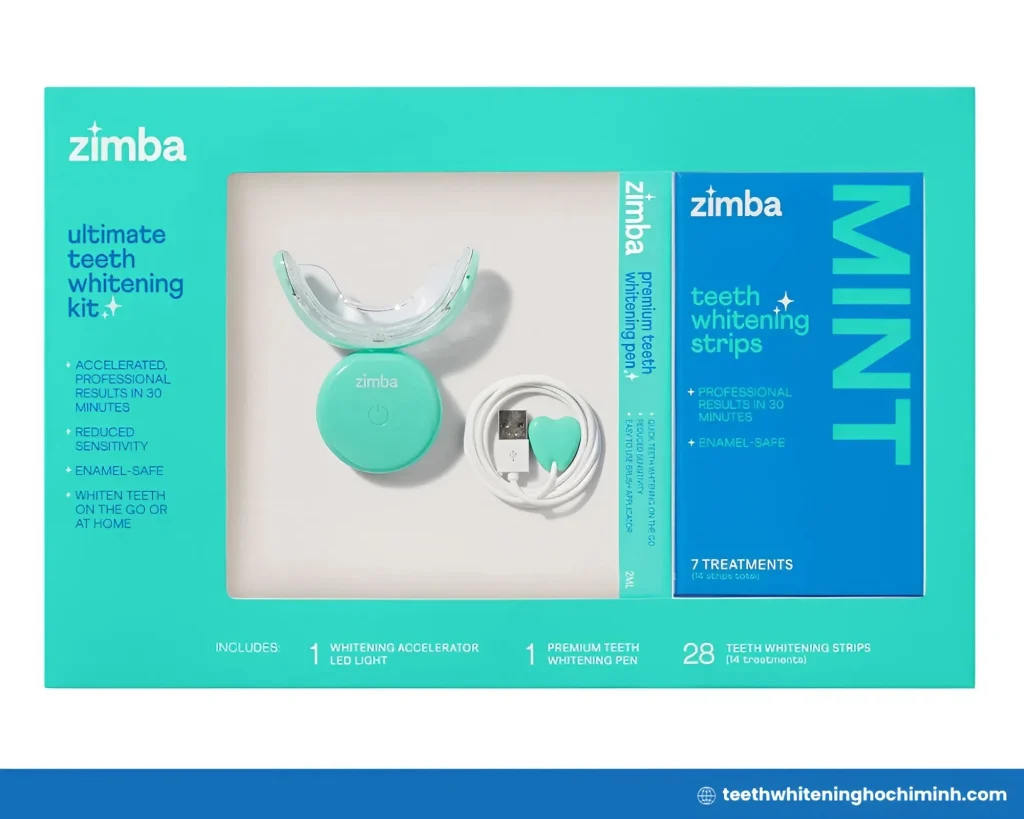
Zimba offers several product formats, but the two most popular are:
| Product | Format | Best For |
| Zimba teeth whitening strips (14 Treatments) | Adhesive strips with hydrogen peroxide gel | Daily strip users, beginners |
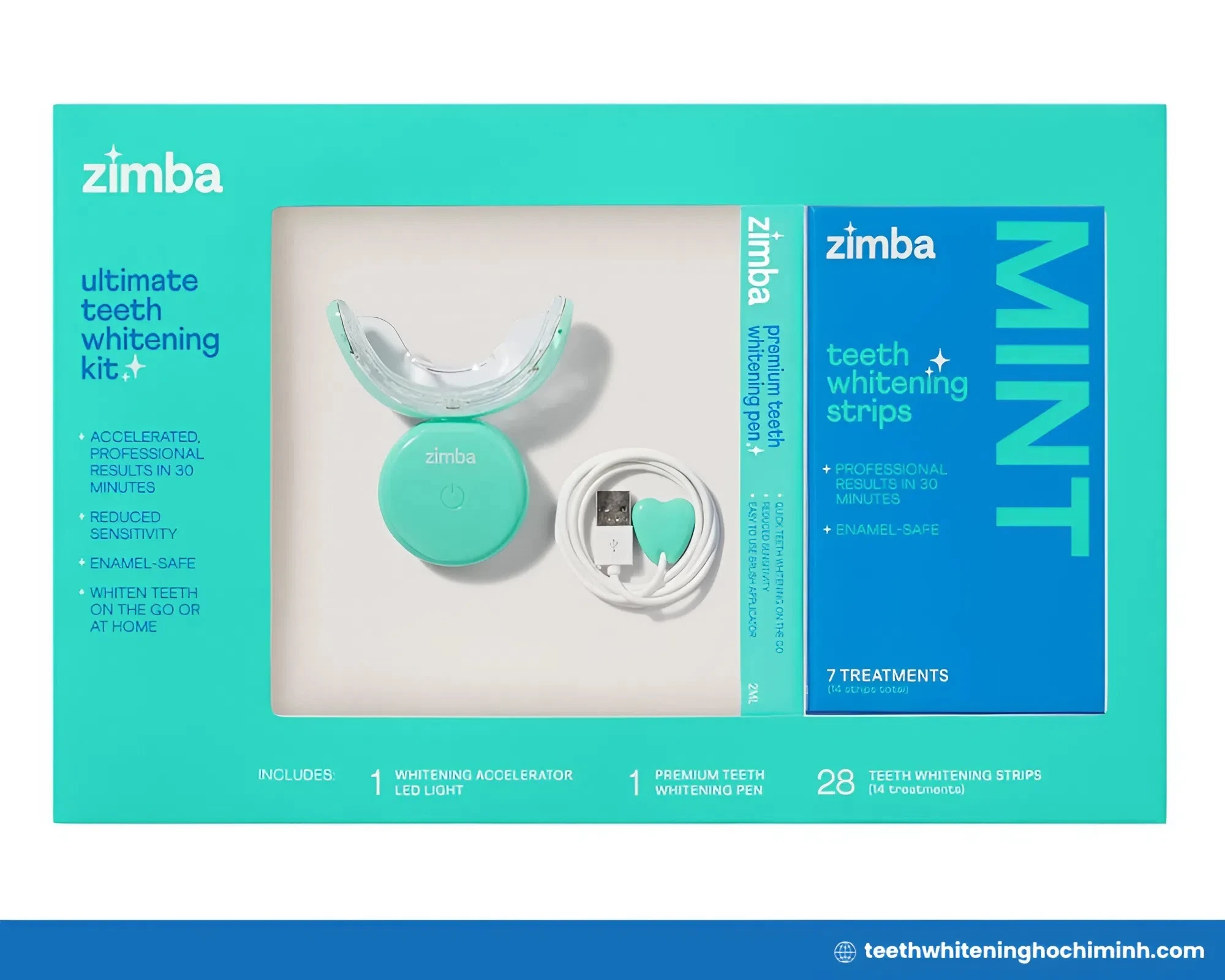
| Zimba Supreme Whitening Kit | LED mouthpiece + whitening pen | Faster results, deeper stains |
| Zimba On-The-Go Whitening Kit | Pen + wireless LED accelerator | Travel, quick touch-ups |
This review focuses primarily on the Zimba whitening kit that pairs whitening strips (or gel pen) with the LED accelerator – the combination most users purchase for full 14-day results.
What’s inside the Zimba teeth whitening kit: Ingredients breakdown
Understanding what goes into the Zimba teeth whitening kit matters, especially for anyone with sensitive teeth. Below is a clear summary of the details:
Active ingredient: Hydrogen peroxide – the same compound dental clinics use in professional treatments, at a safe OTC concentration.
Supporting ingredients in the strips:
- PVP-K30 (polyvinylpyrrolidone) – creates the adhesive bond so strips stay firmly in place during treatment
- Glycerol – humectant that keeps the gel from drying out
- Hydroxypropyl cellulose – thickening agent for even gel distribution
- Menthol – mild flavoring that leaves a clean, fresh feel
The formula is labeled vegan, cruelty-free and enamel-safe. Zimba also notes natural, high-quality ingredients throughout its product line – a point verified by in-house dental review at NewMouth, which confirmed that adverse effects like gum irritation or enamel damage are unlikely when used as directed.
How the Zimba LED teeth whitening kit works?
The Zimba LED teeth whitening kit operates on a well-established mechanism: LED light acts as a catalyst, not a whitening agent itself.
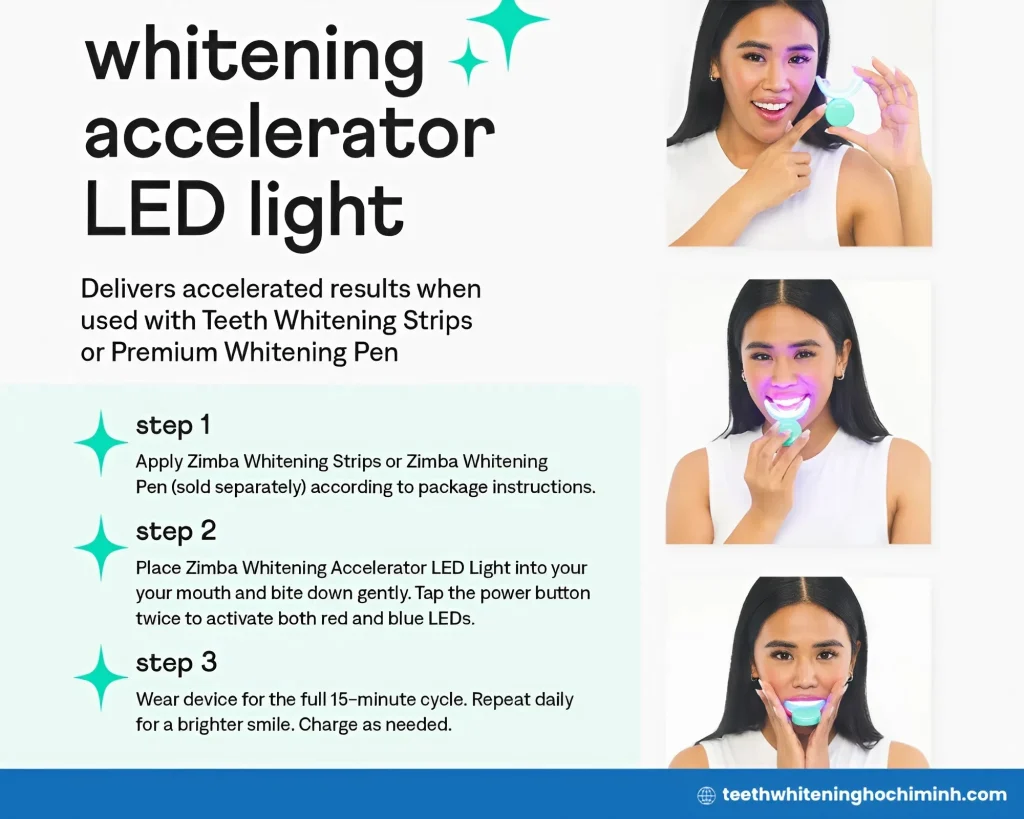
The following outlines each stage of the process:
- Hydrogen or carbamide peroxide gel is applied to the tooth surface
- The LED mouthpiece emits a blue light wavelength (the Zimba Supreme uses 32 LED lights)
- Light accelerates the chemical breakdown of peroxide compounds
- Oxygen molecules are released, penetrating enamel to break down discolored molecular bonds
- Stains from coffee, tea, wine and tobacco lift without altering enamel structure
The blue light setting targets stain removal; some kits also include a red/blue combined setting to support gum health alongside whitening. The LED doesn’t heat the teeth, which reduces sensitivity risk compared to some older whitening technologies. Zimba recommends 14 consecutive days of use for full results, with each session lasting 15 minutes for the LED kit and 30 minutes for strips alone.
Day-by-day: What to realistically expect
Based on aggregated user reports and independent testing, here’s a general progression timeline for the Zimba teeth whitening kit:
| Day Range | What Most Users Notice |
| Day 1-2 | Surface brightness visible after first session; results may fade slightly overnight |
| Day 3-5 | Whitening begins to stabilize; noticeable improvement over baseline |
| Day 6-10 | Consistent shade improvement; most users reporting 1-2 shades lighter |
| Day 11-14 | Results settle; users with moderate staining see the clearest change |
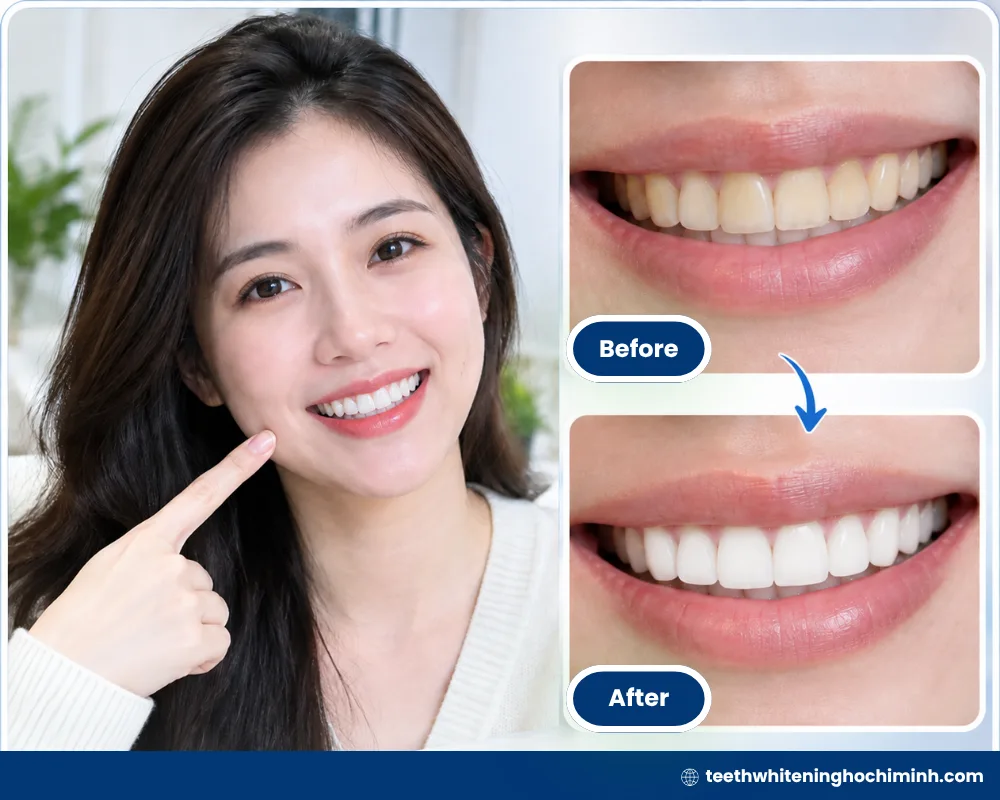
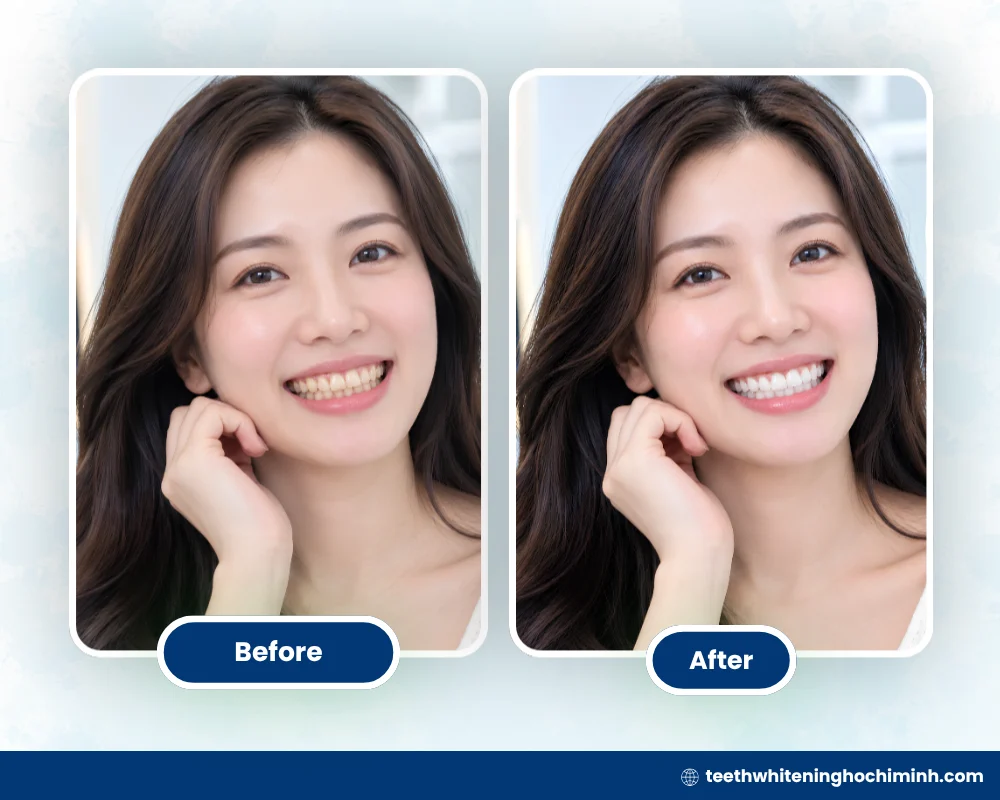
Independent reviewer testing at NewMouth noted that results became more stable around day three, with the whitening effect becoming “more permanent” rather than temporary by mid-treatment. Heavy coffee drinkers have reported being “shocked” at how well even a single session brightened their teeth.
That said, outcomes vary. People with deep intrinsic staining (e.g., tetracycline stains, fluorosis) tend to see more modest improvement than those dealing with typical surface discoloration from food and drink.
| Recommended reading: Top 5 best fluorosis teeth whitening treatment methods guide
Zimba teeth whitening kit reviews: What verified buyers say
Pulling from verified reviews across Amazon, iHerb and Walmart gives a more complete picture than brand-side testimonials alone.
Positive patterns across thousands of reviews:
- Strips adhere well and don’t slip during 30-minute sessions
- Low sensitivity – frequently mentioned as a key differentiator from leading supermarket brands
- Visible results often appear within the first few uses
- Flavors (strawberry, watermelon, mint, peach, coconut) are mild and not overwhelming
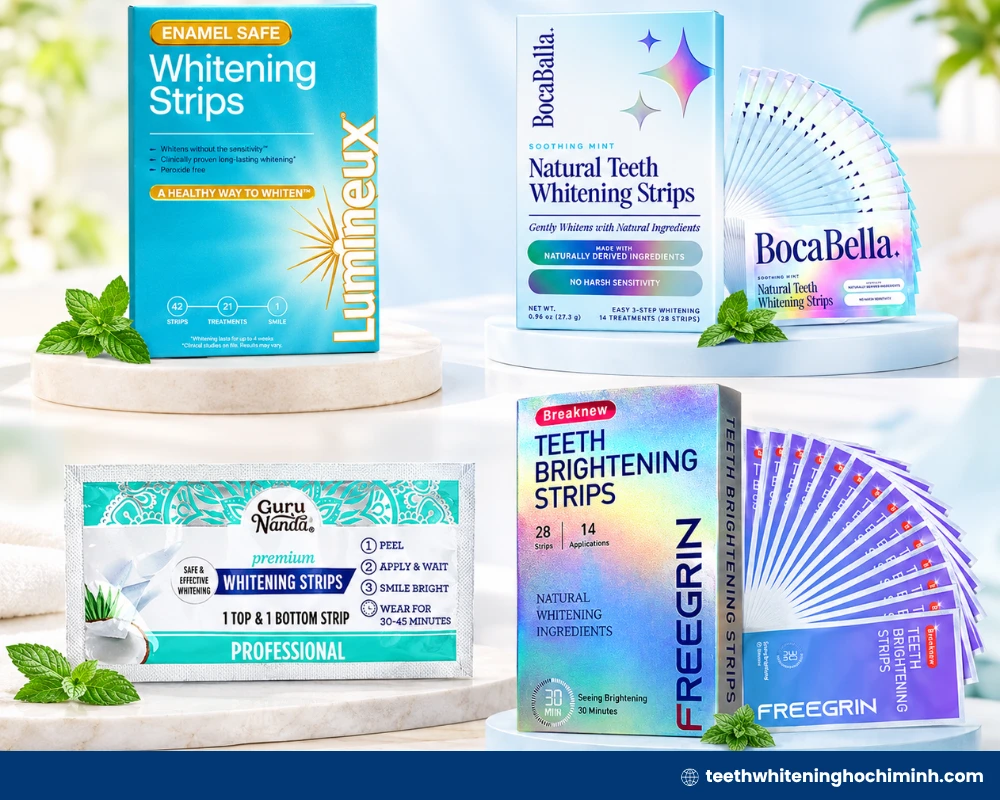
- Price-to-performance ratio rated as strong compared to Crest, Arm & Hammer and similar products
Points where difficulties may arise:
- A minority of buyers with thin enamel or gum recession reported mild sensitivity
- A small number saw no noticeable change after the full treatment
- Gel pen formula can feel slightly runny on first application
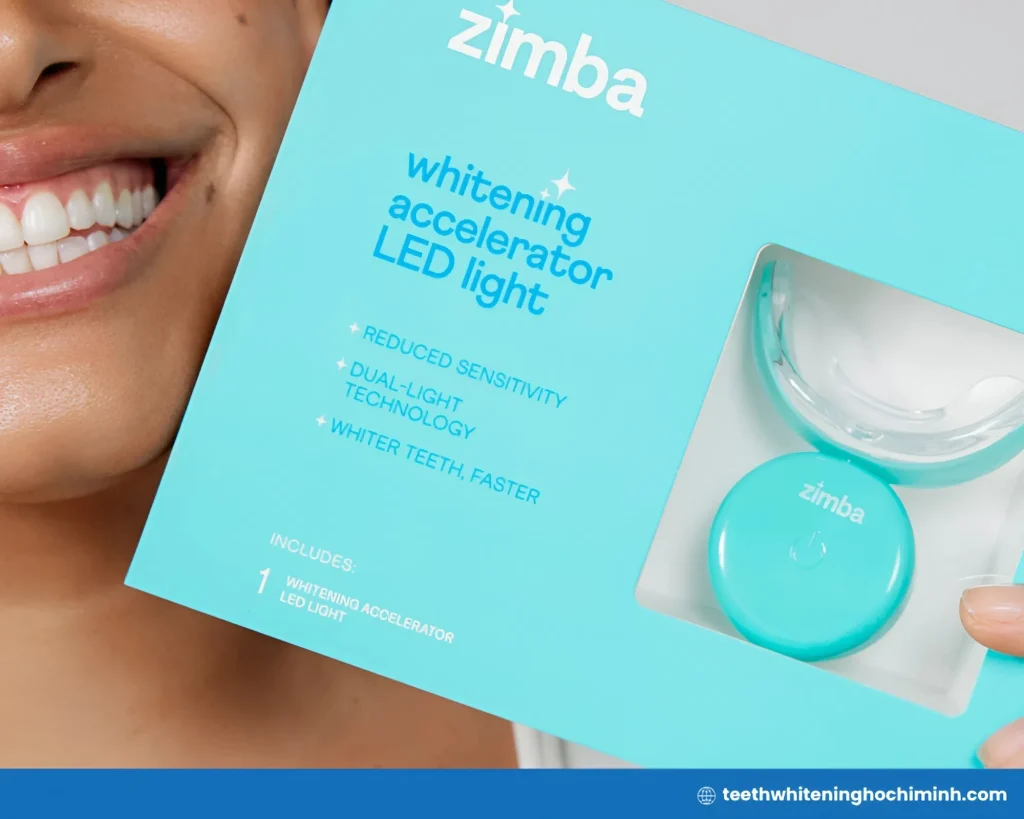
Review snapshot:
“Saw a difference after only 3 uses. They don’t make my teeth sensitive the next day and are much more affordable than many leading brands.” – Verified Walmart buyer, Dec 2025
“I’ve tried a couple of other brands and these strips are very good at staying on during the 30 minutes – easy to be consistent.” – Verified iHerb buyer, Oct 2025
Zimba teeth whitening kit vs. competing products
How does the Zimba whitening kit compare to other well-known options?
| Brand | Active Ingredient | LED Option | Price Range | Sensitivity Risk |
| Zimba | Hydrogen peroxide | Yes (32-light mouthpiece) | $30-$85 | Low-Moderate |
| Crest 3D Whitestrips | Hydrogen peroxide | Some kits | $35-$70 | Moderate |
| HiSmile | PAP (no peroxide) | Yes | $50-$90 | Very low |
| SNOW | Hydrogen peroxide | Yes (rechargeable) | $100-$150 | Low |
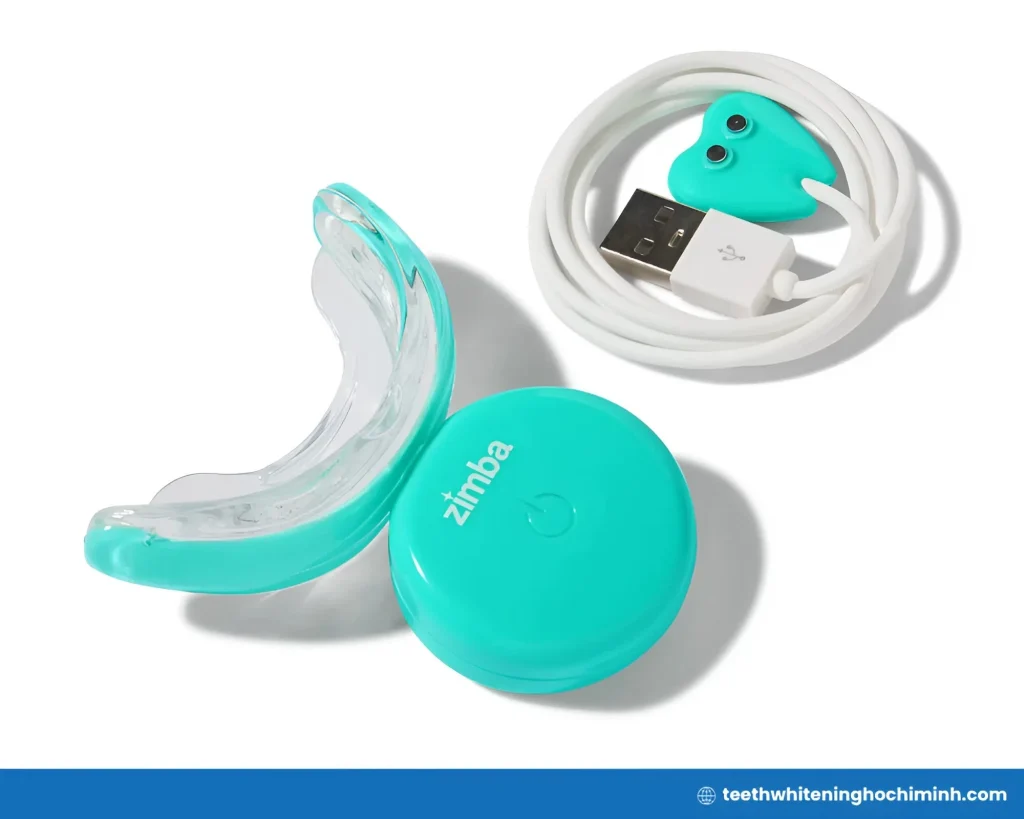
The Zimba LED teeth whitening kit sits in a competitive spot: more technologically equipped than basic strip kits, but priced well below premium LED brands like SNOW. The main trade-off compared to SNOW is build quality – Zimba’s mouthpiece is functional but simpler in design.
| You may also be interested in: The best Crest 3D Whitestrips teeth whitening kit reviews
Who gets the best results from the Zimba teeth whitening kit?
Overall, the Zimba teeth whitening kit is designed for everyday whitening needs rather than clinical correction. It performs best for people dealing with:
- Gradual yellowing from food and beverages over time
- Teeth that have brightened before with OTC strips and are looking for a consistent maintenance routine
It’s less likely to produce dramatic results for intrinsic discoloration or heavy staining that extends below the enamel surface – those cases typically require professional treatment. Zimba’s website notes that teeth whitening during pregnancy or breastfeeding individuals should consult a doctor before use and the brand doesn’t explicitly list the product as safe for children.
How long do results last?
According to Zimba’s guidance and consistent with user feedback, the Zimba teeth whitening kit can maintain results for up to six months depending on diet and lifestyle. Regular coffee or wine drinkers tend to see results fade faster. Many users maintain brightness by doing a follow-up treatment every four to six weeks, using Zimba’s strips as a top-up rather than repeating the full 14-day cycle each time.
Pros and cons at a Glance
Pros:
- Affordable entry point for an LED-assisted whitening kit
- Enamel-safe, vegan formula with low sensitivity profile
- Strips have strong adhesion – don’t slip during treatment
- Multiple flavor options (10+), unlike most competitors
- Donates a portion of sales to Tooth Fairy dental care charity
Cons:
- Results vary more for deep or intrinsic staining
- LED mouthpiece design is basic compared to higher-end brands
- Gel pen can be messy for first-time users
- No explicit concentration percentage listed for hydrogen peroxide
FAQ about Zimba teeth whitening kit
What is the Zimba teeth whitening kit?
An at-home whitening system using hydrogen peroxide strips or gel paired with an LED light to remove surface stains over 14 days.
How does the Zimba LED teeth whitening kit work?
The LED light catalyzes the peroxide gel, releasing oxygen molecules that break down stains inside the enamel without damaging the tooth surface.
Where can you buy the Zimba whitening kit?
At shopzimba.com, Amazon, Walmart and iHerb – with international shipping available.
How much does the Zimba teeth whitening kit cost?
Kits start at around $30; bundles go up to $85, with 10% off the first order.
How long does it take to see results?
Most users notice brightening within the first one to two uses, with stable results by day three to five.
Is the Zimba whitening kit safe for sensitive teeth?
Yes – the formula is enamel-safe and vegan; those with gum recession should follow recommended timing carefully.
How long do results last?
Up to six months with normal diet; regular coffee or wine drinkers may need a top-up every four to six weeks.
Does the Zimba LED teeth whitening kit work for all stain types?
It works best on surface stains from food and drink; intrinsic or deep staining typically needs professional treatment.
Conclusion
The Zimba teeth whitening kit delivers on its core promise for most users: visible brightening at an accessible price, with a gentler sensitivity profile than many competing strip brands. The addition of LED technology in the Zimba LED teeth whitening kit gives it an edge over basic strips, accelerating results within the 14-day window.
It isn’t a substitute for professional whitening when deep staining is the issue – but for everyday surface discoloration and smile maintenance, the Zimba whitening kit earns its strong review scores. Given the price point and the breadth of verified feedback, it remains one of the more credible at-home options available in 2026.
This review is produced for informational purposes about the Zimba Teeth Whitening Kit. Results vary by individual. Consult a dentist for specific oral health concerns before beginning any whitening treatment.