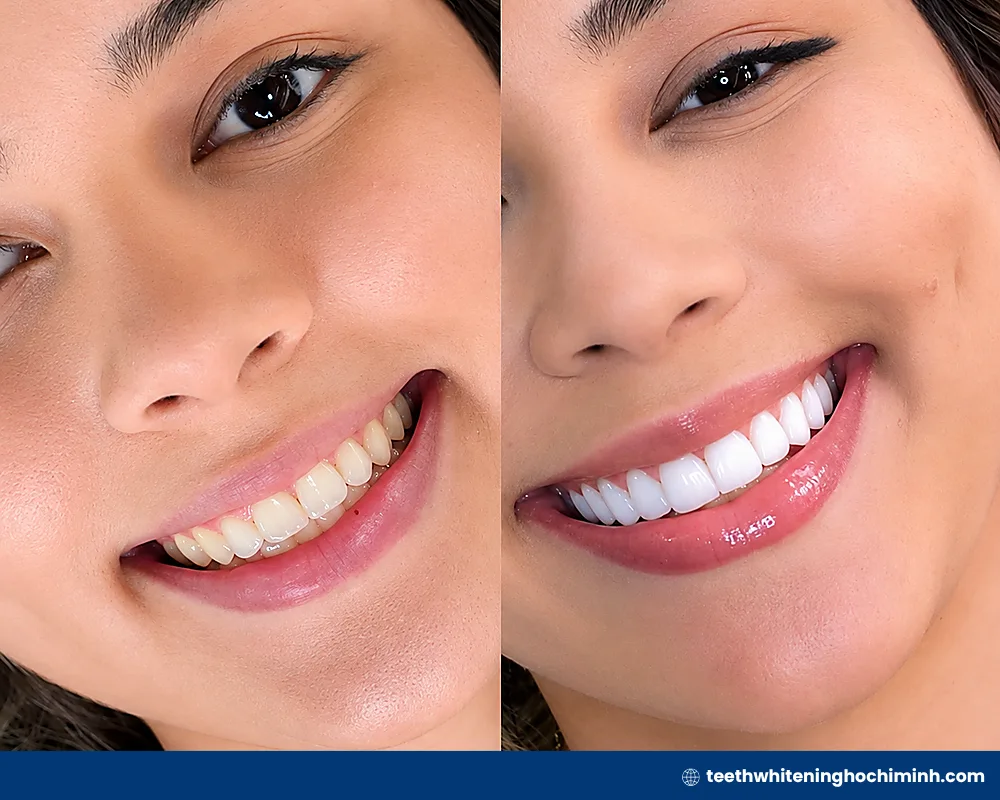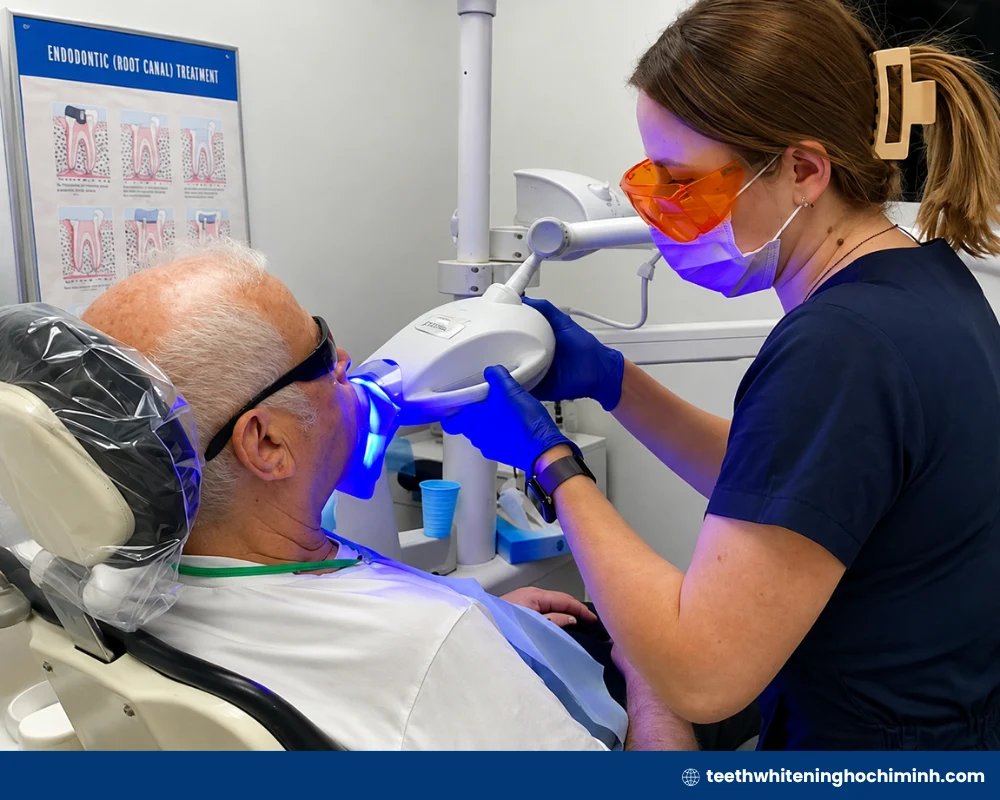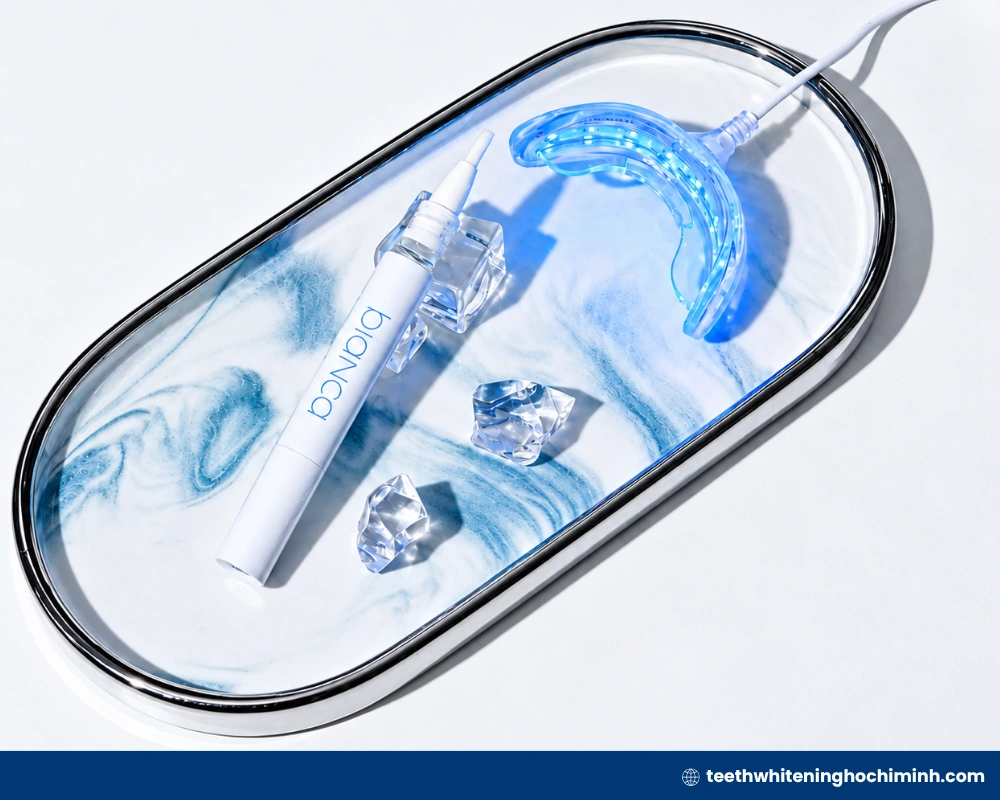
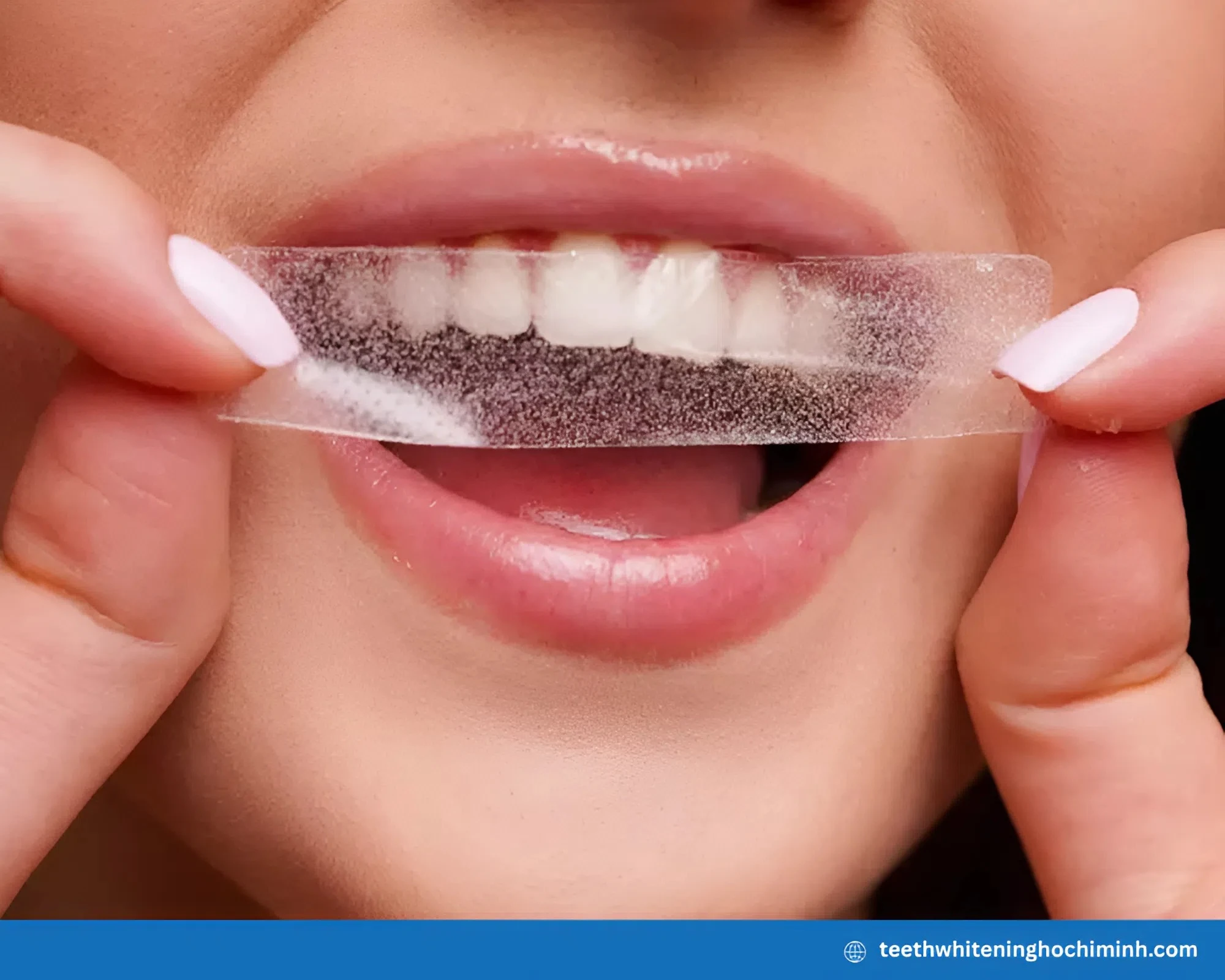
With hundreds of whitening products on the market, finding one that actually works without damaging enamel or causing sensitivity is harder than it looks. This guide breaks down which teeth whitening strips earn consistent dentist endorsement in 2026, based on clinical research, ADA guidelines and real ingredient analysis.
What are teeth whitening strips?
Teeth whitening strips are thin, flexible plastic films coated with a peroxide-based or peroxide-free gel that adheres directly to the tooth surface. They work. Most users see a measurable color shift within 7-14 days of consistent use. Results depend on baseline tooth shade, active ingredients and how well the strips conform to the teeth.
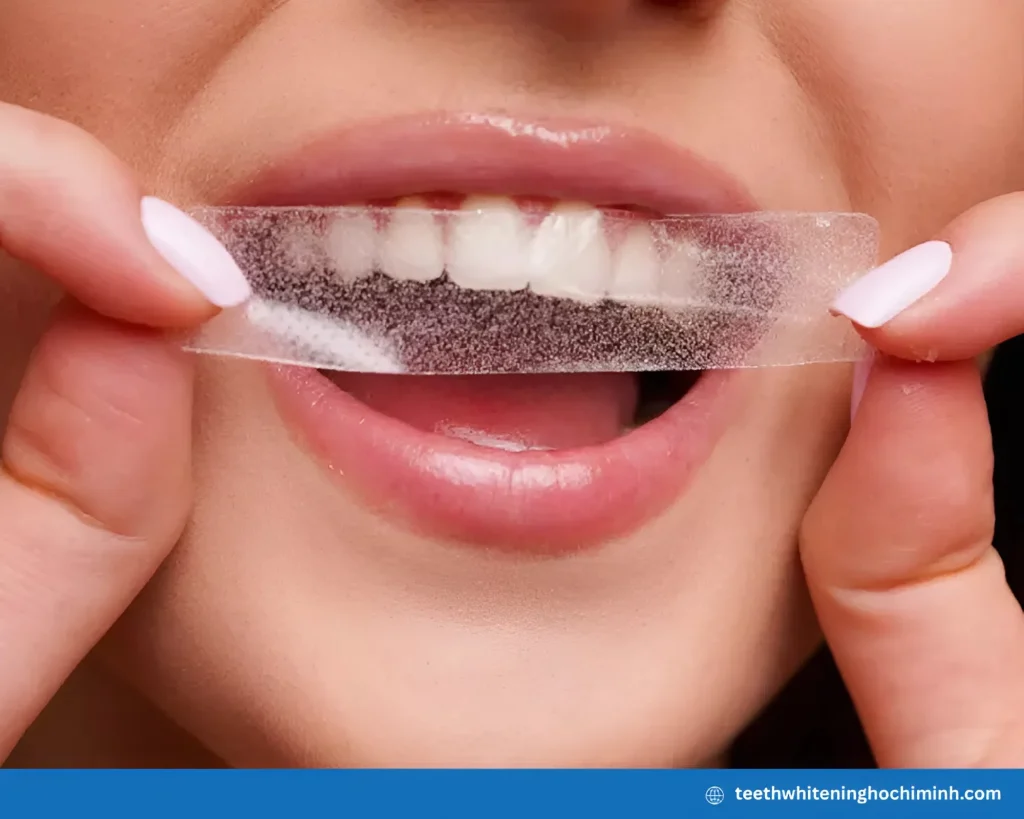
Dentists generally approve of over-the-counter options for healthy adults but with conditions. Dr. Lauren Becker, a New York-based dentist, notes that these products are “both safe and efficient” for most people, though those with porous or sensitive teeth need to choose more carefully.
Hydrogen peroxide (or an alternative like PAP) penetrates the enamel surface and breaks apart chromogen molecules – the compounds responsible for yellowing. Coffee, tea, wine and tobacco stains are where strips perform best. Deep intrinsic discoloration typically does not.
How dentists evaluate good teeth whitening strips?
Not all strips are equal. When dental professionals assess good teeth whitening strips, they look at four main factors:
| Factor | What to Look For |
| Active ingredient | H₂O₂ (3-10%), carbamide peroxide, or PAP |
| Enamel protection | Hydroxyapatite, potassium nitrate, fluoride |
| Adhesion | No-slip or dry-grip technology |
| Wear time | 15-30 minutes per session |
According to a 2025 peer-reviewed study, standard OTC whitening cycles cause roughly a 6% reduction in enamel microhardness. That number drops to near zero with peroxide-free formulas containing nano-hydroxyapatite. This is why advanced teeth whitening strips now frequently combine bleaching agents with remineralizing compounds – to whiten and protect simultaneously.
Dentists also flag what they cannot do. No strip affects crowns, veneers, bonding, or any dental restoration. If a patient has recent restorations, natural teeth may whiten unevenly. This is a clinical reality that no product – premium or otherwise can override.
Best teeth whitening strips recommended by dentists in 2026
These are the best rated teeth whitening strips that consistently appear in dentist-reviewed roundups and have peer-supported ingredient profiles.
Crest 3D Whitestrips – Most recommended overall
Crest 3D Whitestrips hold ADA Seal of Acceptance, making them one of the few professional teeth whitening strips available OTC with formal institutional backing. Hydrogen peroxide concentration sits at approximately 10%, delivering visible results within 14 days for most users.
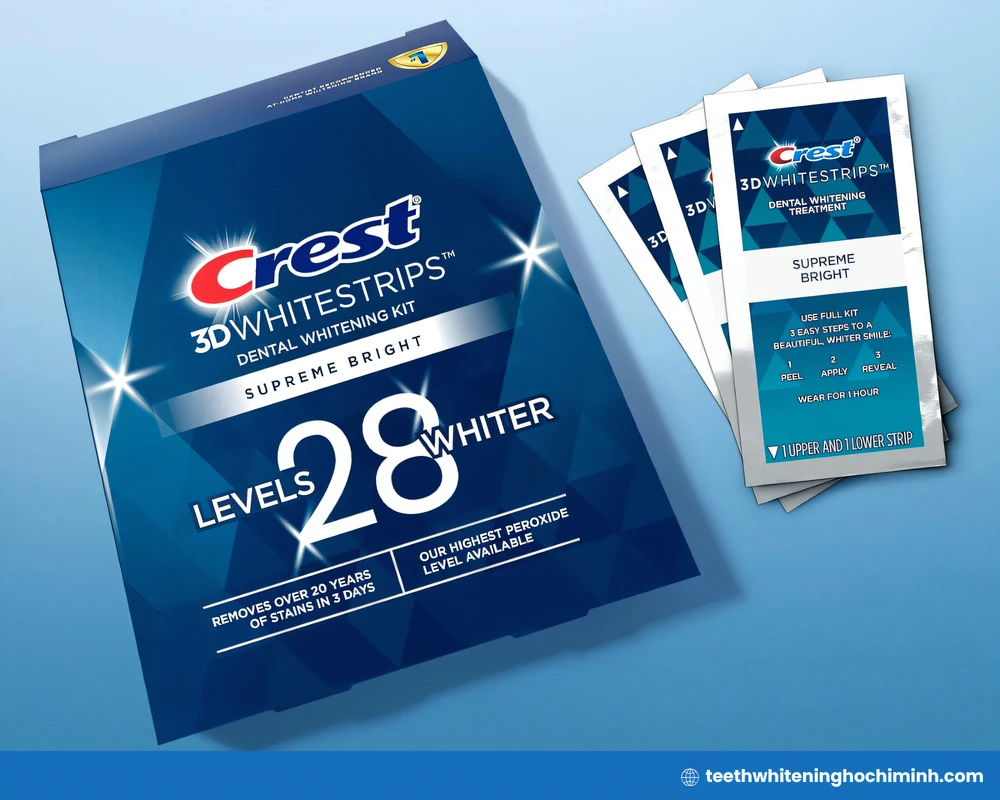
The no-slip adhesive holds during normal activity and they are among the most effective teeth whitening strips for tackling coffee and wine stains. Sensitivity is manageable – typically mild and resolving within 24-72 hours after stopping treatment.
| Read more: The best Crest 3D Whitestrips teeth whitening kit reviews
Lumineux – Best peroxide-free whitening strip
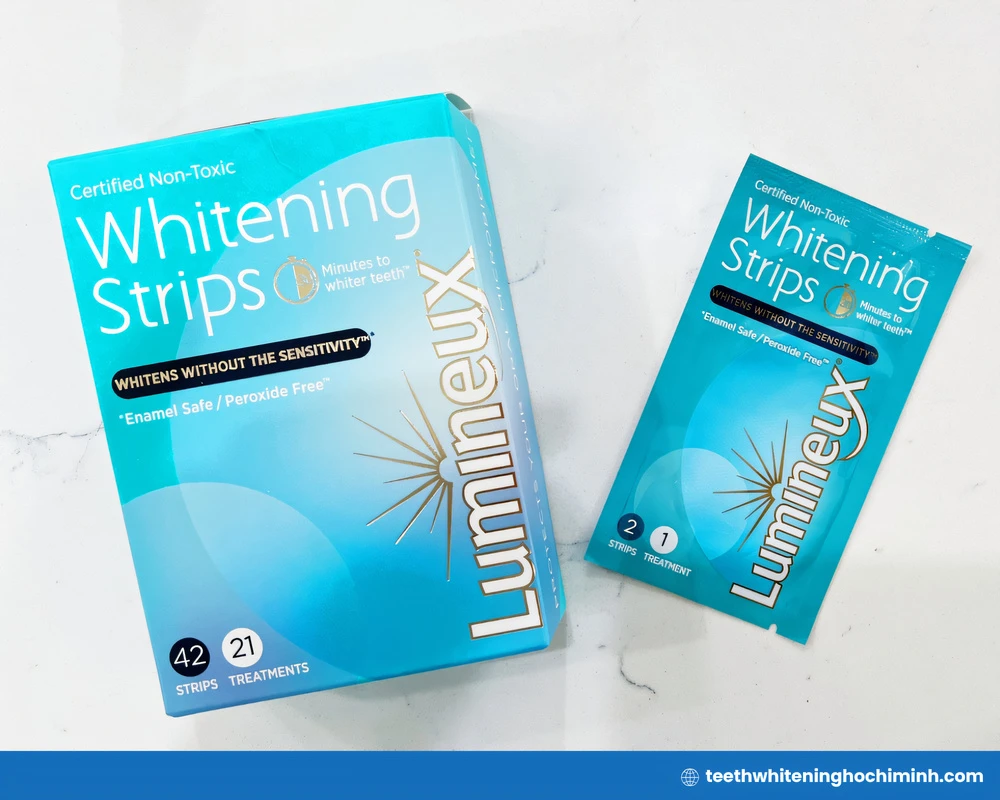
Lumineux is dentist-formulated and uses a certified non-toxic, peroxide-free formula. Clinical sensitivity scores are near zero, making these among the safest teeth whitening strips currently available OTC. The trade-off is a more gradual whitening curve. Users with chronic sensitivity or previous bad reactions to peroxide products rate them highly.
Auraglow Extra Strength – Best for sensitive teeth
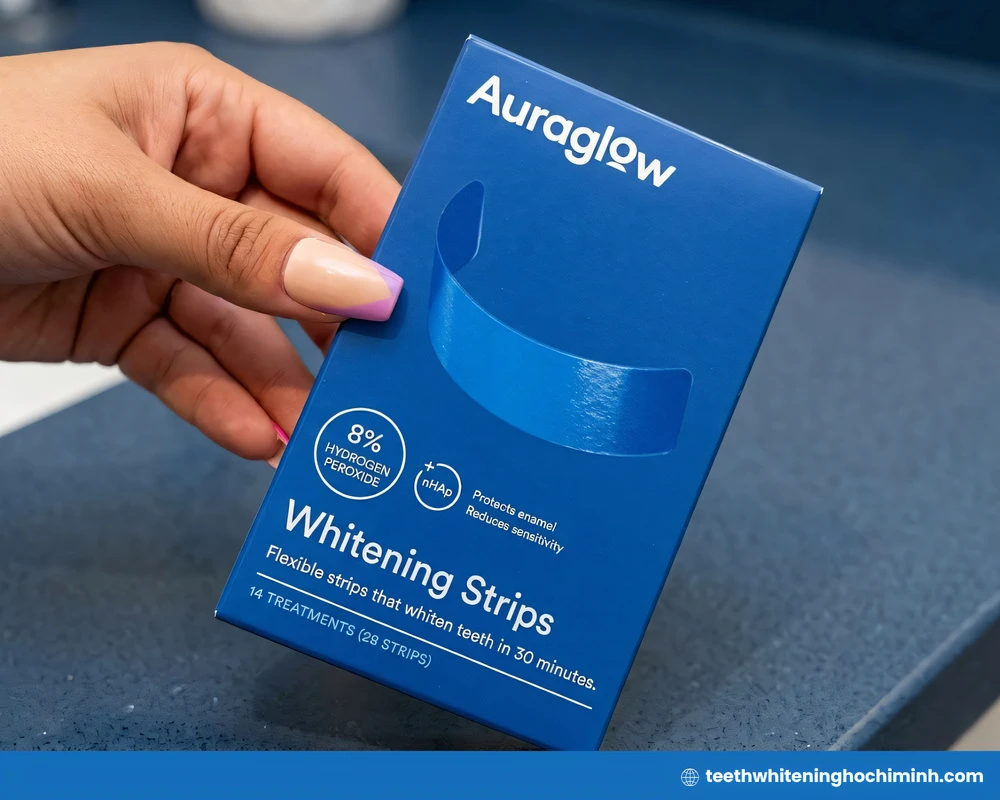
Auraglow combines 8% hydrogen peroxide with nano-hydroxyapatite (nHAp). The nHAp actively remineralizes enamel while the peroxide whitens – a pairing that makes these the leading best teeth whitening strips for sensitive teeth in 2026. Published claims of up to 10 shades in 7 days are optimistic, but users consistently report brighter results without sharp sensitivity spikes.
Opalescence Go – Best premium option
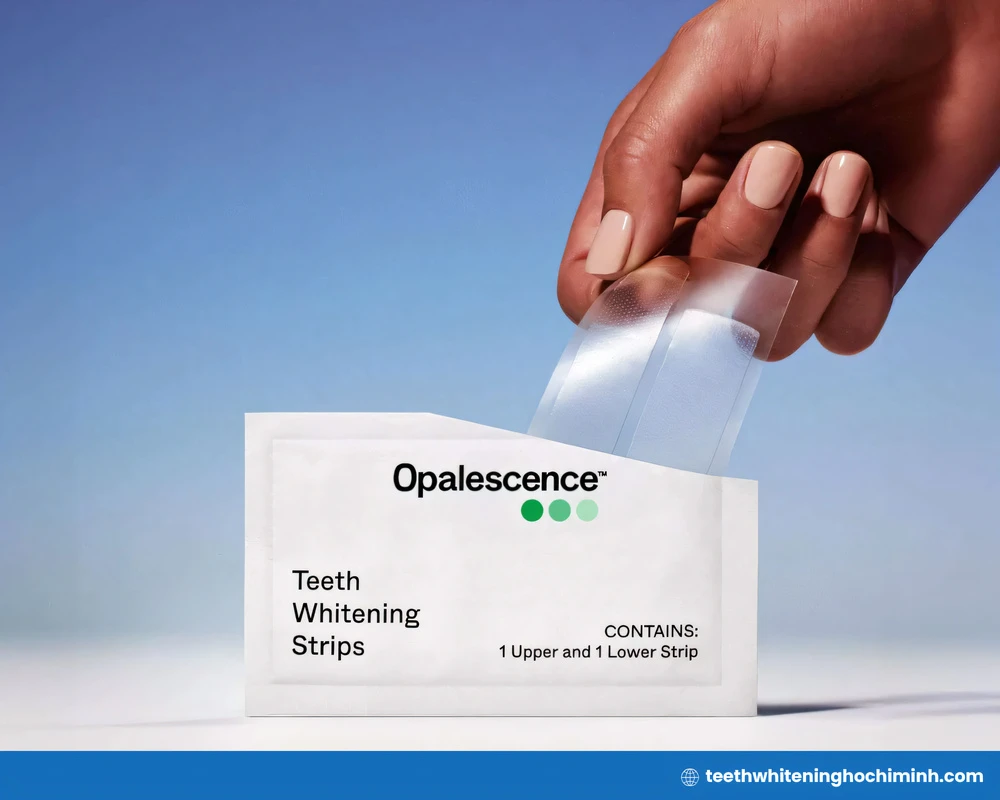
Opalescence Go reflects the brand’s professional dentistry roots. These premium teeth whitening strips begin showing results within three days and feature a slip-resistant fit. The formula includes potassium nitrate for sensitivity management and fluoride for enamel fortification, among the top rated teeth whitening strips for users who want a clinical-grade experience at home.
| Recommend reading: Best Opalescence Go teeth whitening strips results reviews
GuruNanda Coconut Oil Strips – Best natural option
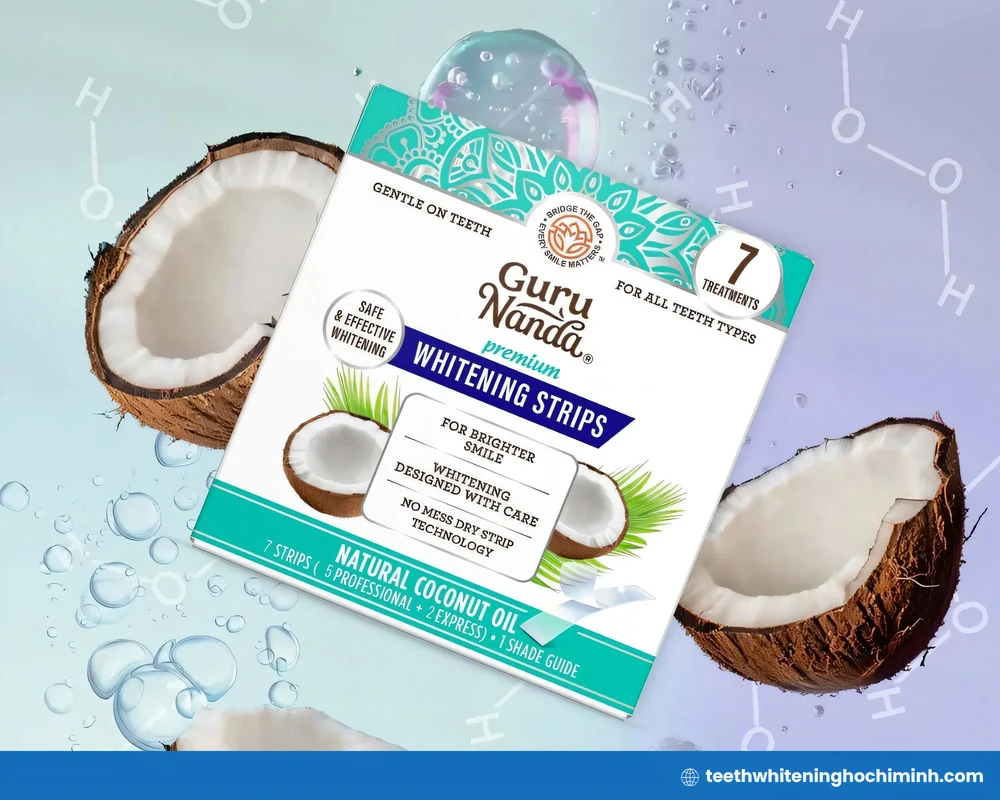
For those seeking natural teeth whitening strips, GuruNanda blends hydrogen peroxide with coconut oil – providing mild antibacterial benefit and reducing gum irritation. Available in 7, 16 and 30-day treatment formats. Color improvement after 14 days is modest but consistent, with minimal sensitivity scores.
Teeth whitening strips for sensitive teeth – What actually helps?
Sensitive teeth are the primary reason people abandon whitening. Choosing the right formula matters more than most people realize.
Teeth whitening strips for sensitive teeth should include at least one of the following:
- Potassium nitrate – calms nerve response inside the tooth
- Nano-hydroxyapatite (nHAp) – remineralizes micro-fissures in enamel
- Lower H₂O₂ concentration – 5-8% instead of 10%+
- Shorter wear time – 15 minutes versus 30+
The strongest teeth whitening strips on the market typically use 14% hydrogen peroxide or above. These are not appropriate for sensitive teeth. Dentists advise taking a 48-hour break between uses and avoiding acidic foods during treatment cycles. Most discomfort resolves within 24-72 hours of pausing.
A 2025 peer-reviewed study found that peroxide-free formulas showed zero detectable enamel erosion after six applications. Making them a clinically sound alternative for those who cannot tolerate standard bleaching agents.
Fastest results: What to expect in 3, 7 and 14 Days
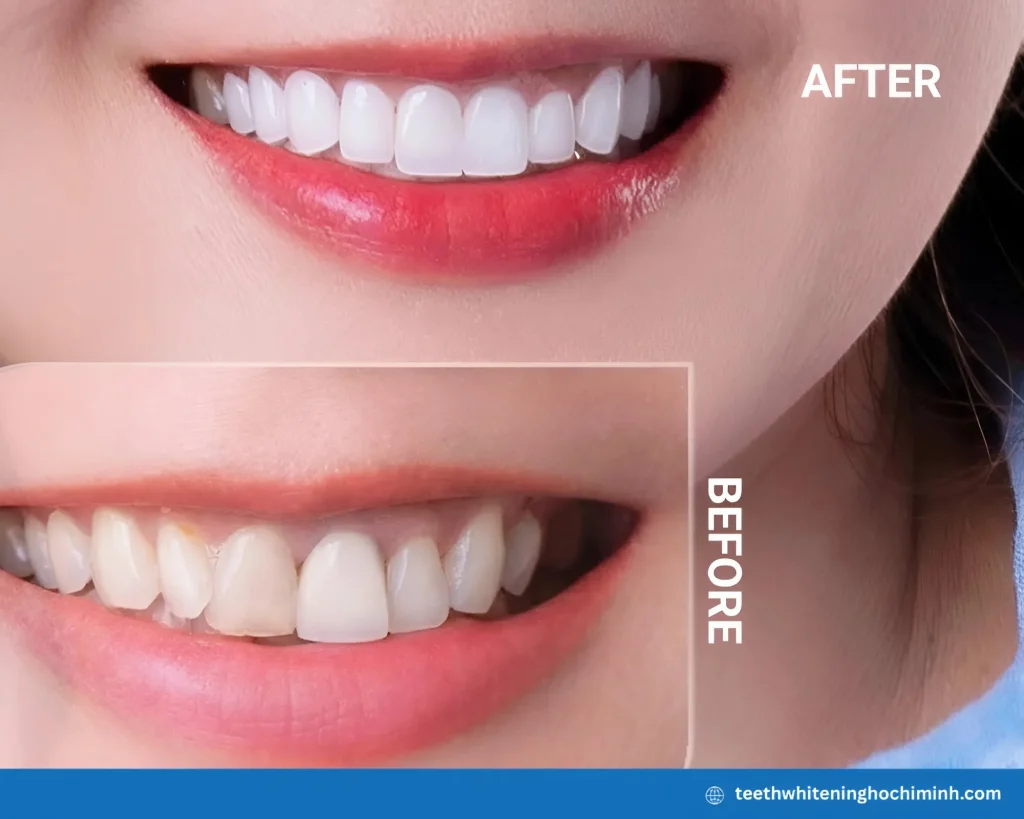
Speed claims vary widely. Here is a realistic breakdown:
- 3-5 days: High-concentration H₂O₂ (10%+) with 30-minute wear. Visible lightening on surface stains. Not recommended beyond one continuous week.
- 7 days: Mid-range formulas (6-8% H₂O₂) with twice-daily application. Consistent improvement. Best for fastest teeth whitening strips that still respect enamel health.
- 14 days: Standard OTC concentration (3-6% H₂O₂) with once-daily use. The most common dentist-endorsed protocol – gradual but lower enamel risk.
Speed is not the only variable. Dentists consistently note that the best teeth whitening strips are not necessarily the fastest. They are the ones that produce consistent results without compromising enamel integrity or gum health.
Where to buy teeth whitening strips and what to avoid?
To buy teeth whitening strips safely, stick to established retail channels: pharmacies, major online retailers, or directly from brand websites.
Avoid products without ingredient disclosure or those making claims like “whiter in one use.” The FDA classifies OTC whitening products as cosmetics – no pre-market approval is required and manufacturer self-certification is the norm. That places the burden of research on the buyer.
Red flags to watch for:
- No active ingredient listed
- Concentration listed as “proprietary blend” with no specifics
- No usage or wear-time instructions
- No company contact information
Professional in-office whitening vs at-home strips
For expats and visitors in Ho Chi Minh City, this comparison is especially relevant. HCMC clinics offer professional in-office whitening at $80-$250 – roughly 50-70% less than equivalent treatment in the US, Australia, or Europe.
| At-Home Strips | Professional In-Office (HCMC) | |
| Cost | $20-$60 | $80-$250 |
| Results timeline | 7-14 days | 60-90 minutes |
| H₂O₂ concentration | 3-10% | 25-40% (supervised) |
| Sensitivity risk | Self-managed | Lower (gum barriers used) |
| Enamel safety | User-dependent | Professionally monitored |
A 2025 peer-reviewed analysis confirmed that professional in-office teeth whitening delivered the highest patient satisfaction of any whitening method – not despite using higher peroxide concentrations. But because protective protocols (gum barriers, calibrated exposure, professional monitoring) reduce adverse event rates significantly compared to unsupervised OTC use.
How to use whitening strips correctly?
Dentists recommend this protocol for OTC use:
- Brush and dry teeth before applying – moisture reduces adhesion
- Apply the upper strip first, fold excess over the back of teeth
- Follow listed wear time exactly (typically 15-30 minutes)
- Remove and rinse – do not swallow the gel
- Avoid eating, drinking, or smoking for 30 minutes after removal
- Complete the full cycle, then take a break before repeating
Do not use strips year-round. Most dentists recommend 7-14 day cycles with breaks of at least 4-6 weeks between treatments. Overuse accelerates enamel wear without proportional whitening benefit.
FAQ
What are teeth whitening strips made of?
They are thin plastic films coated with a bleaching gel – typically hydrogen peroxide, carbamide peroxide, or a peroxide-free alternative like PAP – that penetrates enamel to break down stain compounds.
How often should you use them?
Most dentist-approved protocols call for once or twice daily use for 7-14 consecutive days, followed by a break of at least 4-6 weeks before repeating.
Are they safe for enamel?
When used as directed, yes. Overuse raises enamel microhardness reduction risk. Strips containing nano-hydroxyapatite reduce that risk significantly compared to peroxide-only formulas.
Which are best for sensitive teeth?
Auraglow (nHAp + 8% H₂O₂) and Lumineux (peroxide-free) are consistently rated highest for sensitive users by dental reviewers in 2026.
Do they work on crowns or veneers?
No. Whitening only affects natural enamel. Crowns, veneers and bonding will not change color – which can create visible unevenness if restorations are present.
How much do they cost?
OTC kits typically range from $20 to $60. Professional alternatives in Ho Chi Minh City cost $80-$250 for in-office sessions with faster, more controlled results.
Where can expats in HCMC get professional whitening?
Districts 1, 2, 3 and 7 have the highest concentration of international-standard clinics offering Zoom, laser and LED whitening with English-speaking staff – typically in a single 60-90 minute session.
Are they safe during pregnancy?
No. Dentists universally advise against any peroxide-based whitening during pregnancy, including both OTC strips and professional treatments.
What are the strongest OTC whitening strips available?
High-end lines such as Crest 3D Whitestrips Professional Effects reach approximately 14% hydrogen peroxide – the upper ceiling for consumer use without a prescription.
How long do results last?
Typically 3-6 months with consistent dietary habits. Maintenance with whitening toothpaste and limiting heavy staining foods and beverages extends that window considerably.
For most people, a well-formulated strip from Crest, Auraglow, Lumineux or Opalescence covers the majority of whitening needs at home. The right pick depends on sensitivity level, stain severity, and how quickly results are needed. For those in Ho Chi Minh City looking for deeper guidance, Teeth Whitening Ho Chi Minh reviews professional whitening clinics across HCMC, helping expats and visitors find trusted providers before booking a treatment.