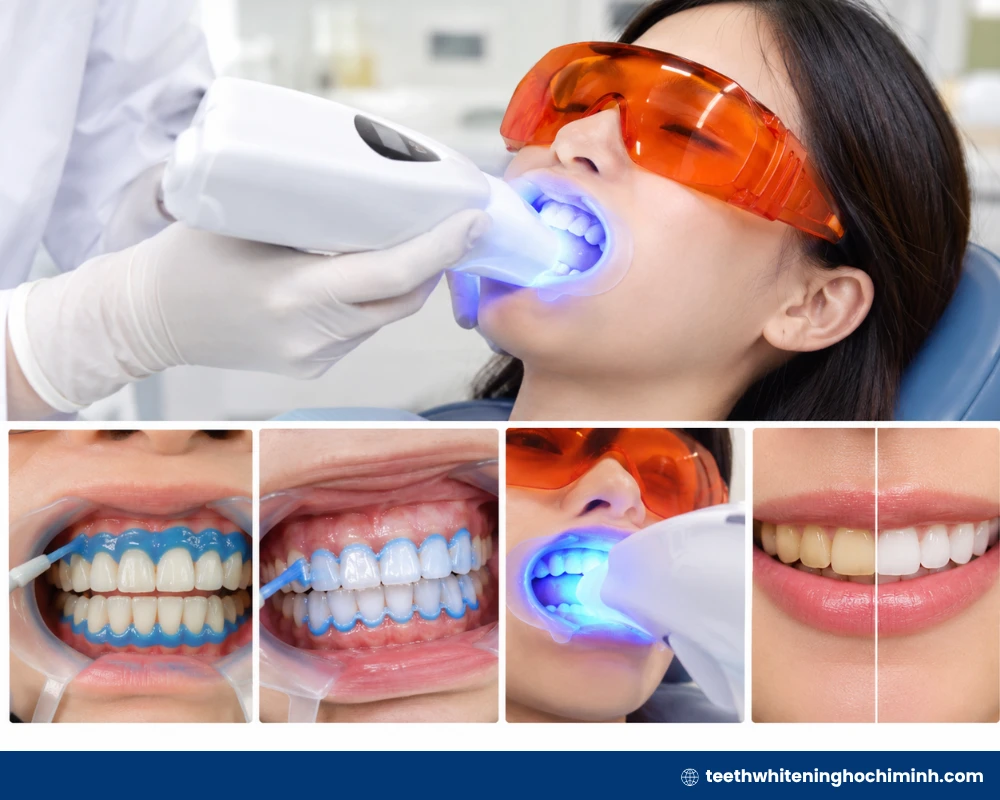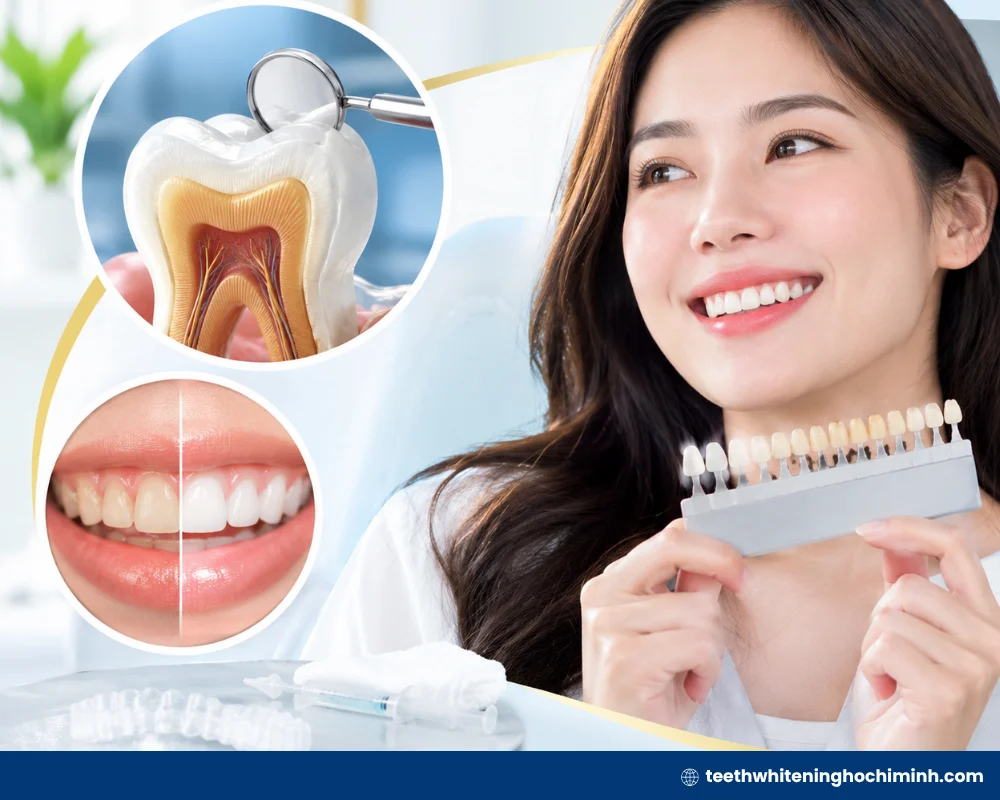
Many people hesitate before whitening because they worry about enamel damage, tooth sensitivity, or irritated gums. So, is zoom teeth whitening safe? For most healthy adults, professionally administered Zoom whitening is generally considered safe, although temporary side effects can happen. Safety depends on your oral health, how the whitening is done, and how sensitive your teeth are. Below, we cover enamel safety, sensitivity, possible risks, and precautions.
Is zoom teeth whitening safe for your teeth?
Yes, for most eligible adults. Zoom teeth whitening is generally safe when a qualified dental professional follows the manufacturer’s guidelines, but it is not completely risk-free. The gel contains hydrogen peroxide, which breaks down stain molecules, and the LED light speeds up that reaction. How safe is zoom teeth whitening depends mainly on gel concentration, exposure time, gum protection, existing dental conditions, and professional supervision.
Is zoom teeth whitening safe for enamel?
Professionally administered Zoom whitening is generally considered compatible with healthy enamel, provided the application matches your tooth condition. Temporary sensitivity is not the same as enamel damage, so ask your dentist: is zoom teeth whitening safe for your enamel?
Effect of Zoom gel on enamel
Zoom gel works chemically. Its hydrogen peroxide seeps into the tooth and breaks down the pigments behind discoloration, rather than wearing enamel away. A twinge of sensitivity during or after treatment doesn’t mean lasting damage. Overuse is the real risk, so your dentist should control timing and gel strength.
Protecting enamel
Good enamel care begins at the dentist’s office, well before any gel touches your teeth. Your dentist should carefully check enamel health, set gel strength and exposure time, shield your gums, and guide your aftercare.
- Check enamel condition first: A dentist should confirm your enamel is healthy and free of cavities before whitening.
- Control gel concentration and exposure time: Follow the timing your dentist sets rather than extending it.
- Protect gums and surrounding tissue: Professional gum barriers reduce direct contact between the gel and sensitive areas.
- Use fluoride or desensitizing care afterward: Depending on the product, these may help your teeth recover.
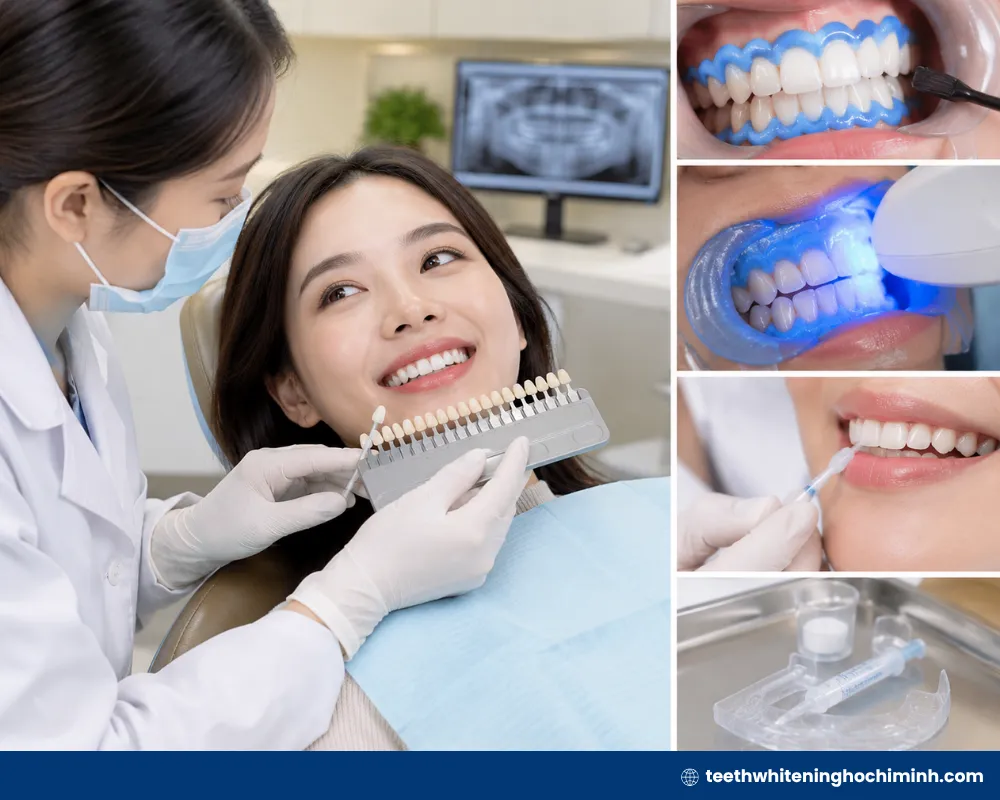
Is zoom whitening safe for sensitive teeth?
People with sensitive teeth may still be candidates for Zoom whitening, but their sensitivity should be assessed beforehand. Temporary discomfort is a recognized side effect, and individual tolerance varies, so is zoom teeth whitening safe depends on a dentist’s evaluation.
Causes of sensitivity
Peroxide can move through tooth structures and temporarily stimulate the dental pulp, the nerve-rich center of the tooth. This often feels like a brief, sharp twinge, especially with cold drinks or cold air. It is important to distinguish sensitivity you already had from sensitivity that appears after whitening. Either way, sensitivity does not always indicate structural damage.
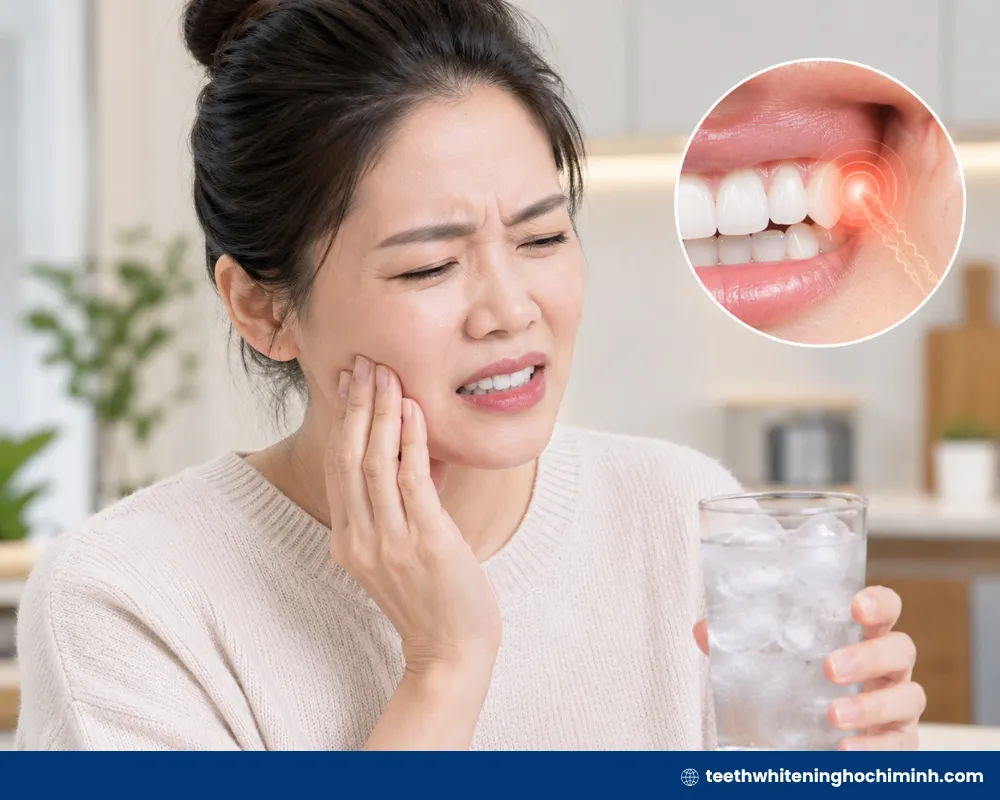
Sensitivity duration
Mild sensitivity usually settles after a few days, but the timing differs for everyone. How long it lasts depends on your tooth condition and the whitening procedure you received. See a dentist if you notice severe pain, worsening sensitivity, swelling, or discomfort that does not go away.
Reducing sensitivity
Several simple steps can make whitening more comfortable for sensitive teeth. Discussing your history with a dentist and using desensitizing care when advised can help you get through the process with less discomfort.
- Talk with your dentist about any past sensitivity before whitening so they can plan accordingly.
- Switch to a desensitizing toothpaste if your dentist suggests one.
- Ask about adjustments to exposure time or product choice for your teeth.
- Avoid very hot or cold foods and drinks temporarily if sensitivity appears.
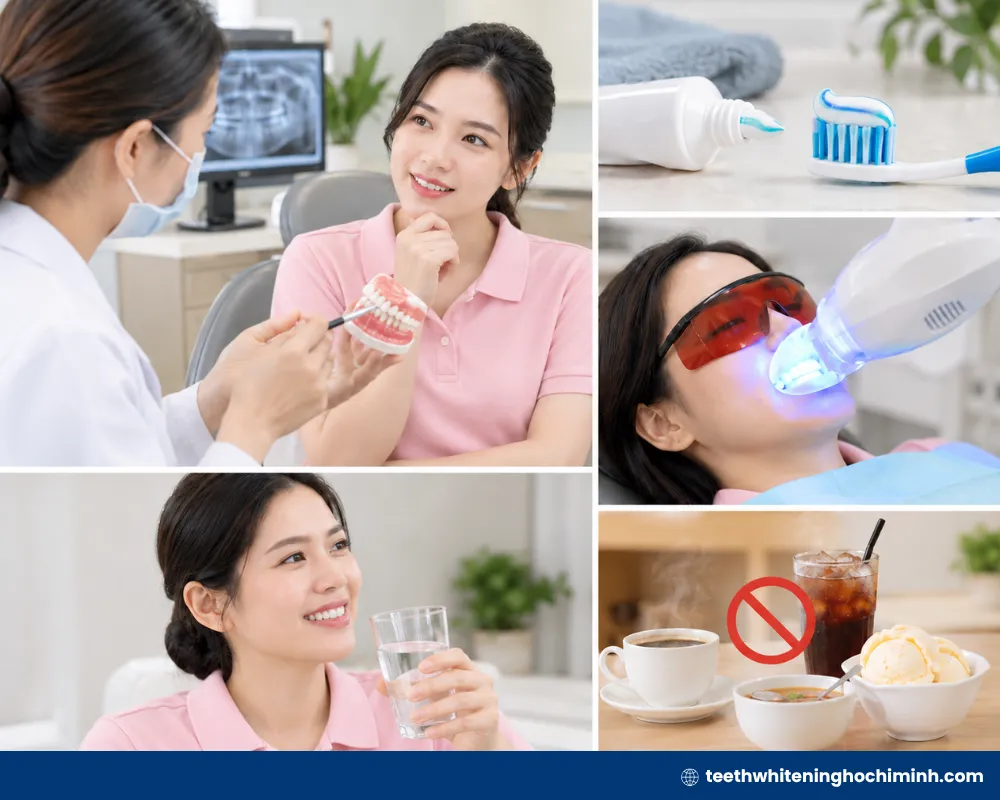
Is zoom teeth whitening safe? Possible side effects
Tooth sensitivity and gum irritation are the two reactions people report most often after treatment. Most mild cases pass on their own, but unusual or lasting symptoms need a dentist’s evaluation.
Gum irritation and temporary changes
Gel that reaches the gums may irritate them or briefly blanch the tissue. Teeth may also look slightly different right after the procedure, partly because of temporary dehydration, which can change how white they appear. Sensitivity may accompany these changes too, though it usually fades.
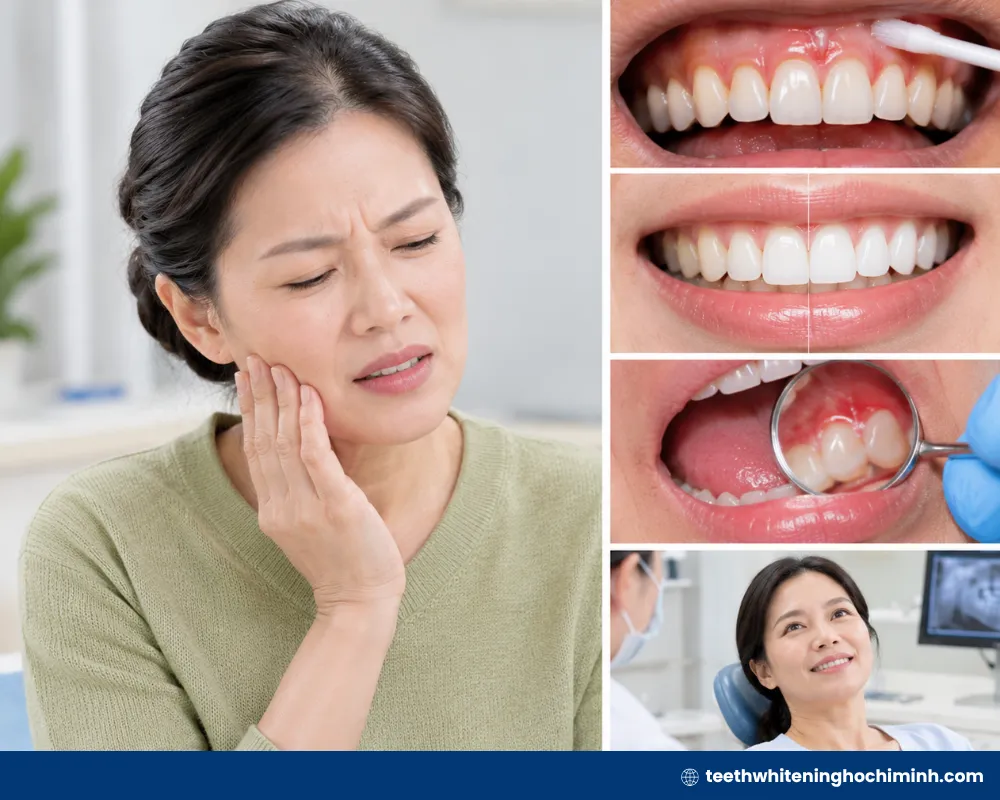
Long-term risks
Is zoom teeth whitening safe long term depends on supervision, since complications are uncommon when it is done professionally. Risks rise with inappropriate use, whitening too often, or whitening over unresolved dental problems. Proper professional use is very different from those situations, and permanent damage is not an expected outcome for most people.
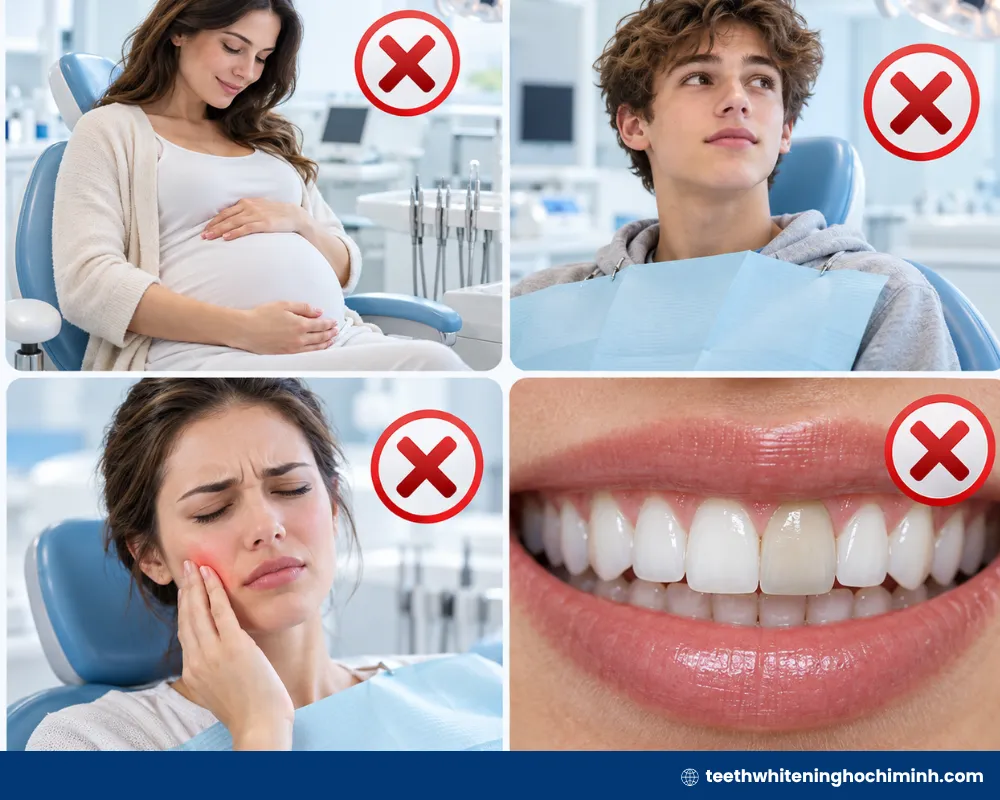
Who should avoid or delay zoom teeth whitening?
Some people should postpone Zoom whitening until a dentist answers is zoom teeth whitening safe for them. It helps to distinguish temporary reasons to wait from situations where whitening may not be recommended at all.
Existing dental problems
Untreated cavities, cracked teeth, active gum inflammation, exposed roots, significant enamel wear, and strong existing sensitivity all call for a closer look first. Whitening gel can aggravate discomfort when teeth or gums are already compromised. A dental exam will show whether whitening should wait. This does not mean that anyone with these conditions is permanently ineligible.
Pregnancy, age, and allergies
Elective whitening is generally postponed during pregnancy and breastfeeding because safety information is limited. Age rules follow the instructions for the specific Philips Zoom product, and Zoom WhiteSpeed is not intended for anyone under 18. Known ingredient allergies or previous adverse reactions are also reasons to consult a dentist before starting.
Crowns, veneers, and fillings
Whitening agents do not change the color of crowns, veneers, and fillings the way they change natural teeth. For example, if you whiten your natural teeth but keep an older front crown, the crown may look darker than its neighbors. Evaluate existing restorations and your desired shade with your dentist before proceeding.
How to make zoom teeth whitening safer
Good preparation, professional supervision, and careful aftercare all help reduce avoidable discomfort and complications. Knowing what to do before, during, and after your session makes zoom teeth whitening safety easier to manage, and it gives you more control over the results.
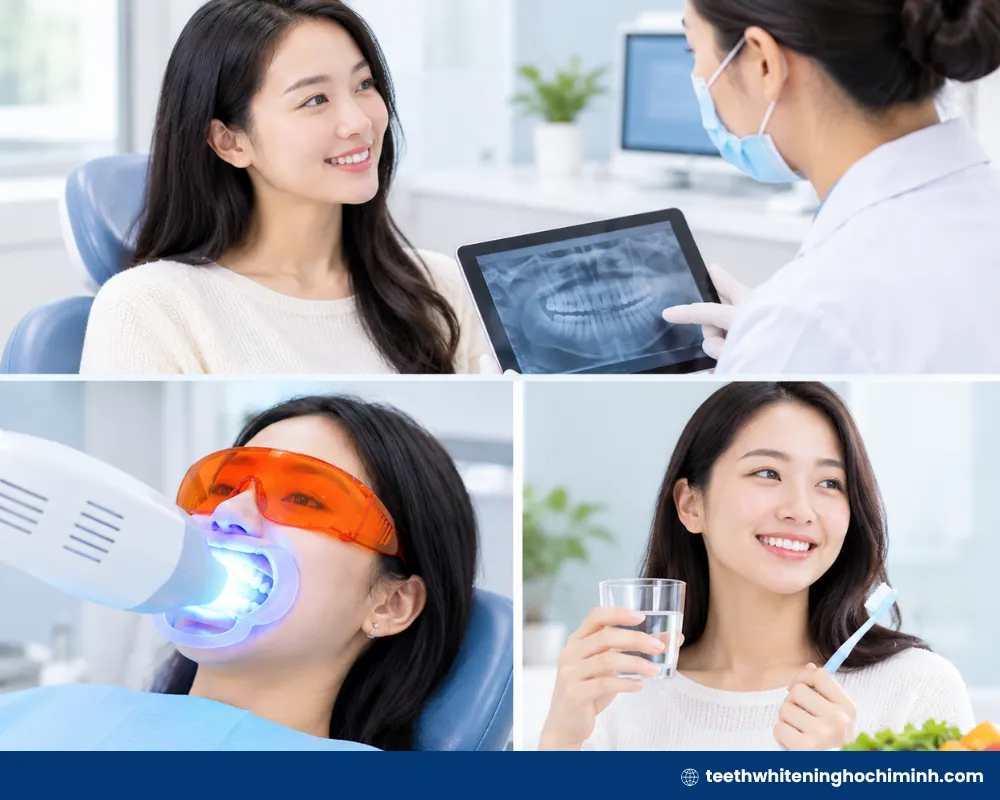
Before your appointment
Preparation starts well before the gel touches your teeth. A few steps at the start keep zoom teeth whitening safe and help your dentist plan a more comfortable session.
- Book a dental exam to check for cavities, gum inflammation, and enamel concerns.
- Tell your dentist about past whitening reactions, allergies, and health conditions.
- Set realistic expectations about how white your teeth can become.
During and after the session
Your behavior during and after the session matters as much as the procedure itself. Speaking up quickly and caring for your teeth afterward can prevent small problems from growing.
- Confirm that the dental team protects your gums before the gel is applied.
- Report unusual pain during the session right away.
- Brush gently, limit stain-causing foods and drinks, and avoid repeating sessions without professional guidance.
Is zoom teeth whitening safe in-office or take-home?
Both approaches can be appropriate when used correctly, but they differ in supervision, application, and exposure conditions. Neither is universally safer, so the answer to zoom teeth whitening is it safe depends on your dental health, sensitivity, and desired results.
| Whitening method | Professional supervision | Sensitivity considerations | Key advantages and limitations |
| Zoom in-office | Full supervision by a dental professional in the clinic | Dentist adjusts exposure and protects gums during the session | Faster results, but higher cost and less control at home |
| Zoom take-home (prescribed) | Dentist prescribes and explains use; you apply at home | You manage sensitivity and application timing | More affordable and flexible, but relies on strict instruction-following |
Ask your dentist is zoom whitening safe for your teeth and discuss both options before you decide. They can match the method to your teeth, gums, and the shade you want, which makes the result safer and more predictable.
To sum up, is zoom teeth whitening safe for most healthy adults when a dentist supervises the process, although sensitivity and gum irritation can occur. Enamel condition, sensitivity, and overall oral health all shape the outcome, so the safest first step is a thorough dental exam. Talk with your dentist about your teeth, gums, and goals before booking, so you can decide with confidence is zoom teeth whitening safe for you.
Frequently asked questions
Is zoom teeth whitening safe with the LED light?
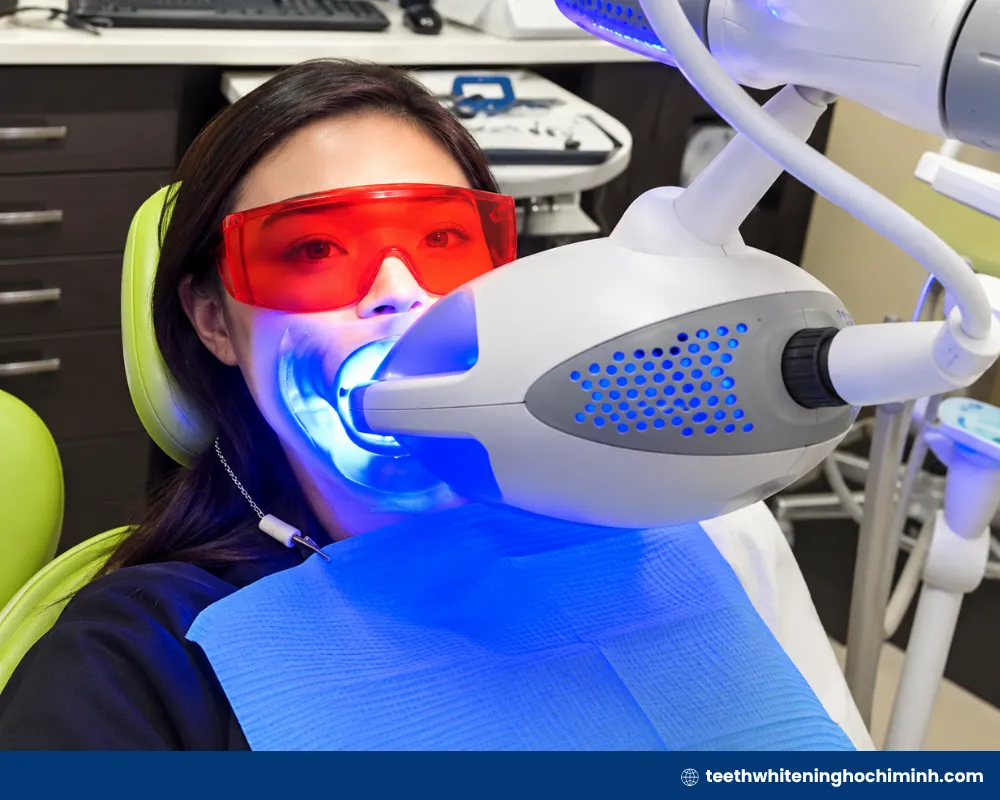
The LED light speeds up the peroxide reaction in the Zoom WhiteSpeed system, and it is safe when used as directed. Wear the provided eye protection and keep exposure to the time your dentist sets, because the light alone does not guarantee safe whitening.
How often is zoom teeth whitening safe to repeat?
There is no universal schedule, because the right interval depends on the specific Zoom product, your existing sensitivity, and how quickly your teeth stain. Check with your dentist first, since repeating too soon can irritate your gums and heighten sensitivity.
Are zoom whitening results permanent?
No, results gradually fade because coffee, tea, red wine, smoking, and natural aging can restain teeth over time. Brushing, flossing, and limiting stain-causing habits help results last, and a fading shade alone does not mean you should whiten right away.