Professional teeth whitening gel offers dentist-quality treatments without the clinic visit. Compare carbamide vs hydrogen peroxide formulas and master proper usage techniques.
Understanding teeth whitening gel composition
Teeth whitening gel typically contains either carbamide peroxide or hydrogen peroxide as the active bleaching agent. Carbamide peroxide breaks down into hydrogen peroxide and urea when applied to teeth, making it a slower-release formula suitable for extended wear periods.
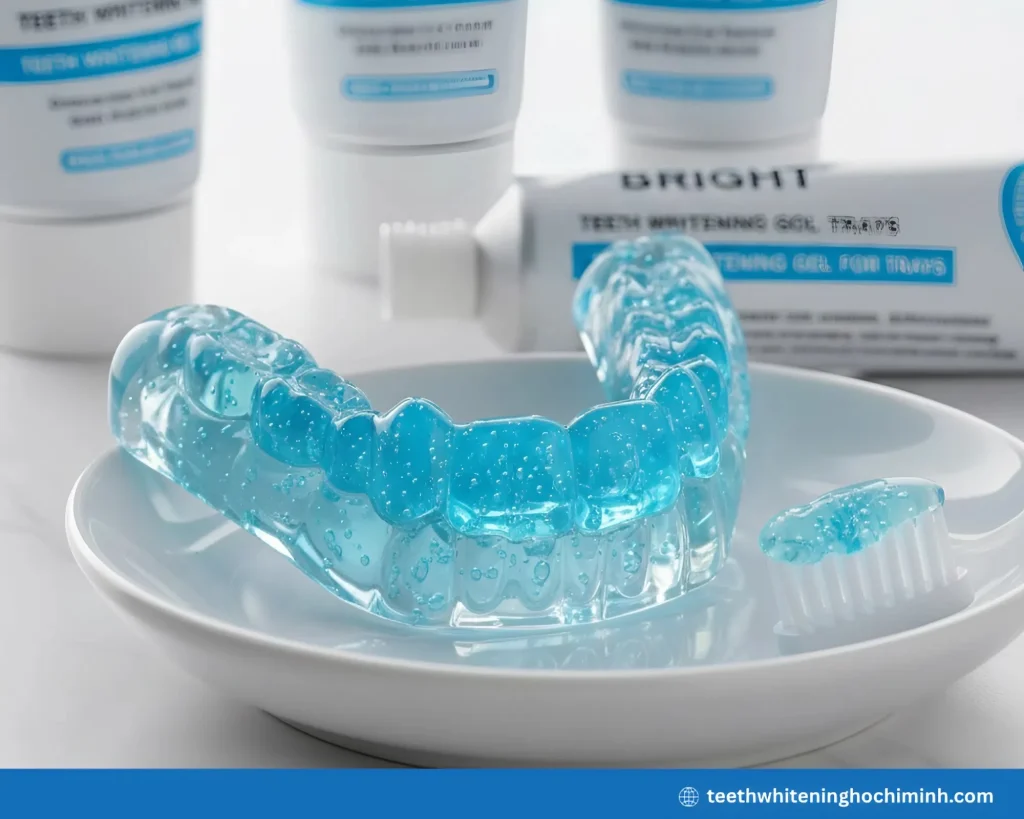
Professional-grade formulations range from 10% to 44% carbamide peroxide, while hydrogen peroxide concentrations typically fall between 3% and 15%. Dental professionals often recommend starting with lower concentrations to assess tooth sensitivity before progressing to stronger formulas.
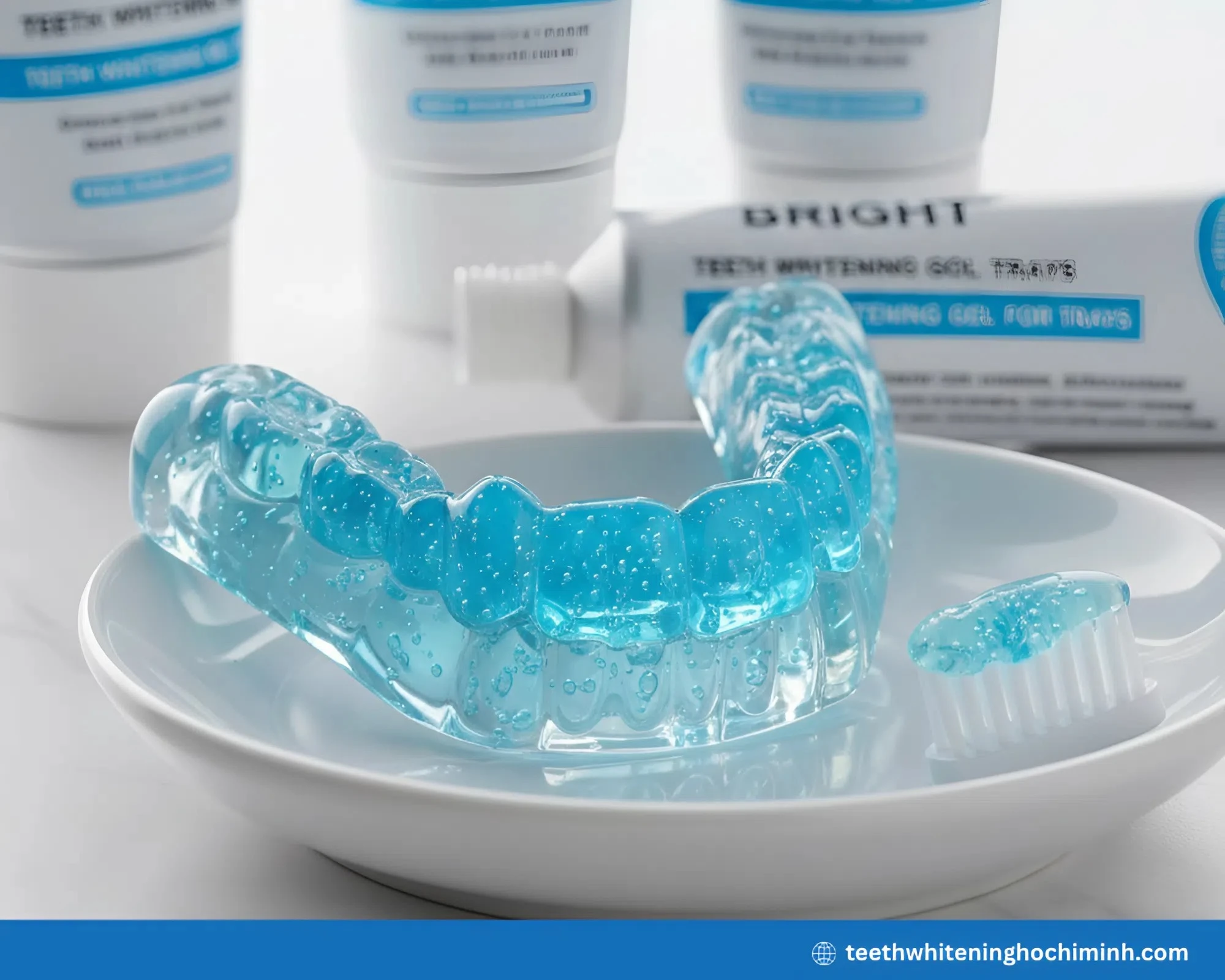
The gel’s viscosity matters significantly for tray application. Thicker gels remain in place better and minimize contact with gum tissue, reducing the risk of irritation.
Professional-grade options vs. over-the-counter products
Dentist teeth whitening gel differs substantially from retail products in several key aspects. The table below highlights the key differences:
| Feature | Professional-Grade Gel | Over-the-Counter Products |
| Peroxide concentration | 15-44% carbamide peroxide | 3-10% carbamide peroxide |
| Quality control | Pharmaceutical-grade standards | Consumer-grade standards |
| Customization | Tailored to individual needs | One-size-fits-all formulation |
| Professional support | Dentist guidance included | Self-directed use |
| Results timeline | 3-14 days | 2-6 weeks |
| Cost per treatment | $200-500 | $20-80 |
Many dental practices provide take-home kits featuring custom-fitted trays and professional whitening gel. These systems deliver results comparable to in-office treatments when used consistently over several weeks.
Over-the-counter teeth whitening options contain lower peroxide concentrations, typically 10% carbamide peroxide or less. While safer for unsupervised use, they require longer treatment periods to achieve noticeable results.
Selecting the best teeth whitening gel for trays
When choosing teeth whitening gel for trays, several factors warrant consideration:
Concentration level: Should match the user’s sensitivity tolerance and desired treatment timeline. First-time users benefit from starting with 10-15% carbamide peroxide formulations.
Tray compatibility: Ensures the gel works effectively with either custom-fitted or moldable trays. Some formulations are specifically designed for certain tray systems.
Ingredient transparency: Allows consumers to identify potential allergens or irritants. Reputable manufacturers list all active and inactive ingredients clearly.
The best teeth whitening gel balances efficacy with safety, providing predictable results without excessive tooth sensitivity or gum irritation.
Specialized formulations
Teeth whitening gel for sensitive teeth
Formulations designed for sensitivity incorporate desensitizing agents like potassium nitrate or fluoride. These ingredients help block nerve transmission in teeth, reducing discomfort during and after treatment.
Lower peroxide concentrations (10-16% carbamide peroxide) prove effective while minimizing sensitivity. Extended wear times with gentler formulas often produce comparable results to shorter applications of stronger products.
Overnight teeth whitening gel
Overnight formulations use carbamide peroxide concentrations between 10-20%, designed for safe extended contact with tooth enamel. The slow-release nature of carbamide peroxide makes it ideal for overnight application.
Users wear custom trays for 6-8 hours while sleeping, allowing the gel to work gradually. This approach suits individuals with busy schedules who cannot dedicate time to daytime treatments.
Strongest teeth whitening gel
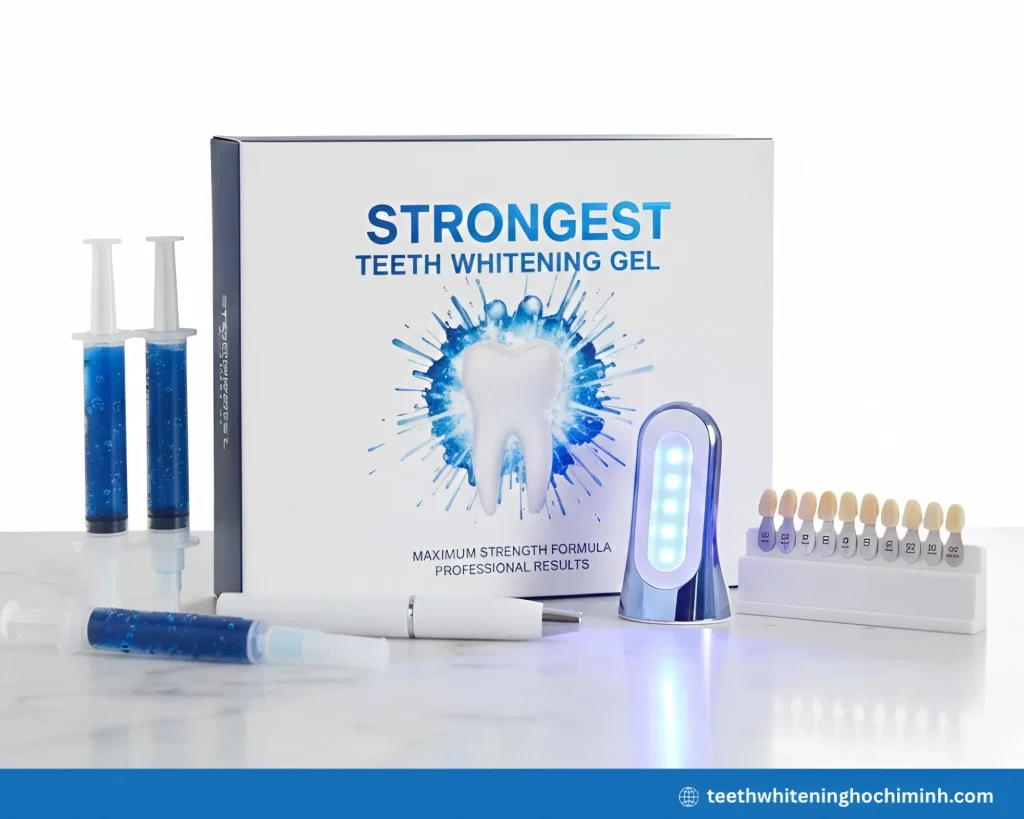
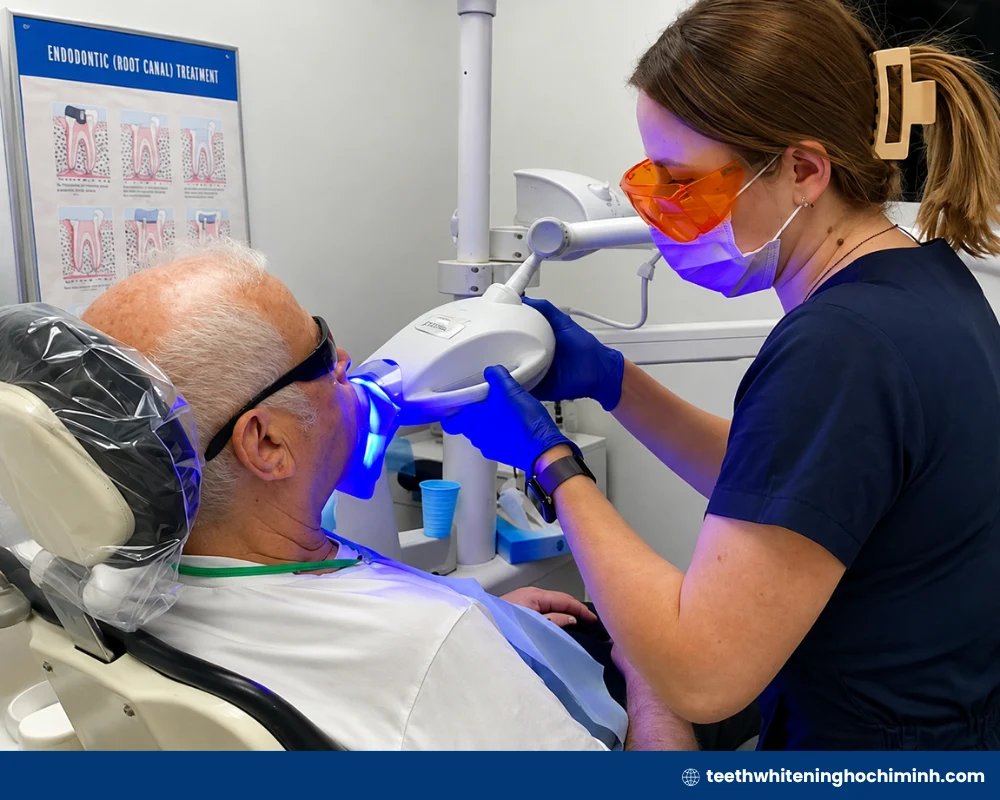
High-concentration professional gels (35-44% carbamide peroxide or 15% hydrogen peroxide) deliver rapid results but require careful supervision. Dental professionals typically reserve these formulations for in-office teeth whitening or provide them with detailed application instructions.
Strong gels necessitate shorter application times-often 30-60 minutes-to prevent enamel damage and excessive sensitivity.
Color-enhanced formulations
Purple teeth whitening gel: Purple-tinted gels neutralize yellow tones through color correction while standard peroxide concentrations (10-20% carbamide peroxide) work to lift deeper stains. This dual-action approach provides immediate optical brightening alongside long-term chemical whitening.
Blue teeth whitening gel: Blue teeth whitening gel counteracts yellow and orange undertones using pigments like blue covarine that reflect light and create instant whitening effects. The cosmetic enhancement supplements the peroxide’s chemical action for both immediate and lasting results.
LED light-activated systems
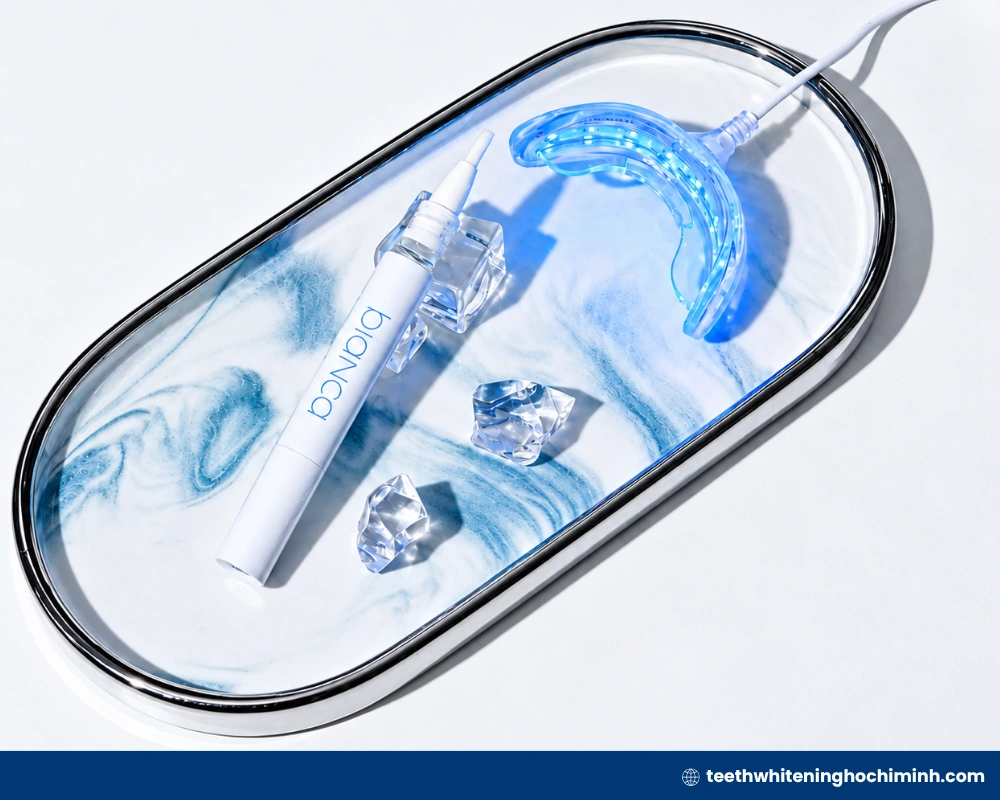
Teeth whitening gel for LED light works in conjunction with light-emitting diode devices that purportedly accelerate the whitening process. These gels often contain photosensitive compounds designed to activate under specific light wavelengths.
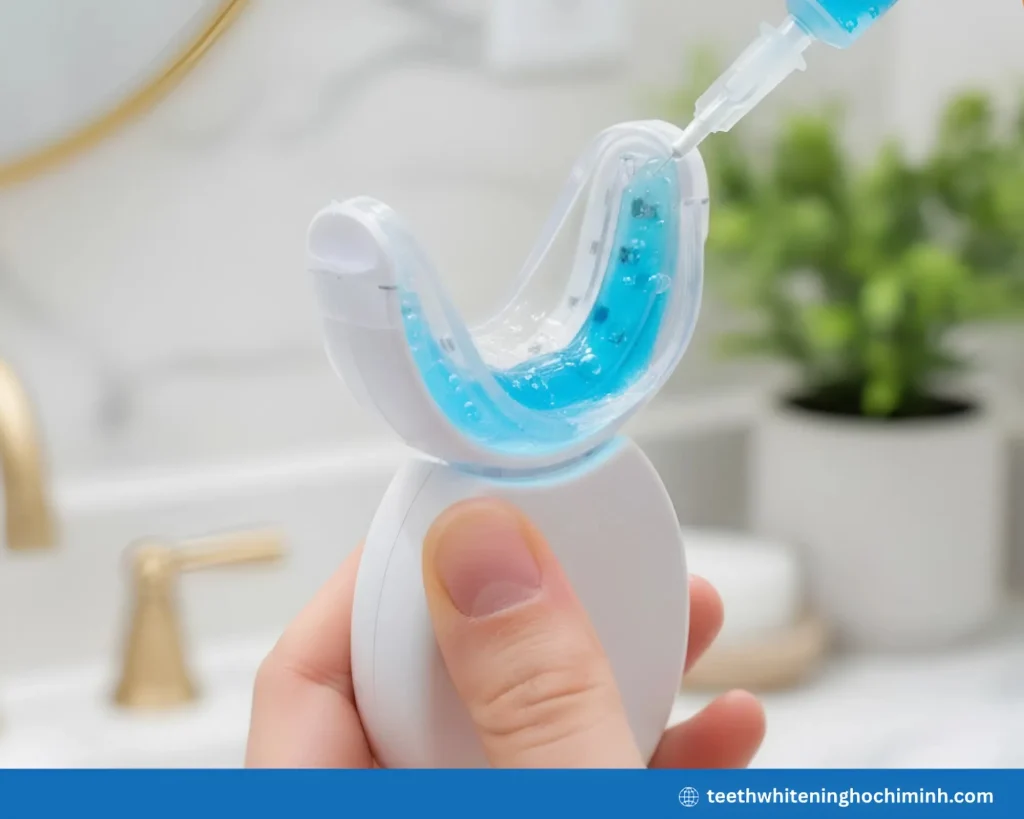
Research on LED acceleration remains mixed. While some studies show marginal improvement in whitening speed, others find no significant difference compared to gel-only applications. The gel’s peroxide concentration remains the primary determinant of whitening efficacy.
Complete teeth whitening gel kits
Components of the teeth whitening gel kit
A teeth whitening gel kit typically includes:
- Pre-measured gel syringes or pens
- Moldable or custom teeth whitening trays
- Tooth shade guide for tracking improvements
- Application instructions
- Storage case
Comprehensive kits offer convenience and cost savings compared to purchasing components separately. Quality kits include enough gel for 2-4 weeks of treatment, depending on the protocol.
Application best practices
Proper application maximizes results while minimizing adverse effects:
- Brush and floss to clear surface buildup prior to application
- Dry teeth thoroughly to ensure optimal gel adhesion
- Apply small amounts (about a drop per tooth) to avoid overflow
- Position trays carefully to prevent gel contact with gums
- Follow timing guidelines strictly based on product concentration
- Rinse thoroughly after removing trays
- Avoid staining foods and beverages for at least one hour post-treatment
Maintaining results
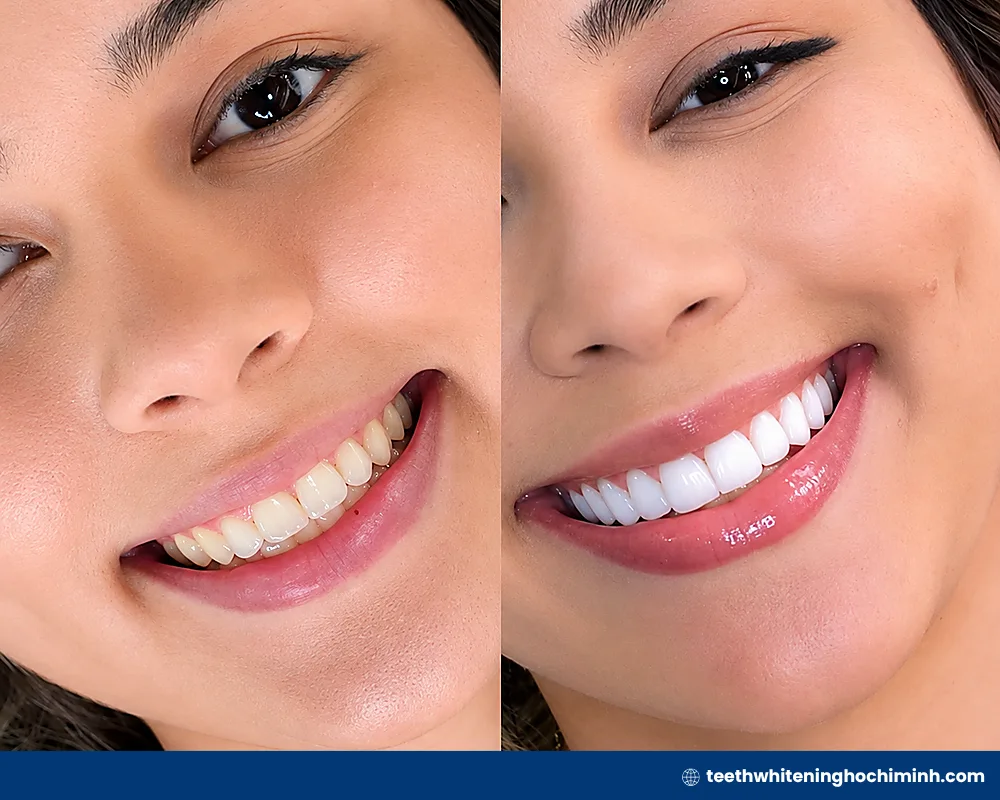
Teeth whitening gel treatments provide temporary results requiring maintenance. Typical whitening effects last 6-24 months, depending on dietary habits and oral hygiene practices.
Periodic touch-up treatments-usually once every 3-6 months-help maintain brightness. Using whitening toothpaste between treatments extends results by removing surface stains before they penetrate enamel.
Expected results timeline
Results vary based on gel concentration, application frequency, and initial tooth shade:
| Gel Concentration | Application Duration | Expected Results Timeline |
| 10-15% carbamide peroxide | 2-4 hours daily | Visible results in 1-2 weeks |
| 20-22% carbamide peroxide | 1-2 hours daily | Whitening effects visible in 3-7 days |
| 35-44% carbamide peroxide | 30-60 minutes per session | Significant whitening after 3-5 applications |
| Overnight gel (10-20%) | 6-8 hours nightly | Gradual whitening effect over 2-3 weeks |
Having practical expectations minimizes disappointment. Most users achieve 2-8 shades lighter, with heavily stained teeth requiring longer treatment periods.
FAQ – Frequently asked questions
What is teeth whitening gel made of?
Teeth whitening gel contains carbamide peroxide or hydrogen peroxide as the active ingredient, along with thickening agents, stabilizers, and sometimes desensitizing compounds like potassium nitrate.
Where can I buy professional teeth whitening gel?
Professional-grade whitening gel is available through dental offices, licensed dental supply retailers, and specialized clinics like Teethwhiteninghochiminh.com.
Why does teeth whitening gel cause sensitivity?
The peroxide penetrates enamel to reach the dentin layer, temporarily irritating the tooth’s nerve. This effect typically subsides within 24-48 hours after treatment.
How much teeth whitening gel should I use per tray?
Apply approximately one small drop per tooth (about 0.5ml per arch), ensuring even distribution without overfilling the tray.
How long should I wear teeth whitening gel in trays?
Treatment duration depends on concentration: 10-16% carbamide peroxide for 2-4 hours or overnight; 20-35% for 30-60 minutes; always follow product-specific instructions.
What’s the difference between purple and blue teeth whitening gel?
Purple gel neutralizes yellow tones while blue gel counteracts orange undertones; both provide color correction alongside chemical whitening from peroxide content.
Can teeth whitening gel damage enamel?
When used according to instructions, whitening gel does not permanently damage enamel, though excessive use may cause temporary sensitivity or enamel dehydration.
Which concentration is best for first-time users?
Beginners should start with 10-15% carbamide peroxide to assess sensitivity tolerance before advancing to stronger formulations.
Conclusion
Selecting the right teeth whitening gel for trays requires balancing effectiveness with individual sensitivity levels and lifestyle needs. Professional-grade formulations offer superior results compared to over-the-counter alternatives, particularly when combined with custom-fitted trays and proper application techniques.
Whether choosing overnight gels for convenience, purple-tinted options for color correction, or dentist-grade concentrations for rapid results, understanding product composition and following safety guidelines ensures optimal whitening outcomes.
For those seeking comprehensive reviews and comparisons of professional teeth whitening products available, Teeth Whitening Ho Chi Minh offers detailed insights to help international residents and visitors make informed decisions about their dental care options.