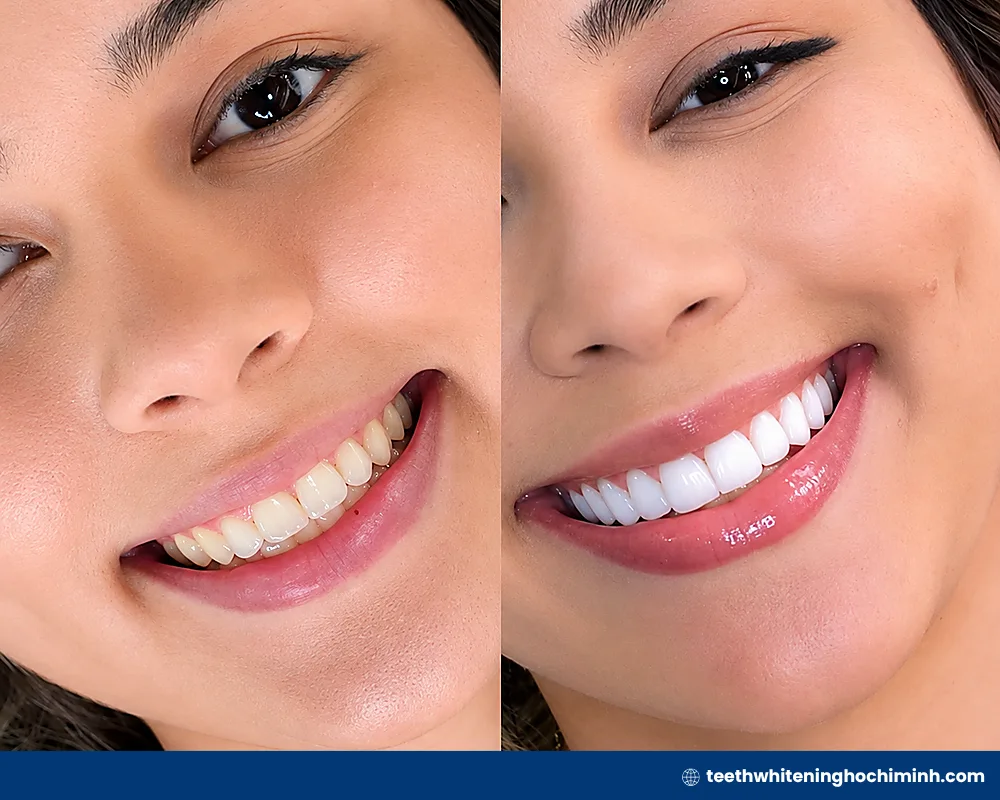
Teeth whitening bleach has become one of the most requested cosmetic dental treatments worldwide. Understanding how professional-grade whitening agents work and which options dental professionals recommend can help patients make informed decisions about brightening their smiles safely and effectively.
What is teeth whitening bleach?
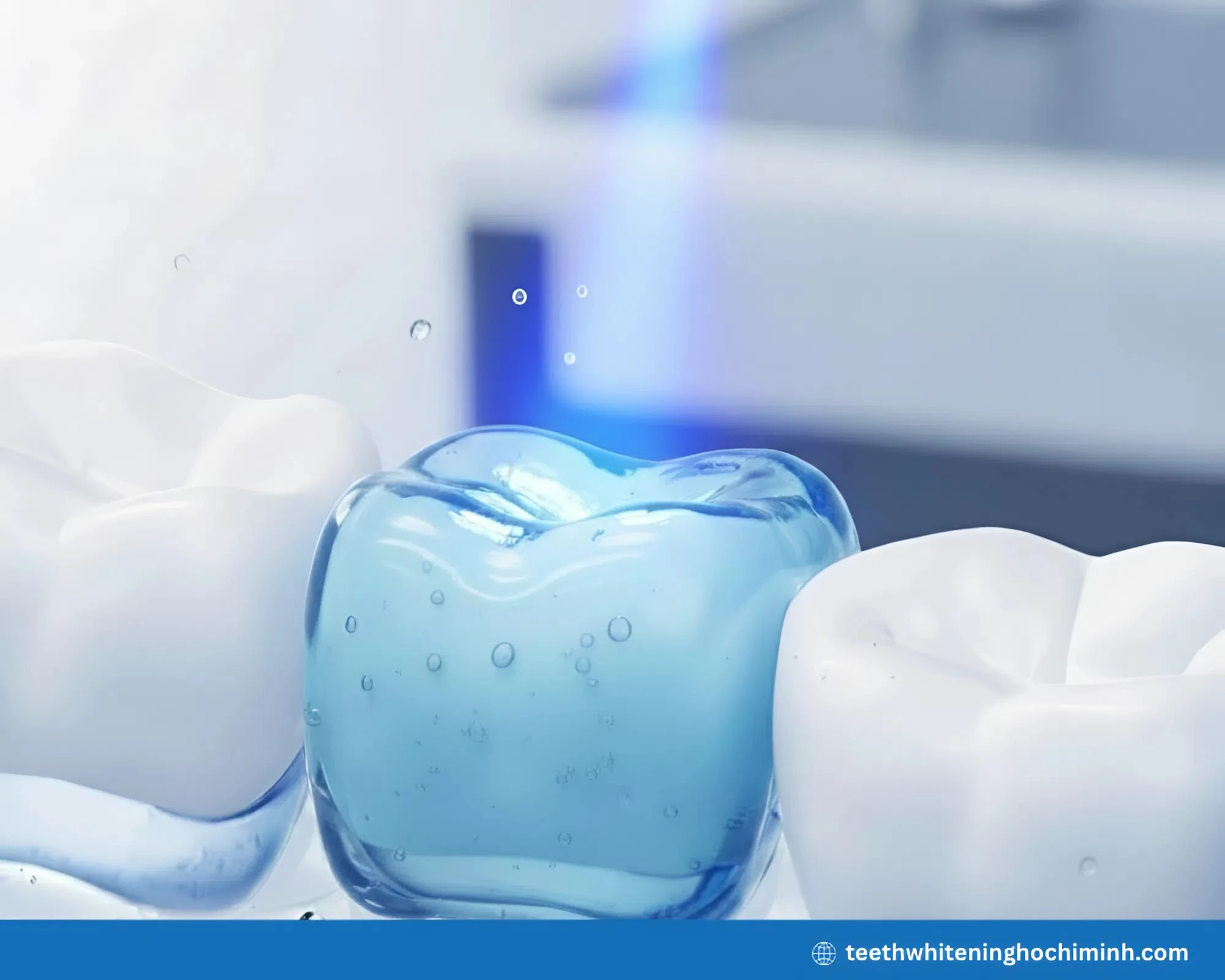
Professional teeth whitening bleach contains active ingredients that penetrate tooth enamel to break down stains at a molecular level. The two primary bleaching agents used in dental practices are hydrogen peroxide and carbamide peroxide.
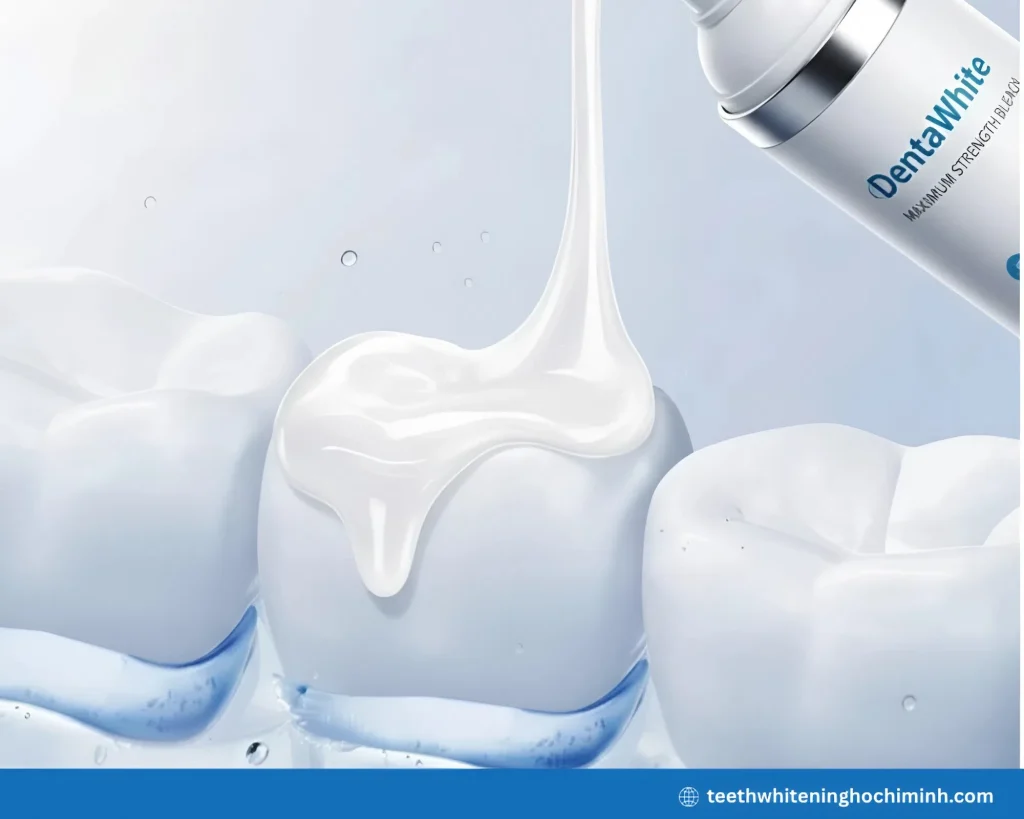
Hydrogen peroxide: acts quickly and is typically used in concentrations ranging from 15% to 40% for in-office treatments.
Carbamide peroxide: breaks down into hydrogen peroxide and urea, working more gradually, which makes it suitable for take-home applications at concentrations between 10% and 35%.
What dentists look for in professional whitening products
Dental professionals evaluate whitening bleach based on several critical factors that ensure both safety and effectiveness for their patients.
Concentration and pH balance
The best teeth whitening bleach maintains an optimal pH level between 5.5 and 7.0 to minimize enamel softening while maximizing whitening efficacy. Products with proper pH buffering protect tooth structure during the oxidation process.
Concentration strength determines treatment duration and results. Higher concentrations (35-40%) deliver faster results in clinical settings but require professional supervision. Lower concentrations (10-20%) work gradually and are deemed suitable for at-home use under dental guidance.
Safety profile and sensitivity management
Top-rated professional whitening systems incorporate desensitizing agents such as potassium nitrate or fluoride. These components help manage temporary sensitivity that some patients experience during treatment.
Dentists also prioritize products with:
- Stable formulations that maintain potency without degrading prematurely
- Delivery systems that minimize gum tissue contact
- Evidence-based research supporting safety claims
- FDA compliance and ADA Seal of Acceptance where applicable
In-office professional teeth whitening systems
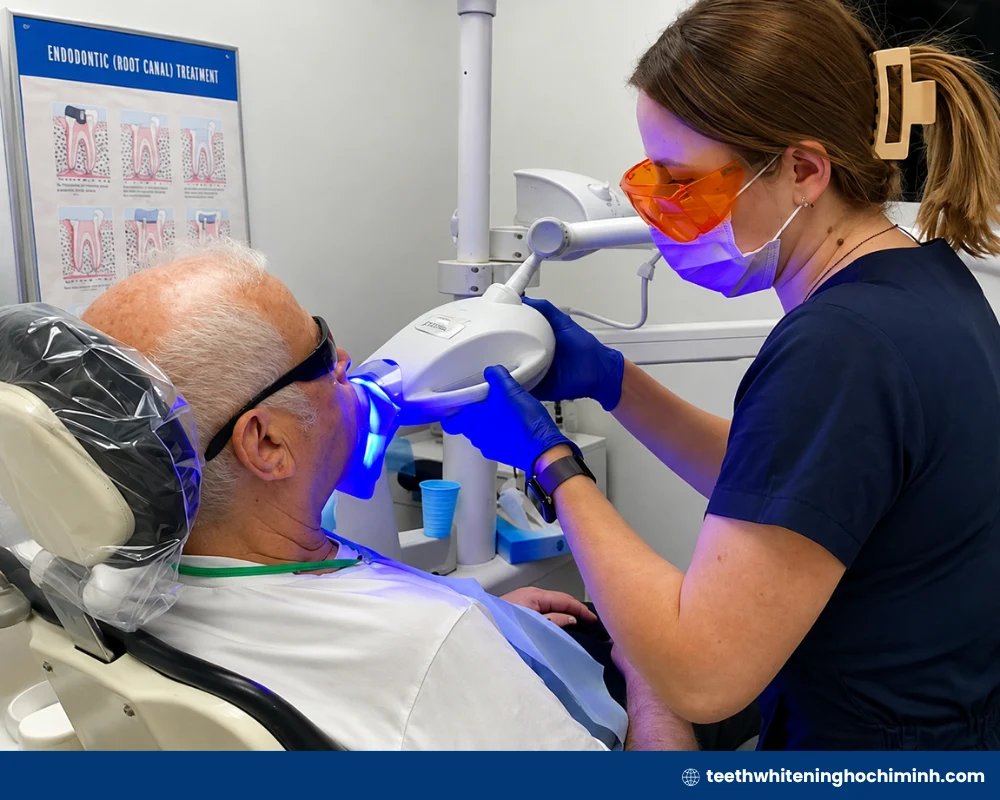
Dental clinics typically offer the most concentrated teeth whitening treatments, delivering dramatic results in single appointments lasting 60 to 90 minutes.
Power bleaching protocols
Professional power bleaching uses high-concentration hydrogen peroxide (25-40%) with protective barriers applied to gum tissue. This is one of the most effective in-office teeth whitening methods for patients seeking immediate, dramatic results.
- Application of protective resin to gums
- Multiple rounds of bleaching gel application (15-20 minutes each)
- Optional light activation to accelerate the process
- Administering fluoride after dental treatment
Laser-activated treatments
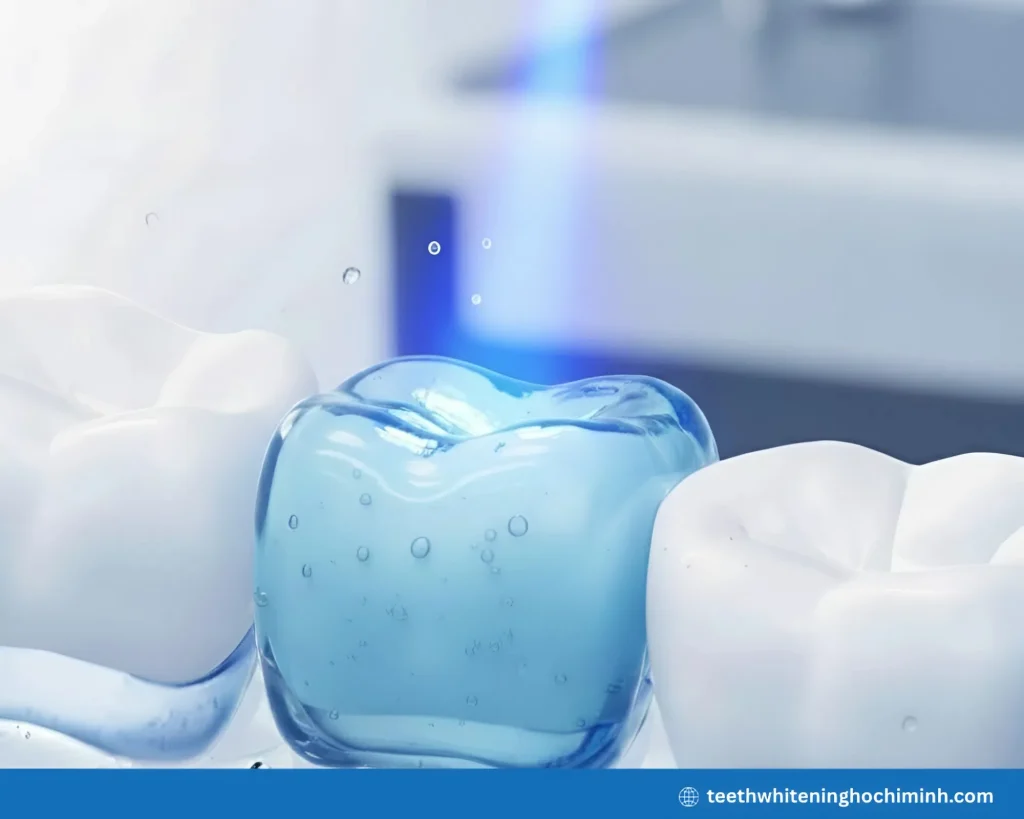
Some practices incorporate laser teeth whitening or LED technology to enhance bleaching efficiency. Modern laser teeth whitening offer advanced activation methods that work synergistically with professional-grade bleach.
Comparing professional versus over-the-counter options
The best teeth whitening bleach available through dental professionals differs significantly from retail products in several key aspects.
Concentration strength: Dental-grade products contain 2-10 times more active bleaching agent than store-bought alternatives, which are legally limited to lower concentrations for safety reasons.
Customization: Professional treatments account for individual tooth color, existing dental work, and sensitivity levels. Dentists can adjust concentrations and protocols accordingly.
Supervision: Regular monitoring ensures treatments progress safely without causing damage to teeth or soft tissue.
Results longevity: Professional whitening typically lasts 1-3 years with proper maintenance, while over the counter teeth whitening products may require more frequent reapplication.
Safety guidelines and conditions in which treatment is not recommended
Professional teeth whitening bleach is safe when used correctly, but certain conditions require careful evaluation.
When to avoid bleaching?
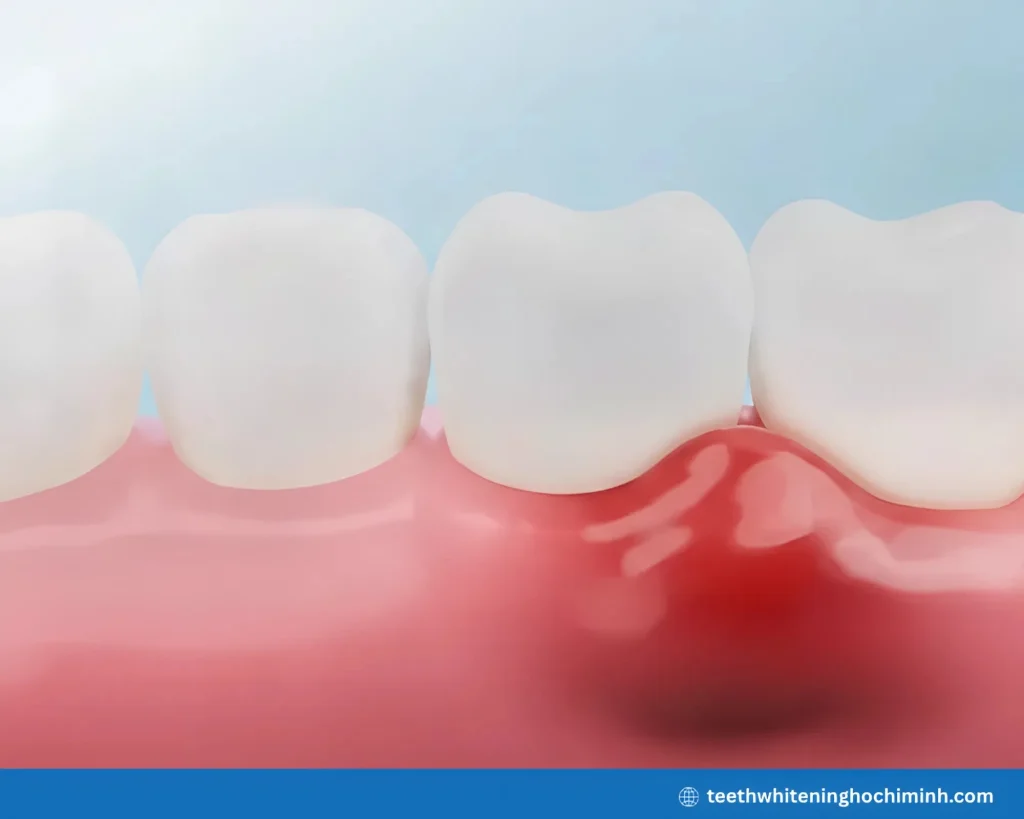
Dentists do not recommend whitening treatments for patients with:
- Extensive tooth decay or exposed root surfaces
- Severe gum disease
- Severe tooth sensitivity to hot and cold
- Pregnancy or breastfeeding
- Hypersensitivity to peroxide chemicals
- Excessive enamel wear or thin enamel
Managing side effects
Temporary sensitivity affects approximately 60% of patients but typically resolves within 48 hours after treatment. Dentists recommend:
- Applying desensitizing toothpaste daily for one week before treatment
- Reducing treatment frequency if discomfort occurs
- Using fluoride gel to help strengthen tooth enamel
- Refraining from consuming very hot or cold foods throughout the treatment
Cost considerations
Professional treatments represent an investment in dental aesthetics with varying price points.
In-office treatments: Single sessions typically range from $500-$1,000 depending on geographic location and specific technology used. Popular branded systems like Zoom teeth whitening may cost more but offer standardized protocols and brand recognition.
Professional take-home kits: Custom tray systems cost between $300-$600, including initial supply of bleaching gel. Refill syringes cost $20-$50 each.
Value assessment: While professional treatments cost more upfront, they deliver superior results that last longer than repeated purchases of retail products. Many patients find professional whitening more cost-effective long-term.
Different whitening methods patients can consider
Beyond traditional peroxide-based bleach, emerging technologies offer additional options for patients with specific needs or preferences.
Non-peroxide systems
Some professional whitening products use alternative active ingredients like phthalimidoperoxycaproic acid (PAP). These newer formulations may cause less sensitivity in some patients, though research on long-term efficacy continues.
Combination therapies
Progressive dental practices combine whitening bleach with other cosmetic treatments:
- Microabrasion for surface stain removal before bleaching
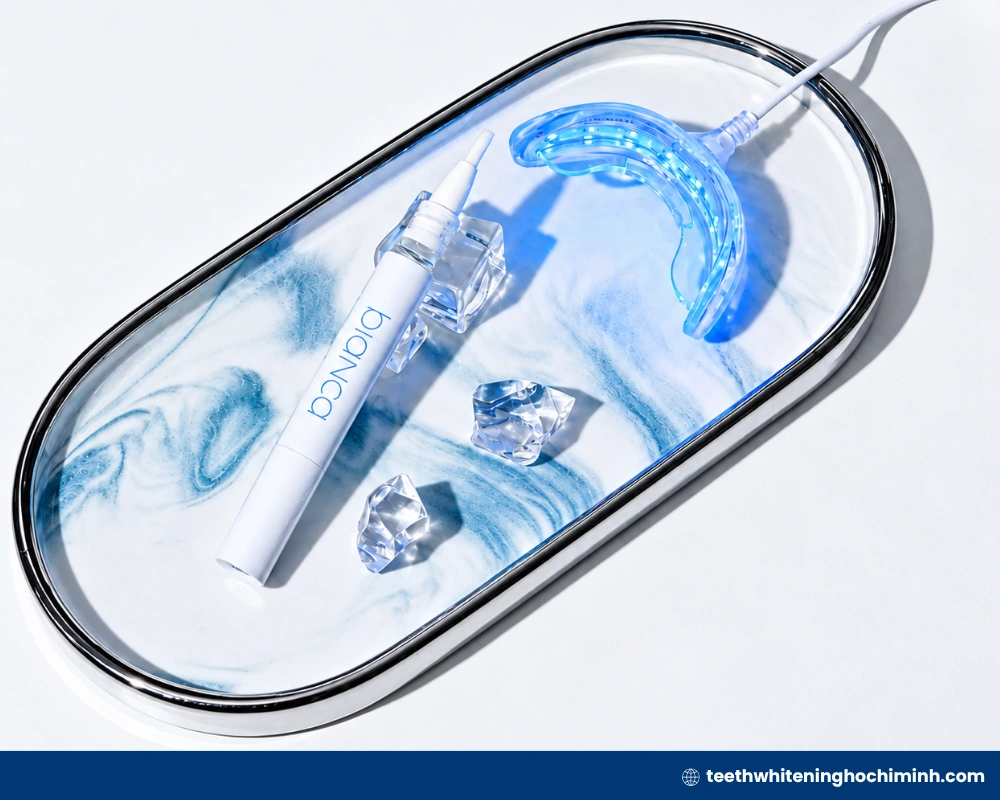
- LED teeth whitening technology to accelerate bleach activation
- Bonding or veneers for teeth that don’t respond to whitening
- Gum contouring to improve the balance and aesthetics of your smile
FAQ – Frequently asked questions
What is teeth whitening bleach?
Is a professional dental treatment using hydrogen peroxide or carbamide peroxide to remove stains and lighten tooth color through chemical oxidation.
Where can I get professional teeth whitening treatment?
Professional bleach is available at licensed dental clinics, with platforms like teethwhiteninghochiminh.com connecting patients to qualified cosmetic dentists in Vietnam.
Why choose professional bleach over store-bought products?
Professional bleach contains higher concentrations of active ingredients and includes customized application under dental supervision, delivering superior and longer-lasting results.
What is the best teeth whitening bleach for sensitive teeth?
Typically contains lower peroxide concentrations (10-16% carbamide peroxide) with added desensitizing agents like potassium nitrate.
How long do teeth whitening bleach results last?
Professional bleach results typically last 1-3 years with proper maintenance, though touch-up treatments may extend longevity.
How does teeth whitening bleach work?
Releases oxygen molecules that penetrate enamel to break down chromogen compounds causing discoloration, making teeth appear lighter without damaging tooth structure.
What concentration of bleach do dentists use?
Dentists use hydrogen peroxide concentrations of 15-40% for in-office treatments and carbamide peroxide concentrations of 10-35% for take-home applications.
How often should I use professional whitening bleach?
Initial treatment spans 10-14 days for take-home systems or 1-3 office visits, with touch-ups recommended 2-4 times annually to maintain results.
What are the side effects of teeth whitening bleach?
The most common side effect is temporary tooth sensitivity affecting approximately 60% of patients, which typically resolves within 48 hours after treatment completion.
Conclusion
Professional teeth whitening bleach remains the most effective method for achieving a brighter, more confident smile when administered under proper dental supervision. Understanding the differences between professional-grade treatments and over-the-counter alternatives empowers patients to make informed decisions about their oral aesthetics.
For those seeking quality whitening services with international standards, Teeth Whitening Ho Chi Minh provides access to experienced dental professionals who utilize proven teeth whitening bleach systems tailored to individual needs. With appropriate care and maintenance, professional whitening delivers lasting results that enhance both appearance and self-confidence.