Dental fluorosis presents unique challenges when pursuing a brighter smile. Teeth Whitening in Ho Chi Minh City provides this comprehensive guide to explore proven treatment options for those seeking effective fluorosis teeth whitening solutions that deliver real results.
How fluorosis differs from regular tooth discoloration
| Feature | Regular Stains | Fluorosis Stains |
| Location | Surface layer | Deep in enamel |
| Pattern | Uniform yellowing | Spotty or streaky |
| Cause | External factors | Developmental condition |
| Treatment Response | Quick improvement | Requires specialized care |
Dental fluorosis teeth whitening requires specialized approaches because the severity determines which method will work best. Mild cases may respond to professional bleaching, while moderate to severe fluorosis often requires alternative treatments. When patients seek solutions, dentists must first evaluate the extent of enamel damage.
Method 1: Professional in-office fluorosis teeth whitening
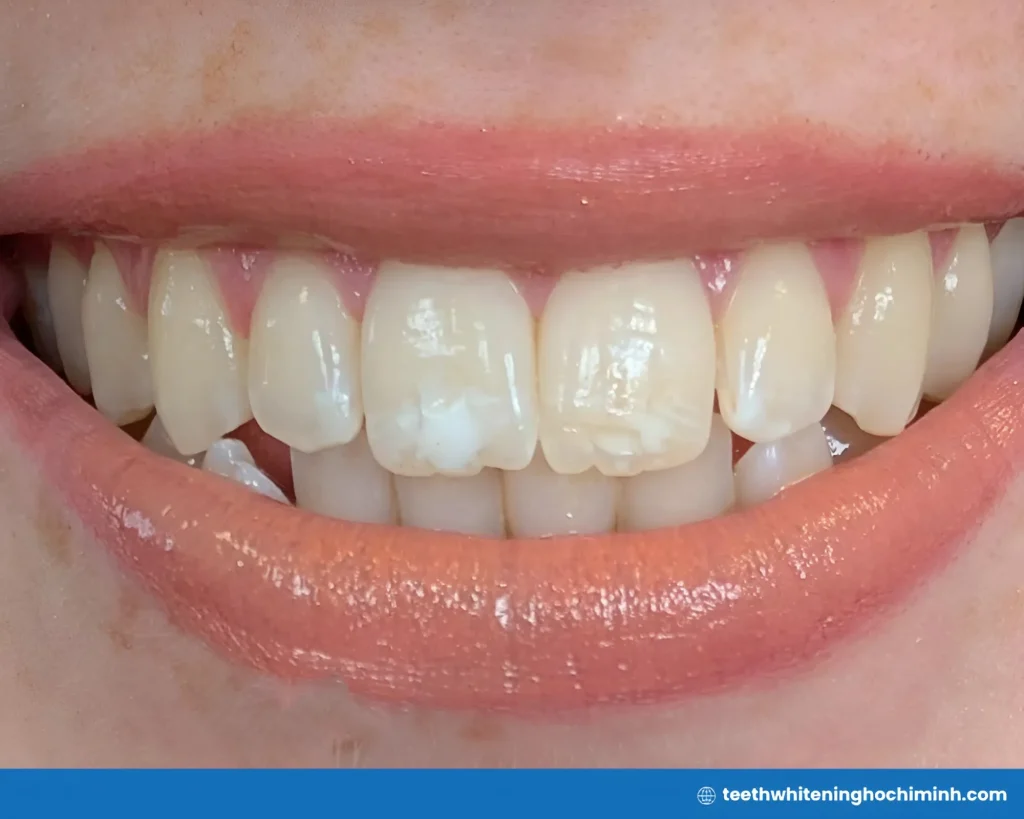
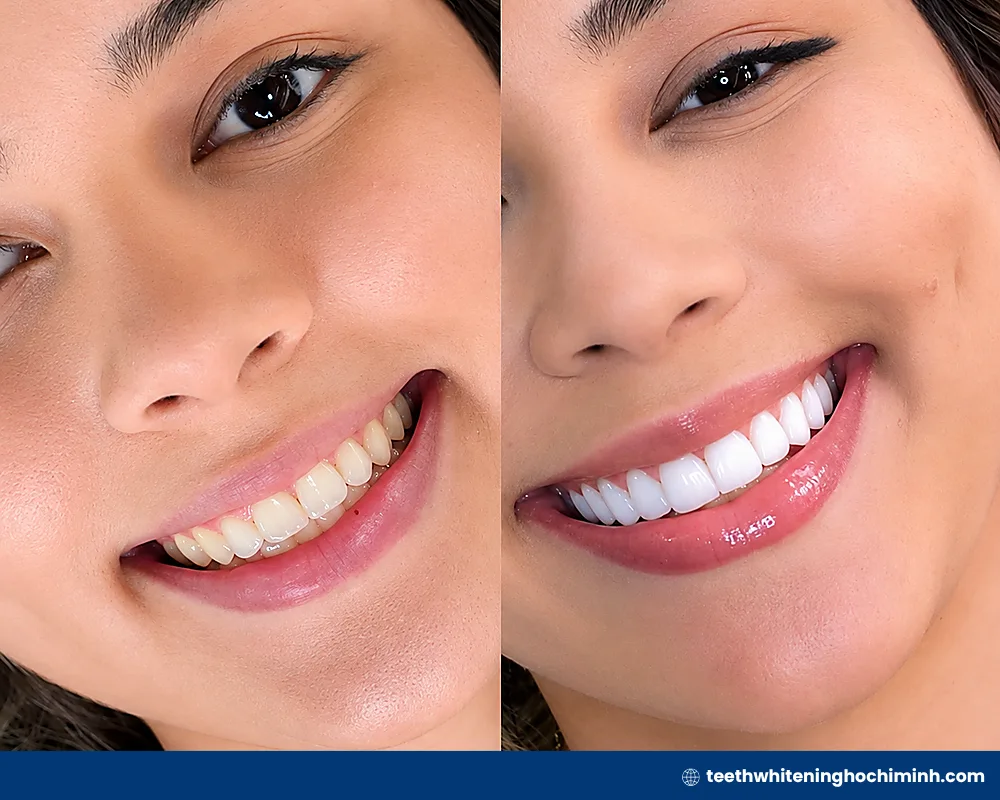
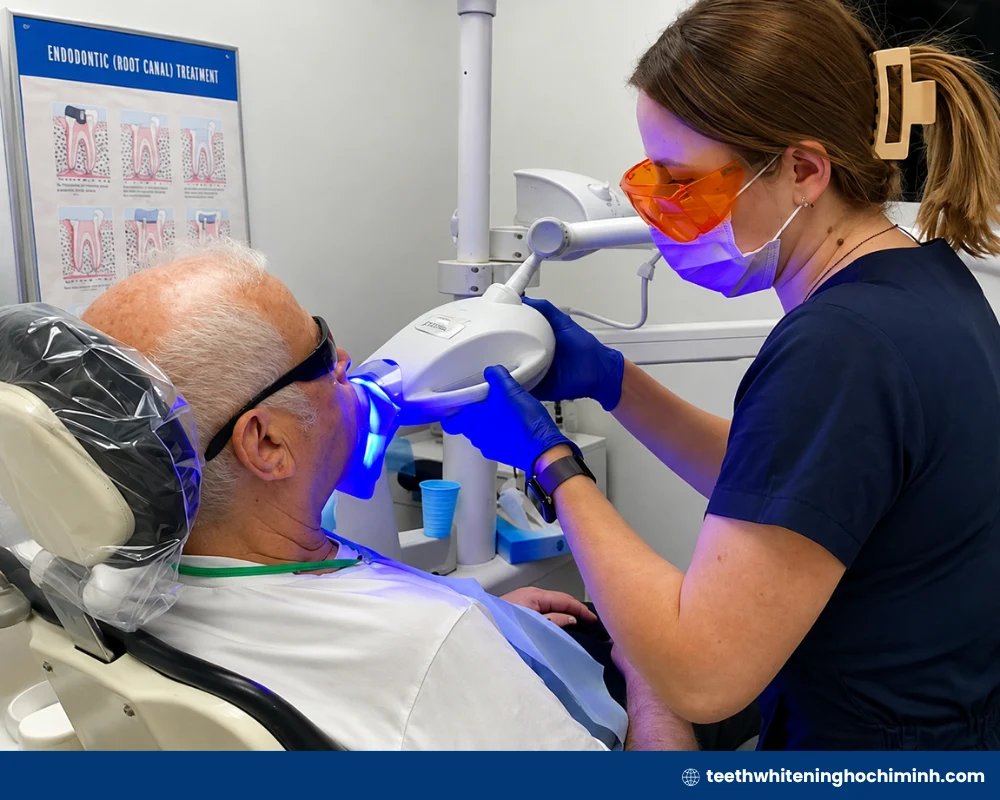
Professional teeth whitening treatments remain the first choice for many patients seeking fluorosis teeth whitening. Dentists use 25-40% hydrogen peroxide concentrations, significantly stronger than over-the-counter products.
The procedure involves protective barriers applied to gums, gel application for 15-20 minute intervals and light activation to enhance penetration. Multiple sessions scheduled 1-2 weeks apart typically produce optimal results.
Expected outcomes for fluorosis and teeth whitening:
- Mild fluorosis: 60-70% improvement in appearance
- Moderate fluorosis: 30-50% improvement
- Severe fluorosis: Limited improvement without additional procedures
Some practices prefer carbamide peroxide, which breaks down into hydrogen peroxide more slowly. This gentler approach reduces sensitivity, a common concern when treating teeth with enamel defects.
Method 2: Custom take-home whitening trays
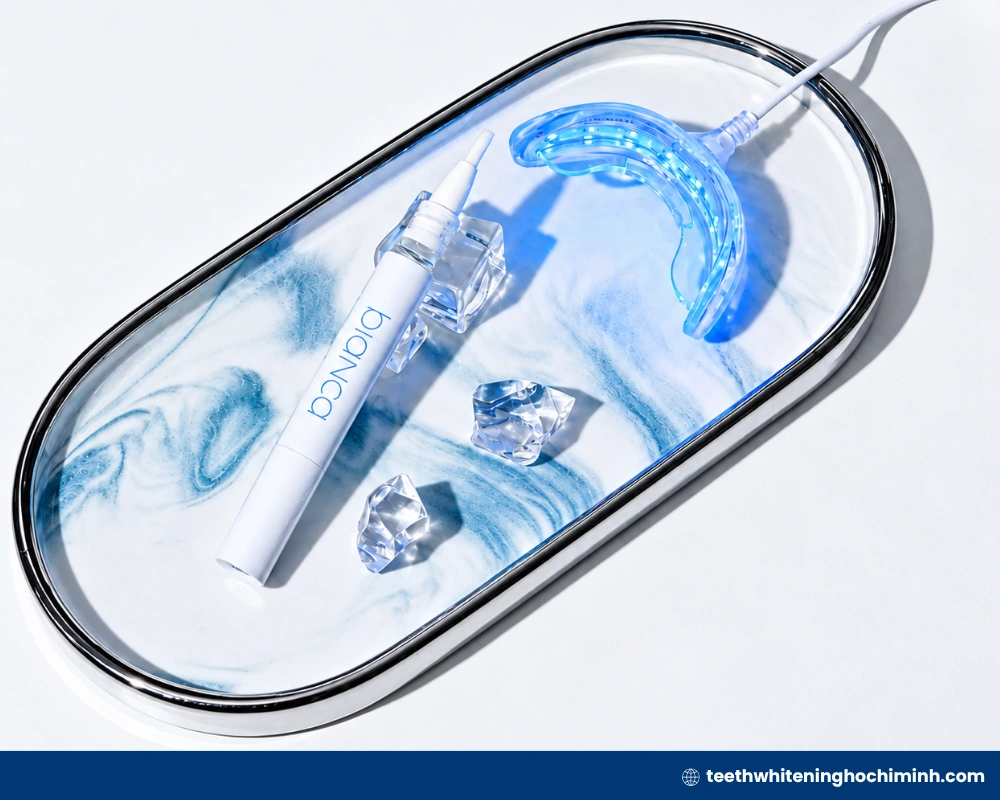
Teeth whitening with fluorosis benefits from controlled, gradual treatment. Custom made teeth whitening trays allow patients to manage the process at home under professional supervision.
Dentists create precise molds ensuring the whitening gel contacts all surfaces evenly. The prescription-strength formula (10-20% carbamide peroxide) penetrates enamel over extended wear periods of 2-4 hours daily or overnight for 2-6 weeks.
This best teeth whitening for fluorosis approach provides controlled application that reduces risk of uneven results. When patients choose custom trays for fluorosis teeth whitening, they gain lower concentrations that minimize sensitivity and cost-effectiveness compared to multiple in-office sessions.
Method 3: Microabrasion combined
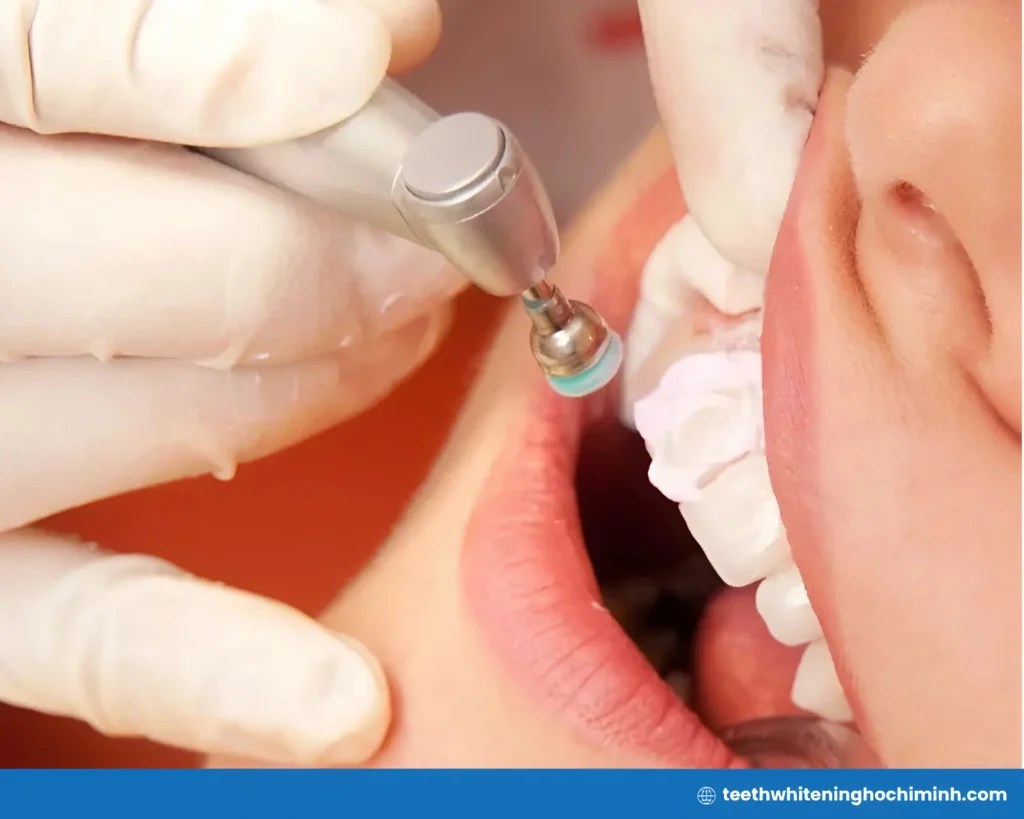
The best teeth whitening for fluorosis often involves removing the affected enamel layer before bleaching. When dentists combine microabrasion with treatments, they mechanically eliminate surface defects, creating a better foundation for subsequent whitening.
This minimally invasive procedure removes approximately 100-200 micrometers of enamel using an acidic abrasive compound. The dentist applies a mixture of hydrochloric acid and pumice, polishing teeth in circular motions for several minutes.
Following microabrasion, professional bleaching treatments show dramatically improved effectiveness. Success rates vary by severity: superficial fluorosis sees 80-90% stain removal, mild to moderate cases achieve 50-70% improvement, while deep staining shows 20-40% improvement.
Recovery takes 24-48 hours with temporary sensitivity. Most patients report satisfaction with the natural-looking results achieved through this combination approach for dental fluorosis teeth whitening.
Method 4: Porcelain veneers for advanced fluorosis teeth whitening
When traditional methods prove insufficient, veneers offer a permanent solution. This option suits patients with severe fluorosis seeking immediate, dramatic transformation.
The procedure requires two to three appointments. Initial consultation includes digital imaging and treatment planning. The preparation visit involves removal of 0.5-0.7mm of enamel, detailed impressions or digital scans and temporary veneer placement. Final placement involves checking custom veneers for fit, permanent bonding and bite adjustments.
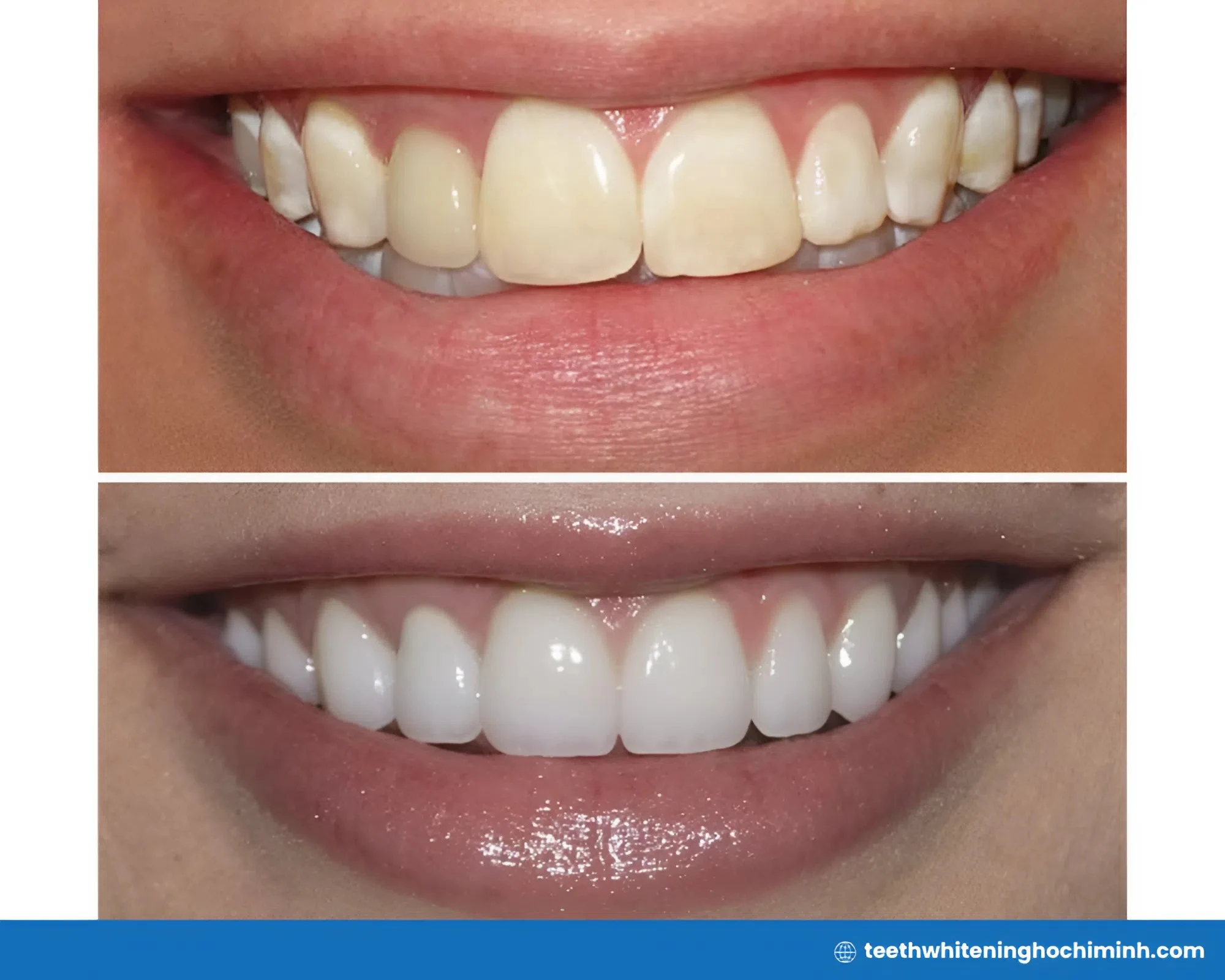
Veneers last 10-15 years with proper maintenance and resist staining better than natural enamel. The investment ranges from $925-$2,500 per tooth. They provide immediate results regardless of fluorosis severity, predictable uniform appearance and address shape and alignment issues simultaneously.
Method 5: Composite bonding as fluorosis teeth whitening alternative
Composite resin bonding provides a conservative alternative when specific teeth require correction. Many patients discover that this fluorosis teeth whitening method works exceptionally well for patchy fluorosis after teeth whitening that doesn’t respond to bleaching alone.
Dentists apply tooth-colored composite resin directly to affected areas through light enamel etching, conditioning liquid application, resin layering and shaping, UV light hardening and final polishing. The entire process takes 30-60 minutes per tooth without anesthesia in most cases.
This approach excels for isolated white or brown spots from fluorosis, patients with limited budgets, those desiring to preserve maximum natural tooth structure and situations requiring quick same-day results. Bonding lasts 3-7 years before requiring touch-ups, with costs ranging from $300-$600 per tooth.
Comparing treatment options
Selecting the optimal method requires understanding each approach’s strengths and limitations.
| Treatment | Best For | Duration | Cost Range | Longevity |
| Professional Whitening | Mild fluorosis | 1-3 visits | $300-$1,000 | 6-12 months |
| Custom Trays | Mild-moderate cases | 2-6 weeks | $200-$500 | 6-12 months |
| Microabrasion + Whitening | Surface staining | 1-2 visits | $300-$900 | Permanent removal |
| Veneers | Severe fluorosis | 2-3 visits | $925-$2,500/tooth | 10-15 years |
| Bonding | Isolated spots | 1 visit | $300-$600/tooth | 3-7 years |
Post-treatment care for fluorosis teeth whitening
Maintaining results after fluorosis teeth whitening requires consistent effort. Successful extends beyond the initial treatment through proper maintenance.
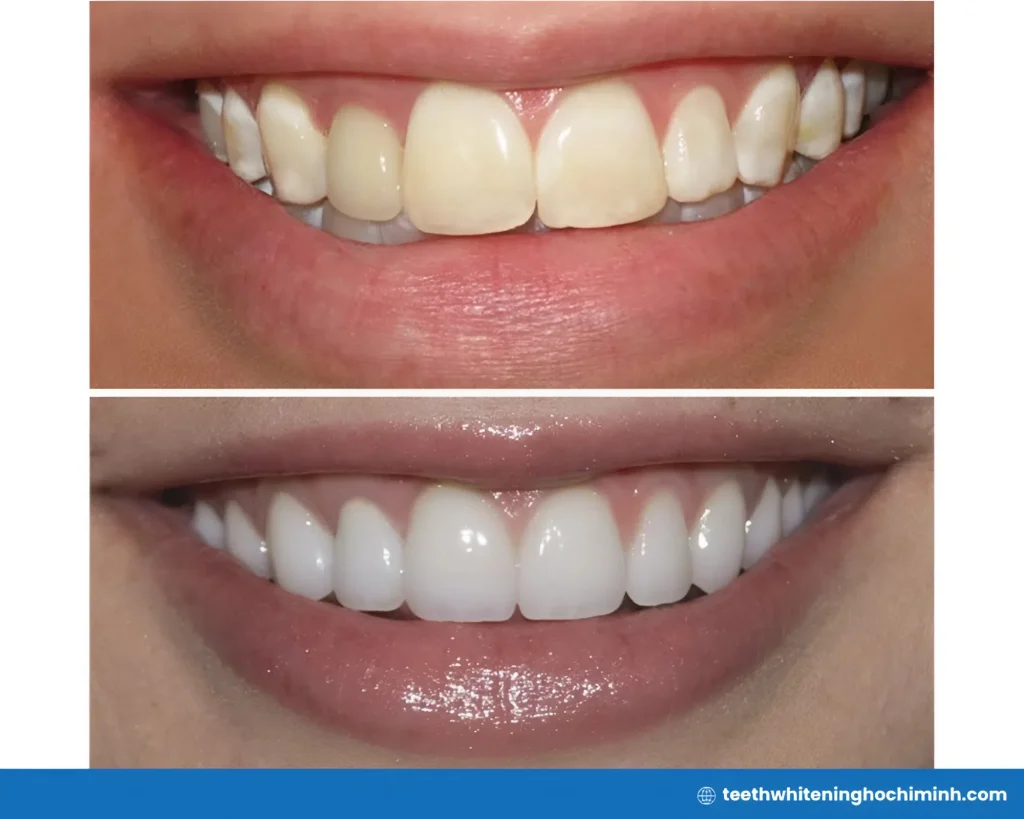
Immediate aftercare during the first 48 hours
Follow the “white diet” by avoiding coffee, tea, red wine, berries, dark-colored fruits, tomato-based sauces and chocolate. Consume plain chicken, white fish, rice, bananas, milk and cauliflower during this critical period.
Long-term maintenance
Daily habits include brushing twice with fluoride toothpaste, thorough evening flossing, rinsing with water after staining foods and using straws for colored beverages. Professional maintenance for fluorosis teeth whitening involves dental cleanings every six months, touch-up whitening treatments annually and regular examinations to ensure continued success.
Most patients need periodic reinforcement to maintain their results: at-home tray users require 2-3 day treatments every 4-6 months, while in-office patients need single sessions annually.
Managing expectations regarding results and costs
Complete stain removal isn’t always achievable with fluorosis teeth whitening, especially with moderate to severe fluorosis. Mild fluorosis typically sees white spots fade 60-80%, moderate cases experience brown stains lightening 40-60%. While severe fluorosis may require restorative options for best results.
Most dental insurance classifies whitening as cosmetic, offering no coverage. Microabrasion may receive partial coverage as a necessary procedure. Many practices offer in-house financing with monthly payments, third-party medical credit options and package pricing that bundles multiple treatments for reduced costs.
Frequently asked questions
What is fluorosis teeth whitening?
Fluorosis teeth whitening refers to specialized dental treatments designed to reduce white spots, brown stains and discoloration caused by dental fluorosis through bleaching, microabrasion, or restorative procedures.
Can fluorosis stains be removed completely?
Mild fluorosis stains can often be reduced by 60-80% with professional whitening, while moderate to severe cases may require microabrasion, bonding, or veneers for significant improvement.
How long does teeth whitening with fluorosis take?
Treatment duration varies from single-visit procedures like bonding (30-60 minutes) to multi-week protocols with custom trays (2-6 weeks) depending on fluorosis severity.
Why doesn’t regular whitening work on fluorosis?
Regular whitening targets surface stains while fluorosis affects enamel structure deep within the tooth, requiring specialized approaches that address both internal discoloration and structural defects.
What is the best teeth whitening for fluorosis?
The best approach depends on severity: mild cases respond well to professional bleaching, moderate fluorosis benefits from microabrasion combined with whitening and severe cases often require veneers.
How much does fluorosis teeth whitening cost?
Costs range from $200-$500 for custom trays to $925-$2,500 per tooth for veneers, with most professional whitening treatments falling between $300-$1,000 per session.
Will teeth remain white after fluorosis treatment?
Results last 6-12 months with bleaching, 3-7 years with bonding and 10-15 years with veneers, requiring periodic maintenance and good oral hygiene habits.
Does insurance cover dental fluorosis teeth whitening?
Most insurance considers whitening cosmetic and provides no coverage, though microabrasion and restorative procedures may receive partial coverage if deemed medically necessary.
Can I whiten fluorosis teeth at home?
Professional supervision is strongly recommended for fluorosis cases, though custom trays provided by dentists allow safe at-home treatment under proper guidance.
What happens to fluorosis after teeth whitening?
The structural defects of fluorosis remain, but visible discoloration improves significantly, creating a more uniform appearance even if complete elimination isn’t achieved.
Conclusion
Fluorosis teeth whitening success depends on choosing the right treatment for your specific situation. Teeth whitening in Ho Chi Minh Vietnam recognizes that each case requires individualized assessment and customized approaches for optimal results.
Professional consultation remains the critical first step. Dentists evaluate fluorosis severity, discuss realistic outcomes and recommend treatments matching your goals and budget. Many patients achieve dramatic improvements through combinations of the methods outlined in this guide.
Modern dentistry offers multiple effective solutions for fluorosis teeth whitening. From simple professional bleaching for mild cases to comprehensive restorative work for severe fluorosis. With proper treatment selection and ongoing maintenance, exceptional results are achievable. Schedule a consultation with an experienced cosmetic dentist to explore which approach best suits your needs through Teeth Whitening in Ho Chi Minh City’s trusted network of dental professionals.