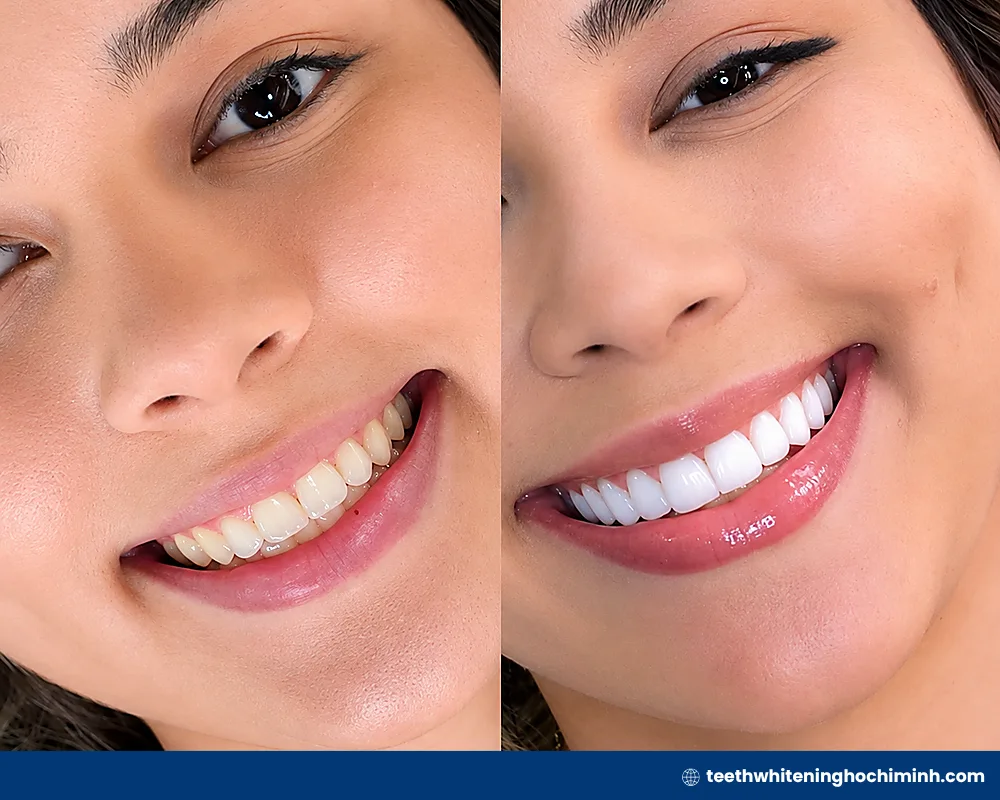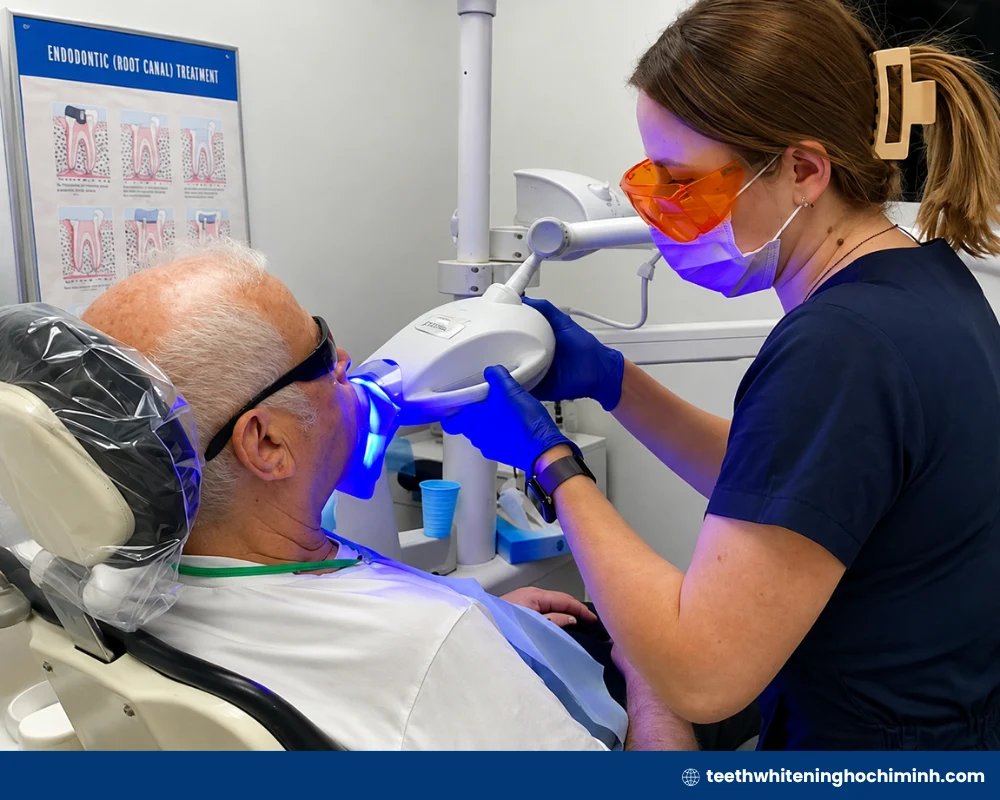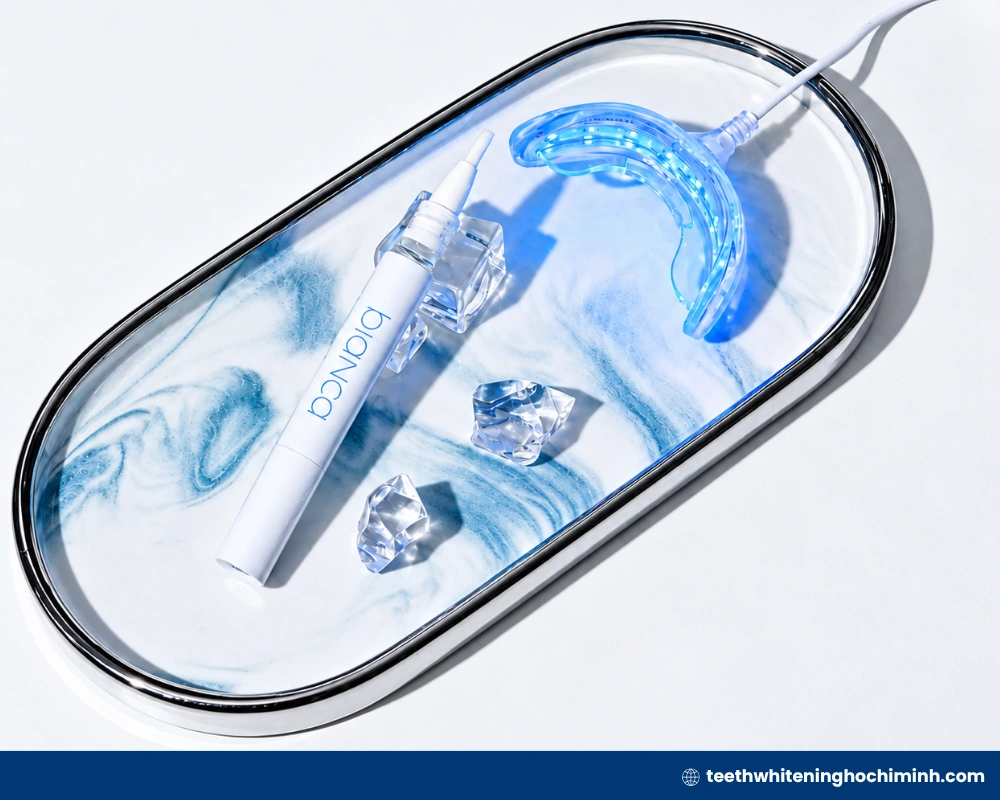
Philips Zoom teeth whitening is one of the most recognized professional whitening systems in cosmetic dentistry. This review breaks down how it works, what real patients experience, how it compares to alternatives and whether it delivers value for expats and visitors seeking dental treatment in Ho Chi Minh City in 2026.
What Philips Zoom teeth whitening is?
Many patients ask what is Philips Zoom teeth whitening before their first consultation. In short, it is a professional-grade bleaching system used in dental clinics worldwide. Commonly searched as phillips zoom teeth whitening or zoom teeth whitening phillips, the system is manufactured by Philips Oral Healthcare and available in two main formats. An in-office treatment called WhiteSpeed and a range of dentist-prescribed take-home kits.
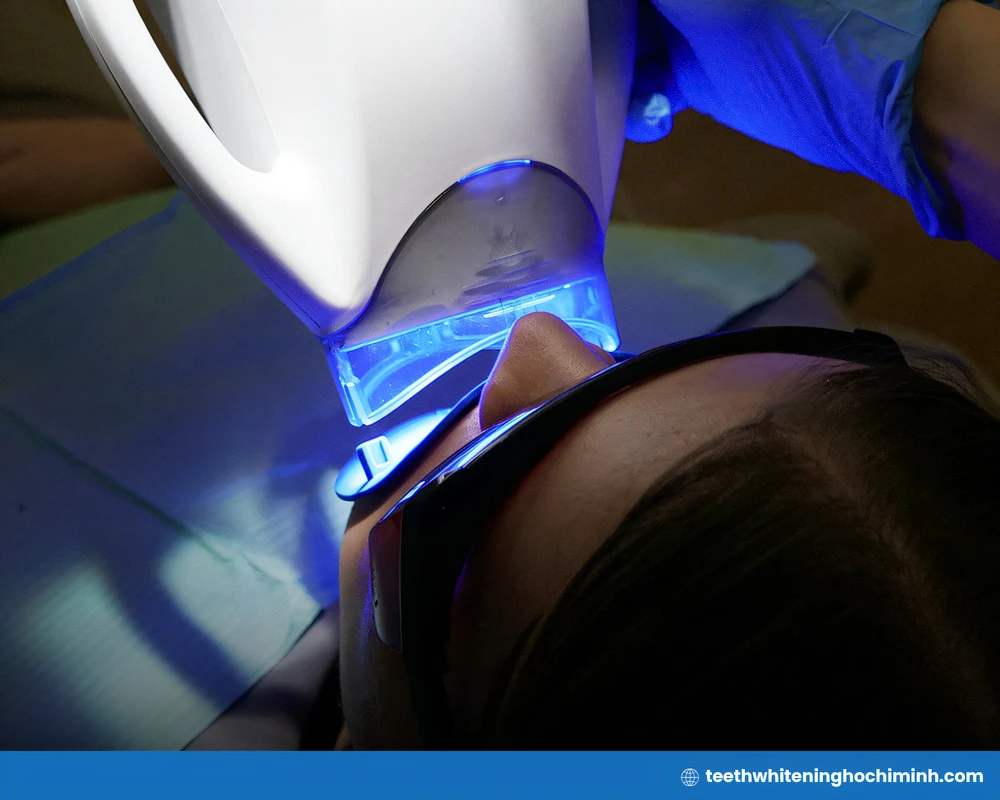
The Philips Zoom WhiteSpeed session takes 45 minutes to one hour and delivers visible results within a single appointment. It has been one of the most widely used professional whitening systems globally for well over a decade.
How Philips Zoom professional teeth whitening works?
The process Philips Zoom teeth whitening relies on hydrogen peroxide oxidation accelerated by a purpose-built LED lamp. Here is what happens during a typical in-office session:
| Stage | What happens |
| Pre-screening | Shade check and oral health screening |
| Gum protection | Barriers applied to lips and gums |
| Gel application | 25% hydrogen peroxide gel placed on teeth |
| Light activation | Blue LED lamp activates gel for ~15 minutes |
| Cycle repeat | Process repeated 3-4 times with fresh gel |
| Post-care | Desensitizing fluoride gel applied |
A 25% hydrogen peroxide gel is applied to the enamel and activated by an LED lamp that speeds up stain breakdown. Philips Zoom WhiteSpeed showed 55% better results with its 25% HP light-activated gel versus a competitor’s 40% HP gel – meaning higher peroxide concentration alone does not determine the outcome. The LED activation is a key differentiator.
Understanding how teeth whitening zoom Philips functions at the chemical level helps patients set realistic expectations. The reason zoom teeth whitening Philips consistently outperforms OTC strips and trays comes down to two factors: professional-strength gel concentration and the light-activation technology that accelerates the entire process.
Philips Zoom teeth whitening reviews by patients 2026
Does Philips Zoom teeth whitening actually work? The short answer is yes – but results depend on the type and depth of staining. Documented outcomes show six to eight shades of improvement per session, with satisfaction rates high among patients who follow pre- and post-care instructions. Temporary sensitivity is the most commonly mentioned drawback.
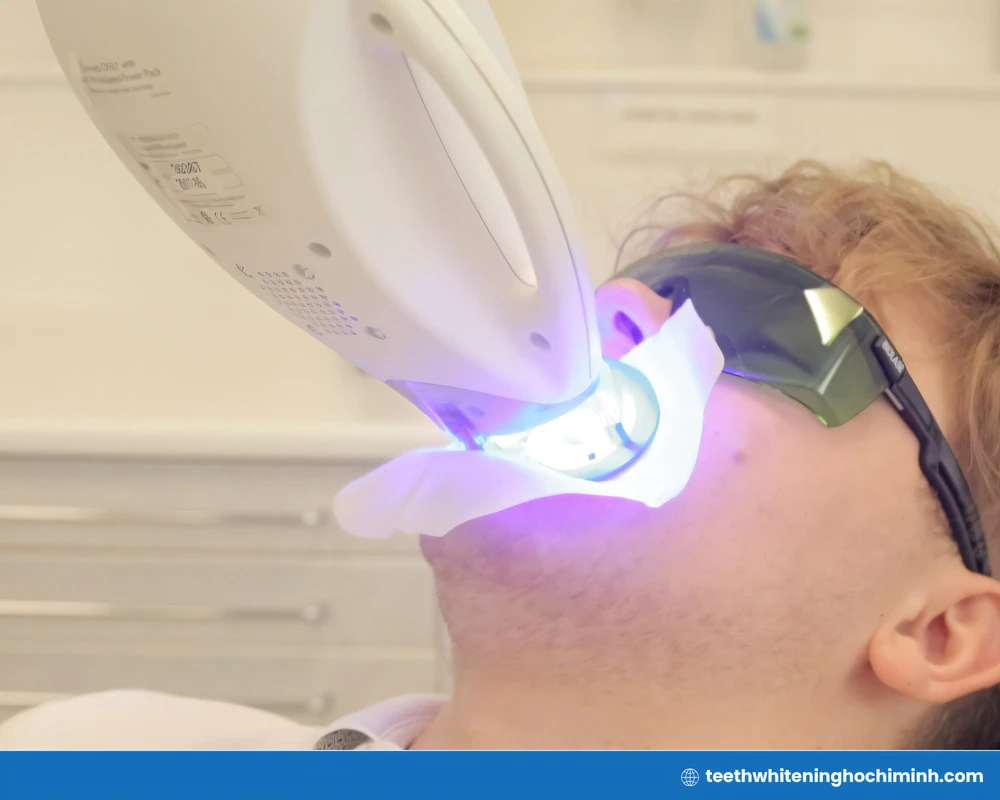
Several points come up consistently in patient reviews
Patient feedback collected across review platforms reveals a consistent pattern:
- Whitening is noticeable before leaving the clinic
- Natural-looking whitening rather than an artificial, overly bleached appearance
- Post-treatment sensitivity clears up within one to two days for most patients
- Longer-lasting outcomes when take-home maintenance kits are used post-treatment
The final colour tends to look natural rather than stark white, unlike many over-the-counter options. Patients who combine in-office Zoom teeth whitening with maintenance routines often retain results longer.
Where zoom falls short?
It is worth noting that zoom teeth whitening by Philips performs best on yellow and light-brown extrinsic stains caused by coffee, tea, red wine and aging. Grey or tetracycline staining tends to respond more slowly and may require multiple sessions.
Across platforms, philip zoom teeth whitening reviews and philips teeth whitening zoom reviews consistently point to the same conclusion: in-office sessions deliver the most dramatic single-visit improvement, while take-home kits extend and maintain those gains over time.
Philips Zoom teeth whitening vs. competing systems
A common question patients raise is whether Philips Zoom is the best teeth whitening option currently available. It is among the most clinically validated choices – but “best” depends on individual needs.
Strengths of Philips Zoom teeth whitening
- Speed – up to 8 shades lighter in one visit
- Philips is the only whitening brand that includes Amorphous Calcium Phosphate (ACP), Fluoride and Potassium Nitrate for a healthier whitening approach
- Widely available at certified clinics globally, including in Ho Chi Minh City
- 99% of patients surveyed experienced little to no sensitivity during the Philips Zoom WhiteSpeed treatment
Where competitors catch up?
- Opalescence Boost activates through a chemical reaction alone – no LED or lamp needed. While Zoom’s light contributes to a faster in-office session, clinical studies suggest both systems achieve comparable overall whitening outcomes in terms of shade improvement.
- Opalescence tends to cost slightly less at many clinics
- Some patients with existing sensitivity find lower-concentration take-home systems gentler
For most patients, zoom Philips teeth whitening is an excellent choice when speed and convenience matter. Provided the clinic uses certified equipment and trained staff.
Philips Zoom teeth whitening in-office vs. at-home kits
Zoom professional teeth whitening is available in both clinic-based and home-use formats. The better option comes down to how quickly results are needed and what the patient is prepared to spend.
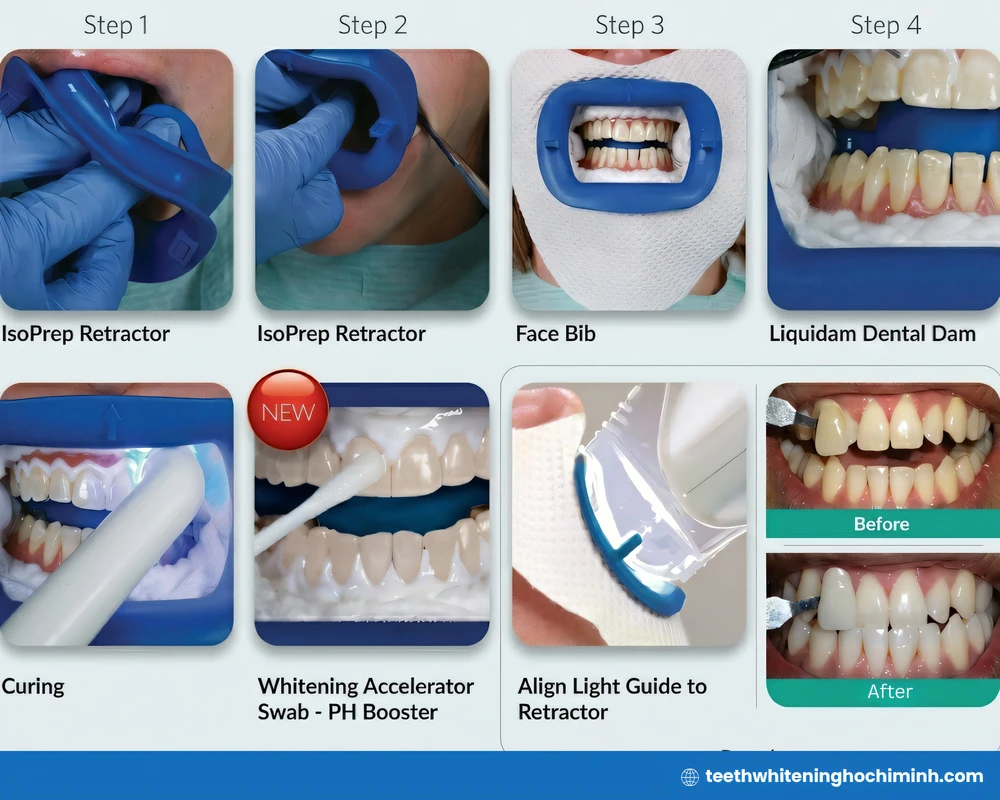
With the Philips Zoom Teeth Whitening chair-side procedure, patients can achieve up to 6 shades whiter in one hour. With Philips Zoom take-home kits, results are not as instant, but visibly whiter teeth appear within 3 days with full results after 2 weeks.
In-office whitespeed
In-office WhiteSpeed is the obvious choice for anyone working against a deadline – a wedding, a job interview, or simply a short stay in the city. One session is enough for most patients with moderate staining. The procedure runs under direct supervision, with gum protection, multiple gel cycles and a post-treatment desensitizing application included as standard.
Take-home kits
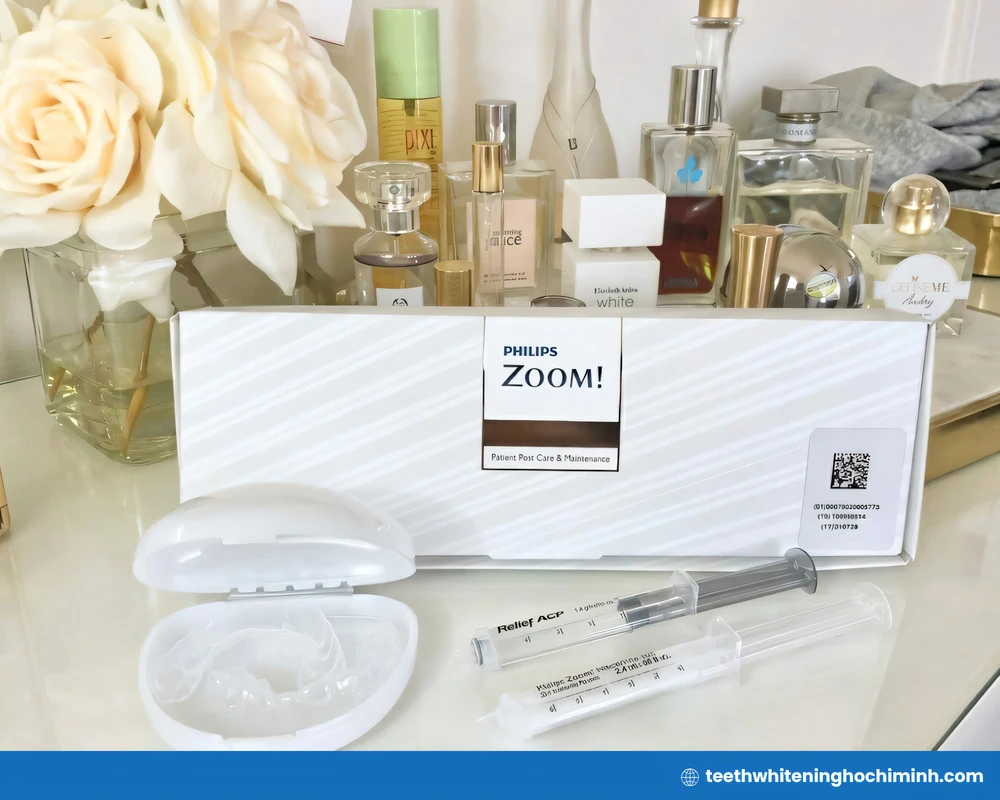
The take-home DayWhite and NiteWhite kits suit a different kind of patient: someone who wants gradual improvement on their own schedule, or who has already done an in-office session and wants to lock in the results over the following weeks. At-home Philips Zoom kits use a lower-concentration gel in custom trays over multiple sessions for a gradual but equally effective result. Many dentists recommend running both back to back. The combination approach tends to produce the most durable outcome of the three options.
| Recommended reading: How to use Zoom teeth whitening at home – Results and reviews 2026
Side effects of teeth whitening with Philips Zoom
Sensitivity is the most reported issue, but it is generally temporary and manageable. The bleaching solution used in a Philips Zoom teeth whitening procedure can remove minerals from enamel. Hydrogen peroxide generates reactive oxygen molecules that break apart staining compounds inside the enamel without damaging the surrounding tooth structure.
Other possible side effects:
- Mild gum irritation if protective barriers are not perfectly placed
- Dry or chapped lips from the cheek retractor
- Short-term tooth zingers in patients with pre-existing sensitivity
These side effects are usually very mild and temporary. Dentists typically apply a desensitizing ACP gel at the end of the session to reduce post-treatment discomfort.
Patients with known sensitivity are advised to use potassium nitrate toothpaste for at least one week before their appointment. Anyone with untreated cavities, gum disease, or exposed dentin should address those issues before undergoing teeth whitening Philips Zoom treatment.
Who is not a suitable candidate for Zoom Philips teeth whitening
Philips Zoom teeth whitening is not appropriate for every patient. A pre-treatment consultation will catch most contraindications early – but patients should go in aware of the common exclusions.
Conditions to disclose before treatment:
- Pregnancy or breastfeeding
- Untreated cavities or gum disease
- High tooth sensitivity or gum recession
- Age under 16
Restoration considerations
Whitening agents do not affect crowns, veneers, or composite bonding. Patients with restorations on visible front teeth should discuss shade matching with their dentist before proceeding. Otherwise the natural teeth may whiten while the restorations stay the same shade.
Zoom works best on natural teeth affected by food, drinks, tobacco, or aging. Anyone outside that profile should get a frank assessment from a certified provider before committing to treatment.
How to choose a clinic for Philips Zoom whitening in Ho Chi Minh City
Not all clinics offering “Zoom whitening” use authentic Philips equipment. The term gets applied loosely in some markets, and the difference between genuine Philips Zoom Teeth Whitening technology and a generic LED whitening system is significant in terms of both results and safety.
What to confirm with the clinic before booking
- Is the dentist a certified Philips Zoom provider? Certification requires completing training through Philips’ official platform – ask to see proof if needed
- Is the WhiteSpeed lamp unit genuine? Authentic units have a recognizable blue-light design; photos of the equipment should be available on request
- Does the quoted price include everything? Confirm that barriers, all gel cycles and the post-treatment ACP application are included – not charged separately
- Are English-speaking staff available? Essential for expats who need to explain sensitivity concerns or medical history accurately
- Will there be a pre-treatment consultation? Reputable clinics do not skip the shade assessment or oral health check
Extremely low prices often indicate outdated equipment or undertrained staff. For a treatment where gel concentration and LED activation timing directly affect both results and safety, choosing a verified clinic matters more than choosing the cheapest option.
Frequently asked questions about Philips Zoom teeth whitening
Several questions come up repeatedly among expats and first-time patients researching zoom philips teeth whitening review content online. The ones below cover the details that tend to get glossed over in clinic brochures – longevity, the laser versus LED distinction, restoration compatibility and whether a single session is realistically enough. Philips teeth whitening zoom queries also frequently raise concerns about who qualifies and what aftercare looks like.
How long do results from Zoom Philips teeth whitening last?
Whitening results can last up to three years. However, this will vary from person to person. Smoking and staining foods or drinks shorten the window. Using the DayWhite or NiteWhite take-home maintenance kits extends results noticeably.
Does Philips Zoom use a laser?
No – despite common references to “laser Zoom” in searches, the WhiteSpeed system uses a blue LED lamp, not a laser. Because it uses cool LED light, the new-generation Zoom WhiteSpeed lamp is safer for both patients and dentists, generates less heat than laser and helps reduce stimulation to the tooth pulp. The term “laser” is widely used in marketing but the LED designation is technically more accurate.
Is one session of Philips Zoom teeth whitening enough?
For most patients with standard staining, one in-office session delivers a satisfying result. Those with deeper discoloration or darker starting shades may benefit from a follow-up session or a structured take-home kit regimen after their initial treatment.
Conclusion
Philips Zoom teeth whitening holds up well against scrutiny in 2026. The clinical backing is solid, the results are consistent for the right candidate and the gap between in-office and at-home performance is smaller than most patients expect going in. Where it falls short – tetracycline staining, existing restorations, severe sensitivity – those limitations are real and worth knowing upfront rather than after the appointment.