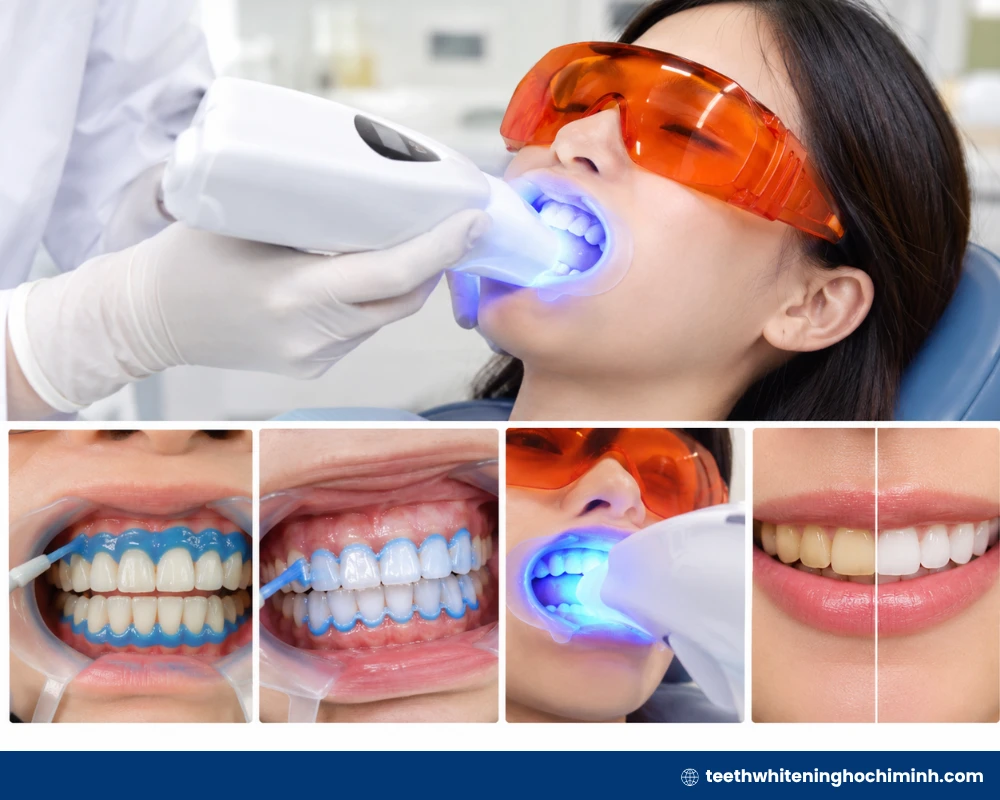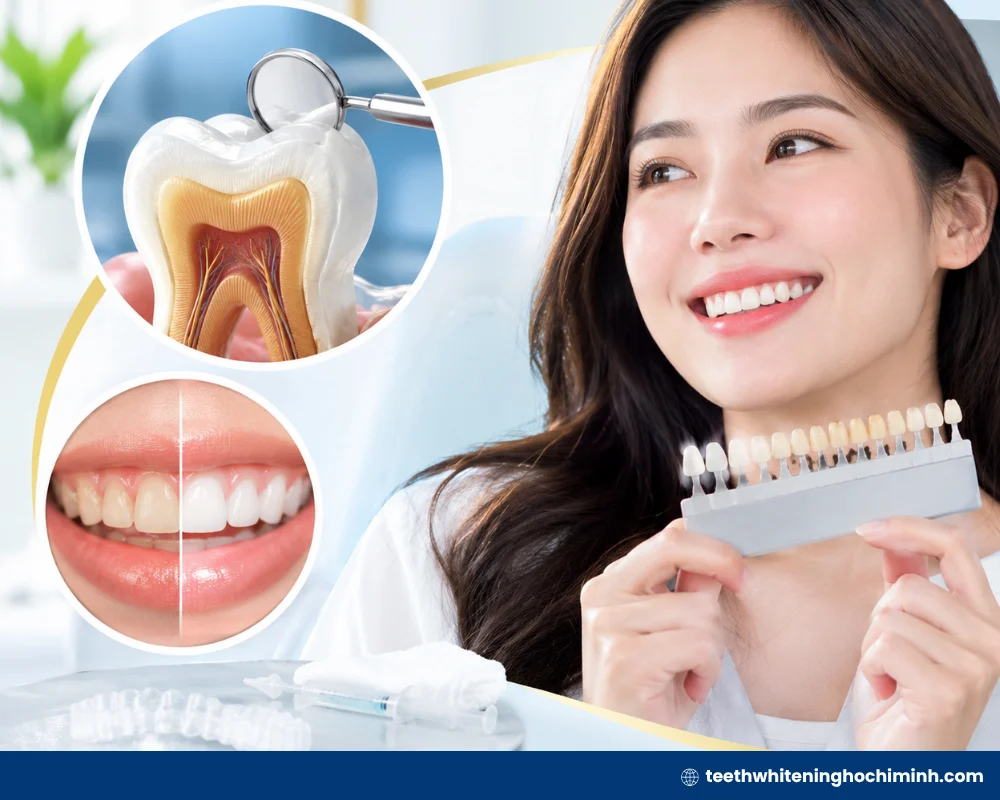
A UV teeth whitening kit promises a brighter smile without a dentist visit, using gel and light to speed whitening at home. Is it safe, and does light help? This guide covers how the kits work, what dentists say, and which options are worth trying. Let’s explore Teeth Whitening in Ho Chi Minh City together.
What is a UV teeth whitening kit?
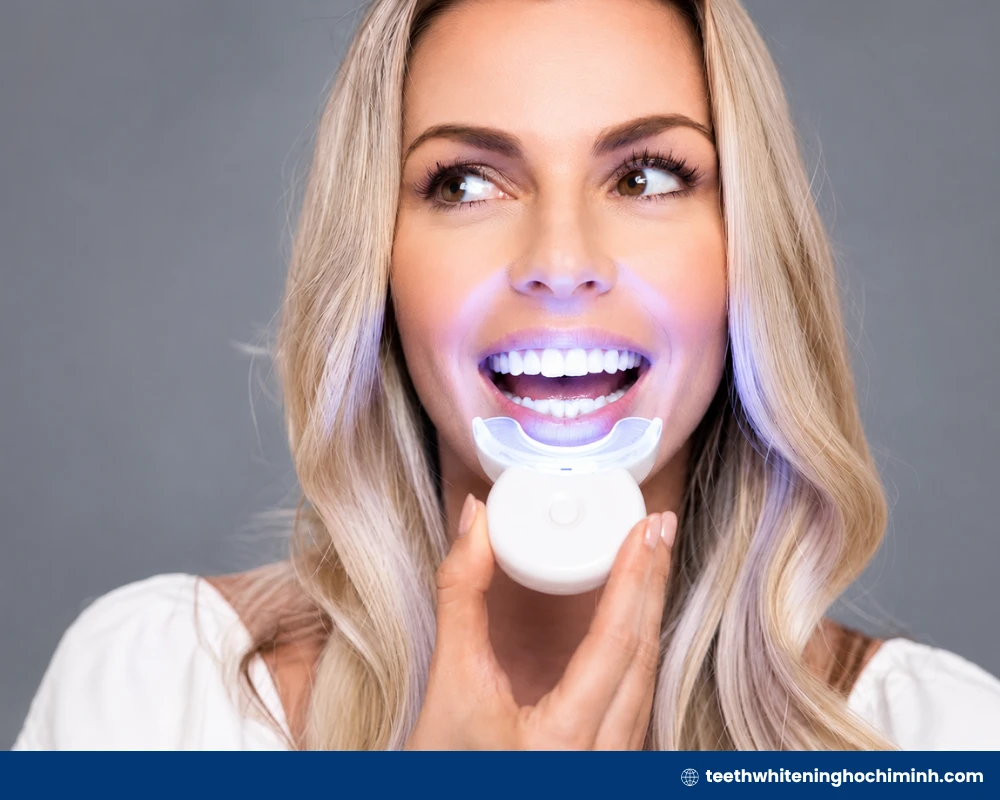
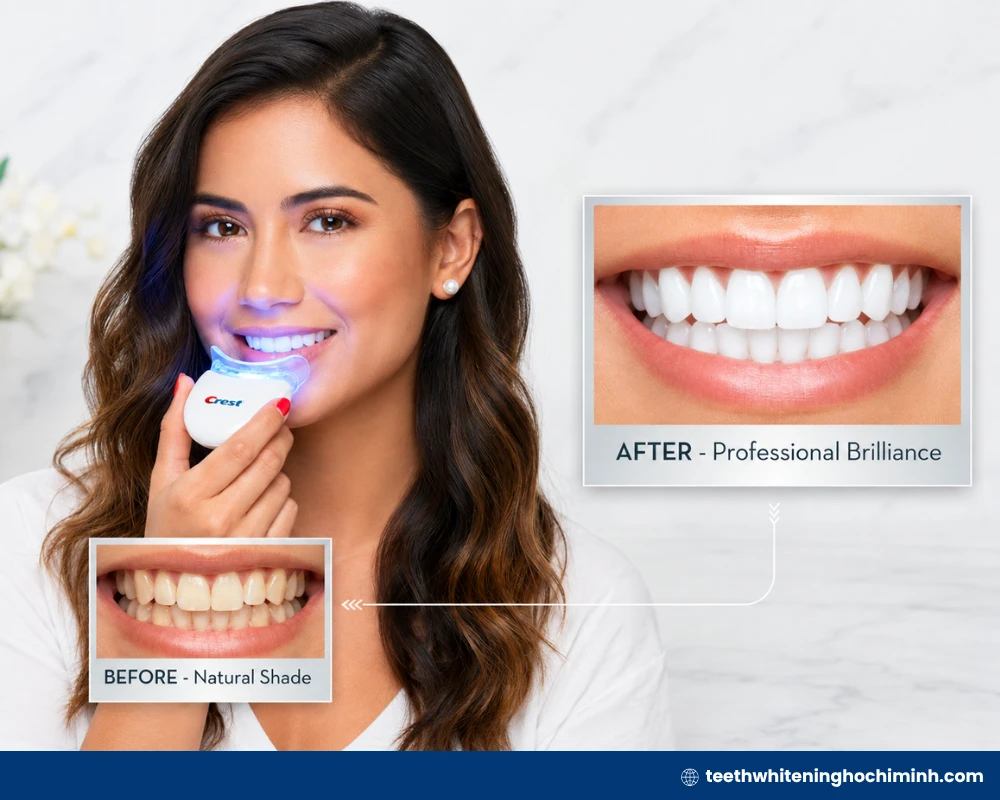
A UV teeth whitening kit is a home whitening system that pairs a peroxide-based gel with a light device to help the whitening agent work faster. A standard kit usually includes:
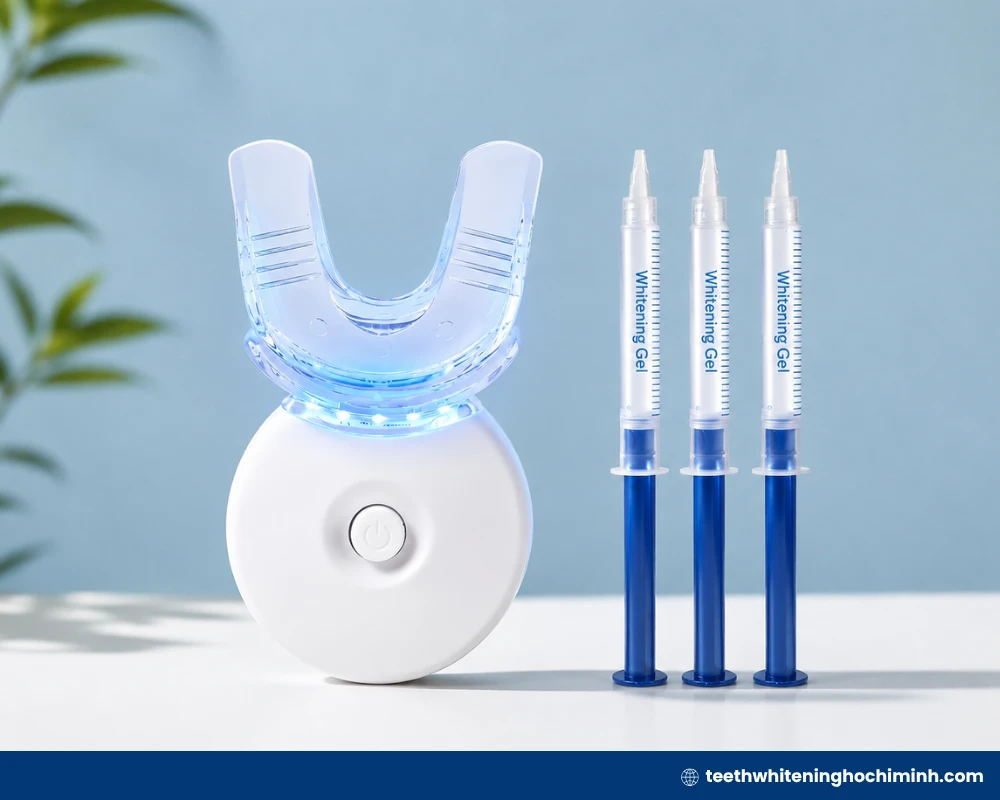
- Whitening gel: Typically hydrogen peroxide or carbamide peroxide, the active ingredients that break down stains on the enamel surface.
- UV or blue light device: A small lamp meant to activate the gel and, according to manufacturers, speed up the reaction.
- Mouth tray or whitening pen: Holds the gel against the teeth or allows direct application.
- Timer or app: Many kits include a built-in timer so users don’t overexpose their teeth to the light.
Hydrogen peroxide breaks down faster and is more common in professional settings. Carbamide peroxide releases more slowly, which makes it gentler and better suited for home use.
Is a UV teeth whitening kit safe?
Whether a UV teeth whitening kit is safe really depends on how it’s used, the peroxide concentration, and how closely instructions are followed. It isn’t a simple yes-or-no answer. It’s a matter of informed, careful use.
Key risks to know
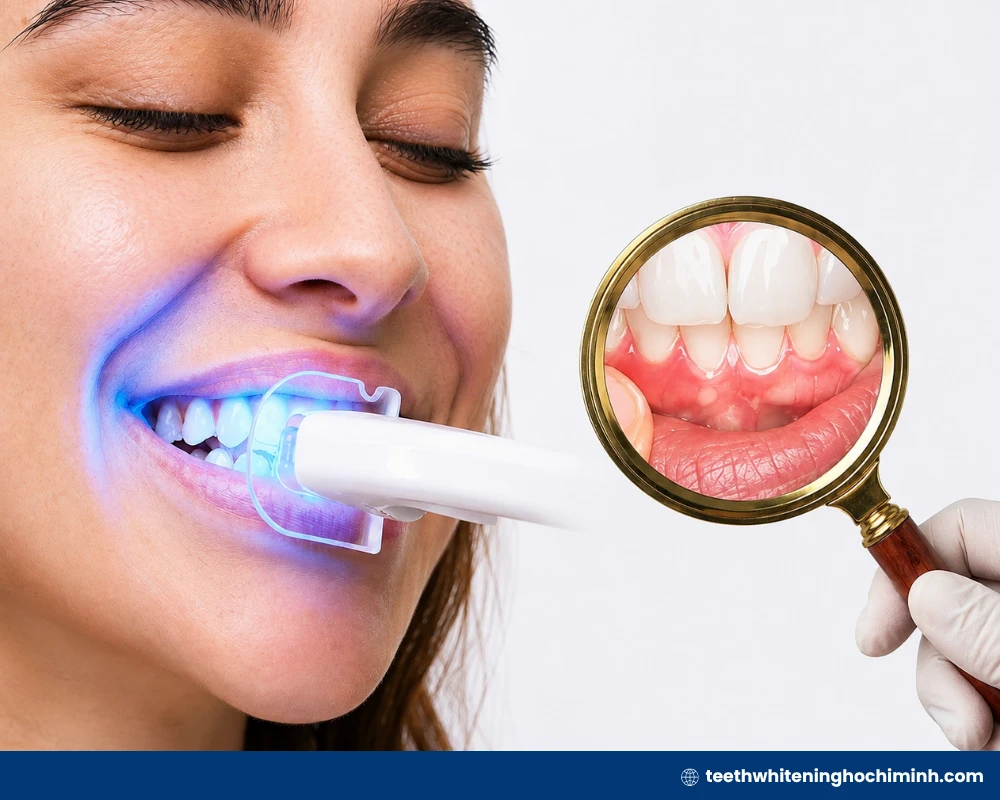
Before trying any teeth whitening UV kit, it helps to understand what can go wrong. Peroxide gel and light exposure carry real risks when used incorrectly, from mild irritation to lasting sensitivity.
- Gum irritation: Gel that touches the gums instead of just the teeth can cause redness or a burning feeling.
- Tooth sensitivity: Peroxide can temporarily make teeth more reactive to hot or cold.
- Burns from user error: Leaving the light too close to the mouth or overusing it can irritate soft tissue.
- Overexposure risk: Repeated, prolonged sessions increase the chance of tissue damage over time.
- Unregulated peroxide concentration: Some kits sold online don’t disclose accurate percentages, which makes it hard to judge strength or safety.
- Inconsistent quality control: Lesser-known brands may not test devices for consistent light output.
What dental experts and health organizations say
Dental associations have not formally endorsed the UV teeth whitening kit’s at-home UV activation as necessary for whitening results. Oral health organizations note that peroxide concentration limits vary significantly by country, meaning a kit legal in one market may exceed safe limits elsewhere. Clinical opinion on light-activated whitening stays mixed.
Who should/shouldn’t use it
Not everyone is a good candidate for this at-home whitening method. Certain groups can use it safely and see good results, while others should check with a dentist first before starting any routine.
| Should use | Should avoid or consult a dentist first |
| Adults with healthy, cavity-free teeth | Pregnant or nursing women |
| People wanting a budget-friendly touch-up | Minors under 18 |
| Those without existing dental work on front teeth | front teethPeople with crowns, veneers, or fillings (these won’t whiten evenly) |
| People without a history of sensitive teeth | Anyone with untreated gum disease or cavities |
Does it actually work?
Do UV teeth whitening kits work as well as the packaging suggests? The honest answer is: results vary, and the evidence isn’t entirely consistent. Expecting professional-level results from a drugstore kit tends to lead to disappointment.
Study findings and real results
Research on light-activated whitening stays genuinely divided. Some in-vitro studies suggest light speeds up the reaction, while others find no meaningful benefit over gel alone. Results depend on enamel thickness and stain type, so a UV teeth whitening kit rarely performs identically for two people.
At-home UV kit vs professional in-office whitening
Choosing between home and professional whitening comes down to budget, speed, and how much supervision you actually want. Here is how an at-home teeth uv whitening kit stacks up against in-office treatment.
| Factor | At-home UV kit | In-office professional whitening |
| Cost | Low ($20-$50) | High ($200-$800+) |
| Speed | Gradual, over days/weeks | Often visible in one visit |
| Supervision | None (self-administered) | Supervised by a dentist |
| Peroxide Strength | Lower, less regulated | Higher, professionally controlled |
| Safety | Moderate, user-dependent | High, monitored in real time |
How to use a UV teeth whitening kit safely and correctly
Getting results from a UV teeth whitening kit without irritation comes down to following a consistent, careful routine. Rushing the process or skipping steps is usually what leads to sensitivity or gum discomfort.
Step-by-step instructions
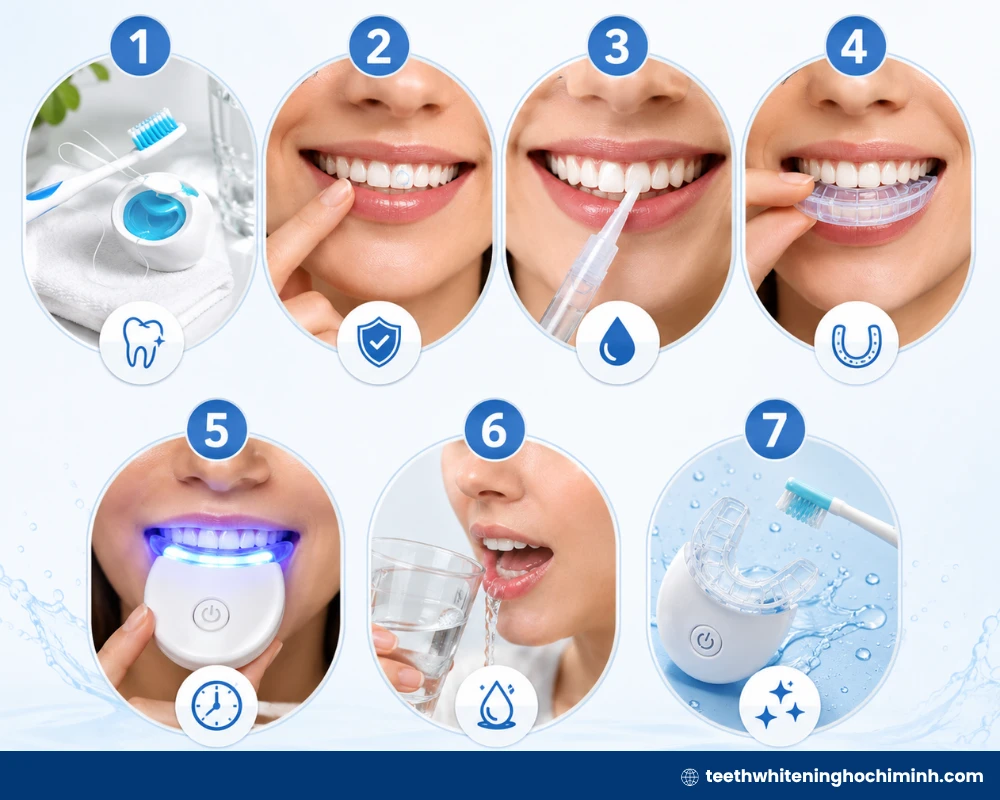
Safe results depend less on the product itself and more on how carefully each step is followed. Below is a straightforward sequence that keeps the whitening process gentle, effective, and easy for beginners to replicate at home.
- Step 1 – Brush and floss first to clear away plaque and food particles from the tooth surface.
- Step 2 – Do a patch test with the gel on a small area to check for sensitivity before a full session.
- Step 3 – Apply the gel evenly across the front surface of the teeth, avoiding the gum line.
- Step 4 – Insert the tray or use the pen as directed, making sure the gel stays in contact with enamel only.
- Step 5 – Activate the light for the manufacturer’s recommended time, and avoid extending it hoping for faster results.
- Step 6 – Rinse thoroughly with water once the session ends to remove any leftover gel.
- Step 7 – Clean the tray and light device after each use to keep bacteria from building up.
Recommended frequency and duration
Most kits recommend sessions of around 10 to 20 minutes at a time, but frequency matters just as much as duration does. Here is a typical weekly routine to follow.
- Daily use for the first 5-7 days to see initial results.
- Tapering to 2-3 times a week for maintenance afterward.
- Stopping immediately if sensitivity or gum irritation appears.
Using a UV teeth whitening kit more often than instructed doesn’t speed up whitening. It mainly raises the risk of sensitivity and gum irritation without adding any real benefit.
Common mistakes to avoid
Even a good teeth whitening kit UV device can cause problems when basic precautions are overlooked. The mistakes below are the most frequent culprits behind sensitivity and gum irritation, and they’re easy to avoid once you know what to watch for.
- Overexposing teeth to the light by running sessions longer than instructed.
- Using expired or unverified gel, which can be less effective or irritating.
- Skipping the patch test, especially for first-time users.
- Ignoring gum protection, letting gel sit directly on soft tissue.
- Not following manufacturer instructions, including timing and storage guidance.
Best UV teeth whitening kits reviewed
If you’re comparing UV teeth whitening kit reviews before buying, it helps to separate real performance from marketing claims. Each pick below is judged on gel concentration, session timing, and exposure control.
| Product | Price | Peroxide strength | Session time | Best for | Rating |
| GlowPro UV Whitening Kit | $28 | Low (10%) | 15 min | Sensitive first-timers | 4.2/5 |
| SmileBright UV Kit | $35 | Medium (16%) | 15 min | Structured routines | 4.4/5 |
| PearlWhite Pro Kit | $42 | Medium (18%) | 10 min | Quick touch-ups | 4.1/5 |
| BriteSmile Home UV Kit | $30 | Low (12%) | 20 min | Budget shoppers | 4.0/5 |
GlowPro UV Whitening Kit
Priced at $28, this UV teeth whitening kit uses a 10% carbamide peroxide gel in a soft silicone tray with a fixed 15-minute UV cycle. The slow-release formula keeps gum irritation low, but full results take 10 to 12 sessions. It suits cautious first-time users who value comfort over speed.
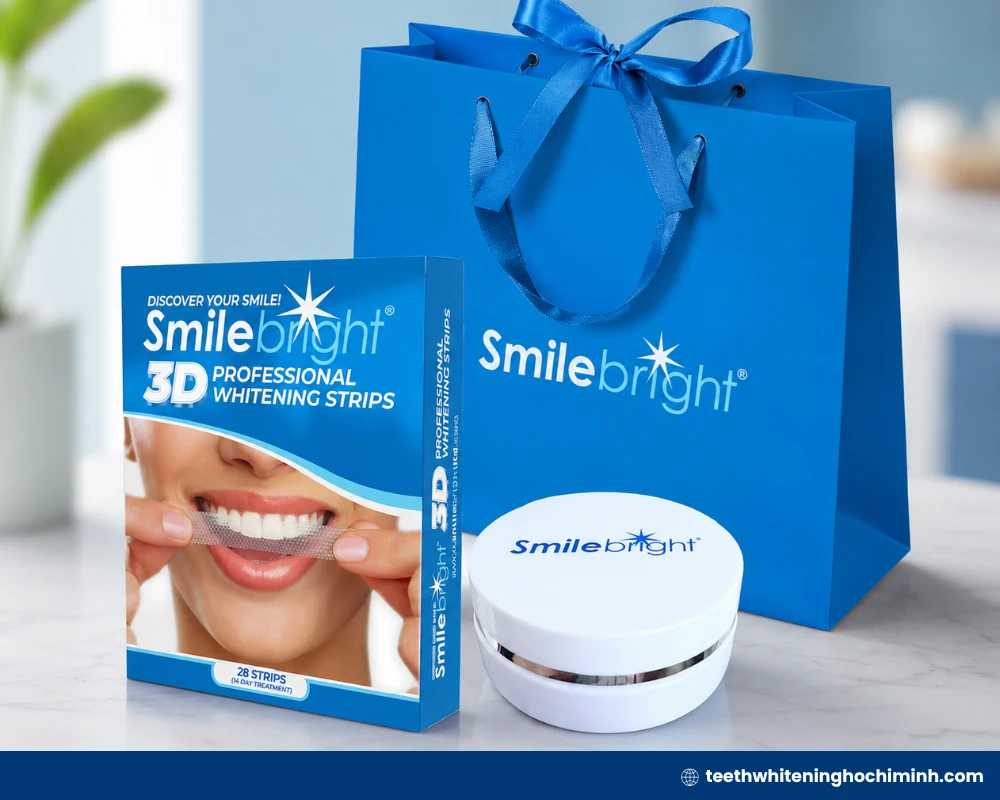
Smile Bright UV Kit
Priced at $35, this UV teeth whitening kit pairs a 16% hydrogen peroxide gel with an app-controlled auto-timer that shuts off after 15 minutes. The auto-cutoff prevents accidental overexposure, but the tray runs one size large and may need trimming. A solid best UV teeth whitening kit for forgetful users.
Pearl White Pro Kit
This $42 pen-style kit swaps the tray for a UV-tip applicator, using an 18% carbamide gel with 10-minute sessions applied directly to visible front teeth. It’s fast and portable with no tray needed, but coverage stays uneven on back or crooked teeth, making it better suited for quick touch-up sessions.
BriteSmile Home UV Kit
The $30 entry-level option pairs a 12% peroxide gel with a manual 20-minute timer and no app or auto-shutoff, so users must track sessions themselves. It carries the lowest price among the four, but that means higher overuse risk. Among best UV teeth whitening kits, this is the wallet-friendly pick.
Who is a UV teeth whitening kit best for?
Not every UV teeth whitening kit suits every user, and matching the product to your needs makes a real difference in comfort and results. Beginners want something gentle and simple, while sensitive teeth need lower peroxide strength over raw speed.
Best for beginners
First-time users should start with a lower-peroxide, tray-based UV teeth whitening kit and follow the patch-test step closely. Going slow in the first week helps identify sensitivity before committing to a full routine.
Best for sensitive teeth
For sensitive teeth, an LED-dominant or lower-concentration option tends to be more comfortable, and pairing sessions with a desensitizing toothpaste can ease discomfort. This combination often works out to be the best teeth whitening UV kit approach for anyone prone to tooth sensitivity.
Conclusion
A UV teeth whitening kit can be a convenient, budget-friendly way to brighten your smile, but it works well only when used carefully with realistic expectations. Weigh the risks, follow the instructions, and consult a dentist if you fall into any at-risk group. Visit Teeth Whitening Ho Chi Minh to compare options in depth.