
Baking soda teeth whitening offers an affordable alternative to professional treatments, but does it actually work? Learn proper application methods, safety guidelines and real effectiveness data. In this evidence-based guide from Teeth Whitening Ho Chi Minh, discover what actually works and what could damage your enamel.
Baking soda’s whitening properties
Baking soda, chemically known as sodium bicarbonate, possesses mild abrasive qualities that can help remove surface stains from teeth. These stains typically develop from consuming coffee, tea, red wine and other pigmented foods and beverages.
The compound’s slightly gritty texture works mechanically to polish away discoloration on the enamel surface. Because of these properties, baking soda teeth whitening has become a popular at-home option for those seeking a simple way to brighten their smile.
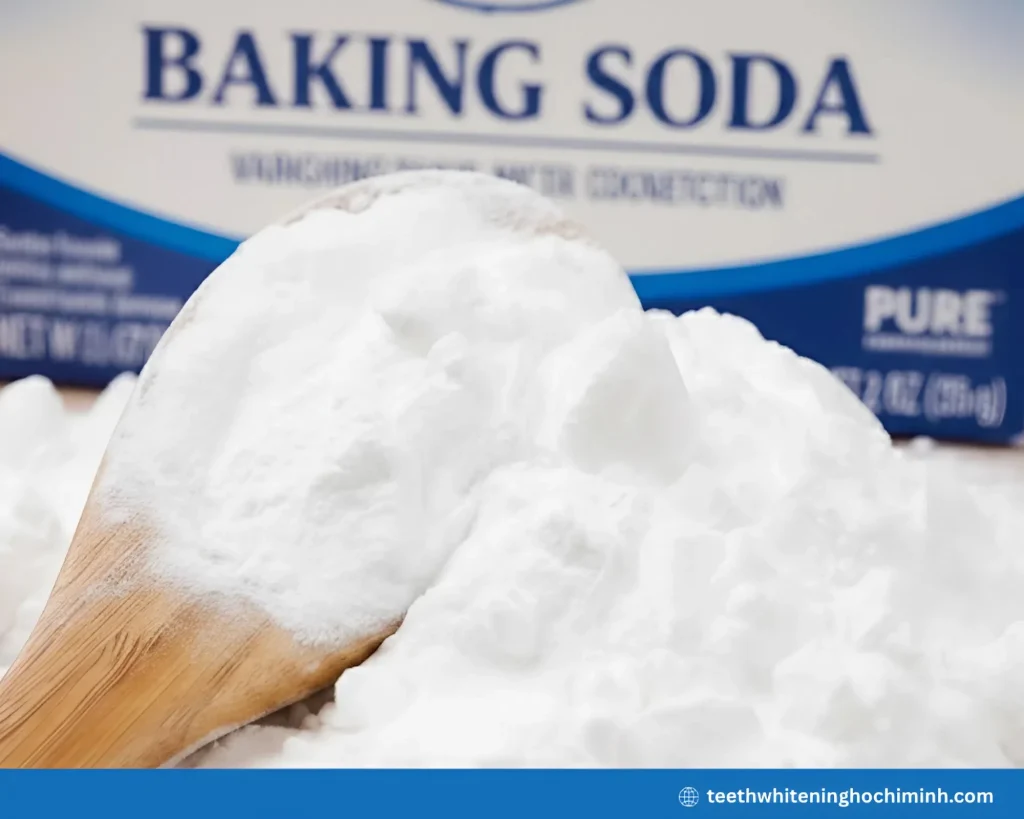
How baking soda helps whiten teeth:
- Mechanical action: The fine, crystalline structure scrubs away surface debris and stain particles.
- pH neutralization: Creates an alkaline environment that neutralizes harmful acids from bacteria.
- Stain prevention: Regular use may prevent new stains from setting deeply into enamel.
However, its whitening capabilities are limited to external stains rather than intrinsic discoloration that originates from within the tooth structure. For deep stains caused by medications, trauma, or fluorosis, professional treatments using hydrogen peroxide offer more effective penetration and lasting results.
Safe methods for cleaning teeth with baking soda
For those interested in trying baking soda for teeth whitening, proper technique matters significantly. The most straightforward approach involves creating a simple paste. Mix one teaspoon of baking soda with just enough water (about 2-3 drops) to form a thick consistency that stays on your toothbrush without dripping.
Basic baking soda paste method
Mix a small amount of baking soda with water to form a paste with toothpaste-like consistency. The ratio should be approximately two parts baking soda to one part water.
Apply this mixture to a wet toothbrush and brush gently for about two minutes, focusing on areas with visible staining. When used consistently, baking soda teeth whitening can provide subtle improvements in overall brightness.
Important considerations: Use gentle circular motions rather than aggressive scrubbing. The goal is to let the baking soda’s mild abrasiveness do the work without applying excessive pressure that could damage enamel.
Combined approach with regular toothpaste
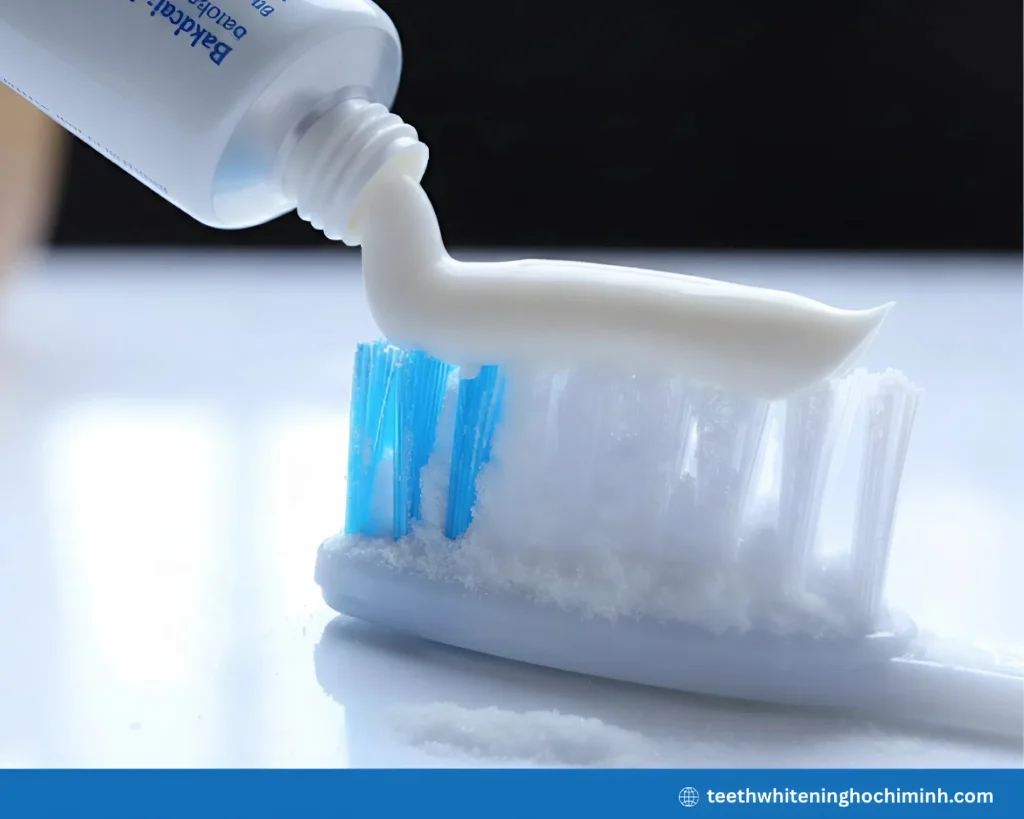
Another method involves adding a pinch of baking soda directly to regular fluoride toothpaste on the brush. This combination provides the benefits of fluoride for cavity prevention while incorporating baking soda’s stain-removing properties. Many commercial toothpastes already contain baking soda, offering a convenient alternative.
Frequency guidelines
Dental professionals generally recommend limiting baking soda treatments to two or three times per week maximum. Daily use may prove too abrasive over time, potentially wearing down enamel and increasing tooth sensitivity.
The remaining days should involve standard fluoride toothpaste for comprehensive oral care. For this reason, baking soda teeth whitening should always be approached with moderation to avoid unnecessary enamel damage.
>>> Read more: Baking Soda Teeth Whitening: 3 Tips To Use It Safely
Health risks and safety guidelines
While baking soda is generally recognized as safe for oral use, several concerns warrant attention. Common risks to consider:
Enamel erosion
Enamel erosion represents the primary risk associated with overuse. Tooth enamel, though the hardest substance in the human body, can gradually wear away with excessive abrasion.
Once enamel is lost, it cannot regenerate, leaving teeth vulnerable to sensitivity, decay, and structural damage. This is why improper baking soda teeth whitening can increase the likelihood of long-term enamel weakening.
Lack of fluoride protection
Baking soda lacks fluoride, an essential mineral that strengthens enamel and prevents cavities. Relying solely on baking soda for oral care would deprive teeth of this protective benefit. Therefore, it should complement, not replace, fluoride toothpaste.
Increased tooth sensitivity
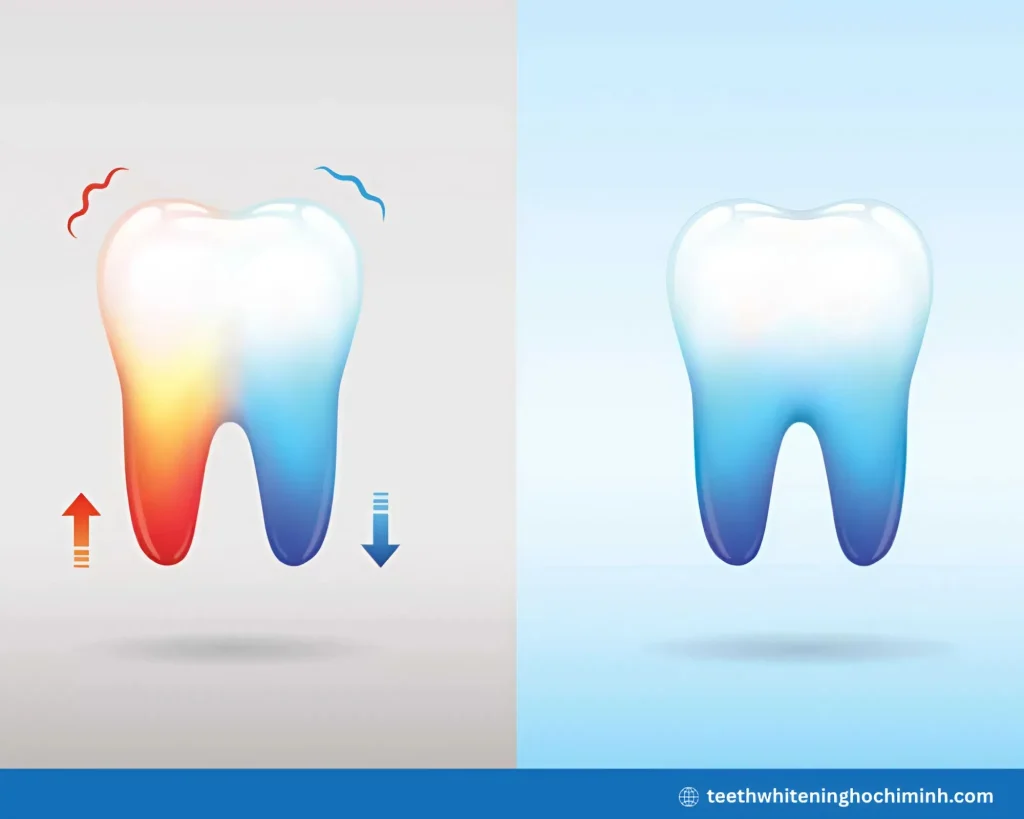
Some people may experience increased tooth sensitivity after using baking soda, especially if they brush too vigorously or too frequently. Sensitivity often shows up as discomfort during consumption of hot, cold, or sweet substances.
If sensitivity persists for more than 48 hours after discontinuing use, consult your dentist to rule out enamel damage or exposed dentin. Using a soft-bristled toothbrush and limiting application to once or twice weekly can significantly reduce sensitivity risks while still achieving gradual whitening results.
Complications with existing dental work
Individuals with existing dental conditions should exercise particular caution. Those with gum recession, exposed tooth roots, orthodontic appliances, or dental restorations should consult a dentist before using baking soda. The abrasive action may cause complications in these situations.
Comparing home remedies to professional treatment
The appeal of baking soda teeth whitening lies in its accessibility and low cost. However, comparing its effectiveness to professional whitening treatments reveals significant differences.
While baking soda may lighten surface stains by 1-2 shades over weeks, professional treatments can achieve 5-8 shades improvement in a single session using clinical-grade bleaching agents.
| Factor | Baking Soda Method | Professional Treatment |
| Cost | $2-5 per box | $300-800 per session |
| Results Timeline | Several weeks for mild improvement | Achieve significant whitening in 1–2 sessions |
| Stain Type Addressed | Surface stains only | Both surface and deep stains |
| Shade Improvement | 1-2 shades lighter | 3-8 shades lighter |
| Treatment Duration | 2-3 minutes per use | 60-90 minutes per session |
| Supervision | Self-administered | Dentist-supervised |
| Longevity | Requires continuous use | 6 months to 2 years |
Expert recommendations for baking soda use
Dental professionals emphasize that baking soda for teeth whitening should be approached as a supplemental strategy within a comprehensive oral hygiene routine. The foundation remains twice-daily brushing with fluoride toothpaste, daily flossing, and regular dental checkups.
Before starting any whitening regimen, individuals should have a dental examination to identify underlying issues that might affect treatment outcomes or safety. Cavities, gum disease, or enamel defects need addressing before whitening attempts.
Frequently asked questions about baking soda teeth whitening
Where can I safely use baking soda for teeth whitening?
Use baking soda at home as part of your oral hygiene routine, applying it gently to tooth surfaces while avoiding excessive contact with gums. Limit application to 2-3 times per week maximum, as daily use can gradually wear down enamel and disrupt your mouth’s natural pH balance.
Why does baking soda whiten teeth?
Baking soda’s mild abrasive properties help remove surface stains through gentle mechanical scrubbing action on tooth enamel. With an RDA (Relative Dentin Abrasivity) score of around 7, it’s significantly less abrasive than most commercial whitening toothpastes, which typically range from 30-200.
What concentration of baking soda should be used?
Mix two parts baking soda with one part water to create a paste, or add a small pinch to regular toothpaste. Use a soft-bristled toothbrush to apply the mixture in gentle circular motions for 1-2 minutes, then rinse thoroughly and follow with fluoride toothpaste.
How much does baking soda teeth whitening cost?
Baking soda costs only a few dollars per box, making it one of the most affordable whitening options available. In comparison, professional in-office whitening treatments range from $300-$1,000, while over-the-counter whitening strips typically cost $20-$60 per kit.
How often should baking soda be used for teeth whitening?
Limit use to two or three times weekly to prevent enamel erosion, using fluoride toothpaste on other days. Daily use of baking soda can gradually wear down enamel due to its abrasive nature, potentially leading to increased tooth sensitivity and higher cavity risk.
How long does it take to see results from baking soda?
Mild improvements in surface stain removal may appear after several weeks of consistent, proper use. Most users notice 1-2 shade improvement after 4-6 weeks, significantly slower than professional treatments which deliver 5-8 shades lighter in a single session.
What are the alternatives to baking soda for teeth whitening?
Professional treatments, whitening strips, LED devices, and dentist-prescribed trays offer more dramatic results than baking soda alone.
Can baking soda damage tooth enamel?
Excessive or aggressive use can gradually wear down enamel, but gentle, infrequent application is generally considered safe.
Who should avoid baking soda teeth whitening?
Individuals with sensitive teeth, gum recession, orthodontic appliances, or existing dental damage should consult a dentist first.
Does baking soda replace regular toothpaste?
No, baking soda lacks fluoride and should supplement, not replace, fluoride toothpaste for comprehensive oral care.
Conclusion
Baking soda teeth whitening offers an accessible and budget-friendly option for addressing surface stains, but it comes with important limitations and safety considerations. While this method can provide modest improvements when used correctly, it cannot replace professional treatments for individuals seeking dramatic results or dealing with deep discoloration.
The key to safe and effective use lies in moderation-limiting applications to two or three times weekly, using gentle brushing techniques, and maintaining a comprehensive oral hygiene routine with fluoride toothpaste. Those with existing dental conditions or concerns should always consult a dental professional before beginning any whitening regimen.
For international visitors and expats in Ho Chi Minh City looking for professional whitening options, teethwhiteninghochiminh.com offers comprehensive reviews and comparisons of trusted dental clinics to help you find the right service for your needs.
