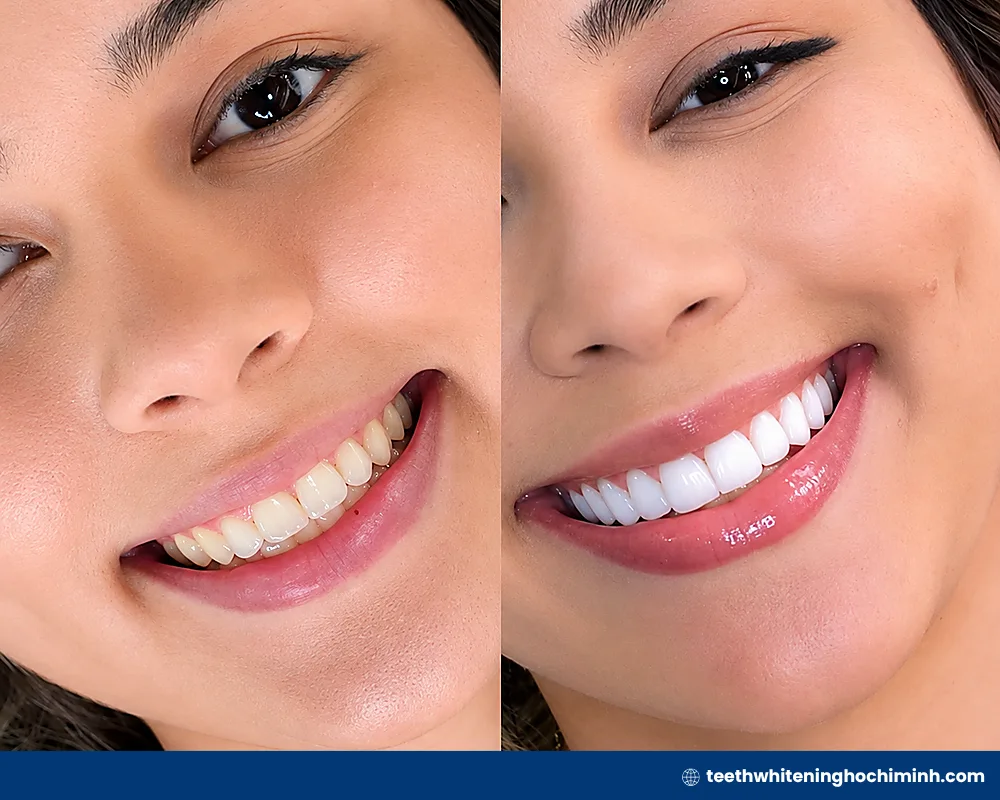
The best natural teeth whitening treatment in 2026 combines gentle, enamel-safe habits with realistic expectations. Baking soda brushing, oil pulling and stain prevention can noticeably brighten a smile within four to eight weeks. Nothing natural bleaches teeth as deeply as a professional treatment does. Still, consistent habits make a real, visible difference over time.
What is natural teeth whitening, exactly?
Natural teeth whitening removes or reduces surface stains without peroxide-based bleaching agents. It leans on mild abrasives, oral hygiene habits and dietary tweaks instead of chemical bleaching.
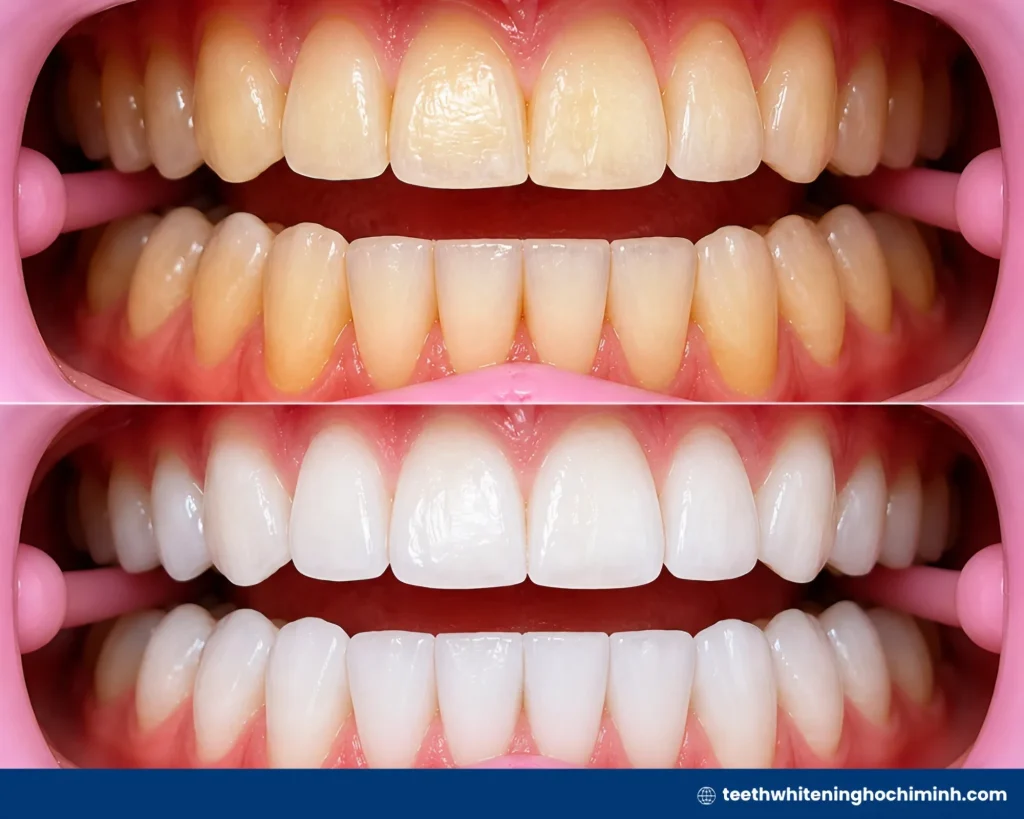
Bleaching changes a tooth’s actual color by penetrating the enamel. Natural methods work on the surface only. They lift stains caused by food, drinks and plaque, but they don’t touch the underlying shade. For anyone chasing a natural white teeth whitening result rather than a dramatic transformation, this is usually the more realistic goal.
How does natural teeth whitening actually work?
Most natural whitening remedies rely on three mechanisms. None of them involve hydrogen peroxide or carbamide peroxide, the ingredients that power clinical whitening.
- Mild abrasion polishes away surface stains without harsh scrubbing
- Plaque reduction means less bacterial buildup, which means less yellow discoloration
- Enamel remineralization supports the tooth’s natural mineral layer, which affects perceived whiteness
A treatment that works will restore some brightness. It won’t turn naturally yellow teeth several shades whiter overnight and any product claiming otherwise deserves a skeptical eye.
The most effective natural teeth whitening techniques in 2026
Some natural teeth whitening techniques hold up under scrutiny. Others are popular online without much evidence behind them at all.
Teeth whitening with baking soda
Baking soda remains the most studied natural whitening ingredient available. According to research published in the Journal of the American Dental Association, baking soda toothpaste offers a measure of enamel and dentin safety even with vigorous brushing, thanks to its low abrasiveness. That’s largely why natural teeth whitening baking soda routines remain the most searched starting point for beginners.
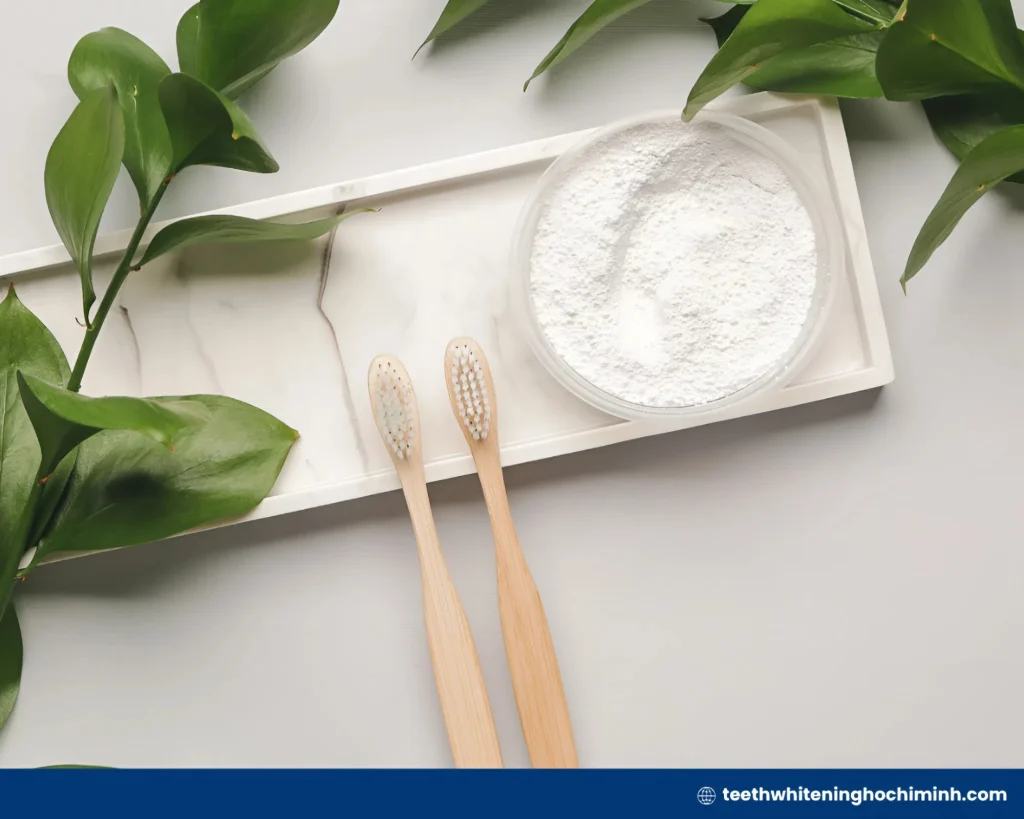
Per the ADA’s safety review, baking soda is considered safe for enamel, but some researchers rate it lower as a whitener since it may not remove stains as well as other products. Twice a week, mixed into a fluoride routine, works better than daily standalone use.
| Read more: Best baking soda for teeth whitening results and reviews 2026
Oil pulling for plaque and stain reduction
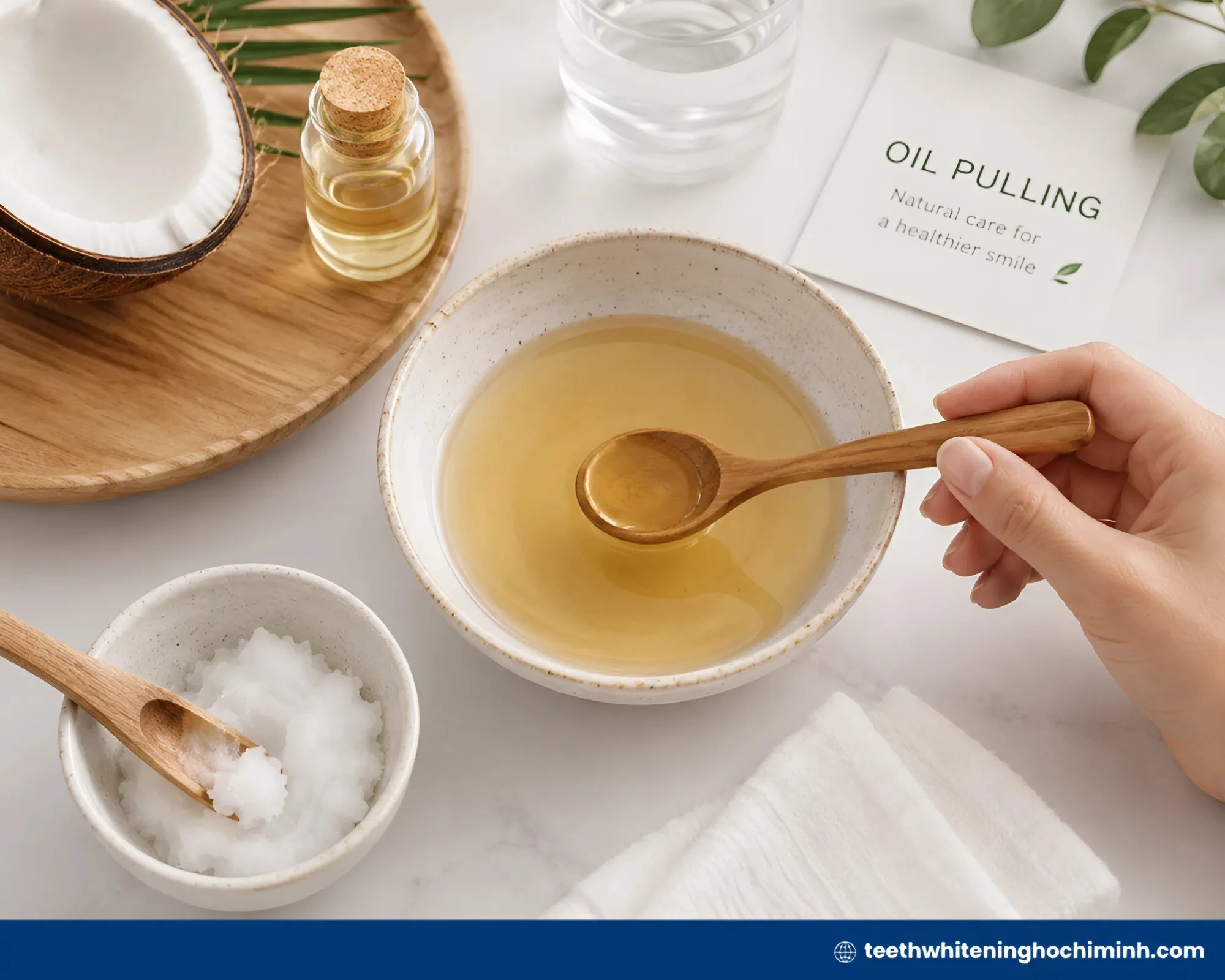
Oil pulling is an old Ayurvedic practice that picked up real clinical attention in recent years. A 2017 study in the Indian Journal of Dental Research found that 10 minutes of daily coconut oil pulling cut plaque by 52% and gingivitis scores by 44% over 30 days.
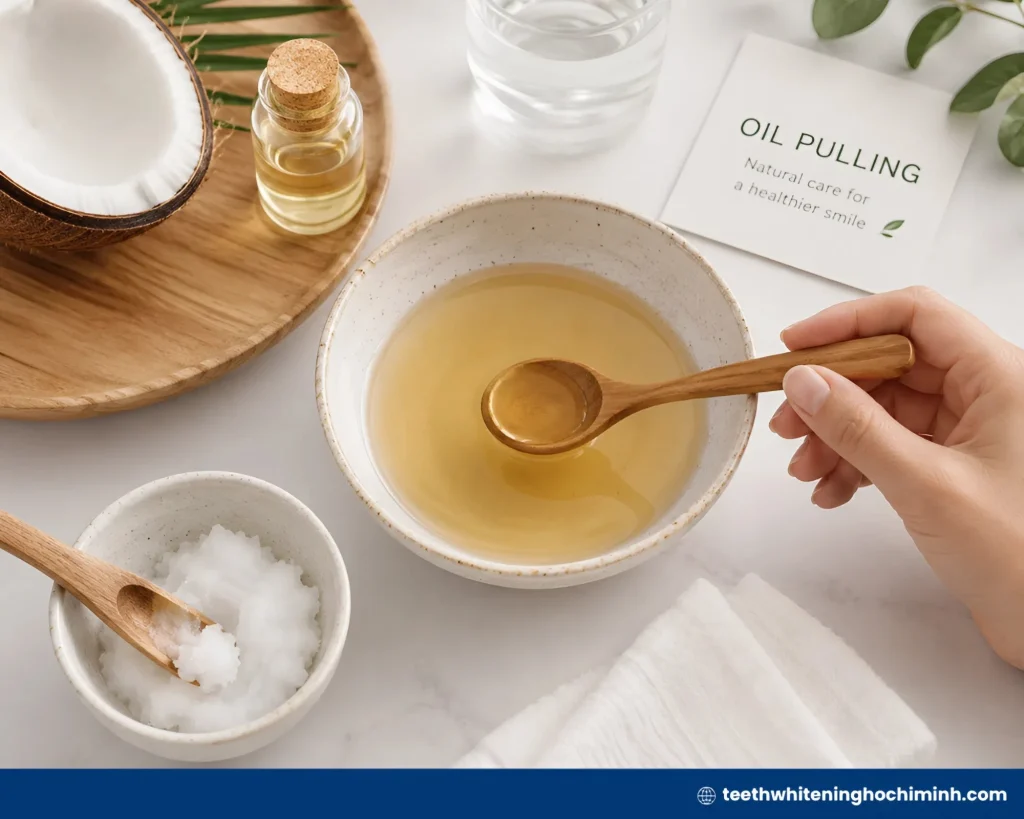
Less plaque, less yellow buildup on the surface, it’s a simple trade. This method won’t bleach anything and it never claimed to. Still, among natural teeth whitening remedies, it’s got more evidence behind it than most. People usually notice their breath improving first, often within two weeks, well before any visible whitening kicks in.
Diet and habit adjustments
Prevention works better than fixing stains after the fact. Cut back on coffee, tea and red wine, or just rinse with water right after drinking them. That alone stops most new staining before it even sets in. An electric toothbrush paired with a tongue scraper helps too, since bacteria on the tongue don’t stay put. They spread right back onto the teeth if left alone.
These habits cost nothing and involve no products at all. That’s arguably why dentists often call them the most natural teeth whitening approach available.
Does natural teeth whitening that actually works really exist?
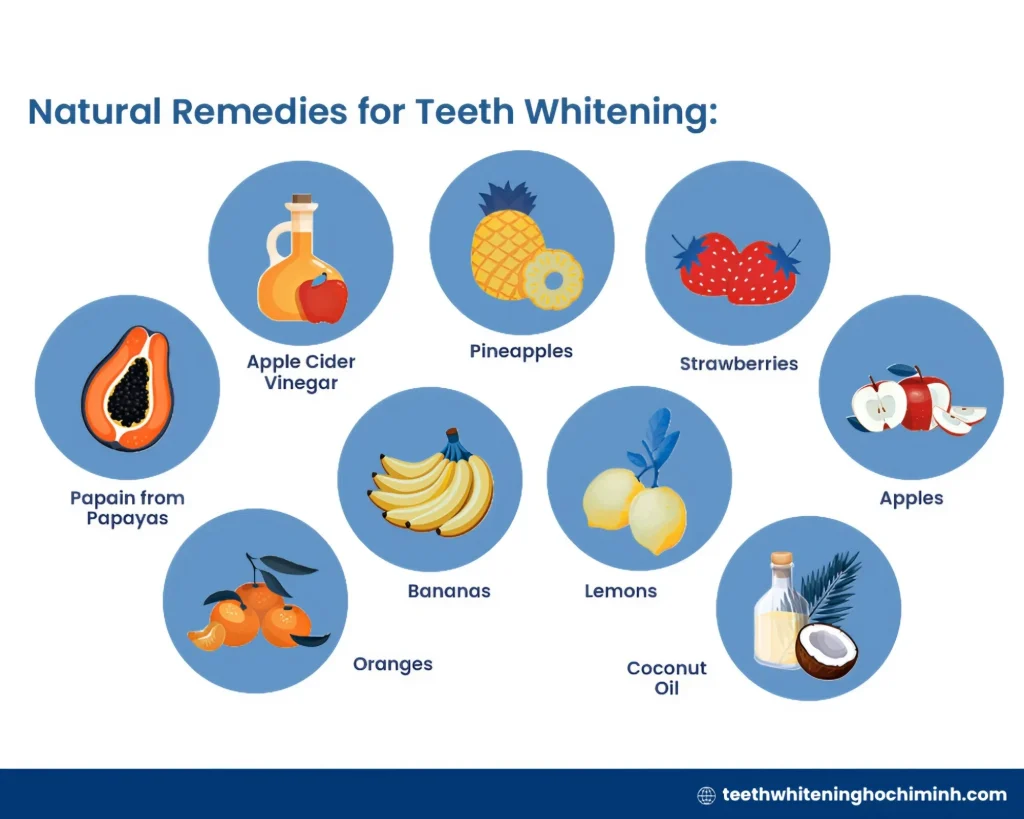
Yes, with a caveat. It works when the goal is stain removal and prevention, not deep bleaching. Anyone expecting dramatic change from baking soda alone will likely walk away disappointed.
The realistic version stacks three layers: remove existing stains, prevent new ones and support enamel health. Do all three consistently and the result is visible, gradual brightening. This layered approach is generally what dentists mean by natural teeth whitening that actually works, not a single trick, but a routine.
How to choose the best natural teeth whitening solution
The right natural whitening solution depends on two things: what kind of staining is present and how much time someone’s willing to invest. Coffee and tea stains respond well to baking soda and habit changes. Genetic yellowing responds far less.
Three questions narrow the choice fast:
- Is the staining recent (surface level) or long standing (deeper set)?
- Is there existing sensitivity, gum recession, or untreated decay?
- Is the goal subtle maintenance, or a noticeable shade change?
Answer these honestly and the choice between a home routine and a dentist visit usually becomes obvious. Most people already know the answer before they finish the third question.
Natural teeth whitening vs professional treatment for yellow teeth
Stubborn, naturally yellow teeth raise the same question eventually. Is a natural approach even enough? It depends entirely on the type of staining involved.
| Factor | Natural whitening | Professional whitening |
| Best for | Surface (extrinsic) stains | Surface and deeper (intrinsic) discoloration |
| Typical result | Subtle brightening over weeks | 4 to 10 shades in one to a few sessions |
| Cost | Low, mostly household items | $200 to $800 depending on method |
| Sensitivity risk | Low if used correctly | Moderate, usually temporary |
| Speed | Gradual, 4 to 8 weeks | Same day to a few weeks |
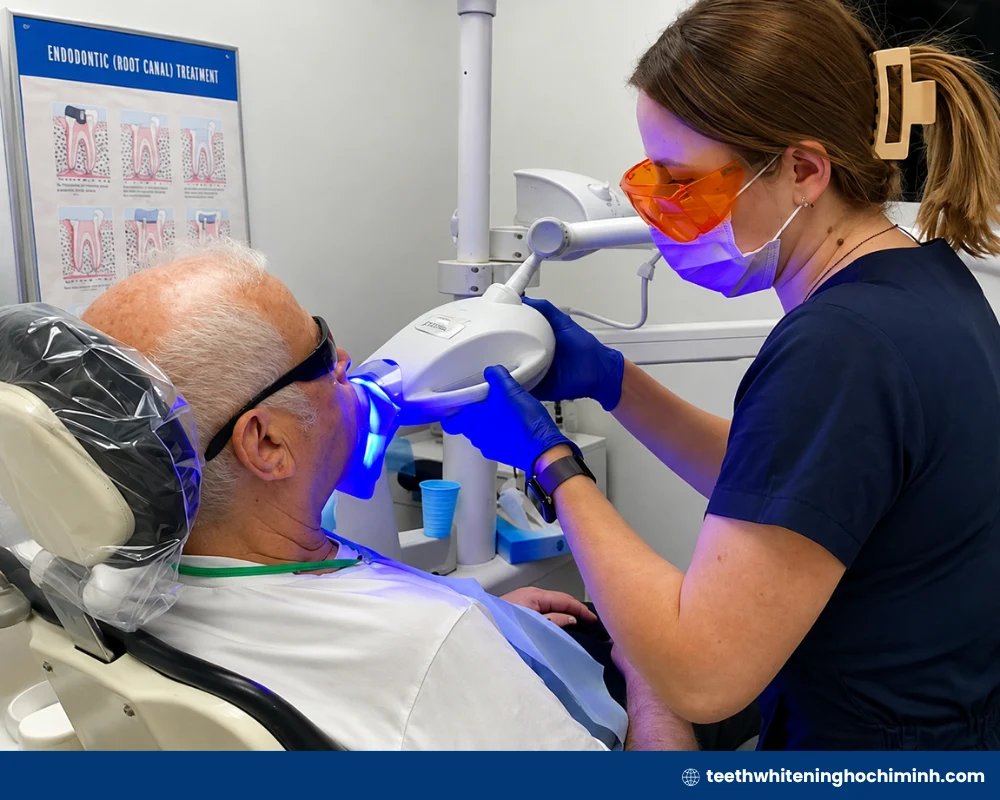
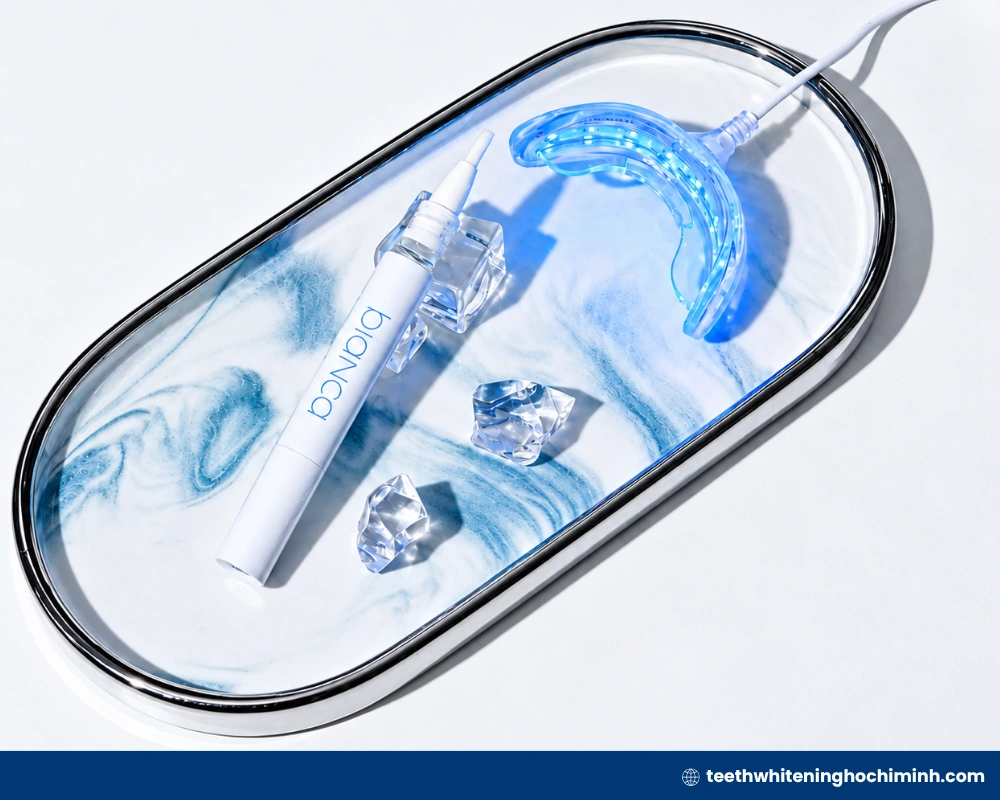
In-office professional teeth whitening typically produces a 6 to 10 shade improvement in a single 60 to 90 minute session, according to comparative treatment data. Custom take-home trays from a dentist produce a 4 to 8 shade improvement over two to four weeks.
Natural methods can’t match this speed, but they carry lower risk and cost almost nothing. For natural yellow teeth whitening specifically, results tend to plateau faster than for milder surface stains, since genetic yellowing sits deeper than a toothbrush can reach.
Is there a natural white advanced teeth whitening option worth trying?
Some newer products market themselves as natural white advanced whitening formulas, pairing enamel-safe abrasives with mineral-based ingredients instead of peroxide. These can work as a middle ground for people who want more than a basic home remedy but aren’t ready for chemical bleaching.
A genuinely best all natural teeth whitening product should be peroxide-free and should list its abrasiveness rating if available. Toothpastes with an RDA of 250 or below are generally considered safe for daily use, while raw or uncontrolled abrasives can wear enamel down unevenly.
| Read more: What is the best teeth whitening toothpaste recommended by dentist 2026
Best natural teeth whitening methods for long-term results
Consistency beats intensity here. The best natural whitening methods share three habits in common.
- Brush with a fluoride toothpaste daily, adding a baking soda formula two to three times per week
- Rinse immediately after coffee, tea, or wine to limit new staining
- Schedule a professional cleaning every six months to remove buildup that home methods can’t reach
People skip this step more than they should. Brushing and baking soda can lift a stain, sure, but no teeth whitening natural treatment touches tartar. That’s hardened plaque, and it only comes off one way: a dental professional scraping it away.
When should someone see a dentist instead?
A natural approach stops working once real dental problems show up: cavities, cracks, exposed dentin, gum recession. Any of these means a checkup comes first, not a whitening routine. Whitening on top of an unfilled cavity can actually speed up decay. On exposed dentin, it just makes the sensitivity worse.
Foreigners new to Vietnam run into a different problem: not knowing which clinic to trust. Standards and pricing vary a lot between practices here. Teeth Whitening Ho Chi Minh exists mostly to solve that, pulling together clinic reviews and treatment comparisons for exactly this situation, so booking a first appointment doesn’t have to be a guess.
Frequently asked questions
Is natural teeth whitening safe for daily use?
Most natural methods are safe a few times per week. Daily use of abrasive pastes like baking soda can wear enamel over time, though.
How long before natural teeth whitening shows results?
Most people notice subtle changes within four to six weeks of consistent use. Plaque-related yellowing usually improves first.
Is teeth whitening naturally yellow teeth even possible without a dentist?
Somewhat. Habit changes and mild abrasives can lighten the appearance slightly, but genetically yellow teeth rarely reach a dramatic change without professional bleaching.
Natural teeth whitening works best as a maintenance strategy, not a replacement for professional care. For mild, surface-level dullness, a baking soda routine, oil pulling and better stain-prevention habits are usually enough for natural teeth whitening that works.
For deeper or long-standing discoloration, a dentist consultation remains the more predictable path. Comparing verified reviews first, through resources like Teeth Whitening Ho Chi Minh, makes that decision easier for anyone unfamiliar with the local dental landscape.
References
- Journal of the American Dental Association (JADA), Stain removal and whitening by baking soda dentifrice. jada.ada.org
- American Dental Association (ADA), toothpaste RDA safety standards, referenced via aldentalstudio.com
- Healthline, Baking Soda as Toothpaste and for Whitening. healthline.com
- Dentist Tree Heights, Is Baking Soda Teeth Whitening Safe or Risky in 2026? dentisttreeheights.com
- Indian Journal of Dental Research (2017), oil pulling study, referenced via oralhealthhq.com
- OralHealthHQ, Teeth Whitening Guide 2026. oralhealthhq.com