
Teeth whitening for crowns presents unique challenges since crown materials don’t respond to conventional bleaching methods. Teeth whitening Ho Chi Minh helps patients understand why chemical whitening fails on crowns and explores effective alternatives for achieving uniform smile brightness.
Why chemical bleaching fails on dental crowns
Dental crowns consist of non-porous materials specifically engineered to resist staining and discoloration. Unlike natural tooth enamel, which contains tiny tubules that allow bleaching agents to penetrate and break down stain molecules, teeth whitening crowns made from ceramic or porcelain remain solid and impermeable.
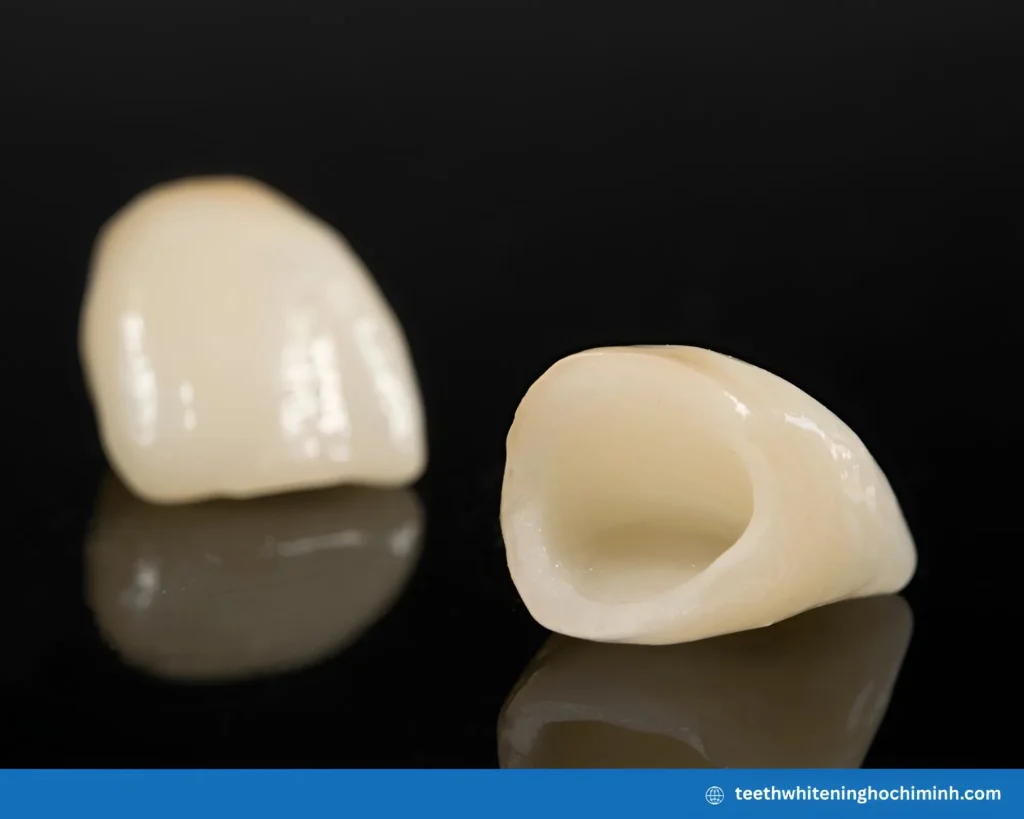
| Natural Teeth | Dental Crowns |
| Porous enamel structure | Non-porous ceramic/porcelain |
| Organic components respond to peroxide | Unaffected by whitening |
| Stains penetrate tooth layers | Stains sit only on surface |
| Bleaching agents oxidize internal discoloration | Chemical whitening has no effect |
What happens when you apply teeth whitening on crowns
Many patients wonder “can teeth whitening work on crowns” after noticing their natural teeth whitening while crowns remain the same shade. This creates a noticeable color mismatch that often looks worse than before treatment began.
Surface cleaning happens with whitening products – they can remove superficial stains from crown surfaces, similar to regular brushing. However, this doesn’t change the crown’s base color. Natural teeth continue lightening with each application while teeth whitening crowns reach their cleaning limit quickly.
The color gap widens progressively, making teeth whitening for crowns an ineffective solution for color matching. Those asking “can you do teeth whitening on crowns” should understand that while technically possible, the treatment creates aesthetic complications rather than solutions.
Safety concerns: Will teeth whitening damage crowns?
Safety concerns arise when patients ask “will teeth whitening damage crowns” or whether whitening products pose risks to crown materials. The good news is that whitening products won’t harm crown materials themselves. Porcelain and ceramic crowns are chemically stable and resistant to peroxide solutions.
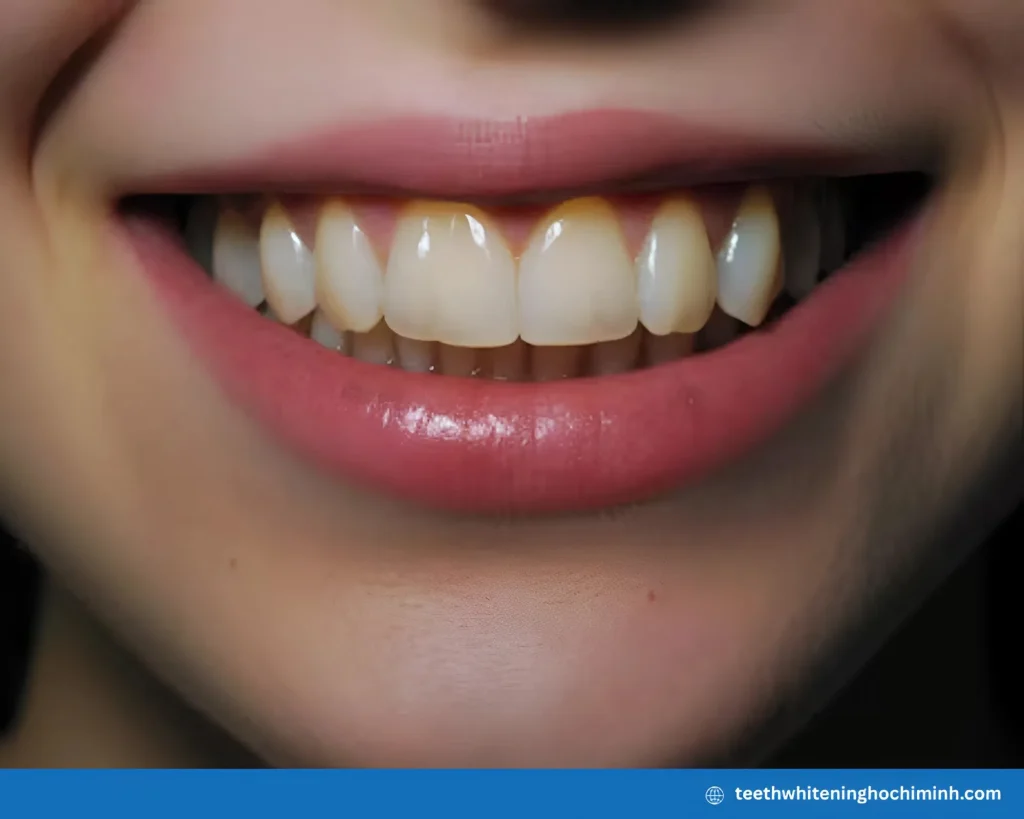
Since teeth whitening that whitens crowns doesn’t exist, patients essentially waste product applied to crowned surfaces. This matters particularly with expensive professional treatments where cost per application runs high.
When considering teeth whitening for crowns, patients should know the answer to whether teeth whitening is safe for crowns is yes for the crown itself, but the treatment remains ineffective and potentially wasteful. Understanding this helps patients asking “can i use teeth whitening on crowns” make informed decisions about teeth whitening for crowns procedures.
Do teeth whitening strips work on crowns?
Teeth whitening strips represent one of the most popular over-the-counter teeth whitening options, leading many to question “do teeth whitening strips work on crowns” and “can you use teeth whitening strips on crowns” The mechanism of action clarifies why results disappoint crown patients.
Whitening strips contain peroxide gel on a flexible plastic backing. Users apply strips directly to teeth for 30-60 minutes daily. While effective for natural enamel, teeth whitening strips on crowns cannot penetrate crown materials or alter their color.
Some patients consider using strips only on natural teeth while avoiding crowned areas, but this approach proves difficult to execute precisely, especially when dealing with teeth whitening with a front crown scenario.
Does laser teeth whitening work on crowns?
Professional laser teeth whitening represents the most powerful whitening option available, prompting questions like “does laser teeth whitening work on crowns” and whether this advanced technology can overcome crown material limitations.
Laser whitening involves applying concentrated hydrogen peroxide gel to teeth, then using LED or laser light to activate the bleaching process. This accelerates whitening, often achieving 6-8 shade improvements in a single session lasting 60-90 minutes.
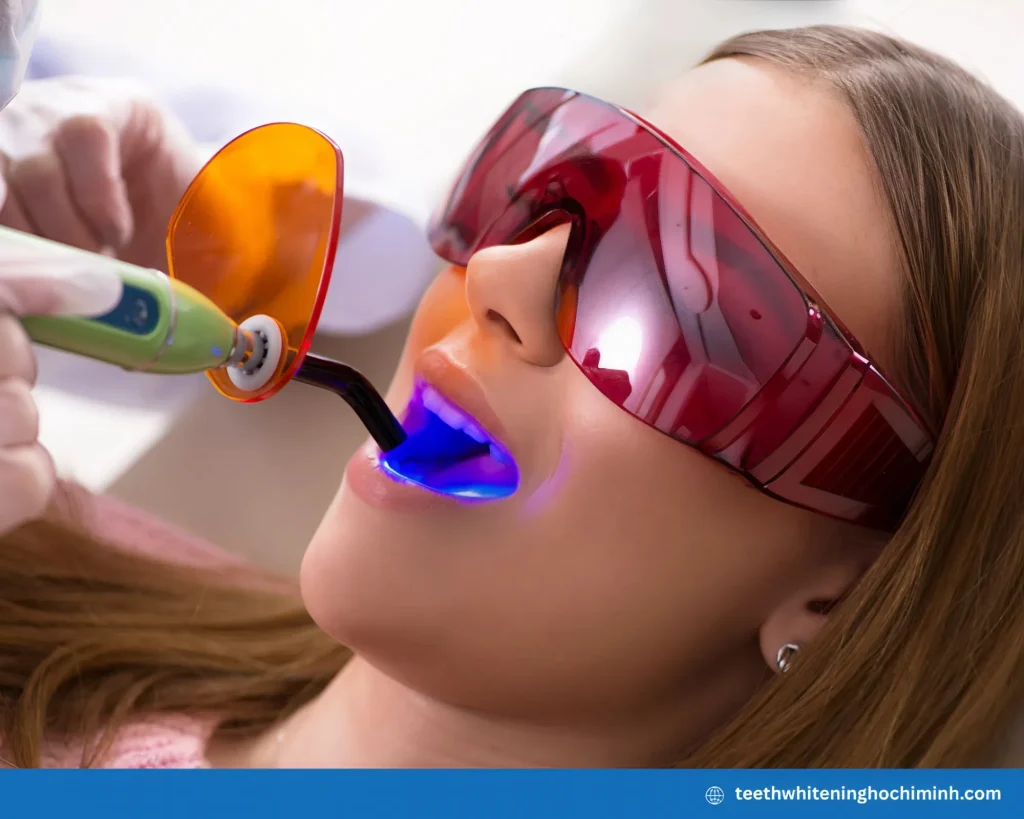
Unfortunately, laser teeth whitening on crowns produces the same null result as other methods. The laser activates peroxide to release oxygen molecules that penetrate enamel. Crown materials cannot absorb these molecules or undergo the chemical changes that create whitening effects.
Professional treatments cost $400-800 per session, making the investment significant when portions of the smile won’t respond. Results appear immediately, making the contrast between whitened natural teeth and unchanged crowns instantly visible. The question “can you get teeth whitening with crowns” has a yes answer for performing the procedure, but those wondering “can you have teeth whitening with crowns” should understand the outcome typically disappoints patients with prominent front crowns.
Best teeth whitening for crowns: Realistic solutions
Given that chemical whitening doesn’t work, what constitutes the best teeth whitening for crowns approach? Several practical strategies help patients achieve smile uniformity without expecting teeth whitening that works on crowns through chemical means.
Pre-whitening planning for teeth whitening for crowns success
The ideal scenario involves whitening natural teeth before crown placement. Patients should complete desired whitening treatments 2-3 weeks before crown impressions. Dentists then match the new crown to the brightened tooth color, ensuring long-term uniformity. This preventive approach to teeth whitening crowns answers “can you get teeth whitening if you have a crown” by suggesting proper treatment sequencing that prevents color mismatch issues entirely.
Professional cleaning and bonding for teeth whitening for crowns
While not true teeth whitening for crowns, professional cleaning removes surface stains from both natural teeth and crowns. This approach works when slight discoloration affects all teeth relatively equally. Dentists use specialized polishing compounds safe for crown materials, restoring surface brightness without chemical bleaching for teeth whitening crowns maintenance.
For minor color discrepancies in teeth whitening for crowns situations, dentists can apply composite resin over crown surfaces to adjust shade. This temporary solution lasts 2-5 years and costs less than full crown replacement, offering a bridge option for patients not ready for extensive restoration work.
Teeth whitening kits and products: What works for crown patients
Marketing claims sometimes suggest certain products represent teeth whitening that works on crowns or teeth whitening that whitens crowns. These claims mislead consumers, as no over-the-counter or professional chemical whitening product can alter crown material color.
| Product Type | Crown Effectiveness | What It Actually Does |
| Whitening kits | None | Works only on natural enamel |
| Whitening toothpaste | Surface cleaning only | Removes superficial stains via abrasives |
| Whitening pens | None | Whitening agents can’t penetrate crown materials |
| LED light systems | None | No effect on ceramic/porcelain |
| Whitening strips | None | Same peroxide limitations |
| Professional trays | None | Strong gel still can’t alter crowns |
Do teeth whitening kits work on crowns? No – standard kits use peroxide chemistry that cannot penetrate ceramic materials. When patients ask about a teeth whitening pen for crowns or “do teeth whitening pens work on crowns” they face the same permeability limitations.
The search for a teeth whitening kit safe for crowns is valid for safety concerns, but effectiveness remains zero for color change. Understanding these limitations helps patients approach teeth whitening for crowns with realistic expectations.
The reality remains: teeth whitening products that work on crowns don’t exist beyond surface cleaning. Any product claiming otherwise makes false promises about teeth whitening for crowns capabilities. Patients considering teeth whitening for crowns should focus on proper treatment sequencing rather than searching for miracle products that can change crown color.
Strategic planning for teeth whitening if you have a crown
For patients wondering about teeth whitening if you have a crown, strategic planning makes all the difference. The key is understanding treatment limitations and timing interventions appropriately.
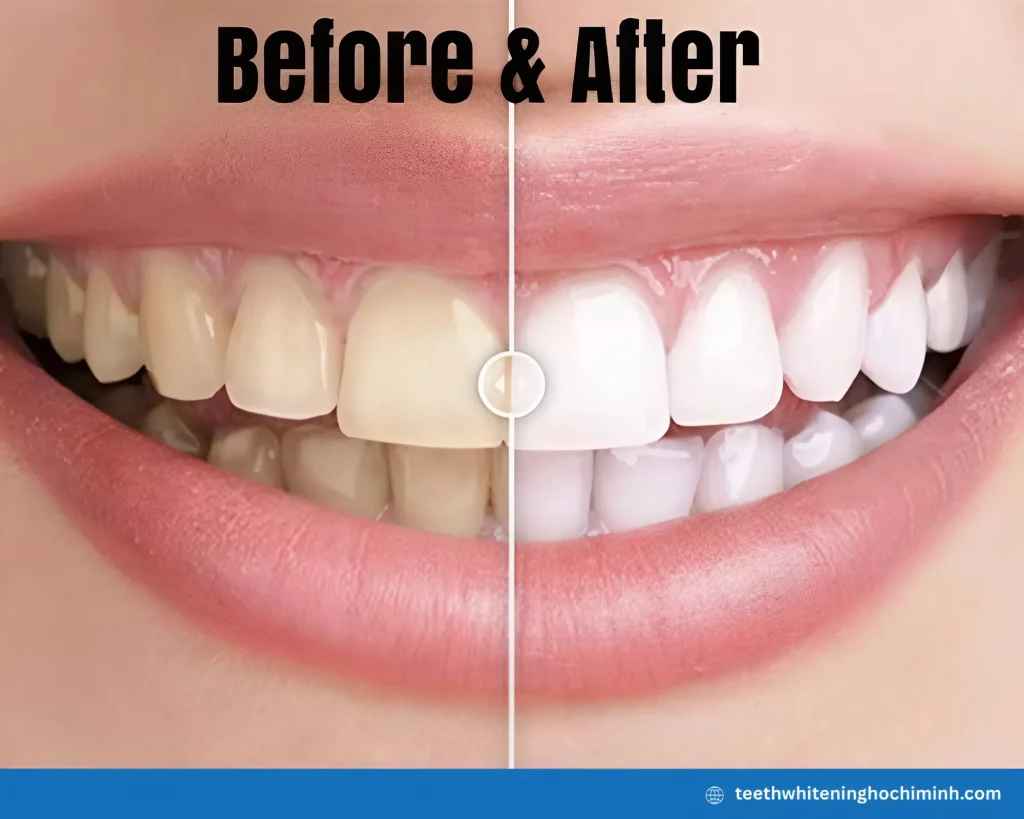
Single crown scenarios: If you have one crown among natural teeth, whiten natural teeth first, then replace the crown to match. This addresses concerns about teeth whitening with a front crown where color mismatch becomes most noticeable.
Future crown work: Always complete desired teeth whitening before any crown placement. This simple sequencing prevents color mismatch issues entirely and answers “will teeth whitening work on crowns” by avoiding the problem altogether.
Planning a treatment sequence properly saves money and prevents aesthetic disappointment. Patients who whiten after receiving crowns inevitably face the choice between accepting color mismatch or paying for crown replacement.
Alternative approaches for uniform smile brightness
Strategic treatment sequencing prevents problems before they start: assessment phase to identify crowned versus natural teeth, whitening phase treating only natural teeth to desired shade, stabilization phase waiting 2-3 weeks for color to settle, crown phase placing new crowns or replacing old ones to match, and maintenance phase with regular cleanings to maintain uniformity.
Understanding that teeth whitening work on crowns has a negative answer helps patients make informed decisions about treatment timing and crown replacement planning.
Frequently asked questions about teeth whitening for crowns
Does teeth whitening work on crowns?
No, chemical whitening cannot change crown color because porcelain and ceramic materials are non-porous and don’t respond to peroxide-based bleaching agents.
Can you do teeth whitening on crowns safely?
Yes, whitening products won’t damage crowns, but the treatment remains ineffective for color change and may cause color mismatch with natural teeth.
What is the best teeth whitening for crowns?
The best approach involves whitening natural teeth before crown placement, or replacing existing crowns after whitening to match the new shade.
Do teeth whitening strips work on crowns?
No, whitening strips are unable to penetrate crown materials or alter their color, though they may remove minor surface stains.
Does laser teeth whitening work on crowns?
No, even powerful laser whitening cannot change crown material color, though it effectively whitens natural teeth.
Will teeth whitening damage crowns?
No, peroxide-based whitening products won’t harm porcelain or ceramic crowns, but won’t change their color either.
Can you get teeth whitening if you have a crown?
Yes, you can undergo whitening treatments, but crowns won’t change color, potentially creating noticeable shade differences with whitened natural teeth.
Do teeth whitening kits work on crowns?
No, standard whitening kits use peroxide that cannot alter crown material color; only natural tooth enamel responds to chemical bleaching.
Can I use teeth whitening on crowns?
While safe to use, whitening products applied to crowns won’t change their color, making the application wasteful and potentially creating color mismatch.
How much does crown replacement cost after whitening?
Crown replacement costs $800-1,500 per tooth in Western countries, with significantly lower prices in dental tourism destinations like Ho Chi Minh City.
Conclusion
Understanding that teeth whitening for crowns requires different strategies than natural tooth whitening helps patients make informed decisions. Chemical bleaching methods cannot alter crown materials, making treatment timing and crown replacement the primary solutions for achieving uniform smile brightness. Whether considering teeth whitening strips on crowns, professional laser treatments, or at-home kits, the fundamental limitation remains unchanged – crown materials don’t respond to peroxide-based whitening.
For international patients seeking comprehensive cosmetic dentistry solutions, Teeth whitening Ho Chi Minh provides detailed reviews of dental clinics specializing in crown replacement, whitening treatments, and smile makeovers, helping visitors find qualified English-speaking dentists who can address both natural teeth whitening needs and crown color matching for optimal aesthetic results.
