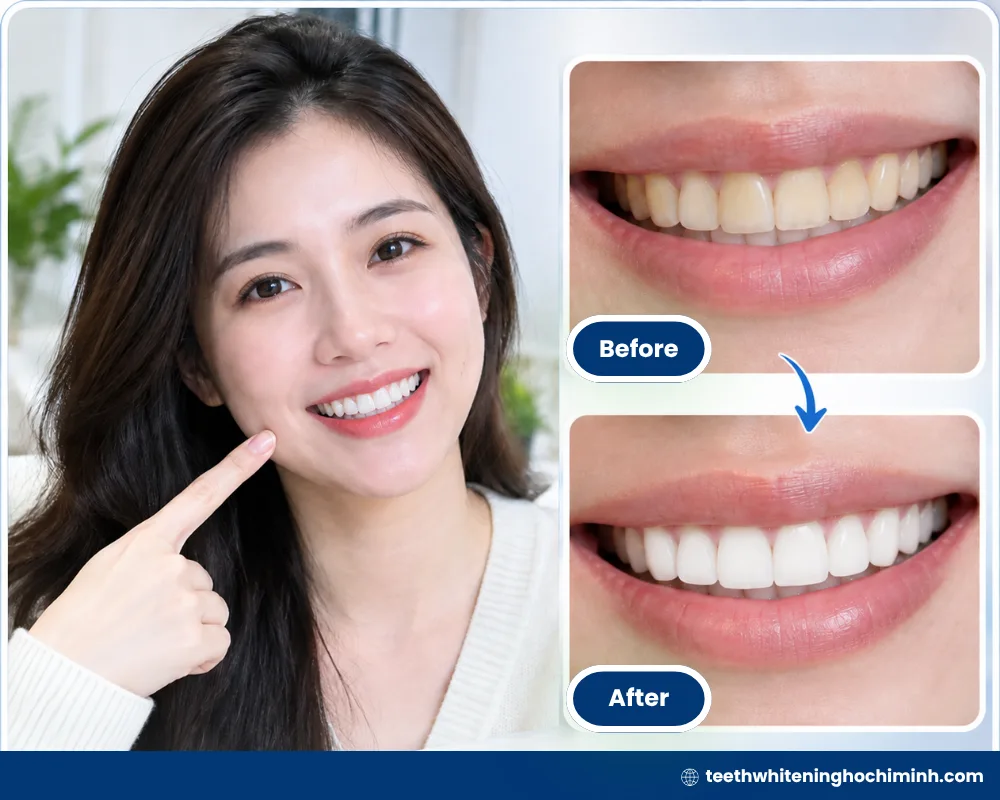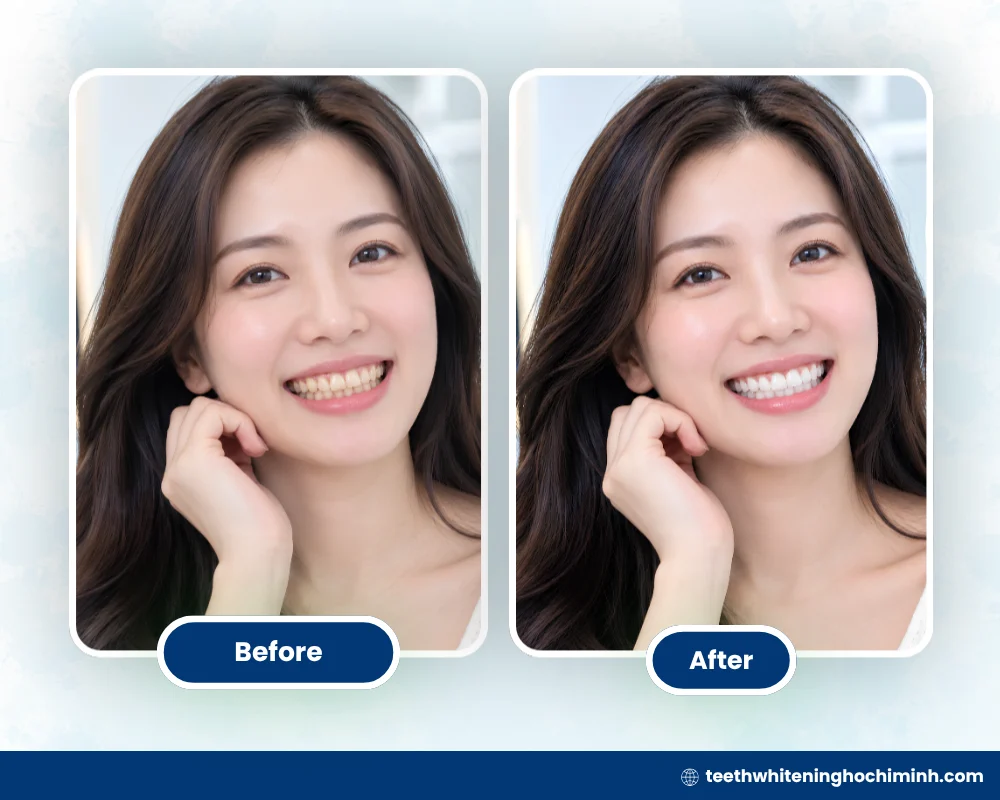
Do home teeth whitening kits work, or are they just marketing hype? The honest answer is yes, but only when ingredient concentration and usage match your teeth’s needs. Strips, trays, pens, and LED kits whiten differently, and results vary by stain type and consistency. Explore Teeth Whitening in Ho Chi Minh City to see how these kits perform in practice.
What are home teeth whitening kits?
A home teeth whitening kit lightens tooth enamel without a dental office visit. Understanding how do home teeth whitening kits work starts with the active bleaching agent, which penetrates enamel and breaks down stain molecules with repeated use.
Hydrogen peroxide vs. carbamide peroxide
Hydrogen peroxide and carbamide peroxide both oxidize stain molecules, breaking them into smaller, less visible compounds. Hydrogen peroxide typically ranges from 3-10% and acts fast. Carbamide peroxide, often 10-22%, releases hydrogen peroxide slowly, so it works gently over longer wear times. This gradual release helps explain why these kits work effectively on surface stains.
Common types of kits
Shoppers searching for home teeth whitening kits that work usually choose from among four common formats. Knowing do home teeth whitening kits work in each format helps set realistic expectations before finally making a purchase.
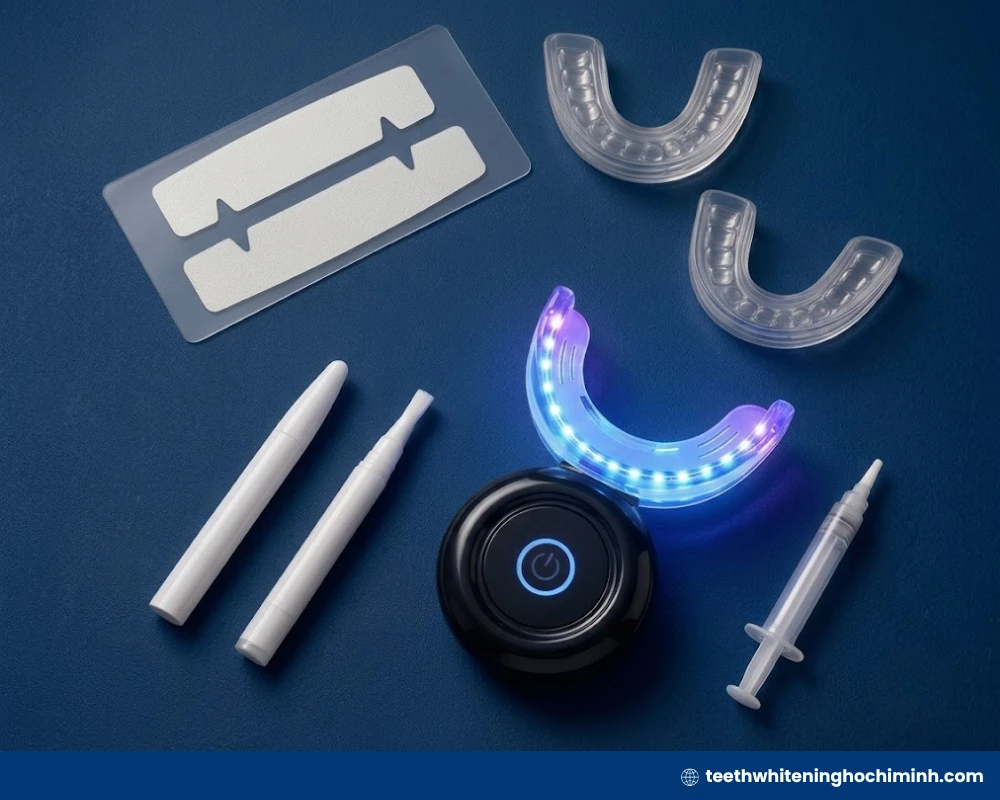
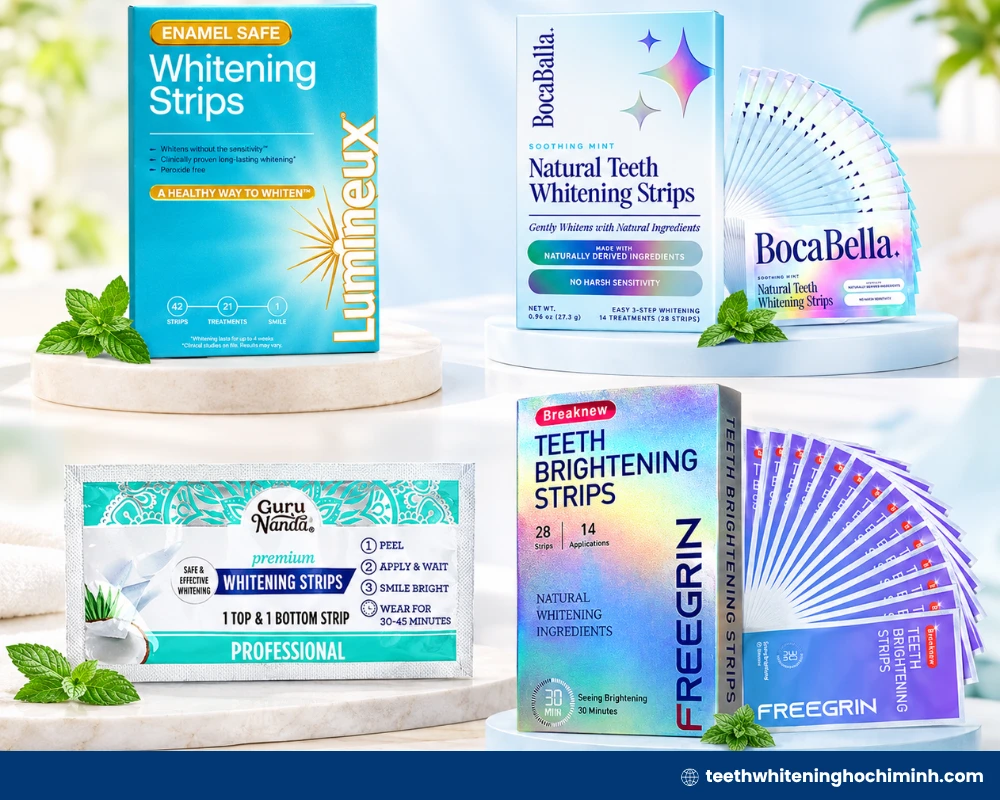
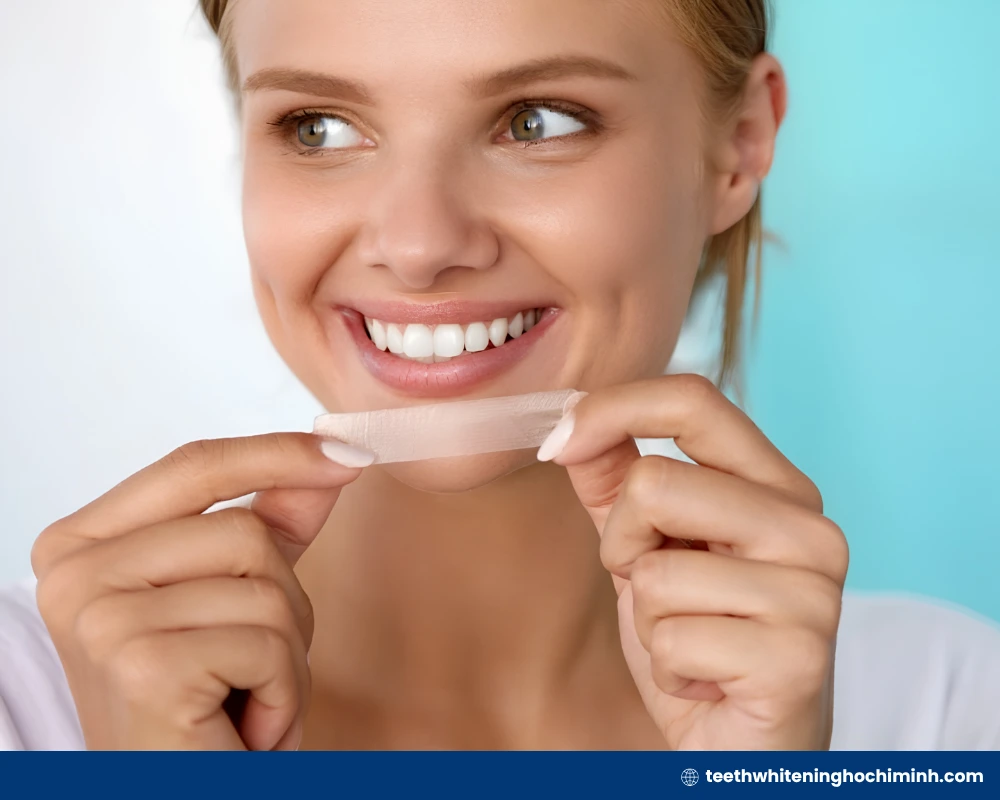
- Whitening strips: Thin, flexible strips with peroxide gel that adhere to teeth for 30-60 minutes daily, a budget-friendly option whitening over two weeks.
- Whitening trays: Mouthguard-style trays filled with gel and worn for one to several hours, giving even, all-round coverage across tooth surfaces than strips.
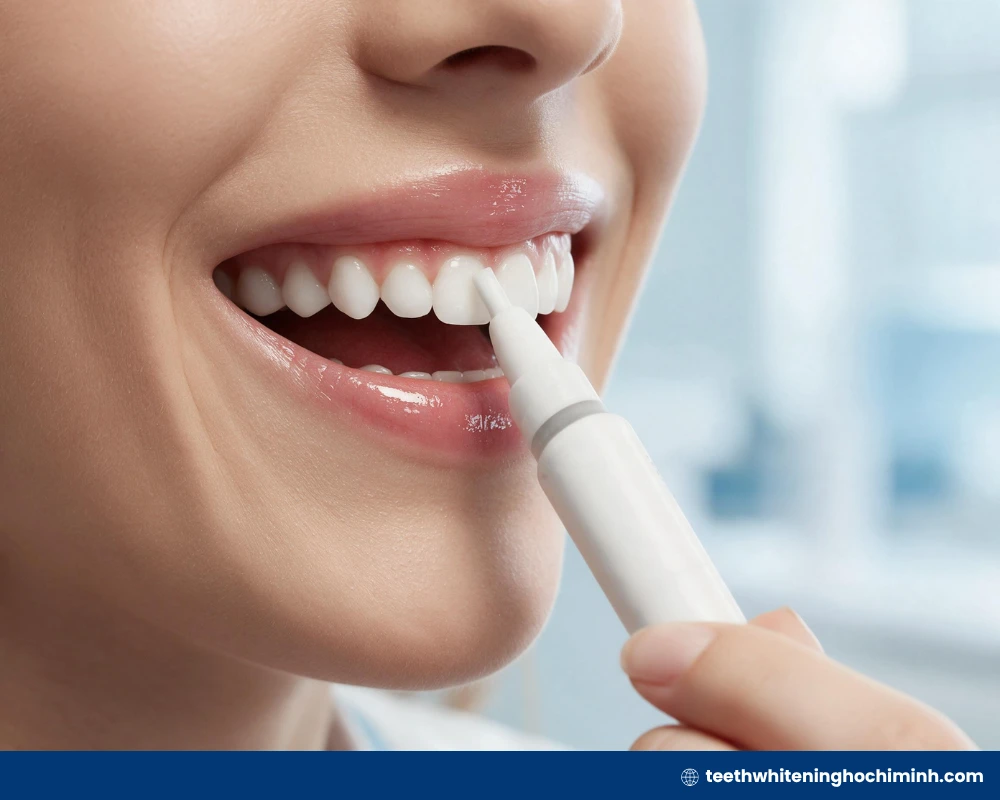
- Whitening pens: Small, portable applicators with a brush tip for touch-ups, best suited for maintaining results between whitening sessions rather than deep correction.
- LED-light kits: Bundle a peroxide gel with a blue LED device claimed to speed the reaction; the light’s benefit remains debated among researchers.
Do home teeth whitening kits work? What science says
Do home teeth whitening kits work according to dental science, or is the evidence mostly anecdotal? Research and professional dental organizations confirm that properly formulated kits produce measurable whitening, provided they meet the safety and concentration standards set for consumer use.
ADA safety standards
The American Dental Association’s Seal of Acceptance identifies at home teeth whitening kits that work safely within approved concentration limits. Products carrying this seal have undergone clinical testing for both efficacy and enamel safety. The ADA generally recognizes hydrogen peroxide up to 10% and carbamide peroxide up to 22% for at-home formulas, giving buyers a reliable safety benchmark.
Extrinsic vs. intrinsic stains
Extrinsic stains form on the outer enamel layer from everyday habits like coffee, tea, red wine, or smoking. Because they sit on the surface, peroxide gel breaks down the pigment within two weeks, making this the type where such kits work best.
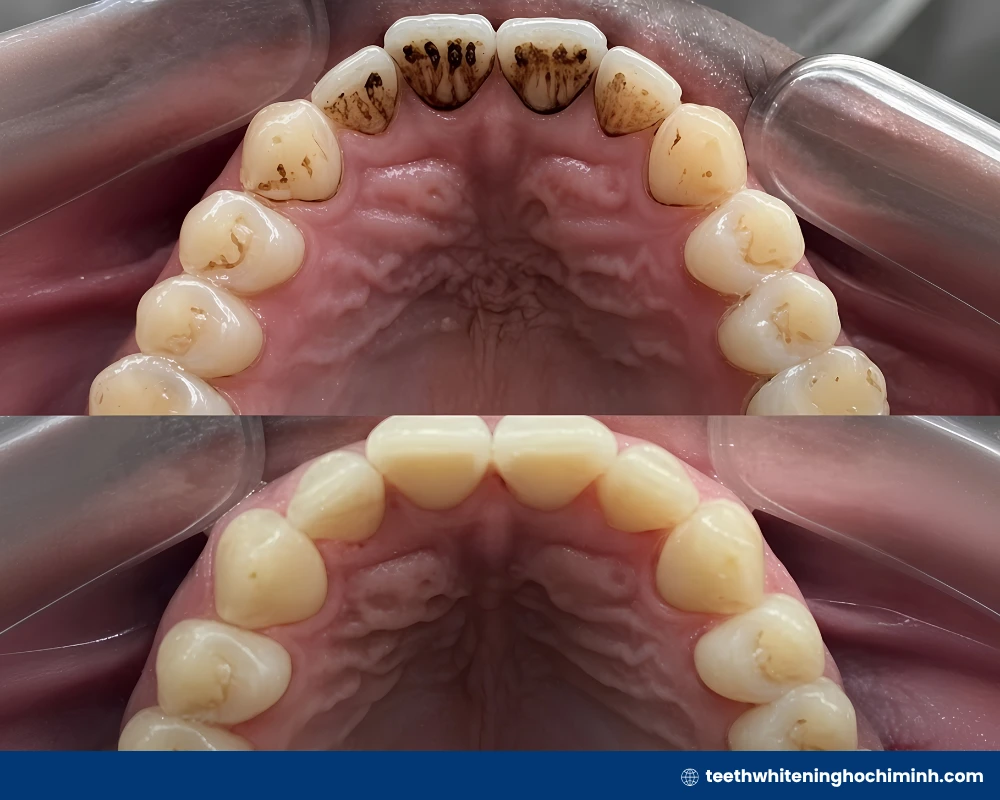
Intrinsic stains develop inside the dentin or enamel structure, often caused by medication such as tetracycline, dental trauma, or fluorosis. Topical gels can’t reach that deep, so home kits leave these stains largely unchanged, and professional options like veneers or in-office bleaching usually work better.
What makes a whitening kit work
Do home teeth whitening kits really work, or does success depend on how they’re used? Three factors determine whether any kit delivers visible results: ingredient concentration, application habits, and starting tooth condition.
Active ingredient concentration
Higher peroxide concentrations whiten teeth faster, but raise the risk of sensitivity and gum irritation. Before buying, check the percentage listed on the label rather than trusting marketing claims alone. This detail explains much of do home teeth whitening kits work as intended, since concentration directly controls both speed and comfort.
Duration and frequency of use
Most kits need consistent daily use over one to two weeks to show change. Skipping days slows progress, but doubling up doesn’t speed it up. Overuse strips enamel and raises sensitivity instead of speeding results. When people ask do any home teeth whitening kits work, the answer is that patience matters more than intensity.
Initial tooth condition
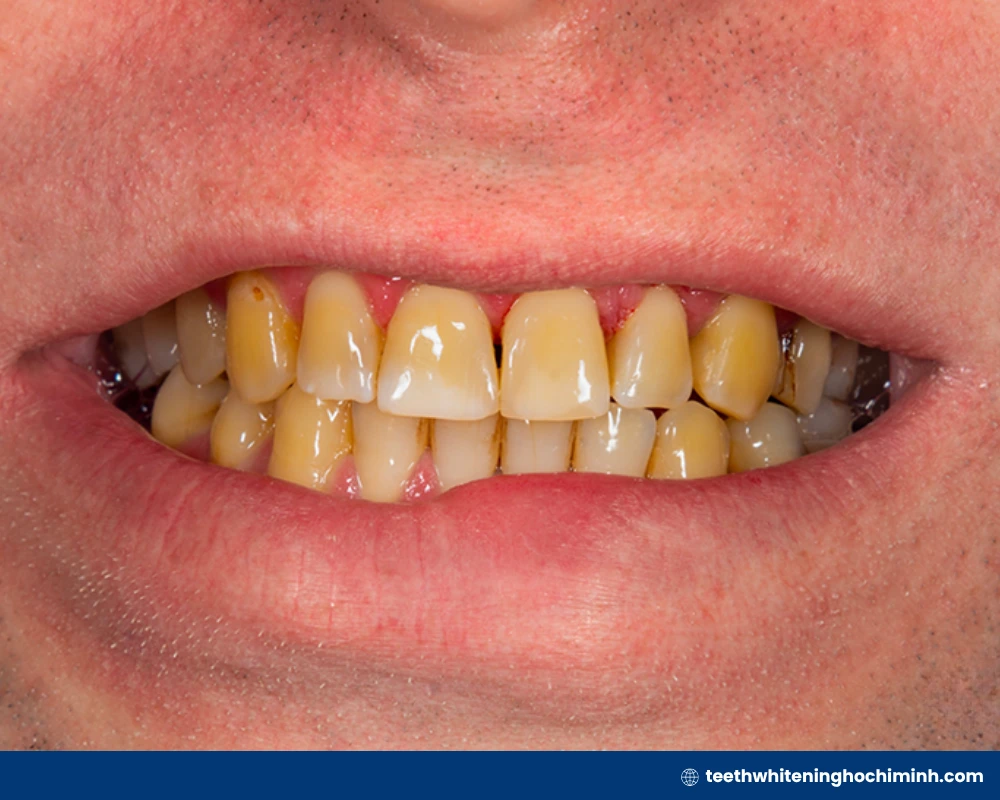
Starting shade, enamel thickness, and existing stain type shape how much whitening a kit can achieve. Someone with mild yellowing from coffee sees faster change than someone with darker enamel or old fillings. This variability is exactly why do home teeth whitening kits work differently from person to person, even with identical products.
Comparing home teeth whitening kit types
Finding home teeth whitening kits that actually work often comes down to matching format to lifestyle and goals. The table below compares strips, trays, pens, and LED kits side by side.
| Type | How it works | Typical duration | Pros/Cons |
| Strips | Peroxide gel strips pressed onto teeth | 30-60 minutes per day, for about 2 weeks | Affordable, less even coverage |
| Trays | Gel-filled tray worn over teeth | 1+ hours/day, 1-2 weeks | Full coverage, bulky fit |
| Pens | Brush-on gel for spot touch-ups | A few minutes/day, ongoing | Portable, not for deep whitening |
| LED kits | Gel plus light device | 10-20 min/day, 1-2 weeks | Light’s added benefit unproven |
Whitening strips
Whitening strips are thin, flexible pieces coated with peroxide gel that press against the front teeth for 30 to 60 minutes daily. Their gradual-release formula limits sensitivity while lifting surface stains over two weeks. Budget-conscious buyers wondering do home teeth whitening kits work without a big investment usually start here.
Whitening trays
Trays come pre-filled or custom-fit, holding gel against every visible tooth surface longer than strips allow. Custom trays, molded to an individual’s bite, distribute gel evenly and reach areas strips miss. Anyone comparing an at home teeth whitening kit that works across the whole smile usually finds trays perform best.
Whitening pens
Whitening pens use a brush tip to apply gel to teeth, ideal for quick touch-ups, not full-mouth correction. Their portability suits busy schedules, but limited gel volume means they rarely handle deep discoloration alone. Pens show that do home teeth whitening kits work partly depends on matching tool to goal.
LED light kits
LED-light kits pair a peroxide gel with a blue light claimed to speed up the oxidation reaction. Manufacturers market the light as a booster, but research shows mixed results on its true effect. Anyone choosing a home teeth whitening kit that works based on evidence should weigh concentration over light.
Home kits vs. professional in-office whitening
Do home teeth whitening kits work as well as a dentist’s chairside procedure? Not quite, but the gap between the two options has narrowed as consumer-grade formulas have improved in both strength and delivery.
Speed and degree of whitening
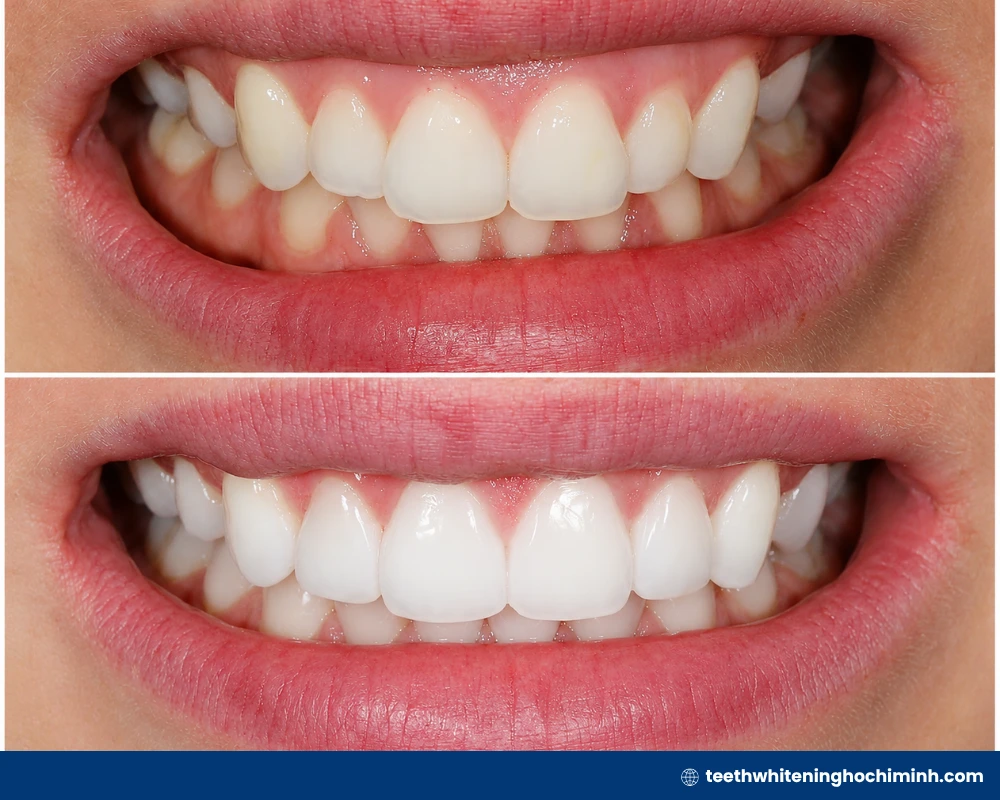
In-office whitening lifts teeth three to eight shades in one visit using higher, supervised peroxide concentrations. Home kits usually achieve two to four shades over one to three weeks of daily use. People often ask do at home teeth whitening kits work as well as a dental visit, gradually yes.
Cost and convenience
In-office whitening costs $300-$800 per session, while home kits range from $15 for strips to $150 for trays. Home kits also skip the appointment and chair time entirely. For most people without complex dental history, these kits work well enough to justify skipping the higher price tag.
Side effects and safety considerations
No whitening method is entirely risk-free, and being upfront about side effects matters as much as celebrating results. Many people ask do take home teeth whitening kits work without lasting harm, and the answer depends on following instructions closely.
Tooth sensitivity and gum irritation
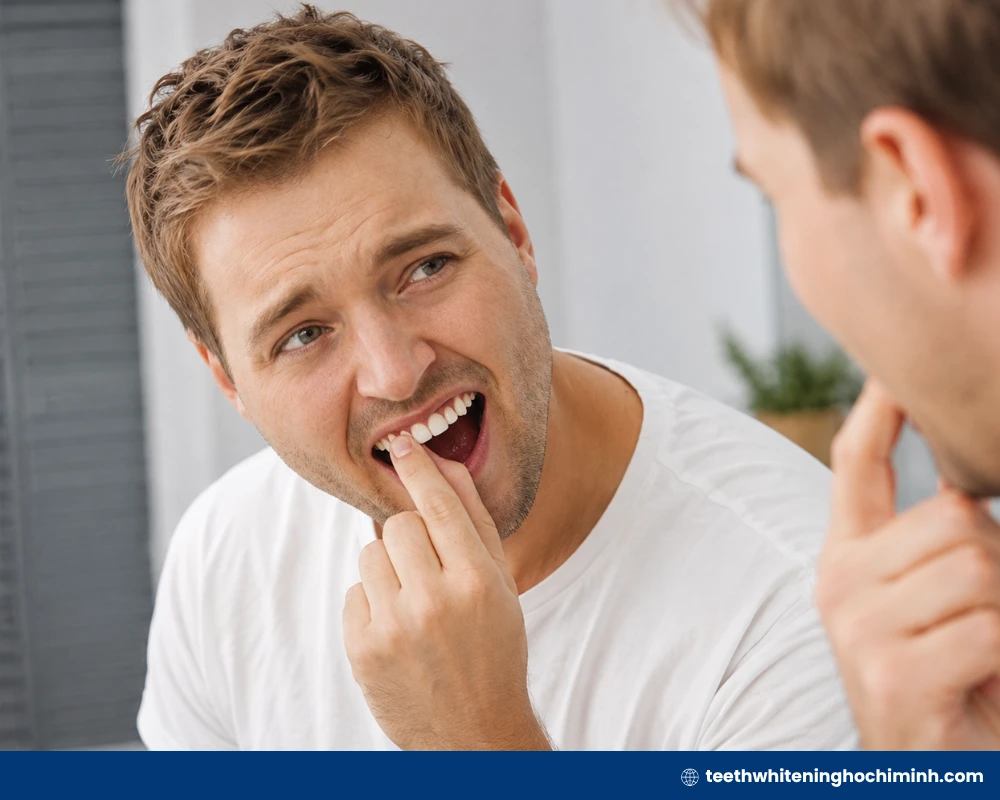
Sensitivity happens when peroxide temporarily exposes the dentin layer beneath enamel, letting hot or cold triggers reach nerves more easily. Gum irritation can occur if gel touches soft tissue. Both effects are usually temporary and fade quickly. Desensitizing toothpaste helps confirm do home teeth whitening kits work without permanent harm.
Who should avoid these kits
Not everyone is a good candidate for at-home bleaching, and knowing the exceptions protects both comfort and long-term results. The following groups should always check with a dentist before starting any whitening kit at home.
- Pregnant or breastfeeding individuals: Limited safety data exists on peroxide exposure during pregnancy, so most dentists recommend waiting until afterward.
- People with visible dental work: Crowns, veneers, and bonding don’t respond to peroxide, which is one reason do home teeth whitening kits work unevenly for anyone with restorations, leaving a visible color mismatch.
- Anyone with untreated cavities or gum disease: Peroxide can reach exposed dentin or inflamed tissue through decay or receding gums, causing pain.
- Children under a certain age: Enamel is still developing in younger children, and most kits are formulated and tested for adult use only.
Conclusion
So, do home teeth whitening kits work? Yes, for most people dealing with everyday surface stains, provided they choose an ADA-recognized concentration and stick to the instructions. Results vary with stain type, consistency, and starting shade, so expectations should stay realistic. Visit Teeth Whitening in Ho Chi Minh City to compare options and find a kit suited to your smile.