Does teeth whitening hurt? For most patients, the treatment causes mild, temporary sensitivity rather than actual pain. This sensitivity usually fades within one to three days after the session ends. Understanding why does teeth whitening hurt for some people and not others helps patients prepare properly before their appointment.
Why does teeth whitening hurt?
Teeth whitening hurts because the whitening agent temporarily opens tiny channels in the enamel to reach the dentin layer underneath. This process can expose nerve endings to temperature and pressure changes, which creates a brief tingling or zinging sensation. The active ingredient in most whitening products is either hydrogen peroxide or carbamide peroxide, both of which work by breaking down stain molecules inside the tooth structure.
During this process, the enamel becomes slightly more permeable, allowing hot or cold stimuli to reach the nerve more easily than usual. This is why teeth whitening teeth hurt sensations often show up as quick, sharp twinges rather than constant pain, typically triggered by cold air, cold drinks, or sometimes even talking. It is a normal physiological response, not a sign of damage.
Does professional teeth whitening hurt more than at-home kits
Does professional teeth whitening hurt more than home kits? Generally, no, since dentists control the concentration and application time to reduce sensitivity risk. This is often the deciding factor for patients trying to determine does teeth whitening hurt less in a controlled clinical setting compared to home use.
Professional clinics apply protective gel to the gums before starting treatment, and this barrier prevents the whitening agent from irritating soft tissue, one of the more common causes of pain during unsupervised home use. Dentists also monitor the patient throughout the session and can pause or adjust the treatment if sensitivity becomes too strong.
Teeth whitening does it hurt during the procedure
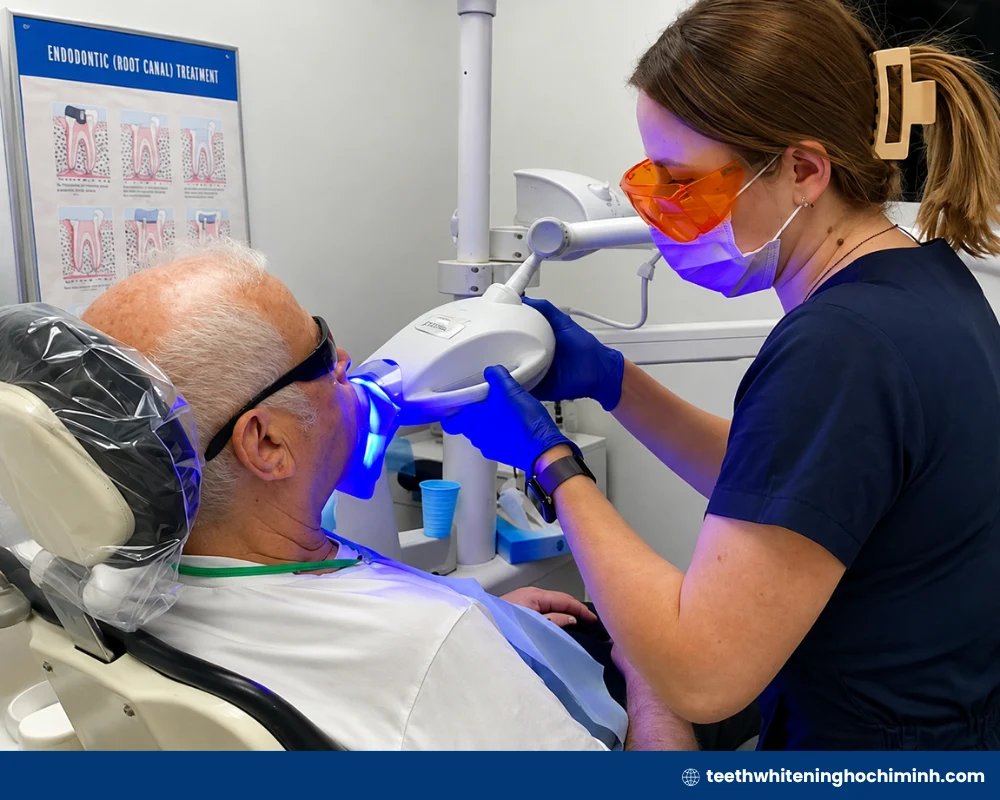
Teeth whitening does it hurt during application depends on the method used, but most patients describe the sensation as mild discomfort rather than sharp pain. In-office laser or LED sessions typically last 30 to 60 minutes, with breaks built in to monitor comfort levels. Some patients feel nothing at all during the procedure itself.
Others notice a tingling sensation toward the final stages of treatment, particularly if their enamel is thinner than average or if they already had some sensitivity beforehand. This session-by-session monitoring is largely why does teeth whitening hurt less than patients originally expect once treatment actually begins.
Teeth whitening methods and their pain levels
Different whitening methods carry different sensitivity profiles, and choosing the right one can significantly affect comfort. This is one reason does teeth whitening hurt more with certain methods is a common comparison patients raise when weighing their options.
In-office laser whitening
Laser teeth whitening tends to produce the strongest results in one visit, since it uses a higher concentration gel activated by light. This higher concentration also carries a slightly greater chance of temporary sensitivity compared to gentler methods, though the effect typically fades within a day or two.
LED-activated gel treatments
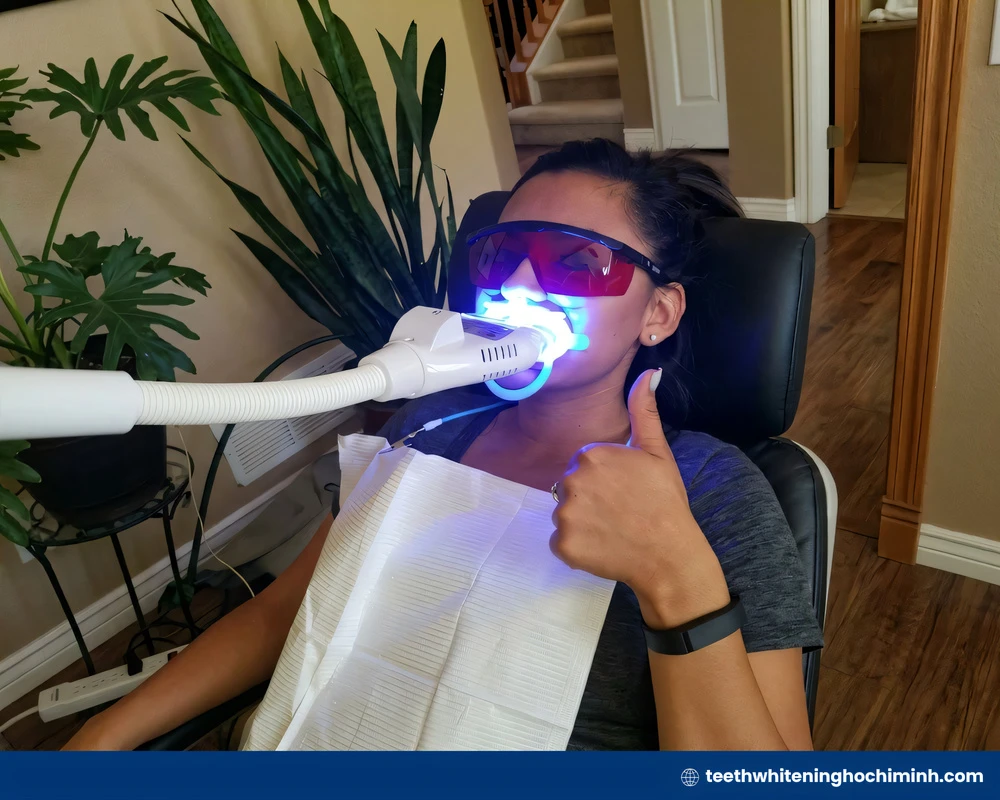
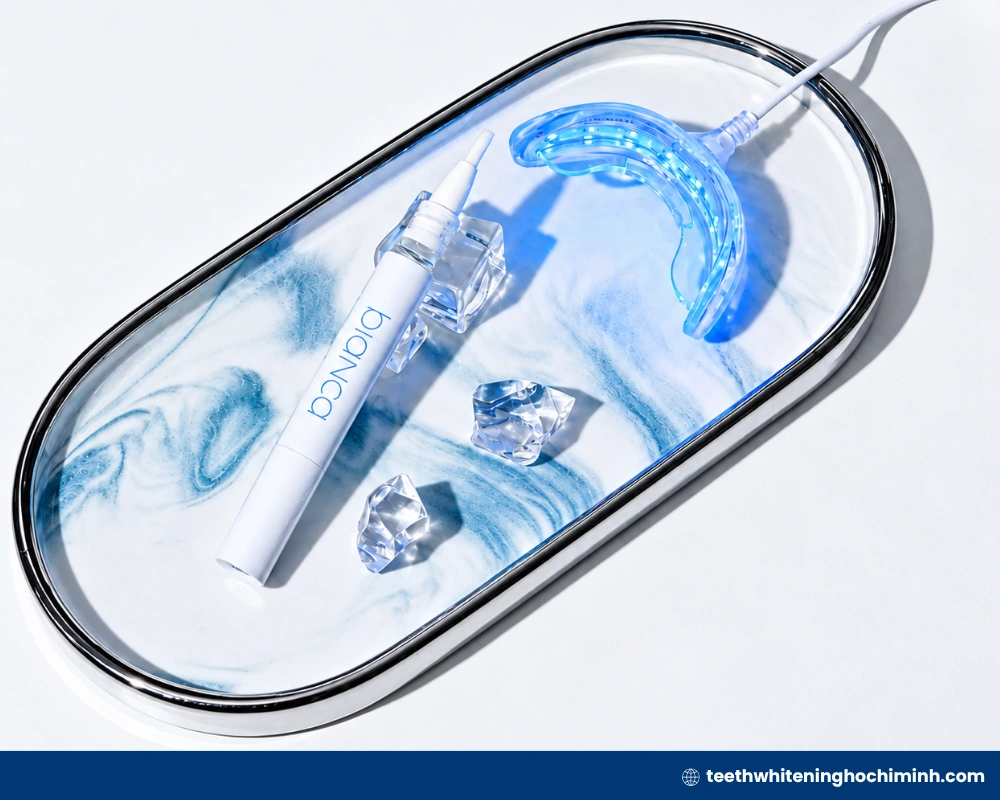
LED-activated gel treatments generally use a lower concentration than laser systems, which usually means less intense sensitivity but a longer overall treatment time to achieve similar results. Patients who want visible whitening with a gentler feel often prefer this option over laser treatment.
Custom take-home trays
Custom take-home trays sit at the mildest end of the spectrum, since the lower concentration gel is worn gradually over several days rather than applied all at once. Patients who are especially concerned about sensitivity often start with take-home trays before considering a stronger in-office option.
Does teeth whitening hurt your teeth
Does teeth whitening hurt your teeth or enamel permanently? No, when performed correctly by a licensed dentist, the treatment does not cause lasting damage to enamel structure. Sensitivity is temporary and resolves once the enamel’s permeability returns to normal.
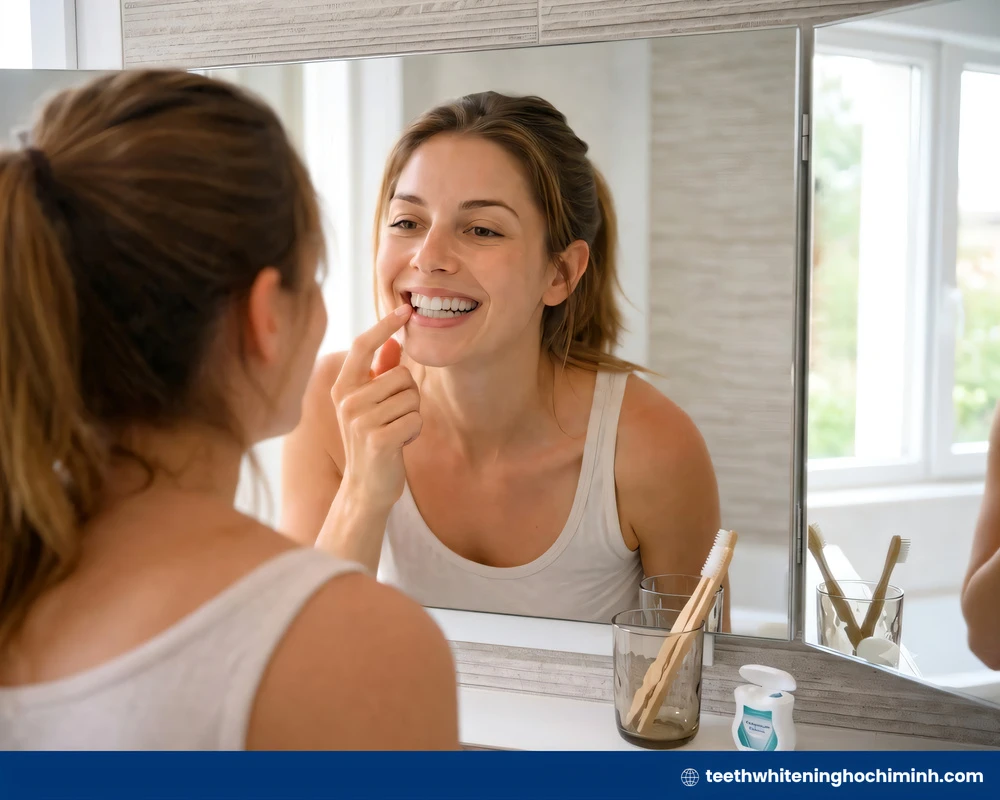
Research on whitening agents shows that the enamel surface remains structurally intact after treatment, provided the correct concentration and exposure time are followed. Overuse or misuse of high-strength products without professional guidance is what typically leads to enamel weakening over time. This distinction matters for patients researching teeth whitening hurt enamel concerns online.
How long does whitening sensitivity typically last
Most sensitivity following a whitening session lasts between 24 and 72 hours before fading completely. In rare cases, mild tingling can persist for up to a week, particularly after multiple sessions completed close together. Patients tracking their recovery often ask does teeth whitening hurt for this long as a way to judge whether their experience is within the normal range.
Sensitivity generally peaks within the first few hours after treatment and gradually decreases each day afterward. Patients who follow proper aftercare instructions, such as avoiding very hot or cold foods, often notice their sensitivity resolves faster than those who resume normal eating habits immediately.
Common causes of teeth whitening pain
Several factors influence why does teeth whitening hurt my teeth more for some patients than others. Reviewing this list also helps explain does teeth whitening hurt so differently from one person to the next. The table below outlines the most common causes.
| Cause | Effect on Sensitivity |
| Thin or worn enamel | Nerves are closer to the surface, increasing sensitivity |
| Existing gum recession | Exposed root surfaces react more strongly to whitening agents |
| High whitening agent concentration | Stronger gels penetrate faster, raising discomfort risk |
| Pre-existing cavities | Untreated decay can worsen pain during treatment |
| Extended exposure time | Longer contact with whitening gel increases nerve irritation |
Do teeth whitening hurt sensitive teeth?
Do teeth whitening hurt more for patients who already have sensitive teeth? Yes, existing sensitivity tends to increase the likelihood of discomfort during and after treatment. For this group in particular, does teeth whitening hurt is a fair question to raise honestly during the first consultation.
However, this does not mean whitening is off-limits for these patients, since dentists can adjust the whitening agent concentration, shorten application time, or recommend desensitizing toothpaste before and after the procedure. Patients with a history of sensitivity should mention this during their consultation.
Teeth whitening that doesn’t hurt enamel
Teeth whitening that doesn’t hurt enamel is achievable through controlled application, proper concentration levels, and professional supervision. Patients often bring up does teeth whitening hurt at this stage, since a pain-free approach is usually the outcome they are hoping for.
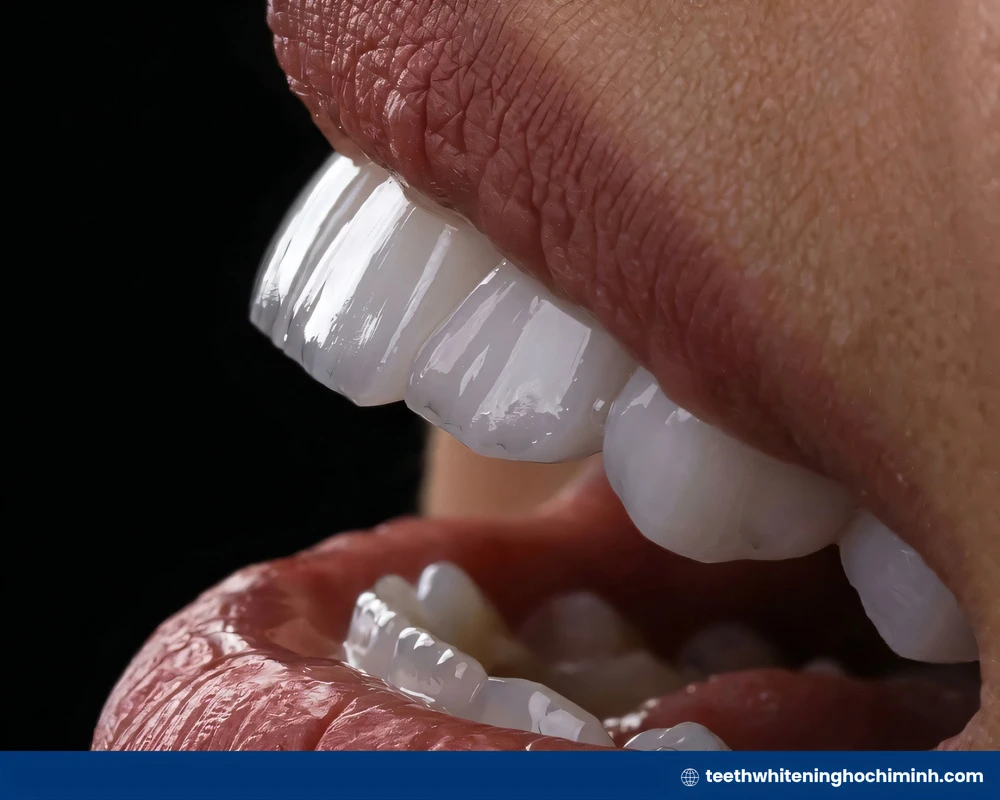
Dentists reduce enamel irritation by using desensitizing agents containing potassium nitrate or fluoride before and after treatment, which help calm nerve activity and support enamel remineralization. Choosing teeth whitening that doesn’t hurt often comes down to selecting a clinic that prioritizes gradual treatment over aggressive, one-time high-concentration sessions.
How to reduce whitening discomfort?
Reducing sensitivity involves simple steps that patients can follow both before and after their appointment.
Before treatment
- Use a sensitivity toothpaste for one to two weeks before the appointment
- Schedule a dental exam to rule out cavities or gum issues in advance
- Ask the clinic about lower-concentration options if sensitivity is a concern
After treatment
- Avoid extremely hot or cold foods immediately after the session
- Ask the dentist about a fluoride treatment following whitening
- Skip acidic foods and drinks for 24 to 48 hours post-treatment
- Report any unusual pain to the clinic rather than waiting it out
Following this list is one of the most effective ways to make sure does teeth whitening hurt becomes a non-issue by the time treatment is complete. Some clinics also recommend a short break of several days between multiple whitening sessions, which gives the enamel time to recover fully before the next round of treatment.
What to expect at a Ho Chi Minh City clinic?
Clinics across Ho Chi Minh City generally follow international safety standards for whitening treatment, particularly those serving expat and tourist patients. A proper consultation should always precede the procedure itself, during which dentists check for cavities, gum health, and enamel condition before recommending a whitening method.
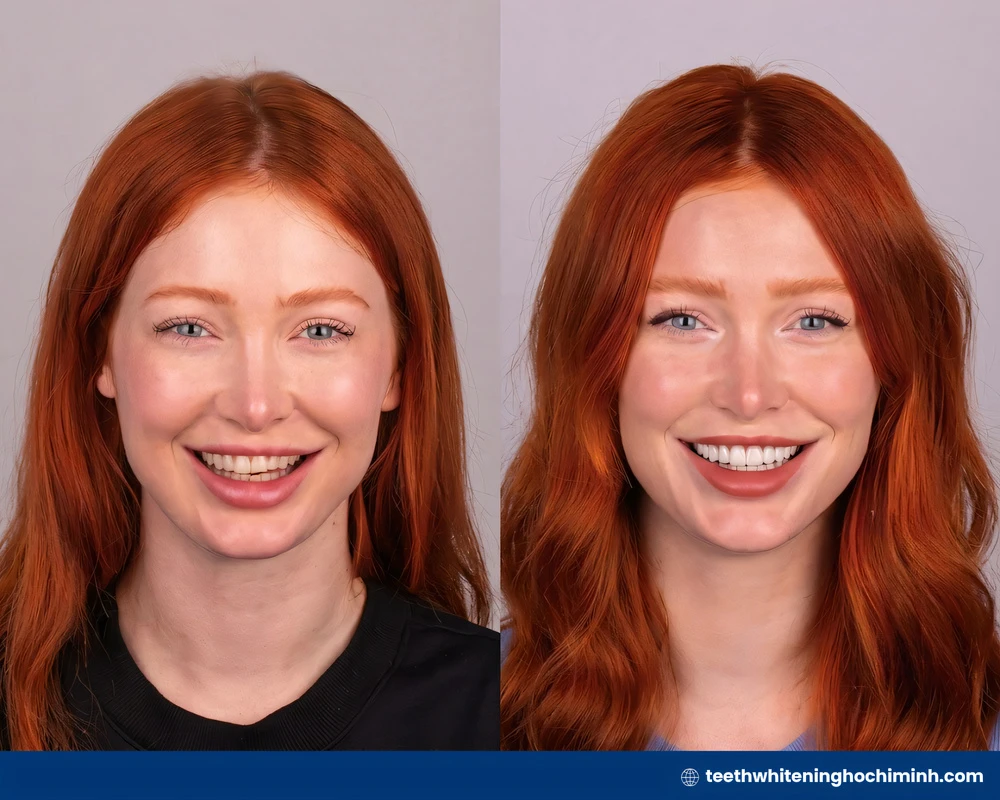
Many clinics in the city also offer sensitivity-reducing add-ons, such as fluoride gel application, as part of their standard whitening package. Patients relocating to or visiting Vietnam can expect a similar level of care to what is available in their home country, often at a more accessible price point, which makes it easier to combine cosmetic treatment with routine dental checkups during the same trip.
When to see a dentist about pain?
Persistent pain lasting more than three to four days after treatment is not typical and should be reported to a dentist. While mild sensitivity is expected, sharp or continuous pain may indicate an underlying issue such as an undetected cavity, a reaction to the whitening gel, or gum irritation from improper tray fit. If does teeth whitening hurt more with each passing day rather than less, this pattern in particular should prompt a call to the clinic.
A follow-up visit allows the dentist to identify the source of discomfort and recommend appropriate treatment. Patients should never ignore prolonged pain in the hope that it will resolve on its own, since early follow-up prevents minor irritation from developing into a more serious dental problem.
Teeth whitening and sensitivity summary
Does teeth whitening hurt in a way that should discourage patients from trying it? For the vast majority, the answer is no, since discomfort is mild, predictable, and manageable with the right precautions. Professional supervision remains the most reliable way to keep sensitivity under control.
Choosing a licensed clinic, communicating sensitivity history clearly, and following aftercare instructions all contribute to a more comfortable whitening experience. For expats and travelers in Ho Chi Minh City, this combination of professional care and proper preparation makes it possible to enjoy a brighter smile without unnecessary pain.