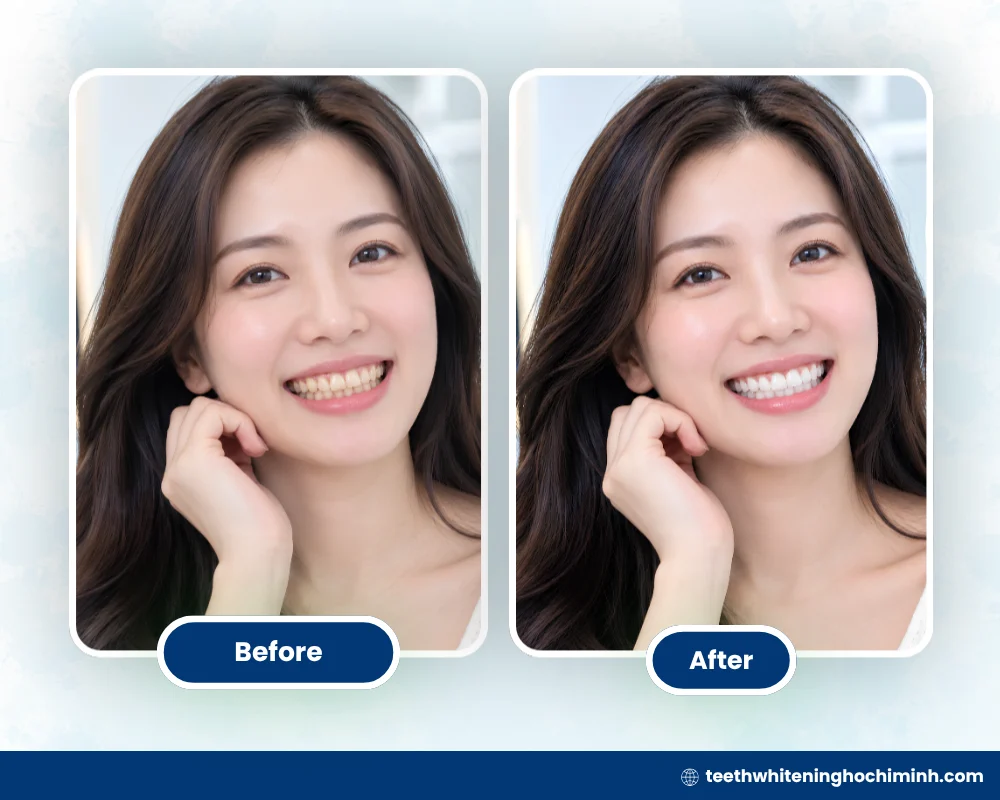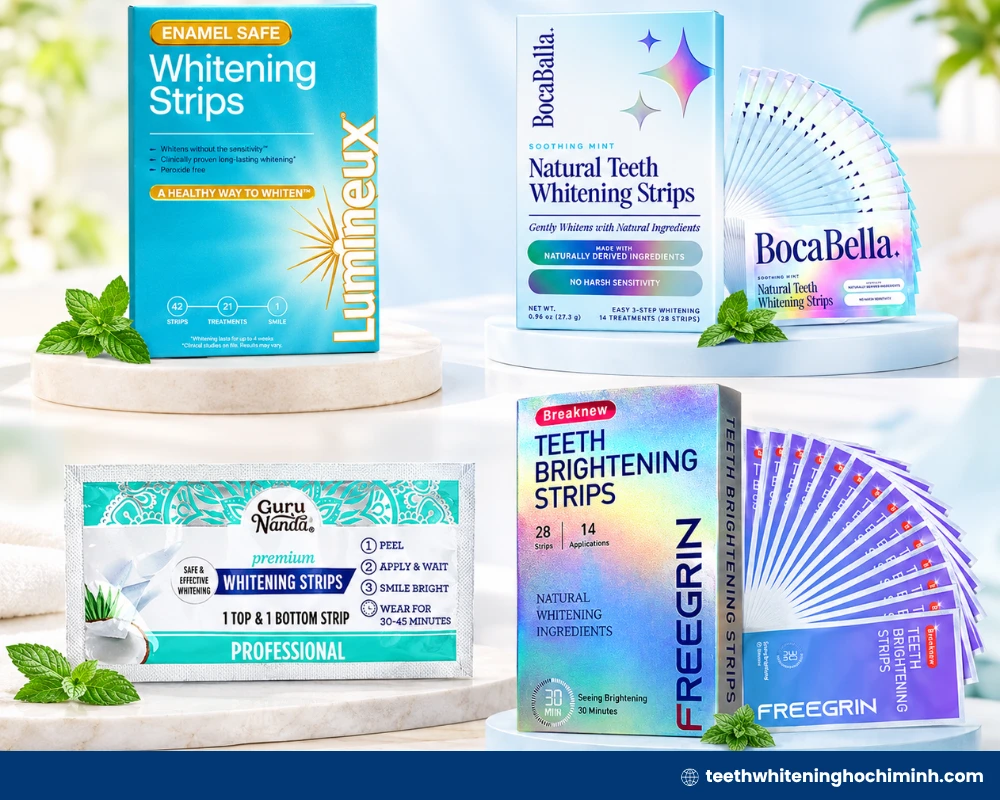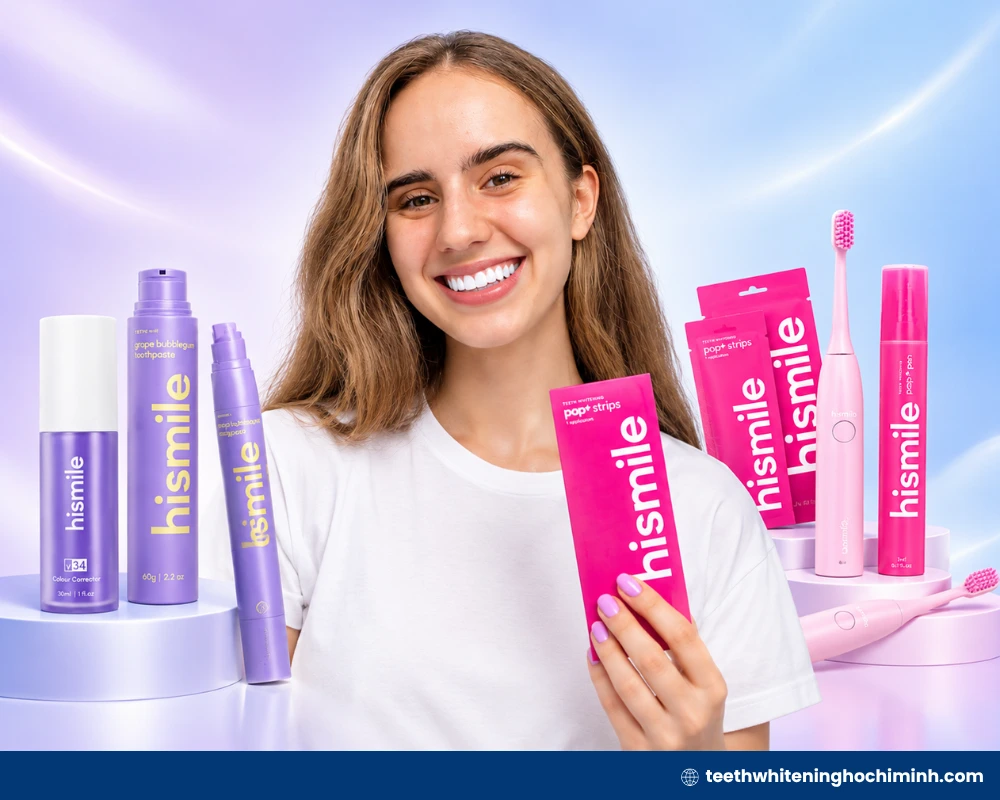
Teeth whitening toothpaste brands fill store shelves, but not every tube delivers real results. The right pick depends on enamel sensitivity, stain type, and daily habits. Below, we break down the strongest formulas on the market so you can choose with confidence. Explore more on Teeth Whitening in Ho Chi Minh City with us.
What makes a toothpaste effective at whitening teeth
Not all whitening toothpaste relies on the same science. Four mechanisms drive most formulas sold today, and understanding them helps you match a product to your actual needs rather than to marketing claims.
- Peroxide compounds: Hydrogen or carbamide peroxide breaks stain molecules apart on a chemical level, lifting discoloration from within the enamel surface.
- Micro-abrasives: Fine polishing particles buff away surface stains left by coffee, tea, or tobacco during regular brushing.
- Enzymatic agents: Enzymes target biofilm and protein-based stains, offering a gentler path for people prone to sensitivity.
- Activated charcoal: Porous charcoal particles bind to surface pigment and lift it away, though results vary by formula strength.
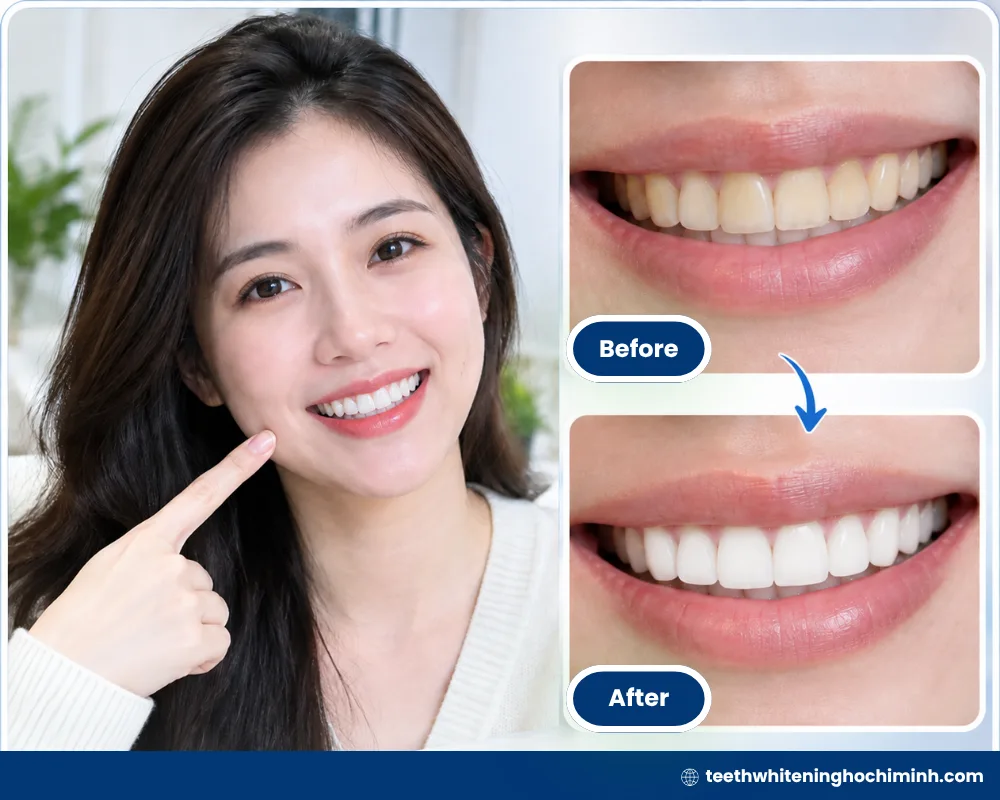
Most teeth whitening toothpaste brands combine two or more of these mechanisms rather than relying on just one. Reading the ingredient list quickly reveals which combination a specific formula uses.
Best teeth whitening toothpaste brands to consider in 2026
Choosing among teeth whitening toothpaste brands comes down to four factors: efficacy, enamel safety, sensitivity compatibility, and dentist-backed credibility. The six picks below mix peroxide-based and peroxide-free formulas, each suited to a different stain type and comfort level.
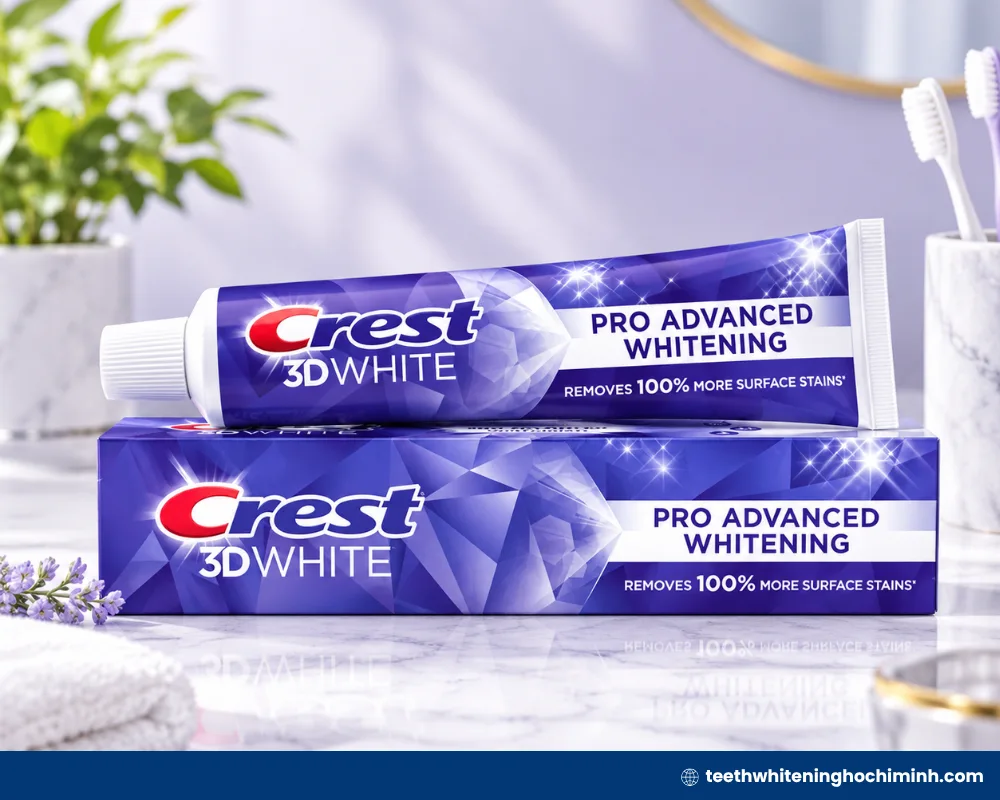
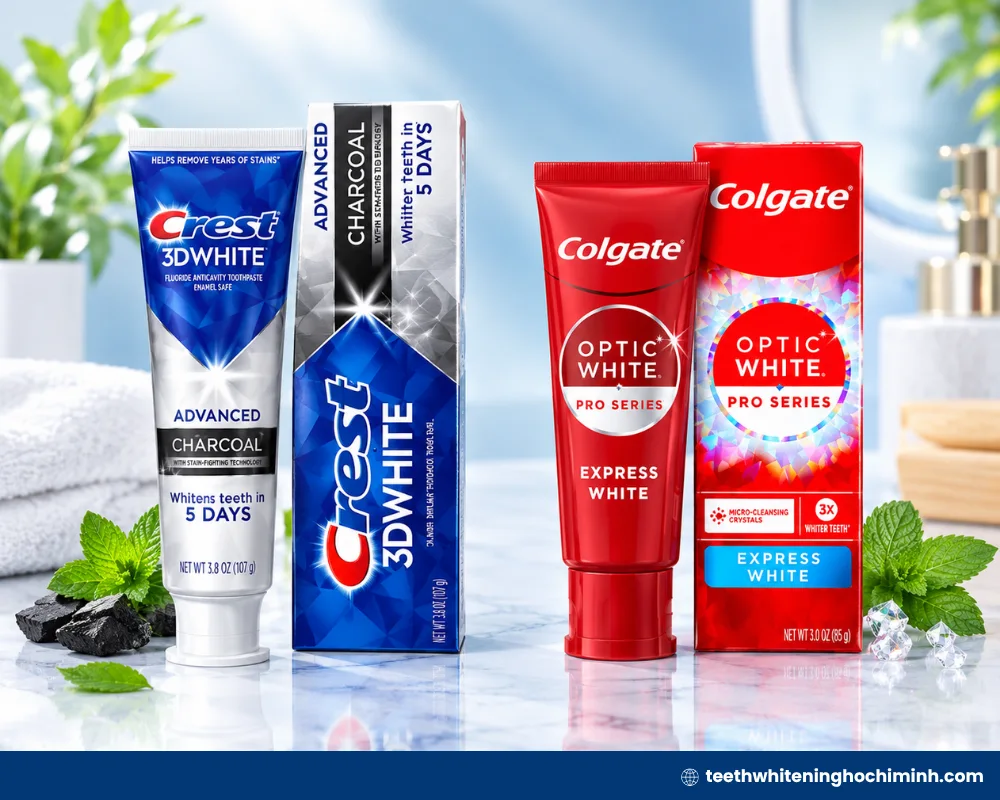
Crest 3D White Advanced
Crest 3D White Advanced pairs a peroxide formulation with micro-polishing crystals for fast results on surface stains. Users notice a visible shade shift within two to three weeks of daily brushing. The mint flavor suits everyday use. Among teeth whitening toothpaste brands built for speed, this one relies on peroxide chemistry rather than novel ingredients.
Best for: People who want visible results fast and have no sensitivity concerns.
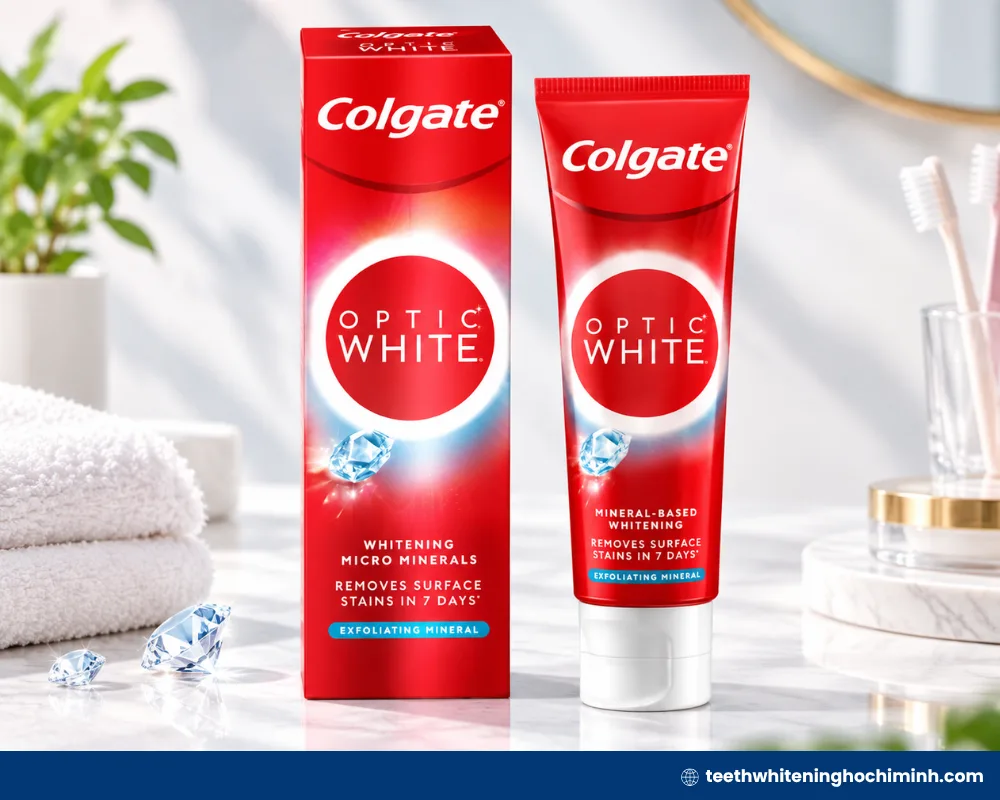
Colgate Optic White Advanced
Colgate Optic White Advanced combines hydrogen peroxide with a patented formula built to target coffee, tea, and smoking stains. Enamel-protective agents keep daily use from costing long-term tooth health. This is one of the more dentist-recommended options for people who drink coffee or tea every day but still want a formula safe for continuous use.
Best for: Heavy coffee, tea, or tobacco stains that need consistent daily use.
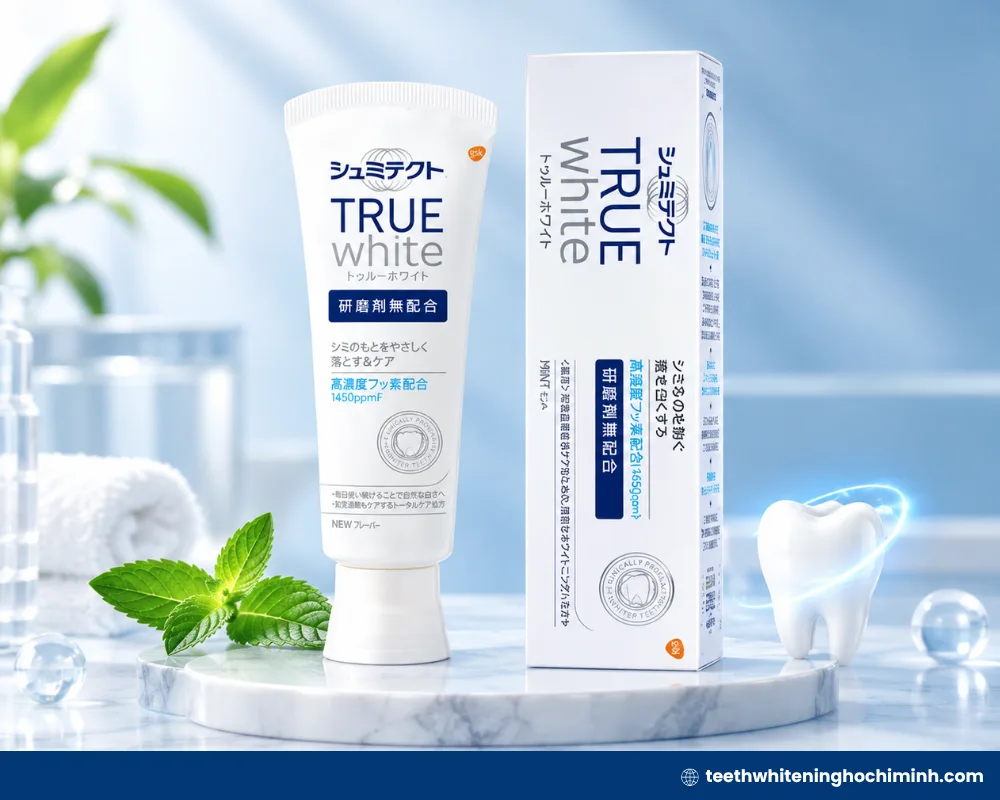
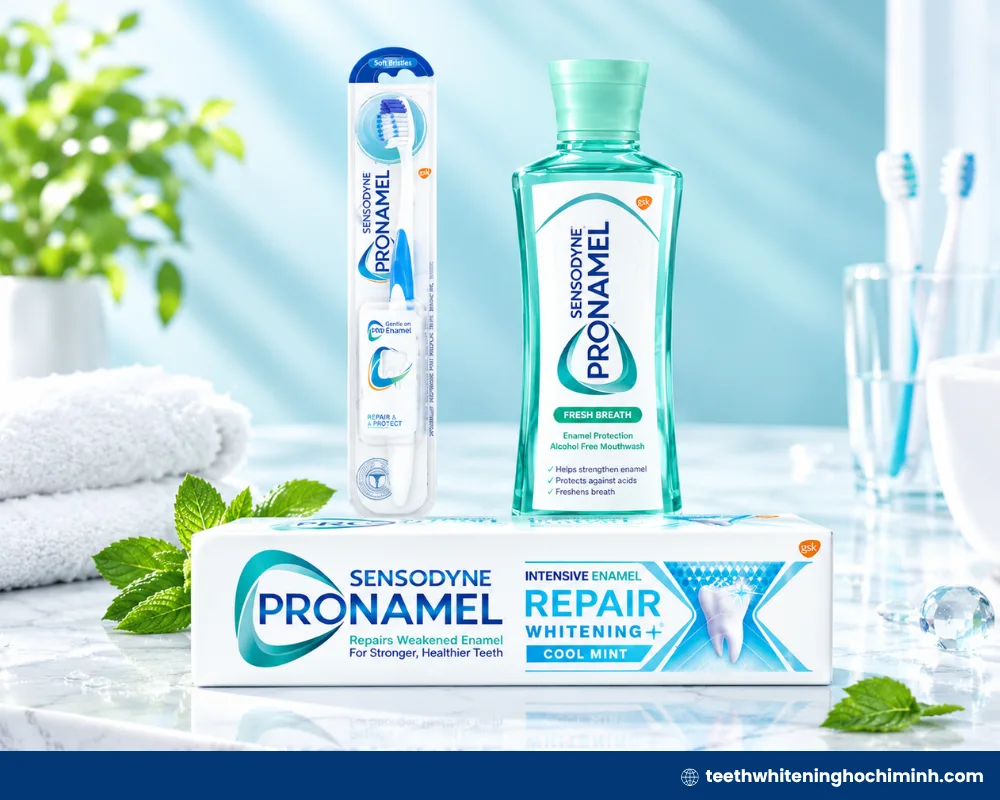
Sensodyne True White
Sensodyne True White is built around potassium nitrate, an ingredient dentists recommend for calming nerve sensitivity. The whitening claim stays gentle rather than aggressive, prioritizing comfort over speed. The brand’s Pronamel line offers a lower-abrasion option. Among teeth whitening toothpaste brands for sensitive mouths, this is the dentist-recommended starting point.
Best for: Sensitive teeth and gums that can’t tolerate stronger peroxide or abrasive formulas.
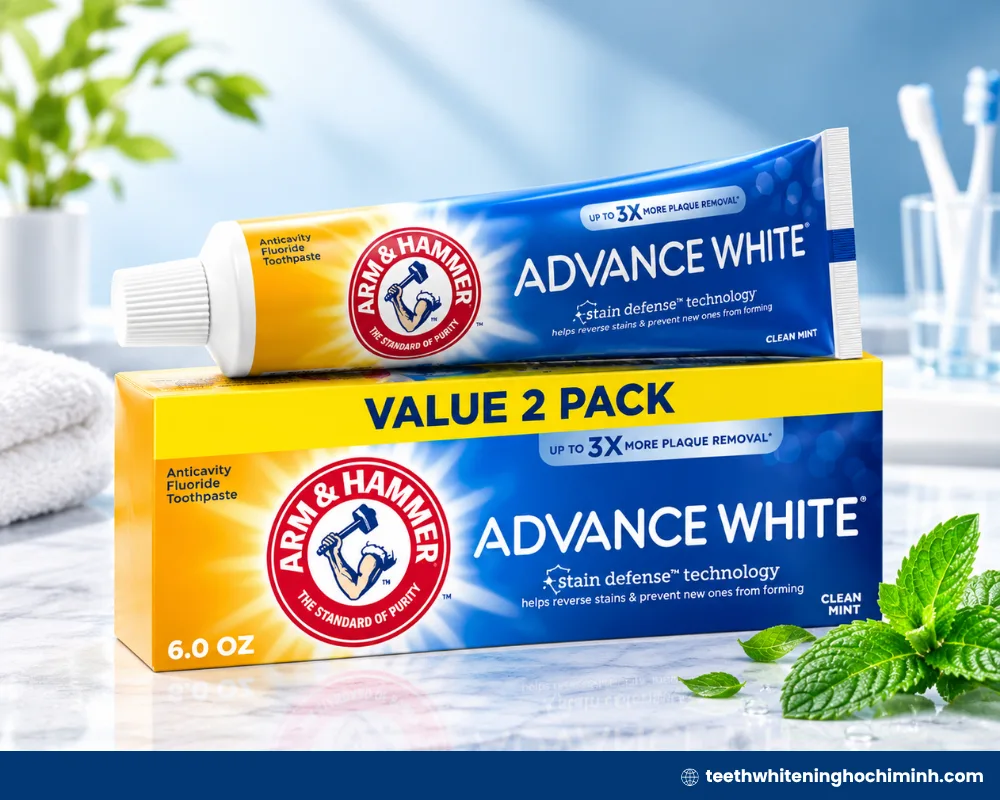
Arm and Hammer Advance White
Arm and Hammer Advance White combines its signature baking soda with added peroxide, using the natural abrasive to lift surface stains while the peroxide tackles deeper, more stubborn whitening jobs. It sits at a lower price point than most competitors, making it one of the more accessible teeth whitening toothpaste brands in mainstream drugstores today.
Best for: Budget-conscious buyers who want a straightforward, drugstore-accessible option.
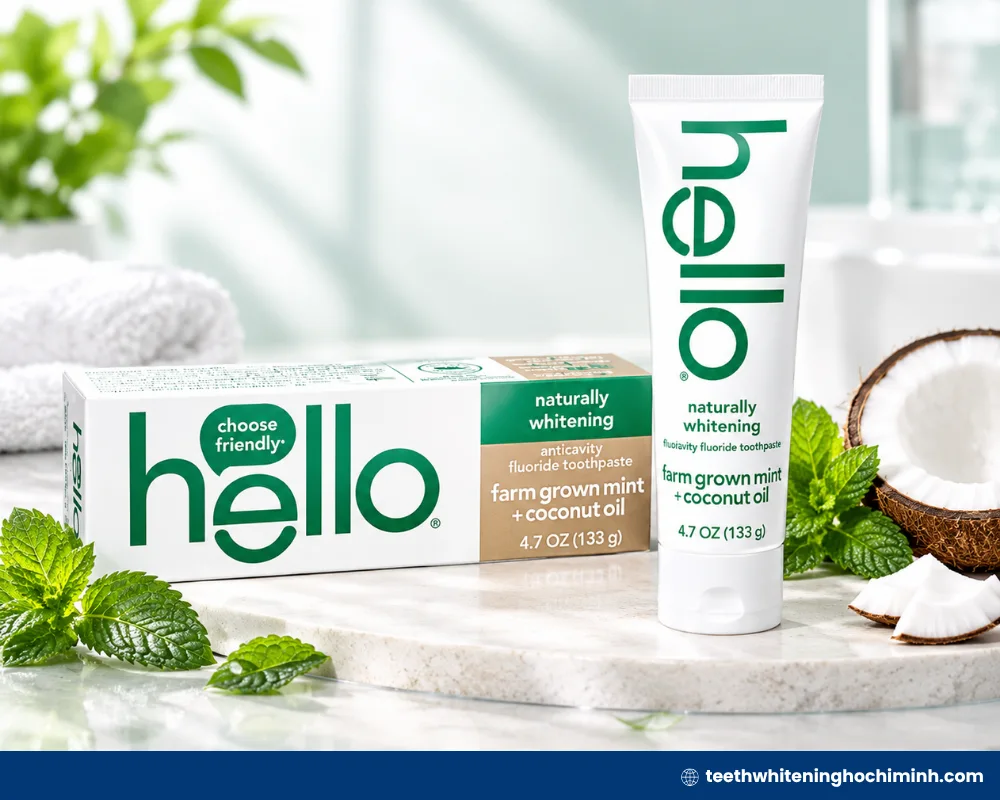
Hello Naturally Whitening Toothpaste
hello Naturally Whitening Toothpaste positions itself around a clean-label, vegan-friendly ingredient list, appealing to buyers who read the back of the box before the front. It comes in both fluoride and fluoride-free variants, letting users choose based on preference. Among options competing on ingredient transparency rather than raw whitening power, this one clearly stands out.
Best for: Ingredient-conscious buyers who want a simpler formulation.
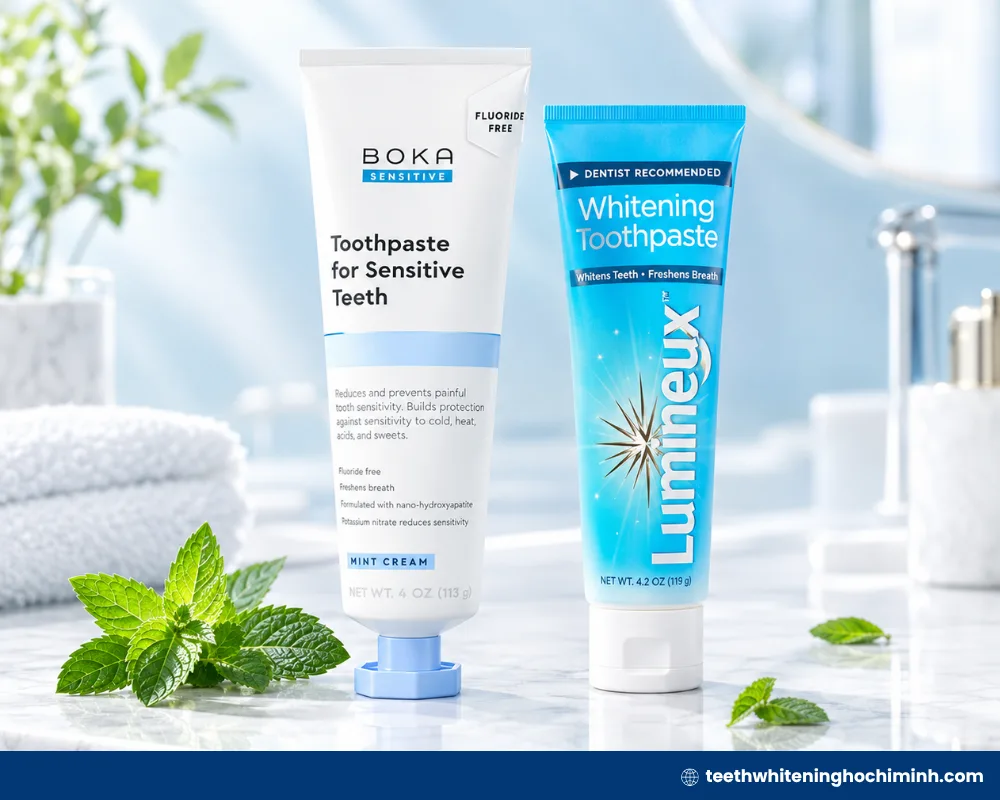
Boka and Lumineux
Boka and Lumineux both build their formulas around nano-hydroxyapatite, a mineral that helps remineralize enamel rather than bleach it chemically. This peroxide-free approach fits a smile longevity philosophy, prioritizing enamel strength over dramatic short-term change. For buyers wary of peroxide, these are among the more enamel-first teeth whitening toothpaste brands on the market right now.
Best for: People prioritizing long-term enamel health over fast whitening results.
Peroxide-based vs. peroxide-free whitening toothpaste brands
The biggest split among teeth whitening toothpaste brands isn’t price or flavor. It’s whether the formula relies on peroxide at all. That single choice shapes how fast results show up, how the mouth feels during use, and how the formula treats enamel over months of daily brushing.
Peroxide formulas
Peroxide formulas chemically break down stain molecules, which is why they tend to show visible change faster than natural alternatives, often within two to three weeks. That speed comes with tradeoffs worth weighing before committing to daily use.
- Pros: Faster visible results; effective against deep-set coffee, tea, and tobacco stains; widely studied and dentist-endorsed.
- Cons: Higher risk of temporary sensitivity; potential enamel wear with overuse; not ideal for people with existing gum sensitivity.
Nano-hydroxyapatite
Nano-hydroxyapatite and enzymatic formulas take a slower, more enamel-focused route, rebuilding the tooth surface rather than bleaching it. For people who plan to use a whitening toothpaste indefinitely rather than as a short-term fix, this category often makes more long-term sense.
- Pros: Gentler on enamel and gums; helps remineralize weak spots; suitable for long-term daily use without added risk.
- Cons: Slower visible results, often taking six to eight weeks; less effective on deep or old stains.
How to choose the right teeth whitening toothpaste brand for your needs
Product features only matter once they’re matched to your specific mouth. The three profiles below cover the most common reasons people search for teeth whitening toothpaste brands in the first place, and point toward which category fits each situation.
For sensitive teeth and gums
Prioritize potassium nitrate or nano-hydroxyapatite formulas, and avoid high-concentration peroxide or coarse abrasive particles that can aggravate nerve sensitivity. Sensodyne True White and the Pronamel line remain the most consistently recommended picks for this group, offering brightening without the sting that stronger formulas can trigger.
For coffee, tea, or wine stains
Look for a higher peroxide concentration paired with micro-abrasive particles, and expect to brush twice daily for at least three to four weeks before judging results. Crest 3D White Advanced and Colgate Optic White Advanced are both built specifically for this kind of persistent surface staining.
For long-term enamel safety
Check the RDA (relative dentin abrasivity) rating before buying, and favor fluoride-containing formulas that support enamel over time rather than wearing it down. Boka and Lumineux’s nano-hydroxyapatite formulas are the strongest fit for anyone planning years of daily whitening toothpaste use.
How to use whitening toothpaste for best results
Getting real results from whitening toothpaste comes down to consistency and technique, not just the product itself. Most formulas need weeks of steady, correct use before any visible change shows up, so skipping steps or switching brands undermines the results.
- Brush twice daily for a full two minutes, angling bristles at 45 degrees toward the gumline.
- Avoid pressing too hard. Over-brushing with abrasive formulas can wear enamel faster than stains build up.
- Give peroxide-based formulas two to three weeks before judging results, give nano-hydroxyapatite formulas six to eight.
- Pair brushing with regular flossing and an alcohol-free mouthwash to prevent new surface stains from forming between brushings.
- Avoid switching formulas every few weeks. Most teeth whitening toothpaste brands need sustained use to show their full effect.
When to see a dentist for whitening?
Deep, intrinsic stains, the kind that sit inside the tooth rather than on its surface, rarely respond to any toothpaste, no matter how strong the formula. Age-related yellowing, caused by enamel thinning over decades, falls into this same category and tends to resist even the strongest whitening formulas on the market.
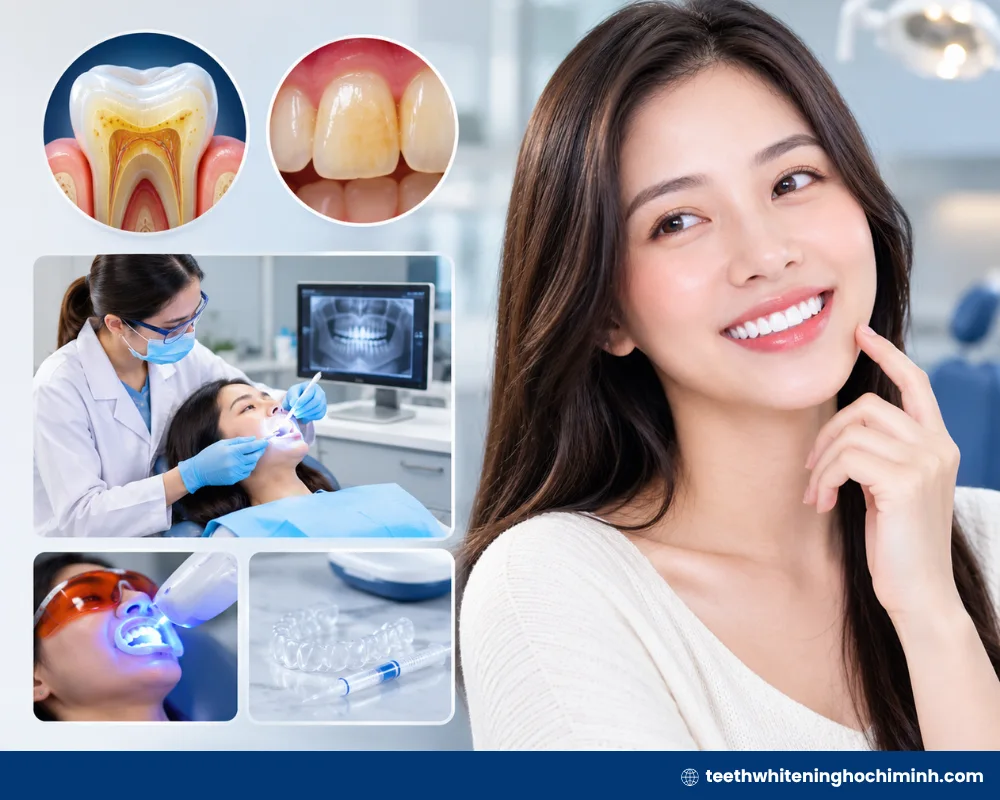
When brushing alone stops showing progress after two full months, a dentist can identify whether the issue is surface-level or structural. From there, in-office or dentist-supervised whitening options offer a stronger path forward than anything sold in a toothpaste tube.
Frequently asked questions
How long does it take to see results?
Most people see visible results within two to three weeks of consistent daily brushing with peroxide-based teeth whitening toothpaste brands like Crest 3D White Advanced Nano-hydroxyapatite options such as Boka take longer, six to eight weeks.
Are whitening toothpastes safe for daily use?
Yes, daily use is safe for most formulas, including Colgate Optic White Advanced and Sensodyne True White. The exception is high-RDA, high-abrasion formulas, which dentists commonly recommend limiting to just a few times per week.
Can whitening toothpaste damage enamel?
Yes, but only with high-RDA abrasive formulas used aggressively and repeatedly over months of daily brushing. Nano-hydroxyapatite options like Boka and Lumineux carry far less overall risk, since they remineralize enamel instead of abrading it.
Conclusion
Choosing among teeth whitening toothpaste brands comes down to matching formula type, peroxide-based or nano-hydroxyapatite, to your sensitivity level and stain type. Visit Teeth Whitening In Ho Chi Minh, a site specializing in reviews, to explore more options tailored to your needs.