
Teethwhiteninghochiminh.com presents an honest examination of natural whitening methods that have gained attention in dental care communities. Many individuals seek affordable alternatives to professional treatments, leading them to explore teeth whitening with coconut oil and baking soda as a household solution.
How natural teeth whitening works: The science explained
The combination of these two ingredients has sparked considerable discussion among dental enthusiasts. Baking soda functions as a mild abrasive that physically removes surface stains from enamel. Its slightly alkaline nature also creates an environment less favorable for bacteria growth.
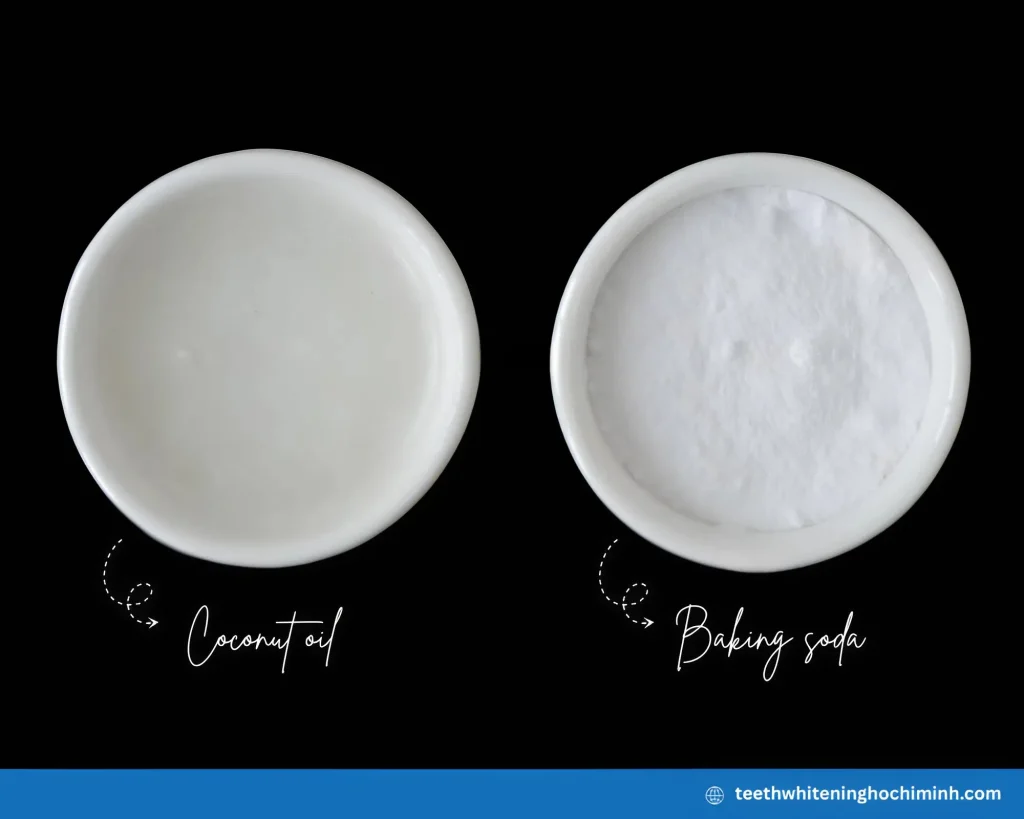
Coconut oil contains lauric acid, which demonstrates antimicrobial properties. When used in oral care, it may help reduce plaque-causing bacteria. The oil’s texture allows it to coat teeth surfaces, potentially lifting certain stains when combined with abrasive agents.
What users report about teeth whitening with coconut oil and baking soda
Real experiences from individuals trying teeth whitening with coconut oil and baking soda vary considerably based on multiple factors.
Positive experiences
Individuals who notice results typically report:
- Gradual improvement: Subtle whitening appears after 2-4 weeks of consistent use
- Smoother tooth surfaces: The polishing effect creates a cleaner feeling
- Fresh breath: Antimicrobial properties may reduce odor-causing bacteria
- Cost savings: Ingredients remain significantly cheaper than commercial products
Neutral and negative feedback
Not all experiences prove equally successful:
| Issue | Frequency Reported | Typical Cause |
| No visible change | High | Deep intrinsic stains |
| Tooth sensitivity | Moderate | Excessive scrubbing pressure |
| Gum irritation | Low to Moderate | Baking soda’s alkalinity |
| Inconsistent results | Moderate | Irregular application |
Dental professionals note that baking soda coconut oil teeth whitening methods cannot address stains embedded within enamel structure, such as those caused by medications or aging.
Proper application methods for coconut oil and baking soda for teeth whitening
The preparation process matters significantly for safety and effectiveness.
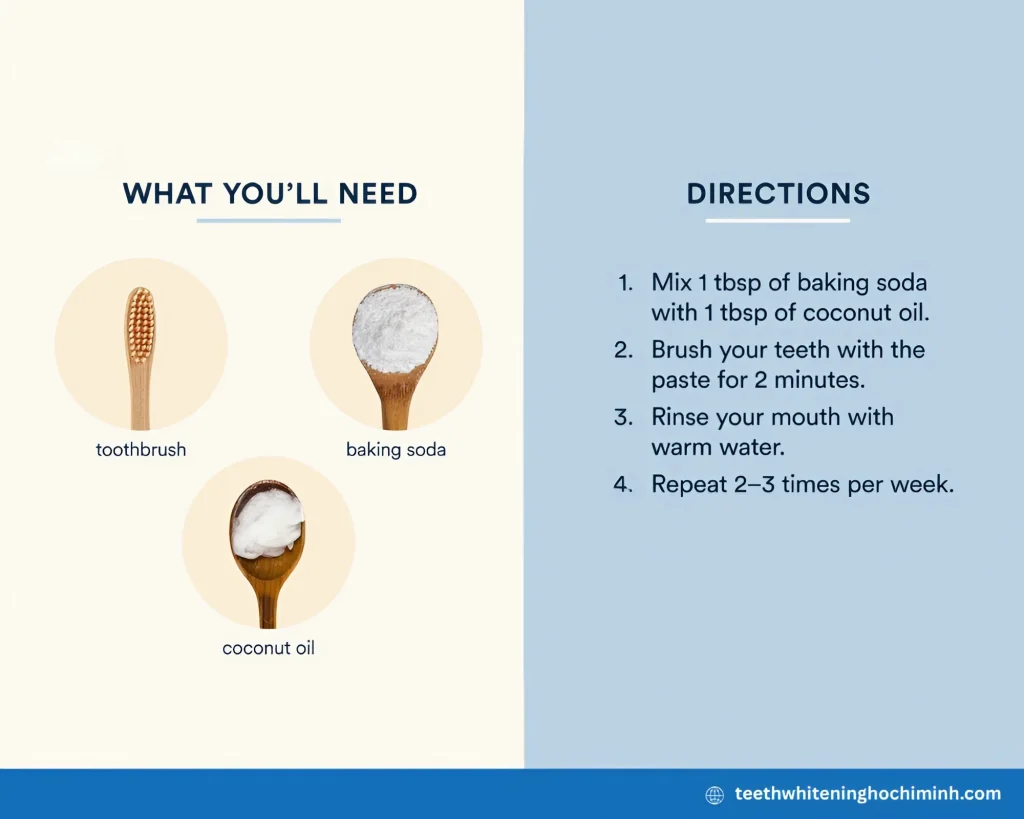
Recipe and preparation
Basic formula:
- 1 tablespoon organic coconut oil (solid or melted)
- 1 teaspoon baking soda (aluminum-free recommended)
Mix ingredients until they form a paste-like consistency. If coconut oil is solid, slight warming helps blend components smoothly.
Application guidelines
| Step | Recommendation | Important Notes |
| Frequency | 2-3 times weekly | Never use daily to protect enamel |
| Duration | 1-2 minutes only | Extended exposure may raise the risk of abrasion |
| Technique | Gentle circular motions | Avoid using excessive scrubbing pressure |
| Rinsing | Thorough water rinse | Follow with fluoride toothpaste afterward |
| Storage | Airtight container | Keeps mixture fresh for up to one week |
The limited frequency prevents enamel erosion that can result from overuse of abrasive substances.
Comparing teeth whitening coconut oil baking soda to other methods
Different whitening approaches offer varying benefits and limitations.
Natural vs. commercial products
Advantages of natural methods:
- Lower financial investment
- No synthetic chemicals
- Readily available ingredients
- Minimal environmental impact
Limitations when compared with professional treatments
- Surface-level results only
- Requires extended timeframes
- No standardized concentration
- Limited research validation
>>> Read more: Natural Teeth Whitening: 6 Best Ways & At-Home Methods
How professional treatments differ from at-home options?
Dentist-supervised whitening uses carbamide or hydrogen peroxide in controlled concentrations (10-35%). These compounds penetrate enamel to break down chromogens responsible for deep discoloration. Results appear within days rather than weeks.
For individuals with moderate to severe staining, teeth whitening with coconut oil and baking soda review data suggests professional intervention delivers more predictable outcomes.
Ways to improve results with supportive practices
Maximizing effectiveness requires a comprehensive approach beyond the whitening mixture itself.
Dietary adjustments
Reducing consumption of staining substances helps maintain results:
- Reduce consumption of coffee and dark teas
- Drink colored beverages through a straw
- Rinse the mouth after eating highly pigmented foods
- Eliminate all forms of tobacco use
Oral hygiene foundation
Regular brushing with fluoride toothpaste twice daily, flossing, and professional cleanings every six months create the foundation for any whitening regimen. The baking soda and coconut oil teeth whitening approach supplements rather than replaces standard care.
Evidence-based perspective on effectiveness
Scientific literature provides limited direct research on teeth whitening with coconut oil and baking soda combined. Most evidence remains anecdotal or based on the individual properties of each ingredient.
Dental professionals generally acknowledge that coconut oil and baking soda for teeth whitening may produce mild aesthetic improvements for surface stains but should not replace evidence-based treatments for individuals seeking dramatic results.
>>> You may also be interested in: Baking Soda Teeth Whitening: 3 Tips To Use It Safely
Cost considerations and overall accessibility
Financial considerations often drive interest in natural whitening methods.
Ingredient Costs:
- Organic coconut oil: $8-15 per jar (supplies last 2-3 months)
- Baking soda: $1-3 per box (supplies last 6+ months)
- Optional essential oils: $5-10 per bottle
Total initial investment: approximately $15-30, yielding multiple months of use.
Comparatively:
- Whitening strips: $25-45 for 20-day supply
- Professional in-office whitening: $300-800 per session
- Custom tray systems: $200-500
The dramatic price difference makes teeth whitening with coconut oil and baking soda appealing for budget-conscious individuals willing to accept modest results.
>>> Further reading: Professional In-Office Teeth Whitening Cost in Ho Chi Minh City
Common mistakes to avoid with teeth whitening with coconut oil and baking soda
Many individuals unknowingly reduce effectiveness or increase risks through improper application methods.
Overuse and excessive pressure
The most frequent error involves daily application of teeth whitening with coconut oil and baking soda. Some enthusiasts believe more frequent use accelerates results, but this actually damages enamel through excessive abrasion. The protective outer layer gradually thins, leading to increased sensitivity and vulnerability to decay.
Ignoring individual dental conditions
Teeth whitening with coconut oil and baking soda affects each person differently based on existing dental health. Those with receding gums expose sensitive root surfaces that lack protective enamel. When baking soda contacts these areas, sharp pain often results.
Alternative natural whitening methods worth considering
For those exploring options beyond baking soda and coconut oil teeth whitening, several alternatives exist.
Hydrogen peroxide dilution
Diluted food-grade hydrogen peroxide at a 1.5–3% concentration provides mild whitening effects. Unlike baking soda coconut oil teeth whitening, peroxide penetrates enamel to address deeper stains. However, improper dilution causes gum irritation and tooth sensitivity.
A paste made from strawberries and baking soda
Some natural health advocates combine mashed strawberries with baking soda, claiming malic acid enhances whitening. Research indicates this combination may actually soften enamel due to the fruit’s acidity, making it less advisable than coconut oil and baking soda for teeth whitening.
Oil pulling alone
Using coconut oil without baking soda through traditional oil pulling may improve oral health without abrasion risks. While whitening effects remain subtle, the practice reduces harmful bacteria and promotes gum health.
Long-term maintenance after using teeth whitening with coconut oil and baking soda
Achieving initial results represents only the beginning. Maintaining improved tooth color requires ongoing effort and strategic lifestyle choices.
Creating a sustainable routine
After completing an initial treatment phase with teeth whitening with coconut oil and baking soda methods, transitioning to maintenance mode prevents stain recurrence. This typically involves:
Weekly maintenance schedule:
- Application once weekly instead of 2-3 times
- Regular daily brushing using whitening toothpaste
- Immediate rinsing after consuming staining beverages
Tracking results and refining the approach
Tracking progress through periodic photographs helps assess whether teeth whitening with coconut oil and baking soda continues delivering satisfactory results. If staining accelerates despite maintenance efforts, professional evaluation identifies underlying causes.
Professional opinions on teeth whitening with coconut oil and baking soda
Dental professionals hold varied perspectives on this natural whitening trend.
Supportive viewpoints
Some dentists acknowledge teeth whitening with coconut oil and baking soda as a reasonable option for patients who:
- Unable to afford professional dental treatments
- Prefer to avoid synthetic chemical ingredients
- Have only light, surface-level staining
- Maintain strong overall oral hygiene habits
The consensus middle ground
Most dental professionals agree that teeth whitening with coconut oil and baking soda poses minimal risk when used appropriately as part of comprehensive oral care. They recommend:
- Initial dental examination before starting any whitening regimen
- Limiting use to twice weekly maximum
- Discontinuing immediately if sensitivity develops
- Combining with professional cleanings and check-ups
- Viewing it as supplementary rather than primary whitening solution
Real-world success factors for teeth whitening coconut oil baking soda
Certain variables influence whether individuals achieve satisfactory results with this natural method.
Consistency and patience
Success stories with coconut oil and baking soda for teeth whitening share a common theme: consistent application over 4-8 weeks. Sporadic use produces minimal visible change, while dedicated adherence to a twice-weekly schedule yields gradual improvement.
Lifestyle factors, effectiveness and safety considerations
Individuals who simultaneously reduce staining food consumption, quit tobacco, and maintain excellent oral hygiene maximize their results with teeth whitening with coconut oil and baking soda. Those who continue heavy coffee consumption while using the mixture often report disappointment.
Where can someone safely try teeth whitening with coconut oil and baking soda?
At home with proper ingredients and technique, though consulting a dentist beforehand ensures no underlying dental issues exist.
Why does Teeth whitening with coconut oil and baking soda work for some but not others?
It effectively removes surface stains but cannot address deeper intrinsic discoloration embedded within enamel structure.
What makes coconut oil beneficial in this whitening mixture?
The lauric acid provides antimicrobial properties while oil’s consistency helps distribute baking soda evenly across tooth surfaces.
How much baking soda should be used per application?
One teaspoon mixed with one tablespoon coconut oil provides appropriate consistency without excessive abrasiveness.
How long before visible results appear with this method?
Most users notice subtle changes after 2-4 weeks of consistent twice-weekly application, though results vary individually.
What happens if someone uses the mixture too frequently?
Excessive use may cause enamel erosion, increased sensitivity, and gum irritation from prolonged abrasive contact.
How does this compare to professional whitening treatments?
Professional methods penetrate enamel for deeper bleaching while this natural approach only addresses surface-level staining.
Overall evaluation and practical recommendations
The practice of teeth whitening coconut oil baking soda represents a low-risk, affordable option for addressing minor surface discoloration. It serves best as a supplementary approach within a comprehensive oral health routine rather than a standalone solution.
Individuals considering teeth whitening with coconut oil and baking soda should maintain realistic expectations, practice proper technique, and monitor for sensitivity. Those seeking significant color improvement may find greater satisfaction with professionally supervised treatments.
As with any teeth whitening decision, consulting a qualified professional ensures the chosen method aligns with individual oral health needs. Teeth Whitening Ho Chi Minh recommends informed decision-making based on personal circumstances and evidence-based information.
