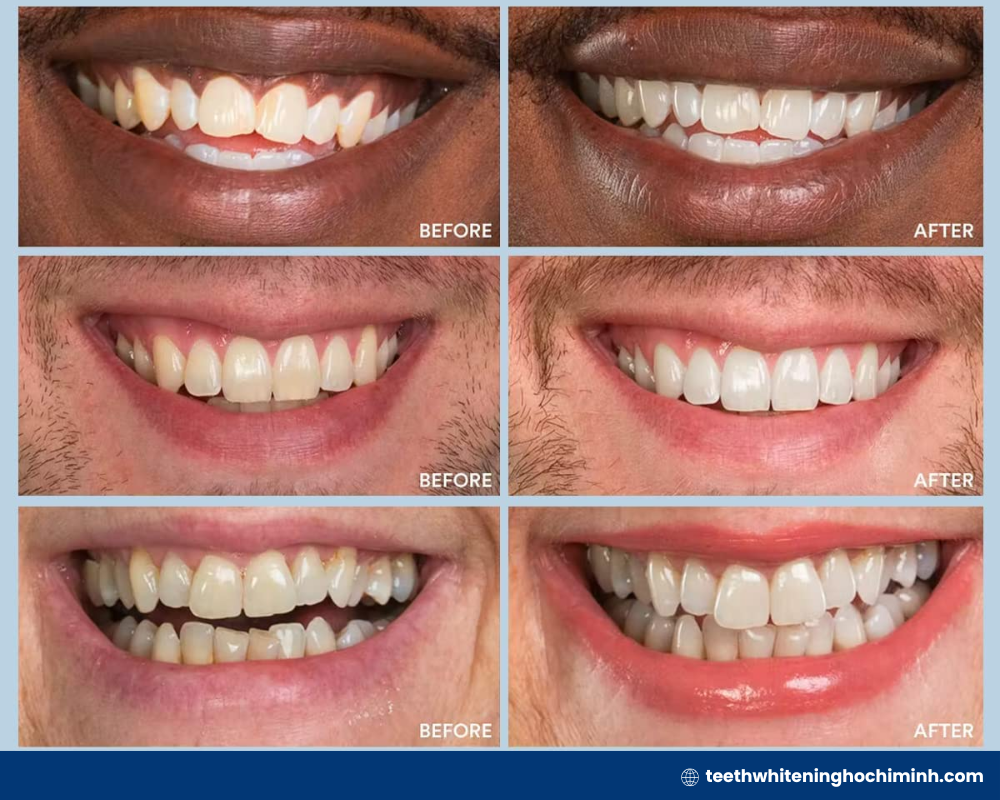
Natural teeth whitening methods offer gentle alternatives to chemical bleaching with gradual 1-3 shade improvements. Explore evidence-based techniques available in Ho Chi Minh City. Learn which natural remedies work safely and which waste time or risk damaging your dental health.
What does natural teeth whitening mean?
Natural teeth whitening refers to stain removal and brightness enhancement using non-chemical substances, dietary modifications, and mechanical cleaning methods. Unlike professional treatments utilizing hydrogen peroxide or carbamide peroxide, natural approaches work primarily through:
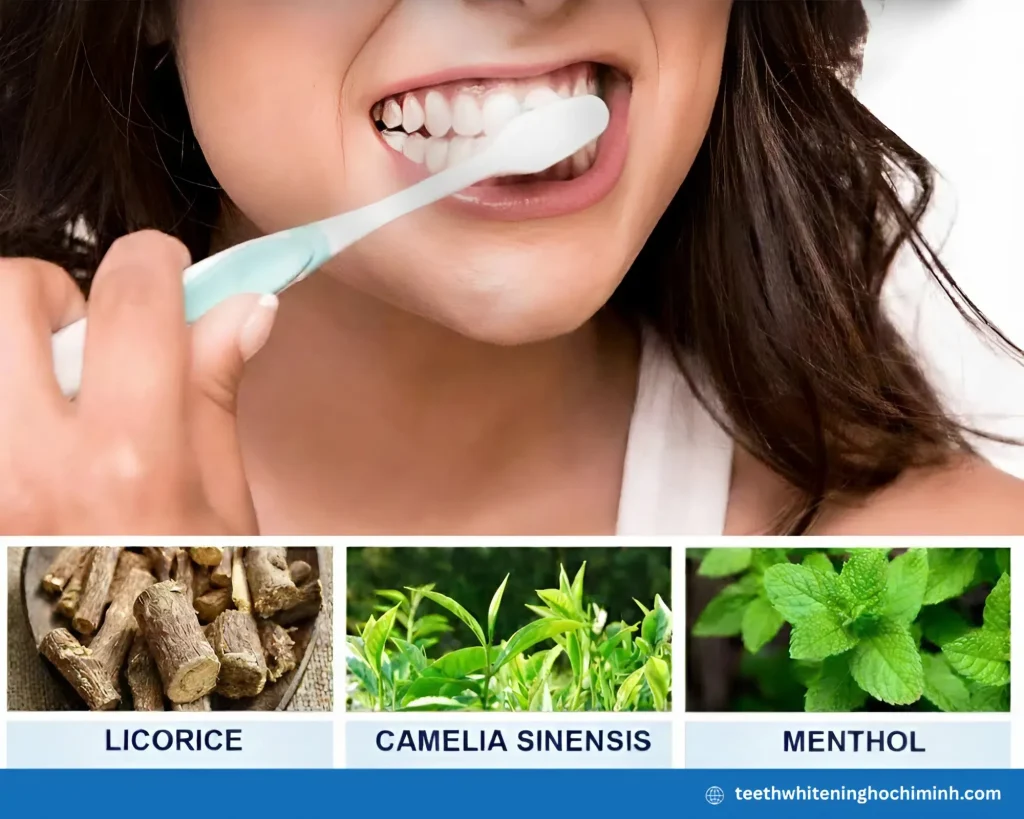
Mechanical abrasion: Gentle scrubbing removes surface stains without penetrating enamel
Enzymatic action: Natural enzymes break down protein-based staining compounds
pH modification: Certain substances temporarily alter oral pH to reduce stain adherence
Stain prevention: Lifestyle changes minimize new discoloration formation
Important distinction: Natural methods remove extrinsic (surface) stains effectively but cannot alter intrinsic tooth color determined by dentin. Teeth naturally range from light gray to yellowish-white based on genetics and age.
Best natural way to whiten teeth: Evidence-based comparison
| Method | Effectiveness | Safety level | Time to results | Best for |
| Baking Soda Brushing | Moderate (1-2 shades) | High when used 2-3x/week | 3-4 weeks | Surface stains, coffee/tea discoloration |
| Oil Pulling | Minimal (0.5-1 shade) | Very High | 4-6 weeks | Oral hygiene, plaque reduction |
| Hydrogen Peroxide Rinse | Moderate (1-2 shades) | Moderate at 1.5-3% | 2-3 weeks | Bacterial reduction, mild bleaching |
| Activated Charcoal | Questionable | Low risk of enamel wear | Unproven | Not recommended by dentists |
| Dietary Changes | Preventive only | Very High | Ongoing | Stain prevention, maintenance |
| Strawberry + Baking Soda | Minimal | Moderate (sugar concern) | 4-6 weeks | Occasional use only |
Baking soda brushing
Sodium bicarbonate represents the most researched natural teeth whitening ingredient with documented efficacy.
Mechanism: Mild abrasive properties physically scrub away surface stains while alkaline nature creates unfavorable environment for stain-causing bacteria.
Clinical support: Multiple studies confirm baking soda toothpastes remove significantly more stains than non-baking soda formulations. Research published in the Journal of Clinical Dentistry demonstrates consistent stain removal without enamel damage when used appropriately.
Safe application protocol:
- Mix one teaspoon baking soda with water to form paste
- Apply gently with soft-bristle toothbrush
- Brush for 2 minutes maximum
- Limit to 2-3 times weekly to prevent enamel wear
| Recommended reading: 7 ways to use baking soda and toothpaste for teeth whitening
Oil pulling with coconut oil
Ancient Ayurvedic practice involving swishing oil through teeth for 10-20 minutes daily shows modest benefits in small studies.
How it works: Lauric acid in coconut oil exhibits antimicrobial properties, reducing plaque-causing bacteria that contribute to yellowing.
Evidence level: Limited clinical trials show minor improvements in oral hygiene markers but minimal direct whitening effects. Best viewed as complementary practice rather than primary whitening method.
Application: Swish one tablespoon of organic coconut oil before brushing, then rinse thoroughly with warm water.
Hydrogen peroxide dilution (Natural-adjacent)
While technically chemical, food-grade hydrogen peroxide at low concentrations offers bridge between natural and professional teeth whitening.
Concentration guidelines: 1.5-3% solutions (significantly diluted from pharmacy-grade 3%) minimize sensitivity while providing mild bleaching action.
Usage: Swish diluted solution for 30-60 seconds before brushing, never exceeding once daily. This method suits individuals seeking stronger results than purely mechanical approaches.
Activated charcoal
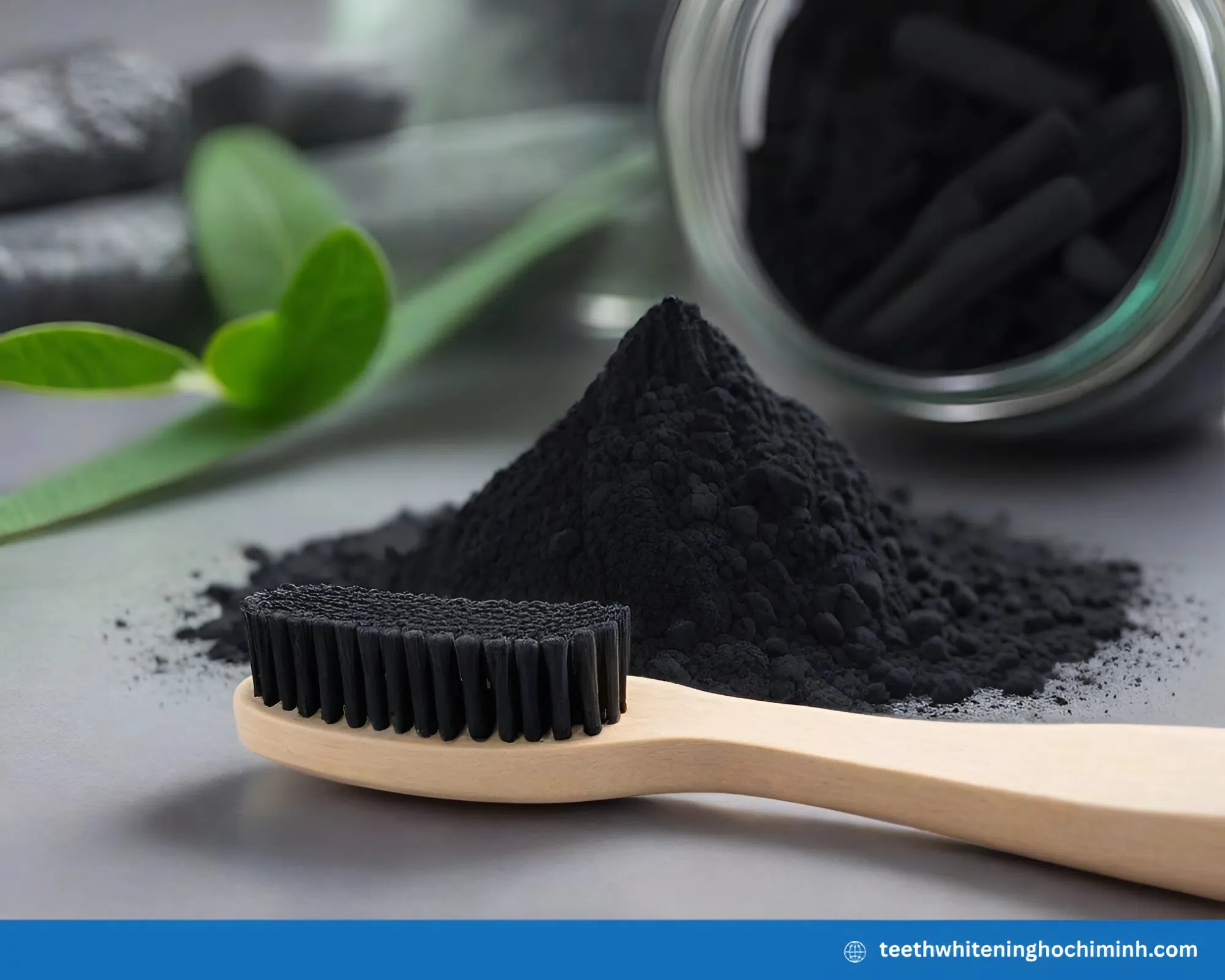
Despite social media popularity, activated charcoal lacks scientific support for whitening claims.
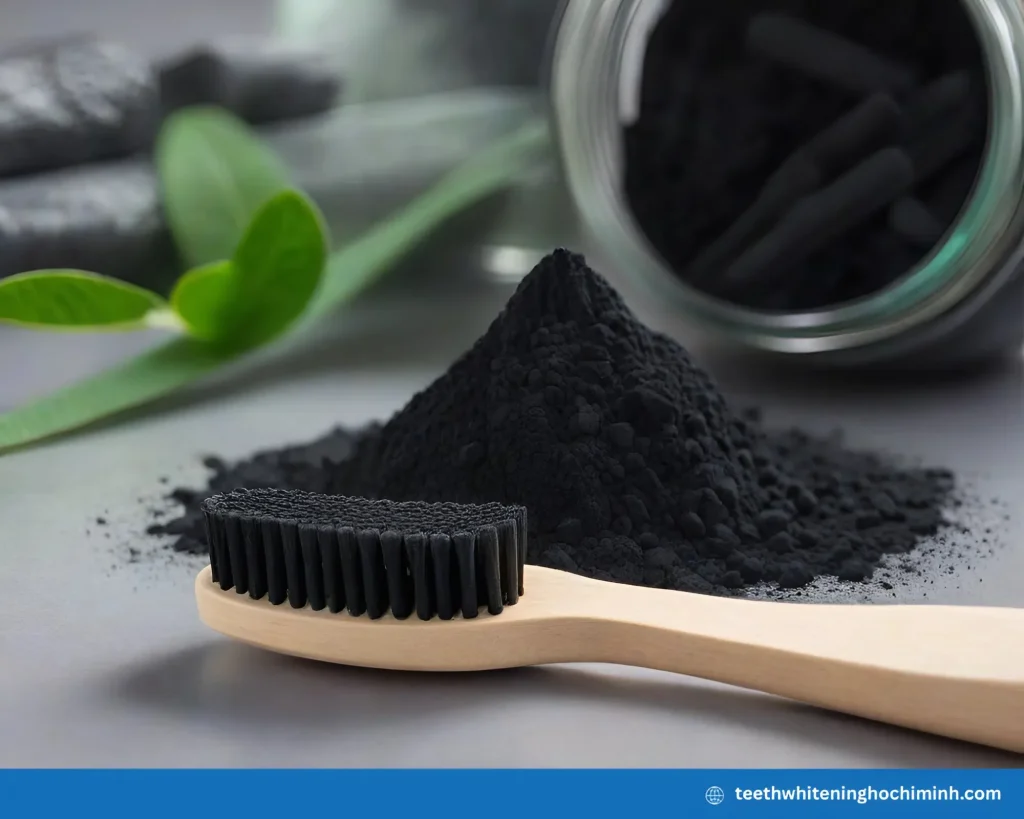
Marketing versus reality: Charcoal’s dark appearance creates visual contrast suggesting whitening, but abrasiveness may damage enamel with repeated use. Dentists generally recommend avoiding charcoal products due to insufficient safety data and questionable benefits.
Best natural teeth whitening at home: Lifestyle modifications
Dietary changes to prevent tooth staining
Prevention proves more effective than removal for maintaining brightness.
| Staining foods to limit | Whitening-Safe Alternatives |
| Coffee, black tea | White tea, herbal tea |
| Red wine | White wine, clear spirits |
| Dark berries | Bananas, apples |
| Soy sauce | Light-colored sauces |
| Cola, dark sodas | Water, clear beverages |
| Tomato sauce | Cream-based sauces |
Protective eating habits:
- Drink staining beverages through straws to minimize tooth contact
- Rinse mouth with water immediately after consuming pigmented foods
- Eat crunchy vegetables (carrots, celery, apples) that naturally scrub teeth
- Include dairy products containing lactic acid that may reduce discoloration
Strawberry-based baking soda mix
Popular home remedy combining malic acid from strawberries with baking soda abrasion.
Reality check: While strawberries contain whitening enzymes, their sugar and acid content may counteract benefits. Limited evidence supports effectiveness, though occasional use poses minimal risk when followed by thorough brushing.
Preparation: Mash one strawberry, mix with half teaspoon baking soda, apply for 5 minutes, then brush thoroughly with regular toothpaste.
Best natural teeth whitening product options
Shop-ready natural teeth brightening options
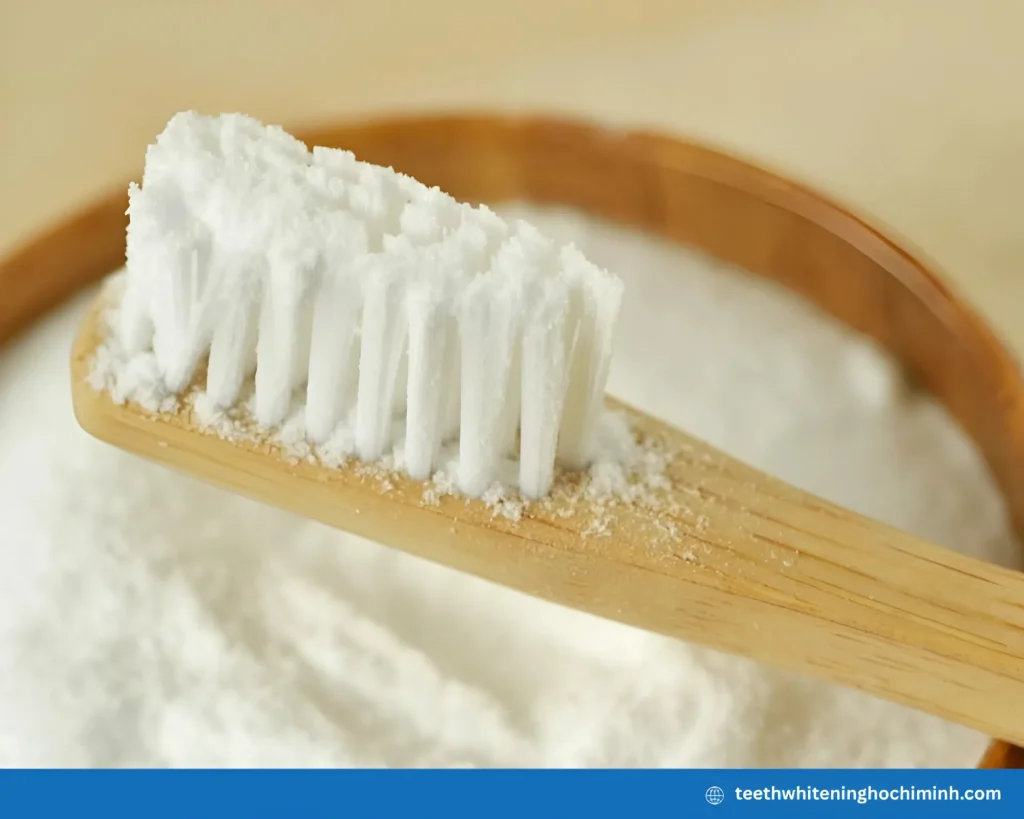
Baking soda toothpastes: Brands like Arm & Hammer offer proven stain removal with established safety profiles. These provide most reliable natural whitening option in commercial market.
Enzyme-based whitening toothpastes: Products containing papain (from papaya) or bromelain (from pineapple) offer gentle protein-stain breakdown with minimal abrasion.
| Read more: What is the best teeth whitening toothpaste recommended by dentist 2026
What to avoid
Lemon juice or apple cider vinegar: Highly acidic substances erode enamel despite whitening claims. Dentists universally warn against direct application to teeth.
Unregulated whitening powders: Products without clear ingredient lists or safety testing may contain harmful abrasives or unlisted chemicals.
Activated charcoal toothpastes: Exercise caution despite popularity. Select products with ADA acceptance when available.
Most effective natural teeth whitening: Setting realistic expectations
Expected results timeline
| Timeframe | Expected results | Methods showing effect |
| Week 1-2 | Minimal visible change | Enhanced oral care, light surface cleaning |
| Week 3-4 | 0.5-1 shade improvement | Baking soda paste & diluted peroxide treatments |
| Month 2-3 | 1-3 shades maximum | Consistent baking soda + dietary changes |
| Long-term | Maintenance only | Lifestyle tips for preventing stains |
Situations where natural techniques are ineffective
Limits of natural methods:
- Intrinsic discoloration from medications (tetracycline staining)
- Age-related yellowing from dentin changes
- Deep-set stains penetrating enamel
These conditions require professional intervention for meaningful improvement.
Best natural teeth whitening for sensitive teeth
Individuals with sensitivity should prioritize gentlest methods:
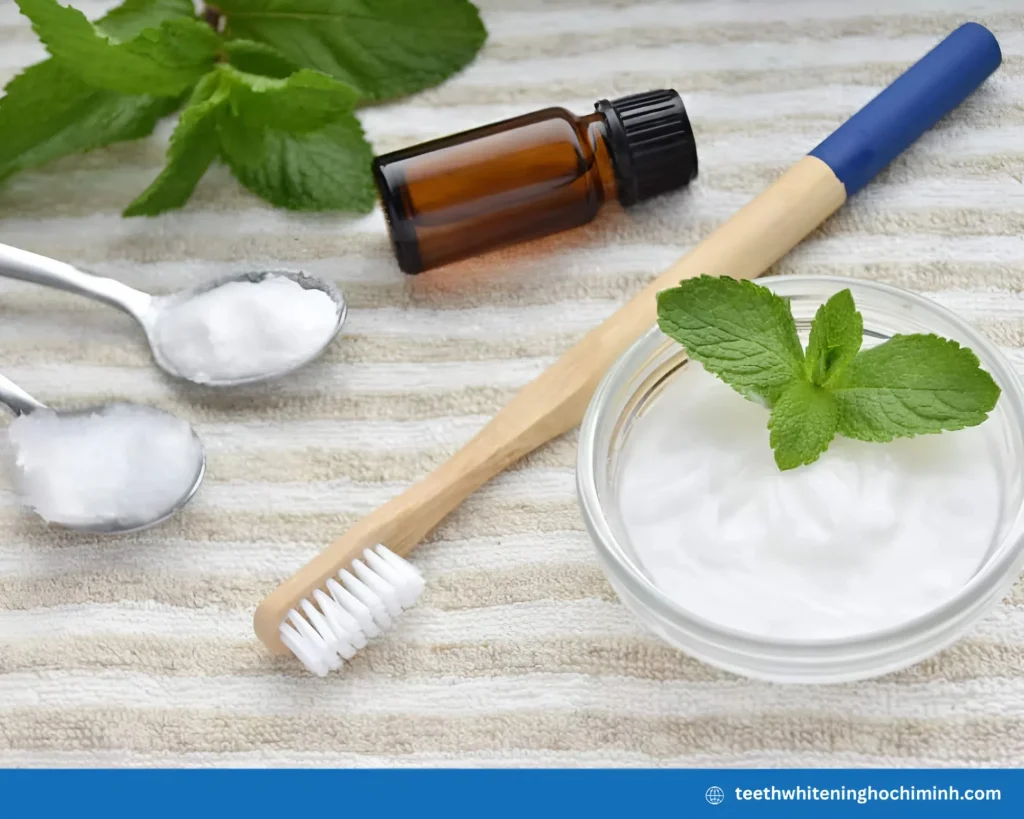
Oil pulling: Zero abrasion makes this ideal for sensitive teeth, though whitening effects remain minimal
Baking soda at reduced frequency: Limit to once weekly and use extra-soft brushes
Dietary modifications: Focus exclusively on stain prevention rather than active removal techniques
Avoid: Charcoal products, acidic substances, and aggressive brushing that exacerbate sensitivity
Comparing natural and professional whitening
| Factor | Natural Methods | Professional Whitening (HCMC) |
| Whitening Results | 1-3 shades | 5-10 shades |
| Treatment Time | 2-3 months | 60-90 minutes |
| Cost | $5-20 for supplies | 4-8 million VND ($160-320) |
| Stain Type | Surface stains only | Surface + intrinsic stains |
| Sensitivity Risk | Low to moderate | Moderate (temporary) |
| Maintenance Required | Continuous | Every 12-24 months |
| Best For | Budget-conscious, mild stains | Immediate Impact for Significant Stains |
Teeth whitening Ho Chi Minh: Professional alternatives
When natural methods prove insufficient, Ho Chi Minh City offers professional whitening at internationally competitive prices.
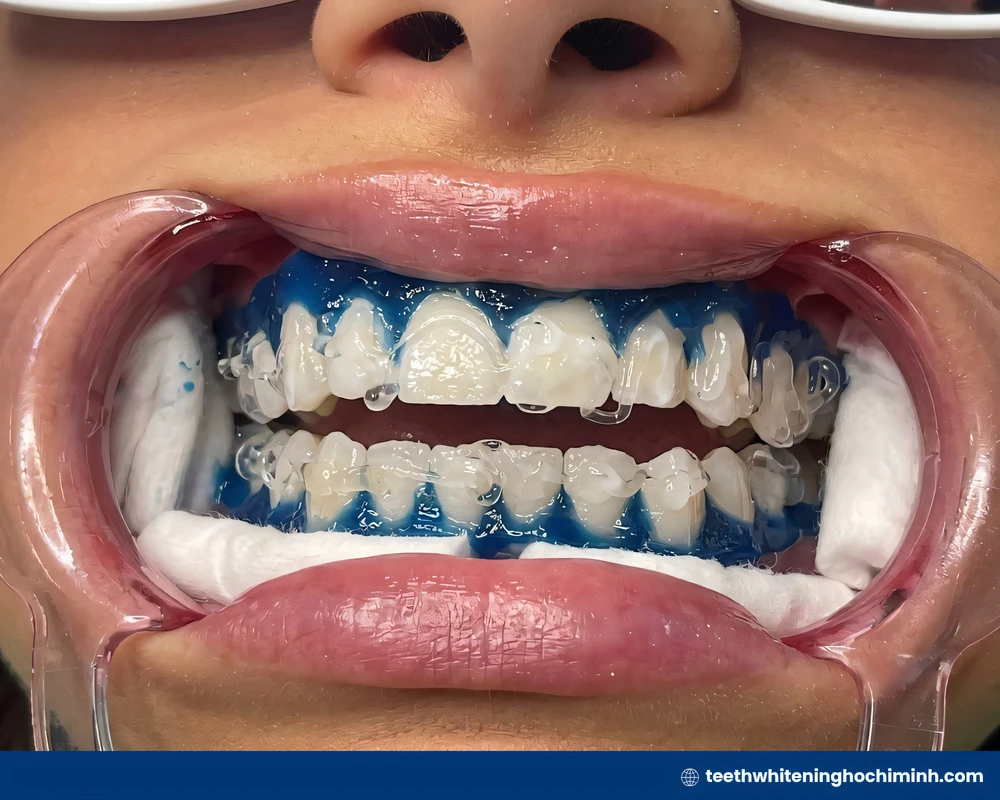
Professional advantage: Dental-grade treatments in District 1, District 3, and Binh Thanh areas achieve 5-10 shade improvements in single sessions, far exceeding natural methods’ capabilities.
Cost consideration: Professional laser whitening ranges from 4-8 million VND ($160-320), providing dramatic results impossible through home remedies. For time-constrained expats and dental tourists, professional treatment delivers superior value despite higher upfront costs.
Combination approach: Many patients use professional whitening for initial dramatic improvement, then maintain results through natural methods and periodic touch-ups.
Natural teeth whitening FAQs
What is the most effective natural teeth whitening method?
Baking soda brushing 2-3 times weekly provides most scientifically supported natural whitening, removing surface stains through gentle abrasion without enamel damage.
How long does natural teeth whitening take to show results?
Visible improvements appear after 3-4 weeks of consistent use, with maximum effects of 1-3 shade improvement plateauing at 2-3 months for surface stains only.
Can natural methods whiten teeth as effectively as professional treatments?
No, natural approaches remove only surface stains (1-3 shades) while professional treatments penetrate enamel for 5-10 shade improvements through chemical bleaching.
Is baking soda safe for daily teeth whitening?
Baking soda should be limited to 2-3 times weekly maximum; daily use may gradually wear enamel despite its mild abrasiveness.
What natural foods help whiten teeth?
Crunchy vegetables like carrots, celery, and apples provide mechanical cleaning, while strawberries contain malic acid that may offer minor whitening effects.
Does oil pulling actually whiten teeth?
Oil pulling improves oral hygiene and may reduce plaque-related yellowing, but evidence for direct whitening effects remains limited and results are minimal.
Why doesn’t lemon juice work for teeth whitening?
Despite bleaching properties, lemon’s high acidity (pH 2-3) erodes enamel, causing permanent damage that outweighs any temporary whitening effects.
How much does professional teeth whitening cost in Ho Chi Minh City?
Professional laser whitening ranges from 4-8 million VND ($160-320) per session in HCMC, offering 50-70% savings compared to Western countries.
What is the best natural teeth whitening product?
Baking soda toothpastes from established brands offer most reliable natural whitening with proven safety records and ADA acceptance.
Which natural teeth whitening method works fastest?
Hydrogen peroxide rinse at 1.5-3% concentration shows results within 2-3 weeks, faster than other natural methods, though still slower than professional treatments.
Conclusion
Natural teeth whitening methods serve best as maintenance strategies for individuals with realistic expectations about gradual, modest improvements. Baking soda brushing, dietary modifications and consistent oral hygiene provide safe, evidence-based approaches for surface stain removal without chemical intervention.
For foreign residents seeking comprehensive whitening guidance in Vietnam, Teeth whitening Ho Chi Minh offers detailed comparisons between natural methods and professional treatments available throughout Ho Chi Minh City. The platform helps international patients evaluate whether natural approaches suit their goals or whether professional intervention provides better value for their specific discoloration concerns, complete with verified clinic recommendations and transparent pricing information.