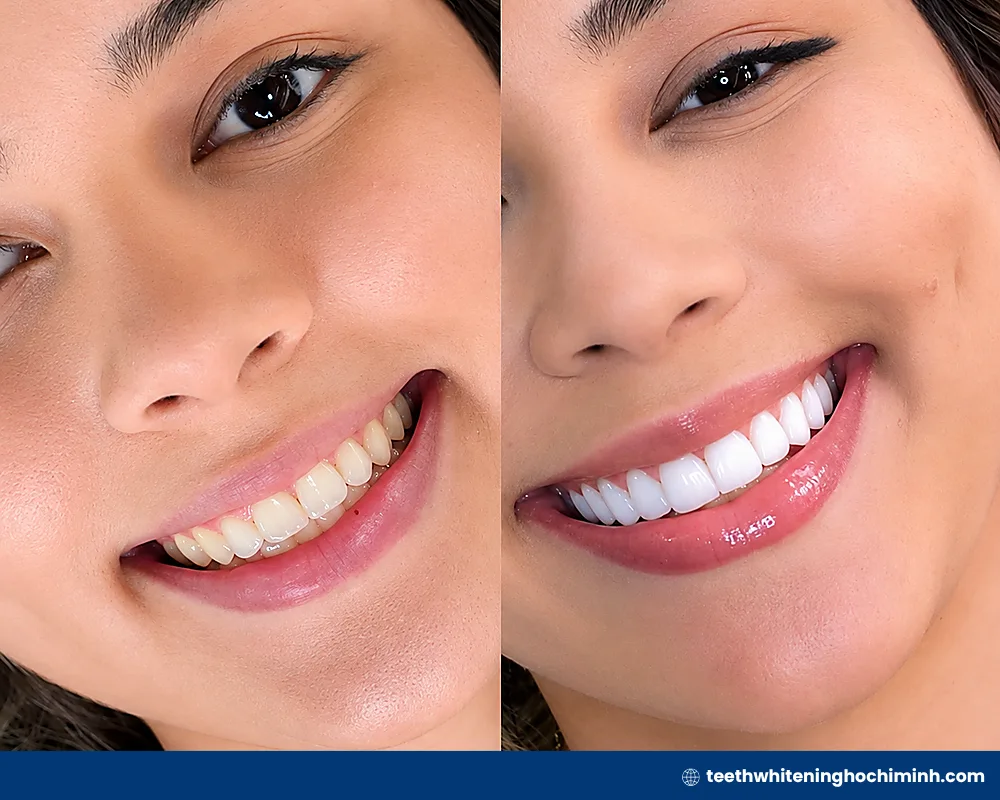

The safest teeth whitening for sensitive teeth in 2026 combines low-concentration peroxide, desensitizing agents like potassium nitrate and professional supervision. Together, these elements control gel strength and exposure time to prevent pain. This matters even more for visitors and expats living in Vietnam, since many arrive for dental tourism or long-term treatment plans.
What causes sensitivity during teeth whitening?
Sensitivity happens when whitening gel reaches the dentin layer beneath the enamel. Hydrogen peroxide molecules are small enough to pass through enamel and temporarily irritate the nerve endings inside each tooth, which is what produces that short, sharp twinge.
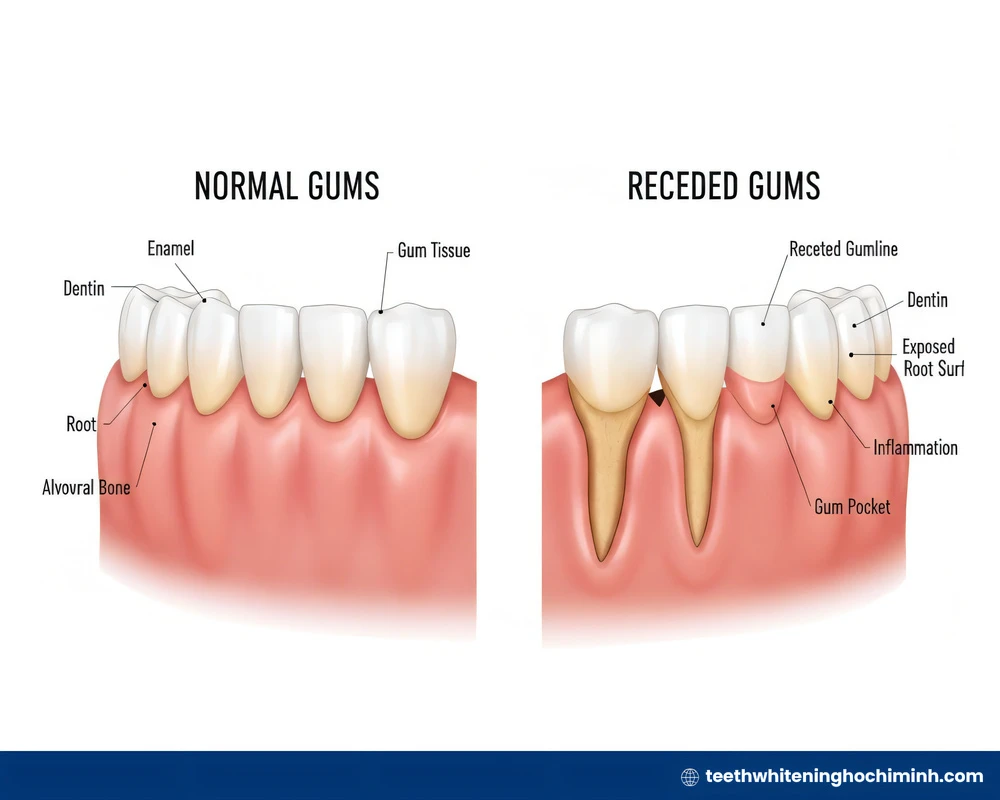
This reaction is usually harmless and short-lived. Problems appear when the concentration is too high or the gel stays on the teeth for too long. Certain conditions make this worse. People with thin enamel, exposed tooth roots, or gum recession tend to feel discomfort more intensely and cracked fillings or recent dental work can add to the effect.
Generic drugstore kits rarely account for any of this. Anyone searching for teeth whitening for sensitive teeth should look for a formula and a provider that adjust to these risk factors instead of applying one strength to everyone. This is exactly the gap that proper sensitive teeth whitening protocols are designed to close.
Is teeth whitening for sensitive teeth safe?
It is safe when concentration and exposure time are adjusted to the patient. The American Dental Association recognizes lower-percentage hydrogen peroxide formulas, generally in the 6-10% range, as appropriate for sensitive cases. This is significantly lower than the 20-35% concentrations used in standard treatments.
Published clinical comparisons report that reducing peroxide concentration can lower sensitivity incidents by roughly 60-70%. Patients using these gentler formulas still see a three to four shade improvement, just over a longer timeline of 18 to 28 days rather than a few sessions.
Best teeth whitening methods for sensitive teeth in 2026
Several approaches to teeth whitening for sensitive teeth now exist for patients who cannot tolerate standard-strength bleaching gel. The right one depends on how severe the sensitivity is, what caused the staining and how much time the patient has before results are needed.
Low-concentration peroxide trays
Custom teeth whitening trays loaded with a mild gel remain one of the most dependable options for teeth whitening for sensitive teeth. Because the tray is molded to the patient’s mouth, less gel touches the gums and gum contact is one of the more common triggers of irritation during at-home whitening.
A dentist can fine-tune both the concentration and how long the tray stays in each day. For this reason, custom trays are often described as the best whitening method for sensitive teeth, since results build gradually and give the nerve time to settle between wears.
Led and laser teeth whitening for sensitive teeth
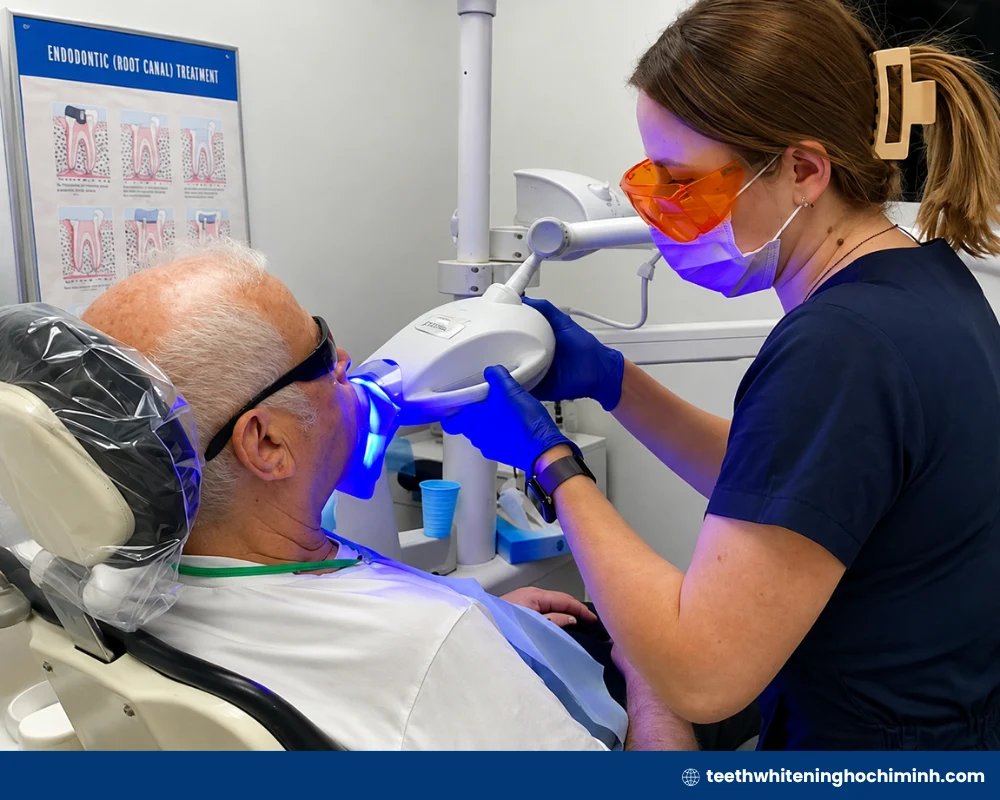
In-office treatments speed up the whitening reaction using light-activated gel. But two technologies get confused with each other and they behave differently in sensitive patients.
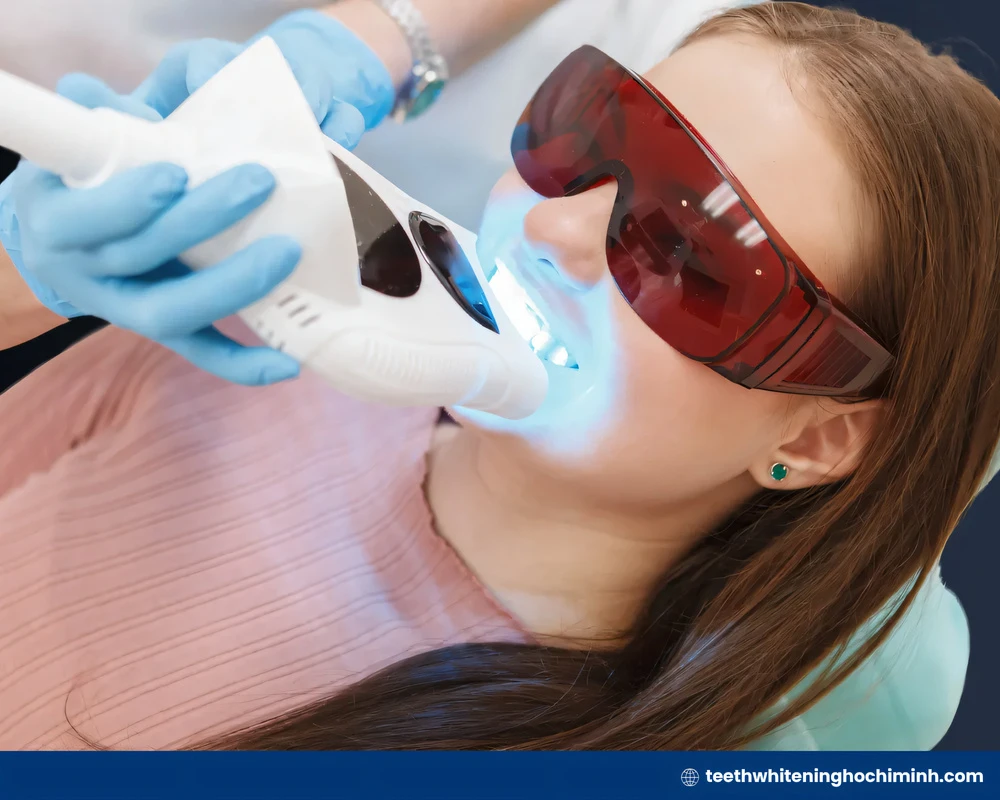
Led teeth whitening use lower-intensity light paired with a milder gel activation process. Most patients tolerate this well, which is one reason cosmetic dentists lean toward LED for anyone flagged as sensitive during consultation.
Laser teeth whitening for sensitive teeth relies on higher-intensity energy and produces faster results in a single visit. The trade-off is a somewhat higher chance of triggering temporary discomfort. For this reason, dentists typically reserve it for patients without a history of sensitivity, or apply extra desensitizing steps beforehand.
Desensitizing toothpaste and gels
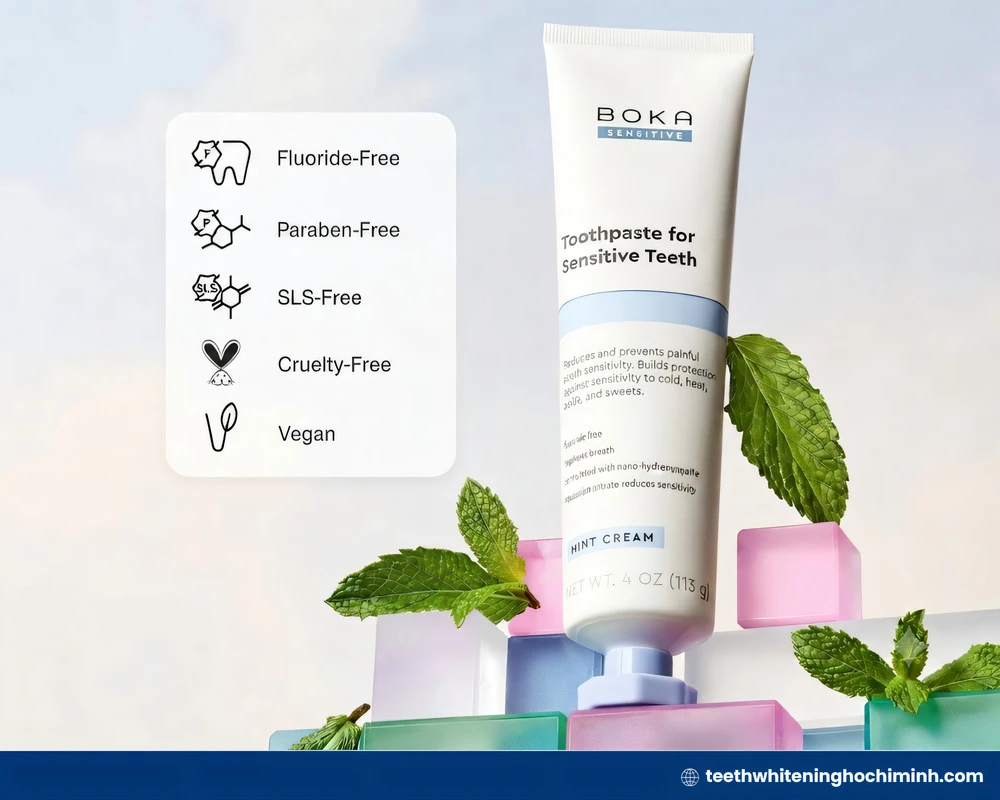
Potassium nitrate and fluoride work by interrupting pain signals before they reach the tooth’s nerve. Neither ingredient whitens on its own, but both play a supporting role in any comfortable sensitive teeth whitening plan.
Dentists often recommend switching to a potassium nitrate toothpaste one to two weeks before treatment begins. Many clinics also apply a desensitizing gel directly before or after an in-office session, adding a second layer of protection on top of the toothpaste routine.
At-home whitening strips and kits
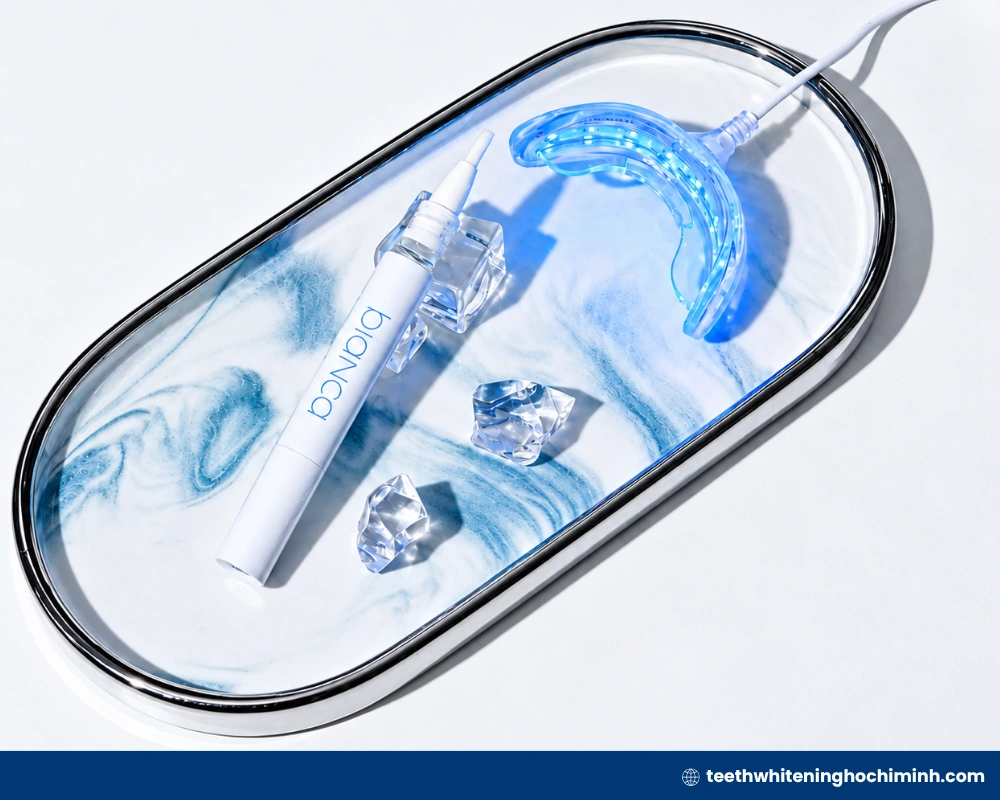
Strips formulated for sensitive enamel use lower peroxide levels and shorter daily wear times. These sessions usually run 15 to 30 minutes, compared with the longer sessions used for standard strips. Results appear gradually rather than dramatically.
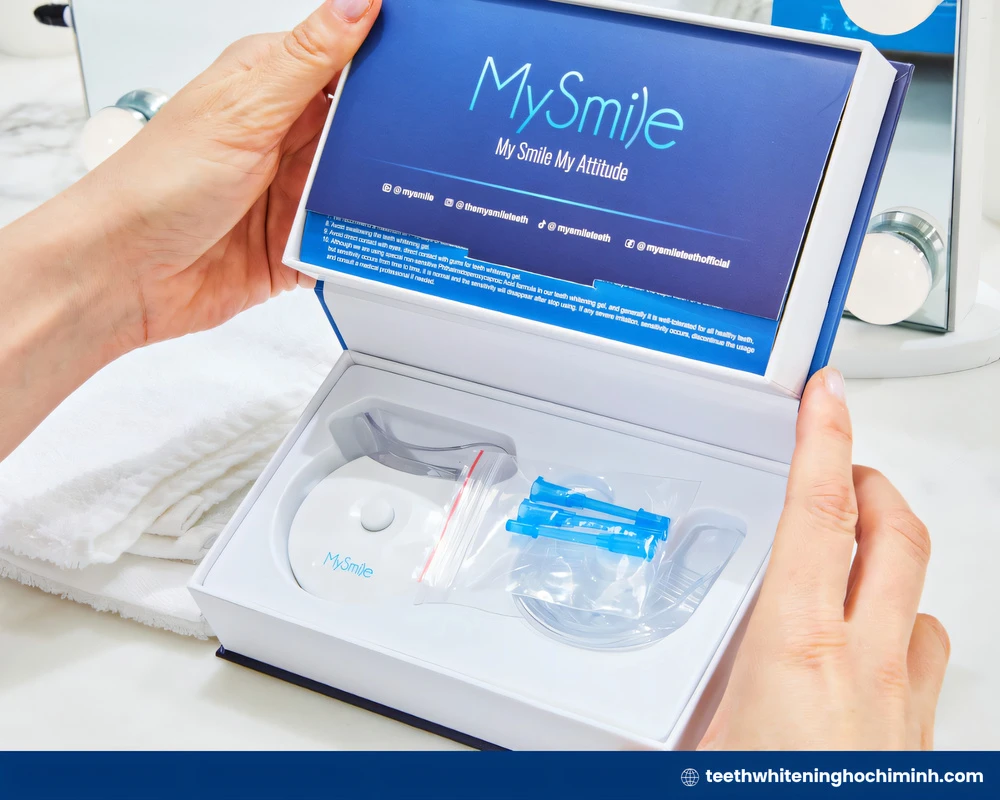
They suit mild staining or maintenance between professional visits reasonably well. For anyone with noticeable discoloration, though, strips rarely qualify as the best teeth whitening treatment for sensitive teeth. Achieving a visible change without supervision takes longer and offers less control over how much gel touches the gums.
Which is the best whitening for sensitive teeth: professional or at-home?
Dentist-supervised tooth whitening for sensitive teeth generally produces more predictable comfort than store-bought kits. A dentist can isolate the gums, check enamel thickness beforehand and adjust gel strength mid-treatment, none of which a boxed kit can replicate.
| Method | Sensitivity risk | Speed of results | Best suited for |
| Custom low-dose trays | Low | Gradual, 2-4 weeks | Long-term sensitive patients |
| LED in-office whitening | Low to moderate | Fast, one session | Events, quick brightening |
| Laser whitening | Moderate | Fastest | Patients without severe sensitivity |
| Desensitizing toothpaste + strips | Low | Slow | Mild staining, maintenance |
This is the comparison most patients are really asking about when they search for the best teeth whitening for sensitive teeth. They’re not simply looking for the fastest or cheapest option. Comfort and enamel safety carry as much weight as the final shade.
How long does sensitivity last after whitening?
Mild sensitivity after a session typically fades within 24 to 48 hours. If discomfort lasts several days or gets worse instead of better, that usually points to a concentration that was too strong for the tooth’s condition.
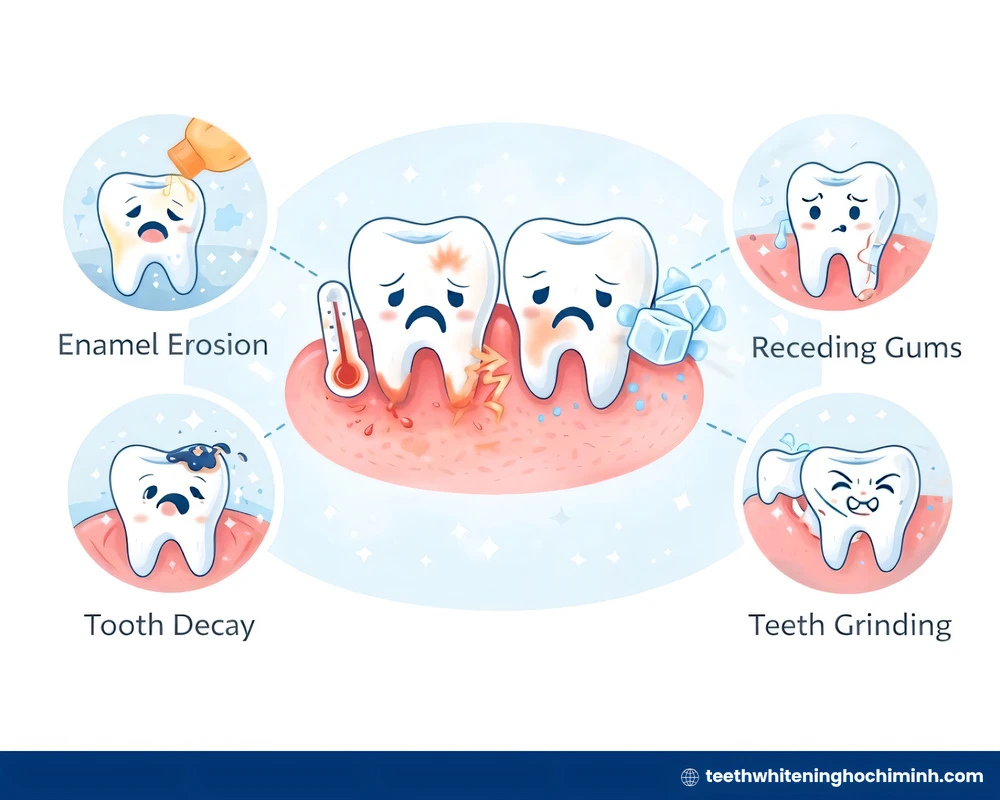
It can also signal an unrelated issue, such as an untreated cavity or an exposed root that needs its own attention. Either way, pushing through worsening pain by continuing the treatment as scheduled is not advisable. This is exactly why teeth whitening for sensitive teeth works best under professional monitoring rather than an unsupervised kit. A short pause followed by a lower-strength approach resolves most cases.
Tips to reduce sensitivity before and after whitening
A handful of habits, used together rather than in isolation, make a measurable difference for teeth whitening for sensitive teeth:
- Start a potassium nitrate toothpaste about two weeks before treatment.
- Avoid very hot, cold, or acidic food and drinks for 48 hours after a session.
- Request a fluoride or desensitizing gel application right after whitening.
- Space sessions out instead of whitening on back-to-back days.
- Start with a lower-concentration gel first, even if the overall timeline runs longer.
Dental sources consistently point to these same steps as the foundation of a safe sensitive teeth whitening plan. They matter most for anyone who already knows their teeth react to hot or cold.
Why get teeth whitening for sensitive teeth in Ho Chi Minh City?
Ho Chi Minh City has become a common stop for expats and travelers seeking dental care at a fraction of Western pricing. Lower cost does not automatically mean lower quality, since many clinics in the city follow the same international protocols used elsewhere for tooth whitening for sensitive teeth.
Local clinics typically offer LED systems, laser whitening and custom tray fittings side by side, so patients are not locked into one fixed protocol. That range matters for anyone specifically looking for best whitening for sensitive teeth rather than a generic package sold to every patient regardless of enamel condition.
| Read more: Top 10 best teeth whitening clinics in Ho Chi Minh City Vietnam 2026
What to ask before choosing a teeth whitening treatment for sensitive teeth
A short conversation with the dentist before the first session can prevent a painful surprise later. Getting teeth whitening for sensitive teeth right often comes down to asking the right questions upfront. The following questions cover what matters most for anyone with a history of sensitivity:
- What hydrogen peroxide concentration will be used and can it be lowered if needed?
- Will a desensitizing gel be applied before or after the session?
- Is LED or laser technology being used and what is the reasoning?
- How many sessions are recommended given my sensitivity level?
- What should be avoided in the 48 hours after treatment?
Clinics that answer these clearly and adjust their protocol based on the answers, are usually the ones offering the best teeth whitening method for sensitive teeth. A provider offering only one fixed package regardless of patient history is generally not the right fit.
Frequently asked questions
Can people with very sensitive teeth still get whitening done?
Yes. Lower-concentration gel, shorter application times and desensitizing products make teeth whitening for sensitive teeth achievable for nearly everyone, aside from patients with untreated dental disease that needs to be resolved first.
Is laser teeth whitening for sensitive teeth a bad idea?
Not necessarily, but it does carry a somewhat higher chance of temporary discomfort than LED whitening. A dentist should check enamel condition and sensitivity history before recommending it.
How many shades can sensitive teeth realistically whiten?
Most patients see a three to four shade improvement with a lower-concentration approach. Reaching that result usually takes a few extra weeks compared with standard-strength treatment.
How soon can someone get teeth whitening for sensitive teeth after a dental checkup?
Most dentists recommend waiting at least one to two weeks after any filling, cleaning, or cavity treatment before starting whitening. This gives the teeth and gums time to settle, reducing the risk of added sensitivity during the process.
Final thoughts
Sensitivity is a manageable factor, not a barrier, when teeth whitening for sensitive teeth is approached correctly. The safest path pairs a lower peroxide concentration with professional supervision and a short pre-treatment routine built around desensitizing products. Anyone considering whitening while in Vietnam should compare clinic protocols carefully rather than choosing on price alone. The right method matters just as much as the final result.