Cosmetic teeth whitening spans luxury to mainstream options with substantial variation in techniques, outcomes and costs. This analysis examines color change science and cost-benefit realities. Evaluate which methods provide genuine results versus disappointing alternatives obscured by marketing claims.
What cosmetic teeth whitening actually means?
The term “cosmetic teeth whitening” distinguishes elective aesthetic procedures from medical dental treatments addressing disease. Professional employs concentrated peroxide formulations-usually 15-40% hydrogen peroxide or 20-37% carbamide peroxide, under dental supervision. These concentrations significantly exceed the 3-10% levels available in consumer products.
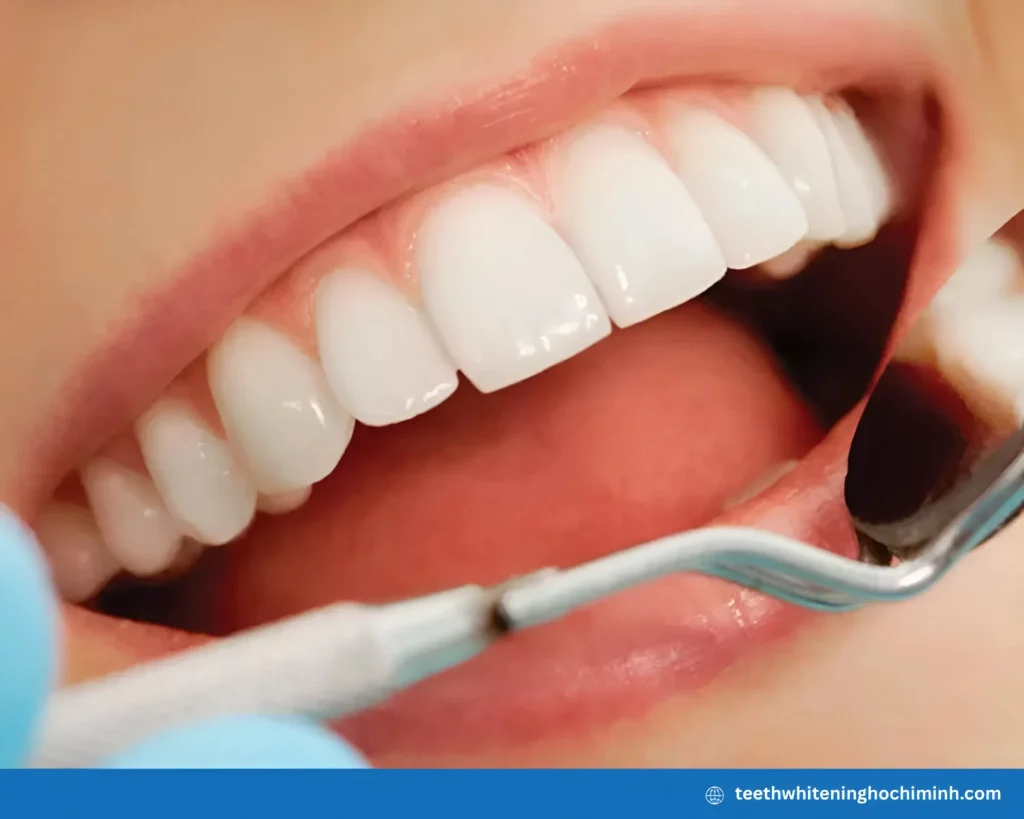
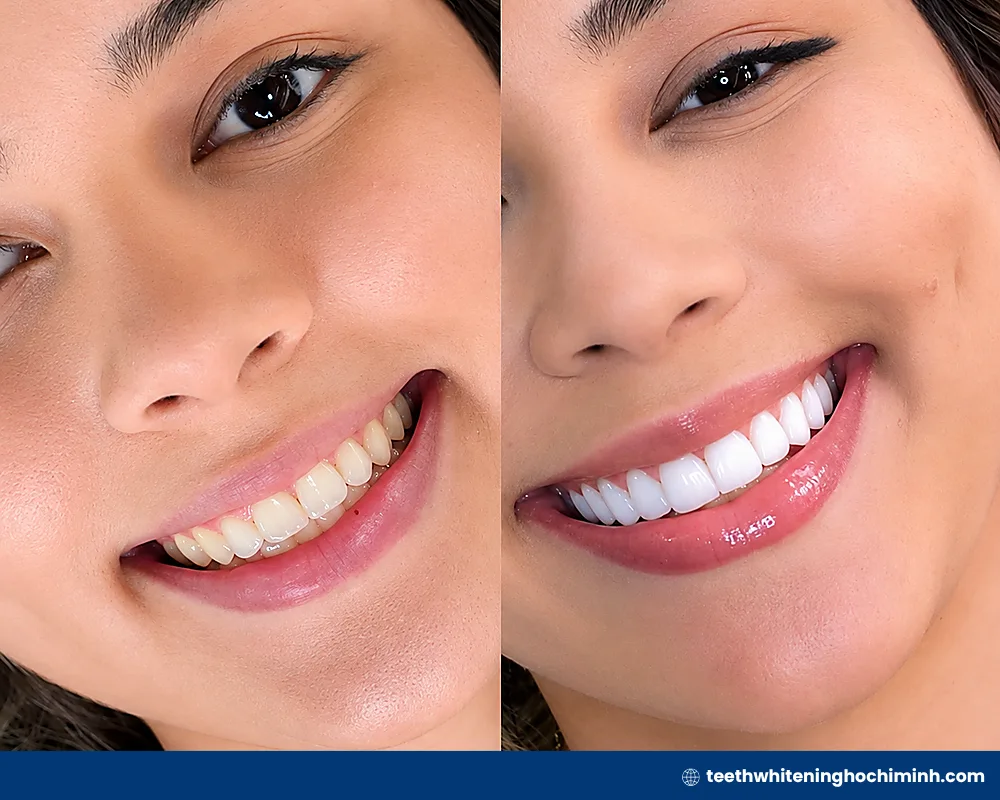
The American Academy of Cosmetic Dentistry notes this field has grown substantially as smile aesthetics gained social importance. Clinical studies published in the Journal of Esthetic and Restorative Dentistry confirm proper techniques achieve 4-8 shade improvements without damaging enamel structure.
Professional approaches to cosmetic teeth whitening
In-office power bleaching
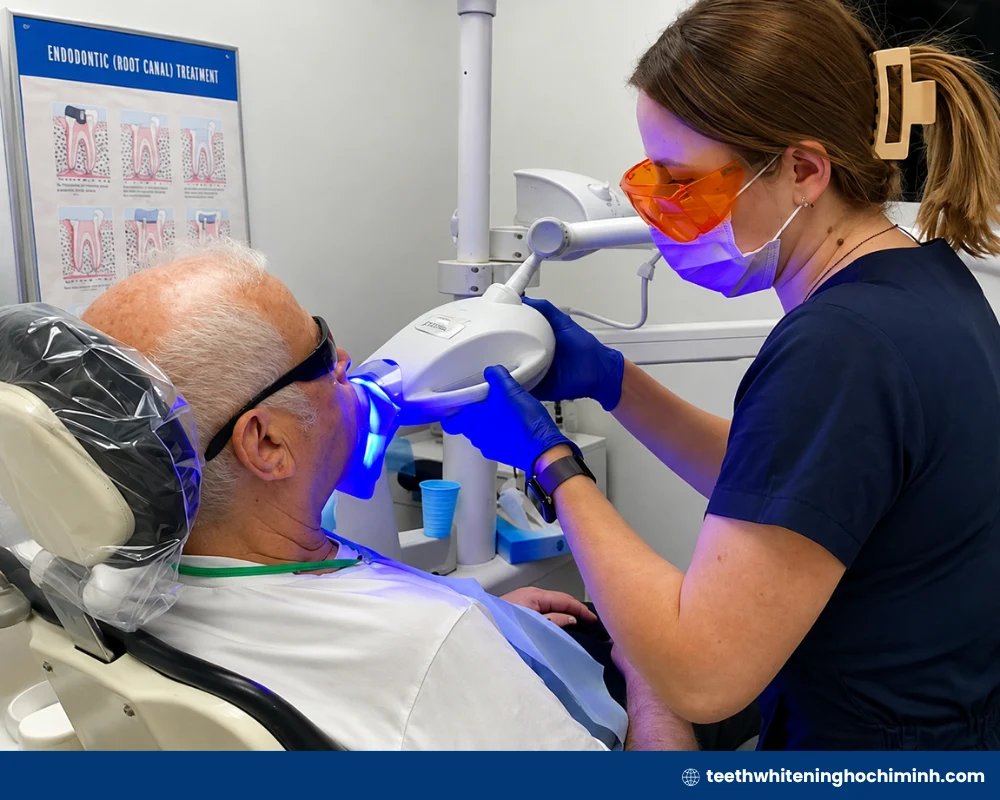
The most common professional approach applies high-concentration peroxide gel during 60-90 minute dental appointments. Dentists isolate soft tissues with protective barriers before applying 25-40% hydrogen peroxide directly to enamel surfaces.
Treatment involves 2-4 application cycles of 15-20 minutes each. Crest and Philips manufacture popular systems, though peroxide chemistry remains identical across brands-effectiveness depends more on concentration and contact time than equipment sophistication.
Research from the International Journal of Dental Hygiene found in-office teeth whitening produces average 5-7 shade improvements when performed by experienced practitioners. Yellow-toned teeth respond excellently, while gray-toned teeth show minimal improvement regardless of technique.
| Read more: Teeth stain remover – 6 best ways to whiten yellow teeth
High-tech LED & laser whitening systems
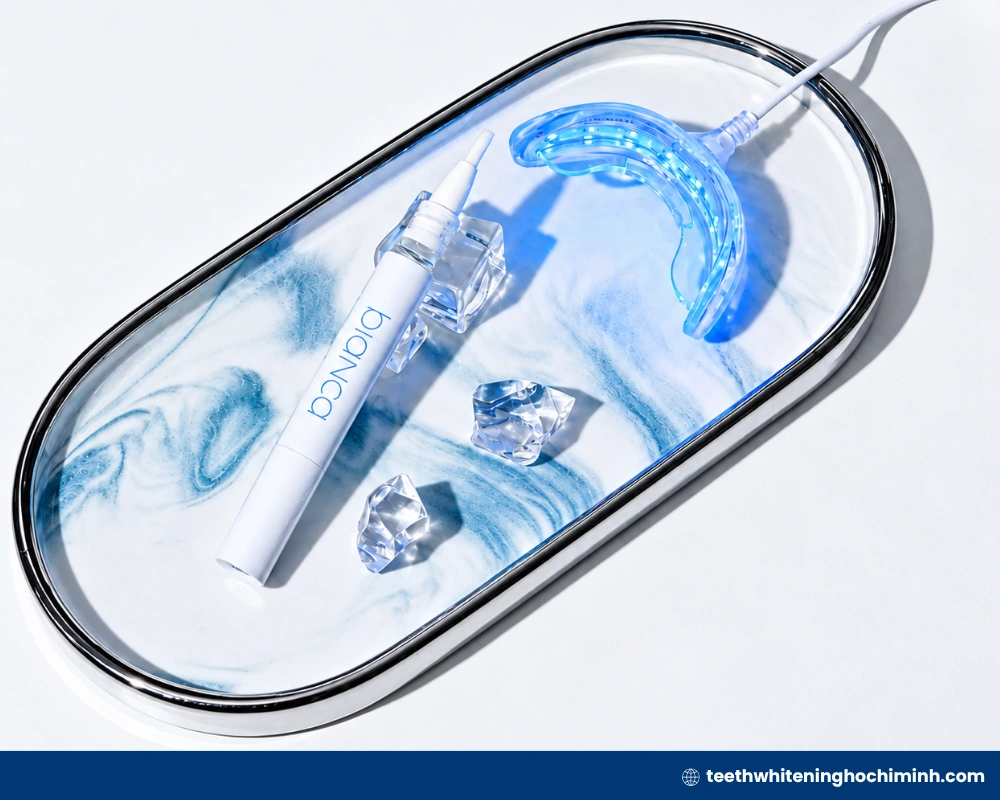
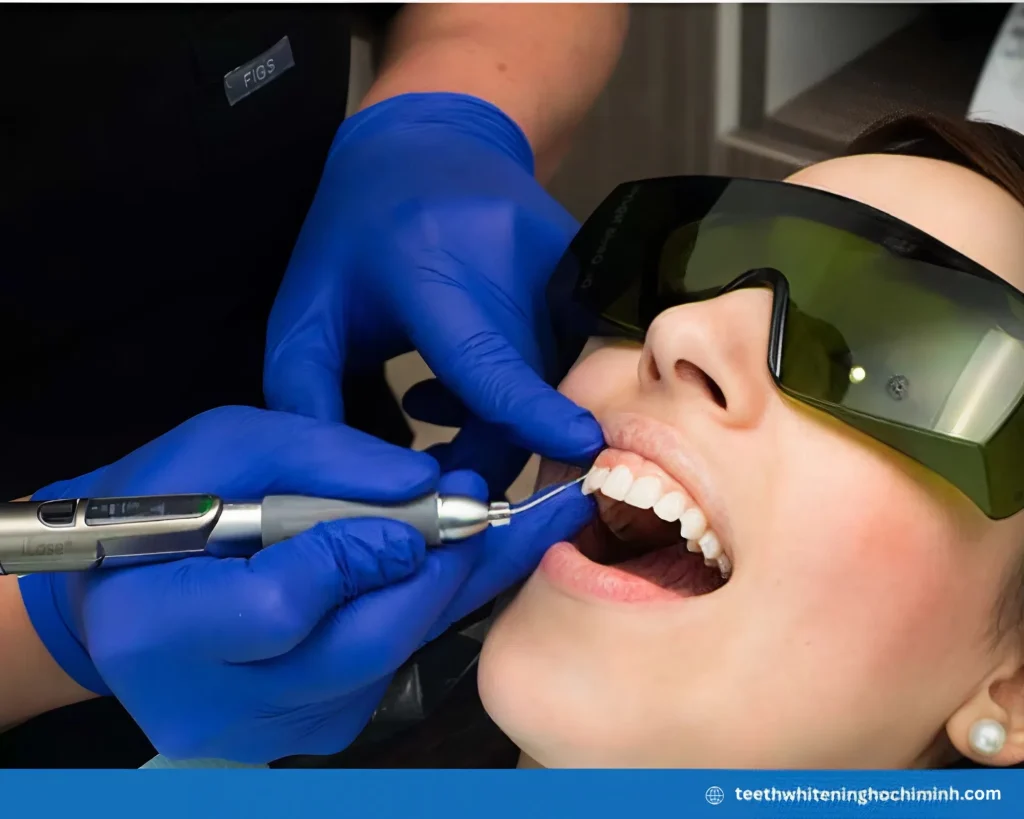
Many clinics market light-activated teeth whitening as advanced technology justifying premium pricing. Zoom WhiteSpeed and Beyond Polus represent common LED systems.
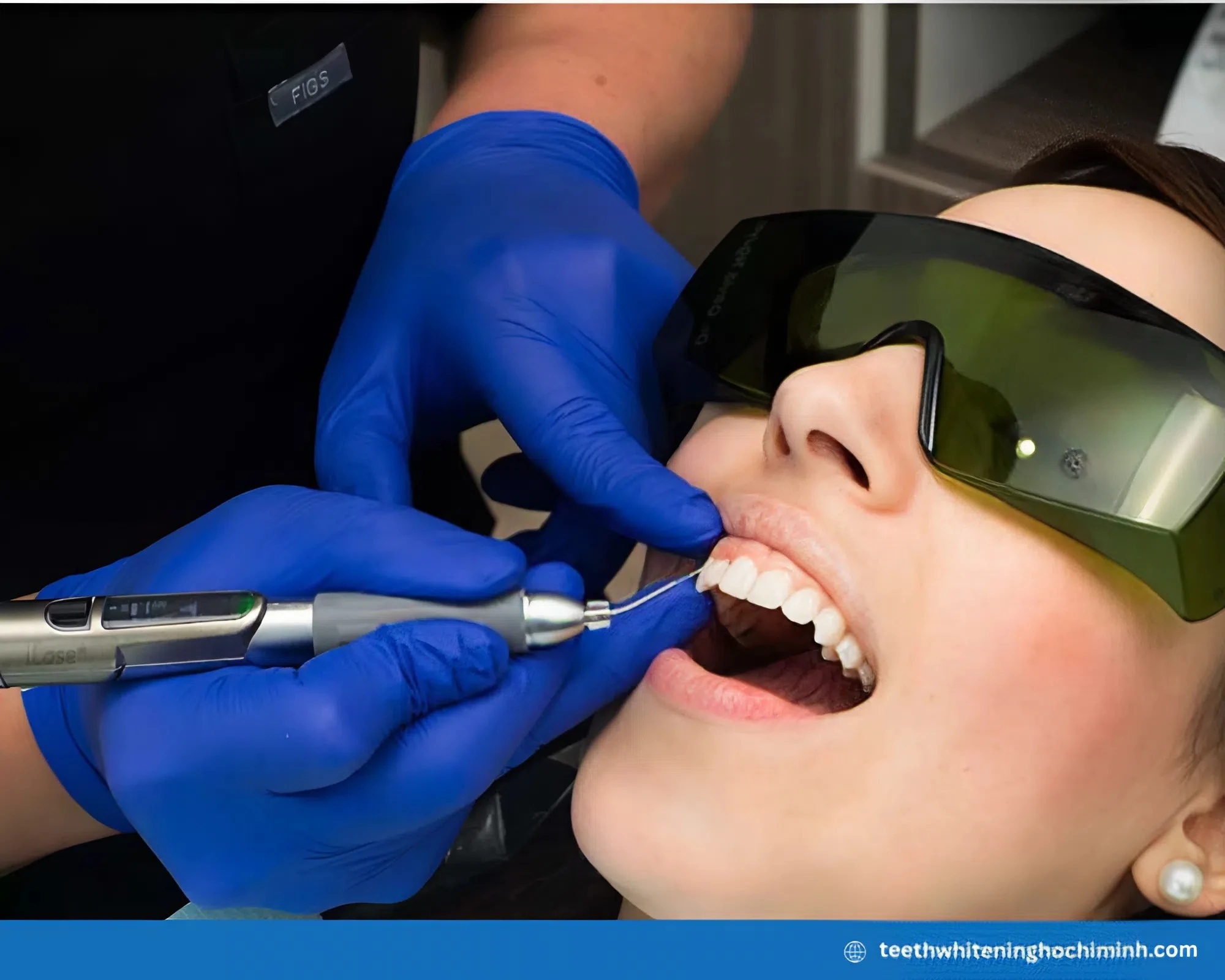
Here’s what clinical evidence actually shows: A 2024 systematic review in Clinical Oral Investigations examined 37 studies comparing light-activated versus non-activated bleaching. The conclusion? LED teeth whitening or laser addition produced 0.3-1.2 additional shade units versus gel alone-often imperceptible to patients.
Dr. Van Haywood, a leading researcher in cosmetic dentistry, has stated that while lights don’t harm outcomes, they add minimal proven benefit beyond the chemical action of high-concentration peroxide. Professional teeth whitening effectiveness stems primarily from supervised use of concentrations unavailable in consumer products, not from light devices.
| Recommended reading: Best laser teeth whitening cost and prices treatment
Custom tray take-home systems
Dentist-supervised home whitening bridges professional oversight with convenience. This approach involves custom tray fabrication from dental impressions, delivering clinical outcomes matching in-office results – 4–7 shade improvements at 40–60% lower teeth whitening treatment cost.
Dentists dispense professional-grade gel at 10-20% carbamide peroxide concentrations. Patients apply gel nightly for 1-2 hours over 10-14 days, with follow-up appointments monitoring progress.
The Academy of General Dentistry considers custom fit teeth whitening trays the optimal balance of effectiveness, safety, and value. Clinical outcomes match in-office results (4-7 shade improvements) while costing 40-60% less.
Cosmetic teeth whitening cost analysis
Understanding price drivers
Understanding what influences cost helps patients evaluate value rather than simply comparing bottom-line figures.
Geographic location: Central districts charge 30-50% more than suburban practices for identical procedures.
Technology employed: LED teeth whitening or laser teeth whitening systems add $40-100 to costs despite minimal proven effectiveness enhancement.
Product brands: Established names like Zoom and Opalescence ensure consistent quality and predictable results.
Ho Chi Minh City pricing comparison
International patients accessing teeth whitening ho chi minh services discover substantial cost advantages versus Western markets.
| Treatment Type | HCMC Range | Western Range | Savings |
| In-office teeth whitening price | $80-150 | $300-600 | 65-75% |
| LED/laser systems | $120-200 | $400-800 | 60-75% |
| Custom take-home | $50-90 | $200-400 | 70-80% |
These cosmetic teeth whitening price differences don’t reflect quality compromises. HCMC’s international clinics employ Western-trained dentists, use identical products available globally, and maintain facility standards matching developed markets. Lower operational costs create savings without sacrificing outcomes.
| See more: Professional in-office teeth whitening cost in Ho Chi Minh 2026
Finding cosmetic teeth whitening near me
District-by-district Ho Chi Minh City guide
Searching “cosmetic teeth whitening near me” in Ho Chi Minh City yields options across districts with varying price points.
District 1 (Central): Highest concentration of international practices with English-fluent staff. Premium pricing $120-200 per treatment.
District 3 (Near Center): Mix of international and domestic clinics. Moderate pricing $80-140 with good English communication.
District 7 (Phu My Hung): Expat-oriented practices with Western-style facilities at $100-180. Popular with long-term residents.
District 10 & Tan Binh: Primarily Vietnamese-language practices with lower pricing $60-120. Chemical effectiveness remains identical regardless of clinic language.
Key evaluation standards
Finding quality cosmetic teeth whitening near me requires assessing specific factors beyond convenient location.
Practitioner credentials: Verify dentist licensing and specialized cosmetic training through continuing education programs.
Facility standards: Modern equipment, visible sterilization protocols, and climate-controlled product storage reflect investment in quality care.
Treatment variety: Clinics offering multiple approaches show flexibility in matching patient budgets rather than pushing single high-margin procedures.
Transparent pricing: Detailed cost breakdowns before treatment prevent surprise fees.
Patient communication: Time spent explaining realistic outcomes and maintenance requirements demonstrates patient-centered philosophy.
The cosmetic teeth whitening business perspective
The cosmetic teeth whitening business has expanded significantly in Southeast Asia as middle-class growth influences beauty norms. Vietnam’s dental tourism sector represents a $50+ million annual industry with whitening procedures among the most requested services.
This growth has attracted both qualified practitioners and opportunistic operators. Reputable practices view whitening as entry point for long-term patient relationships rather than one-time transactions, prioritizing appropriate candidate selection and realistic outcome discussions.
Professional vs. non-professional providers
Some beauty salons offer cosmetic teeth whitening despite lacking dental supervision. Dentists screen for contraindications like untreated cavities or enamel defects requiring correction before whitening. They adjust concentrations based on sensitivity history and customize protocols.
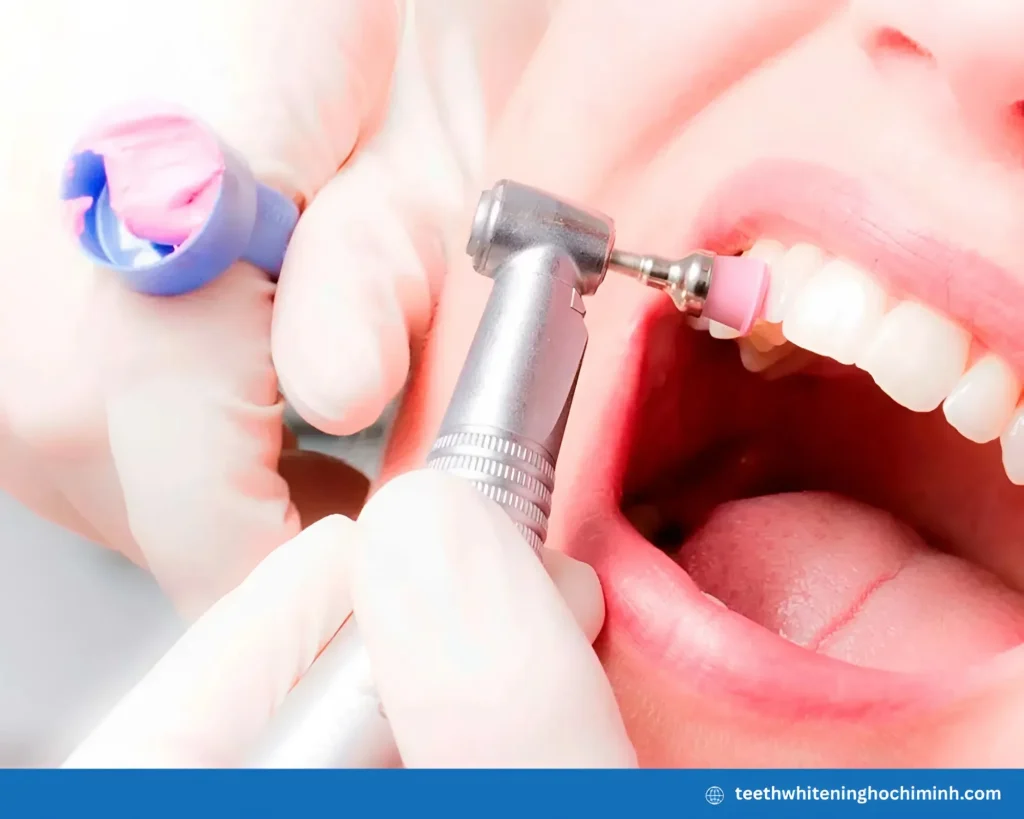
Non-dental providers apply standardized protocols without medical assessment capabilities. International dental associations including the ADA recommend limiting cosmetic teeth whitening to licensed dental professionals who can properly evaluate candidates and manage complications.
Long-term value considerations
Result longevity and follow-up care
Professional cosmetic teeth whitening produces results lasting 12-18 months with proper maintenance. Coffee, tea, red wine, and tobacco consumption accelerate shade regression-patients consuming these daily may see fading within 6-9 months.
Touch-up protocols extend initial investment value. Brief in-office sessions (30 minutes, $40-70) or short courses of take-home gel (3-5 days, $25-40) restore color every 10-14 months at substantially lower cost than full retreatments.
Cost-per-shade analysis
In-office treatments at $120 producing 6-shade changes cost $20 per shade. Custom trays at $70 achieving 5-shade improvements cost $14 per shade. Over 24 months including maintenance, custom trays deliver superior per-shade value.
For time-pressed international visitors, the convenience premium of immediate in-office results justifies higher costs. For those weighing up all options before committing, a full breakdown of affordable teeth whitening options helps clarify where genuine value lies across different budget levels.
Conclusion
Cosmetic teeth whitening delivers measurable aesthetic improvements when patients understand realistic outcomes and select appropriate methods for individual circumstances. Professional treatments using 15-40% peroxide concentrations achieve 4-8 shade changes-dramatic enhancement justifying costs for many patients.
The best cosmetic teeth whitening approach balances effectiveness, safety, cost, and convenience. In-office procedures suit time-pressed international visitors, while custom tray systems optimize value for residents able to commit 10-14 days to treatment.