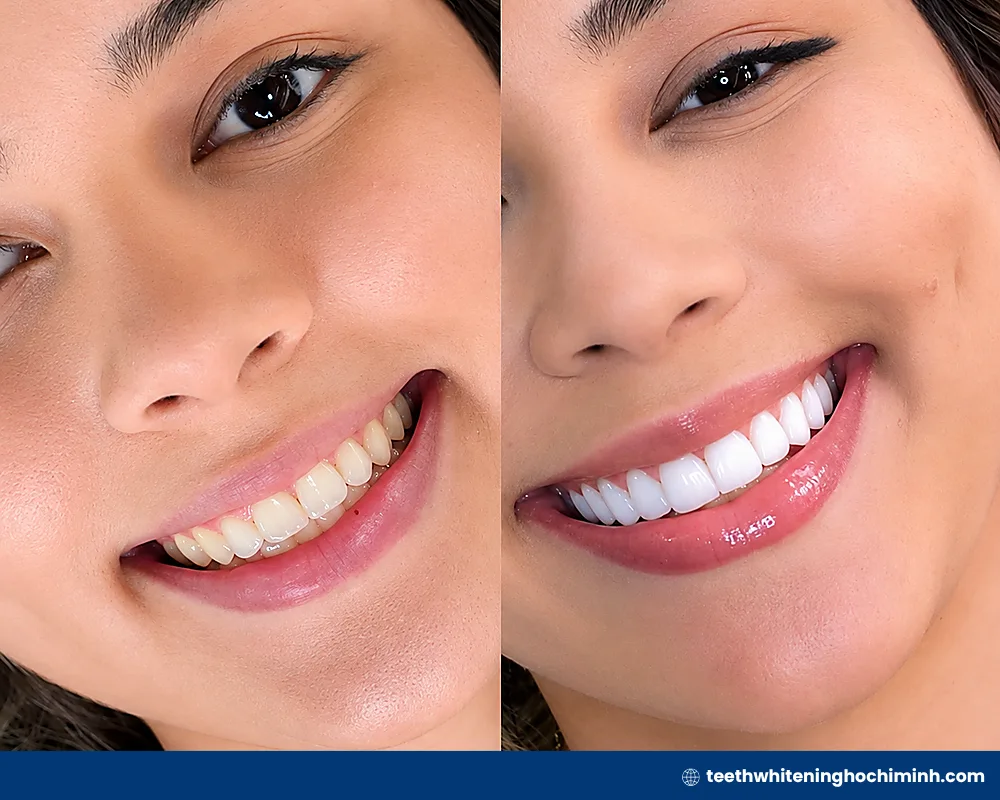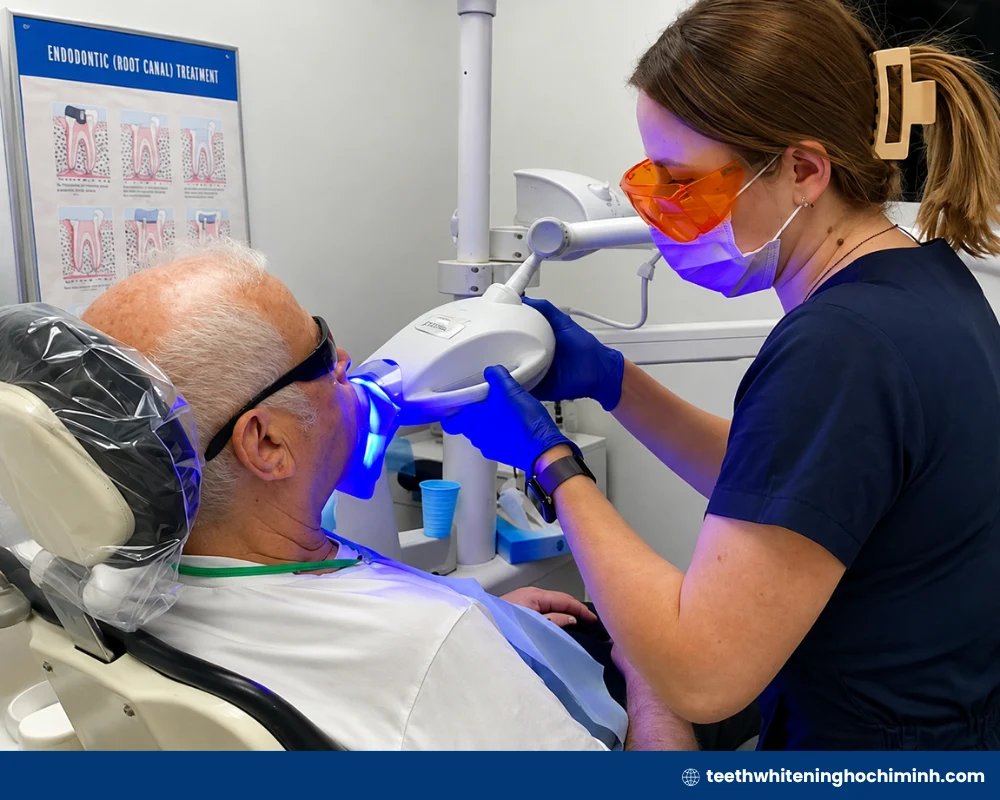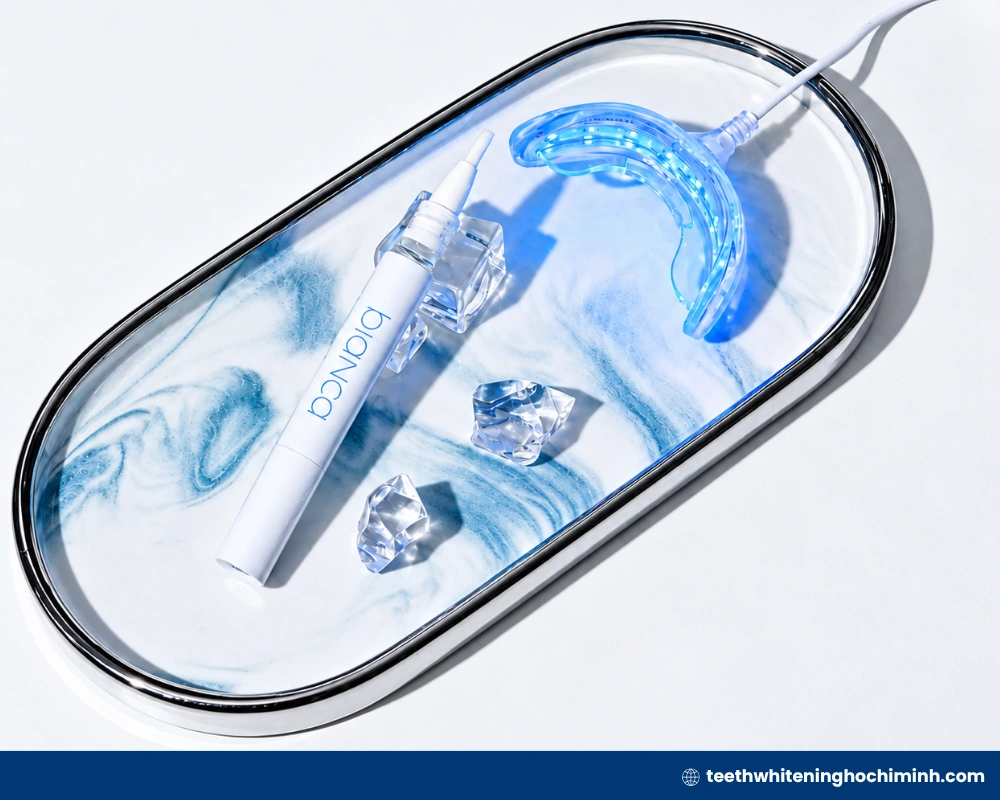
A laser teeth whitening kit is a home whitening system built around a peroxide gel and a light-activated device. It is not the same equipment used in a dental clinic, even though the packaging often borrows the word “laser”. For expats living in Vietnam, these kits are widely sold both online and at local pharmacies as a cheaper alternative to clinic sessions. This guide breaks down what actually determines results, which safety marks matter, and how the main kit types compare.
What is a laser teeth whitening kit?
A laser teeth whitening kit is an at-home device that uses light to speed up the whitening effect of a peroxide gel. It typically includes a gel syringe, a light unit, and a mouth tray for repeated use over one to two weeks.
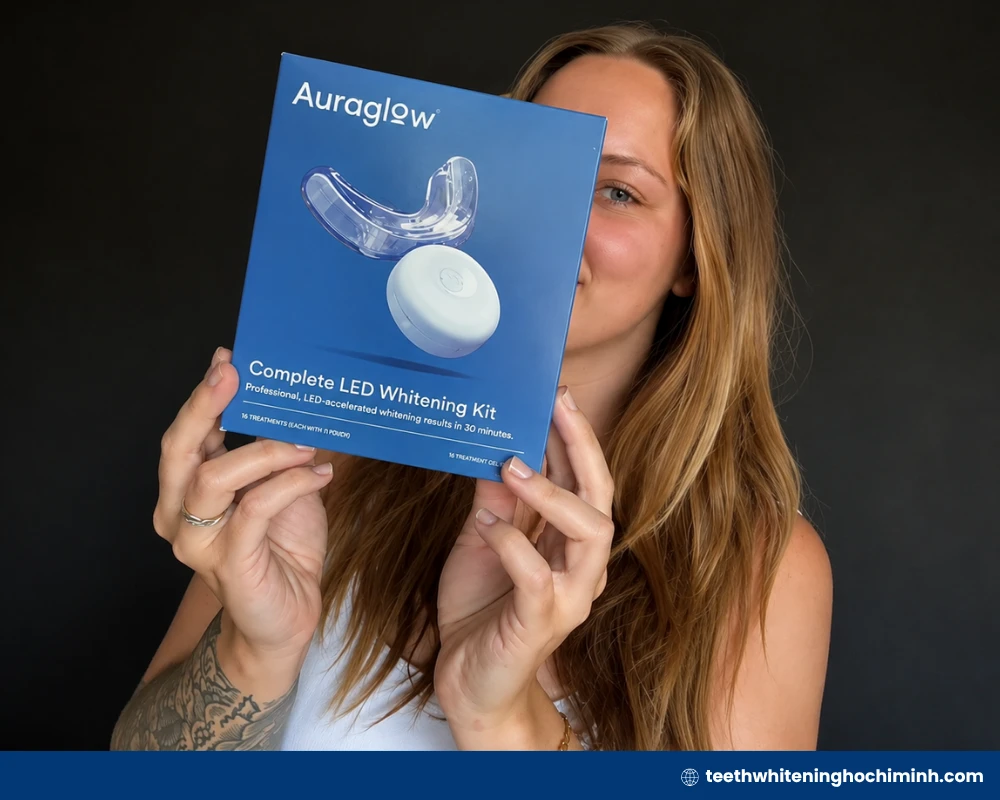
The gel is what actually lightens the enamel in every laser teeth whitening kit on the market. Hydrogen peroxide or carbamide peroxide breaks surface stains into smaller particles that reflect less color, and the light simply speeds up that chemical reaction rather than doing the whitening itself.
Despite the branding, almost none of these consumer devices contain a true dental laser. Nearly all of them run on LED bulbs, a detail worth checking before comparing prices, since it changes what results are realistic from one session.
Laser vs LED teeth whitening kits, what actually differs
Home kits marketed as “laser” almost always use LED light, not a dental laser teeth whitening. Genuine laser-assisted whitening stays inside dental clinics because it needs supervision and generates more heat.
| Feature | In-clinic laser | At-home LED kit |
| Light source | High-intensity dental laser | Low-heat LED bulbs |
| Supervision | Required | Not required |
| Typical result speed | Often a single visit | Gradual, over several sessions |
| Average price | $300 to $800 per session | $25 to $70 per kit |
The price gap exists because clinic lasers need trained staff and stronger gel concentrations to work safely. A home laser teeth whitening kit trades that speed for convenience and a lower cost, which suits most people who only want a few shades of improvement rather than a full cosmetic overhaul.
Key features to check before buying a laser teeth whitening kit
Three things decide whether a kit is worth buying: gel strength, light type, and proof of safety testing. Packaging claims matter far less than these three factors.
Gel concentration
Gel strength is the main driver of both speed and comfort. Higher percentages whiten faster but increase the chance of sensitivity.
- Hydrogen peroxide: ranges from 3% to 25%. Works quickly, but irritates enamel above roughly 20% without a desensitizing step.
- Carbamide peroxide: ranges from 10% to 44%. Releases more slowly as it converts into hydrogen peroxide, which feels gentler on reactive teeth.
Light technology
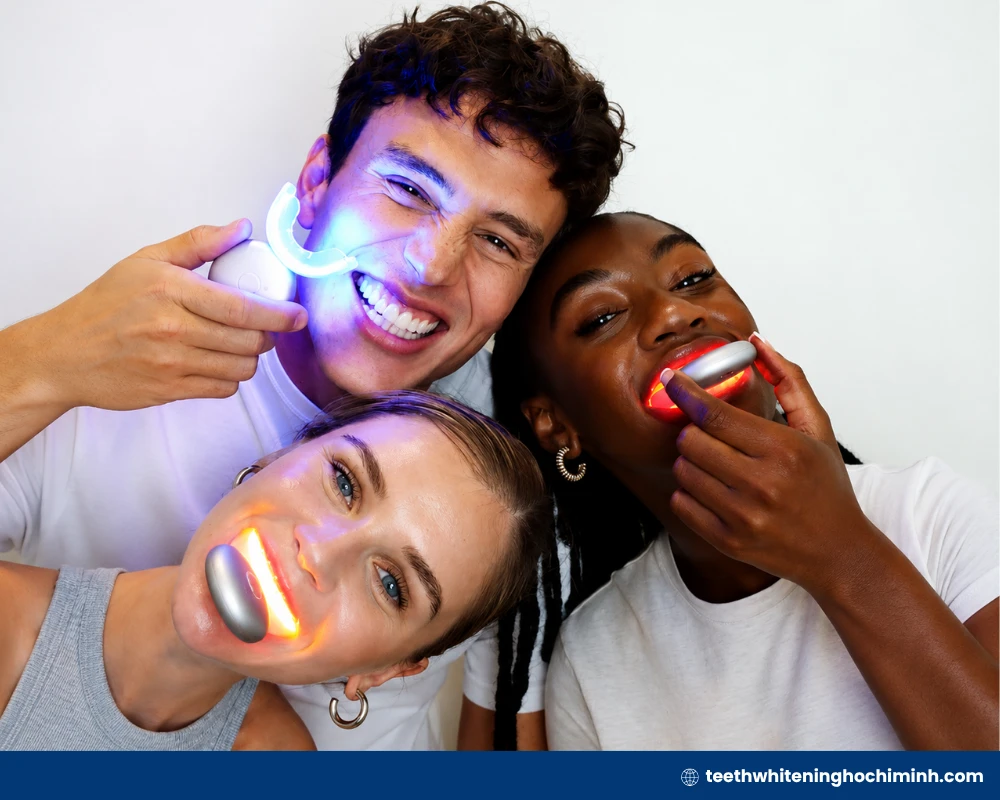
Most budget kits ship with a single blue LED. Dual-mode kits add a red light setting specifically to reduce discomfort for sensitive gums.
A built-in auto shutoff timer is a practical detail that separates a well-made laser teeth whitening kit from a low-cost one. Without it, overexposure becomes easy if the session runs longer than intended.
Certification and safety
Over-the-counter whitening products, including every laser teeth whitening kit sold online, are not “FDA approved.” Most whitening devices fall under the FDA’s Class I medical device category, which requires registration but not premarket approval, while the gels themselves are regulated as cosmetics rather than drugs. Any listing that claims outright “FDA approval” should be treated with caution.
A more reliable marker is the ADA Seal of Acceptance, granted after the American Dental Association’s Council on Scientific Affairs reviews clinical and safety data. So far it has mostly gone to teeth whitening strips and toothpaste rather than LED kits. Buyers should also confirm FDA establishment registration and check that the full ingredient list is disclosed on the label.
Which laser teeth whitening kit type fits you best?
The right kit depends on gum sensitivity, budget, and how often touch-ups are planned. The table below groups the three most common categories sold today.
| Kit type | Best for | Gel strength | Light | Price |
| Balanced/all-purpose | Everyday use | ~16% hydrogen peroxide | Dual LED | $35 to $60 |
| Budget | Occasional touch-ups | ~10% carbamide peroxide | Blue LED | $15 to $30 |
| Sensitivity-focused | Reactive teeth and gums | Low peroxide + desensitizer | Red/dual LED | $40 to $70 |
The balanced category is the safest default laser teeth whitening kit for a first purchase. It combines a mid-strength gel with a dual LED and an auto shutoff timer, delivering around ten sessions for $35 to $60.
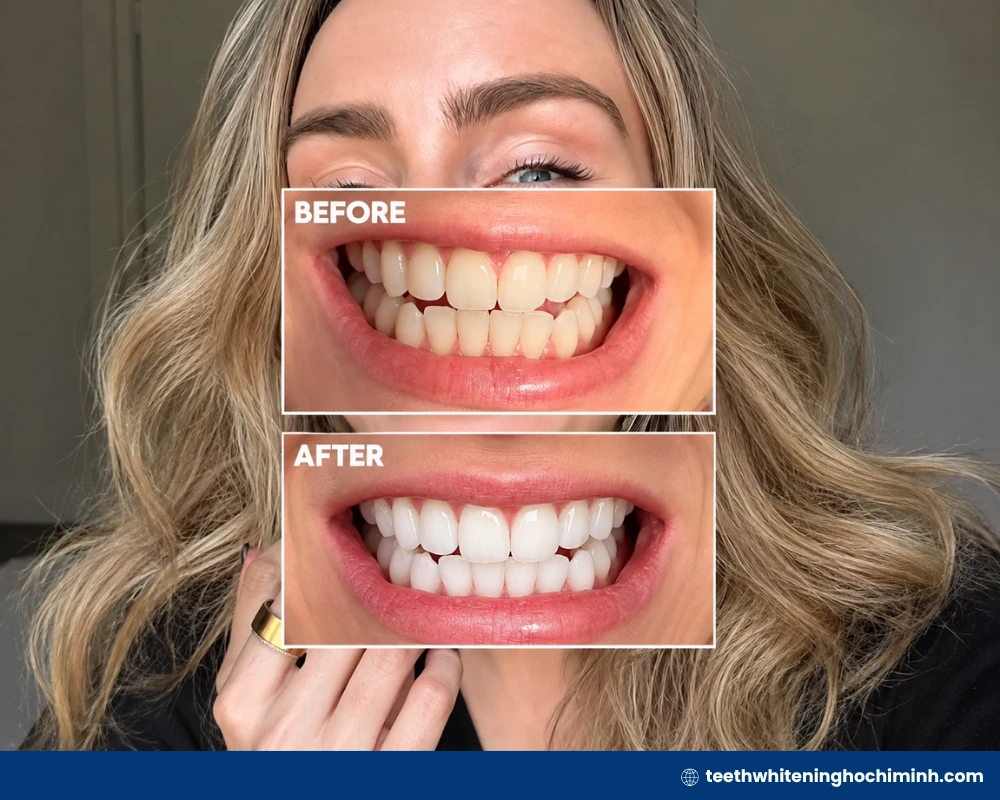
A budget laser teeth whitening kit uses a milder gel and a single-mode light, so results build more slowly. It works well for maintaining an existing shade rather than starting from noticeably stained teeth, and it costs $15 to $30.
A sensitivity-focused laser teeth whitening kit lowers the peroxide percentage and adds a desensitizing step before or after application. It costs more, $40 to $70, but reduces the risk of the sharp, short-lived pain some users report with stronger formulas.
What mistakes make results worse?
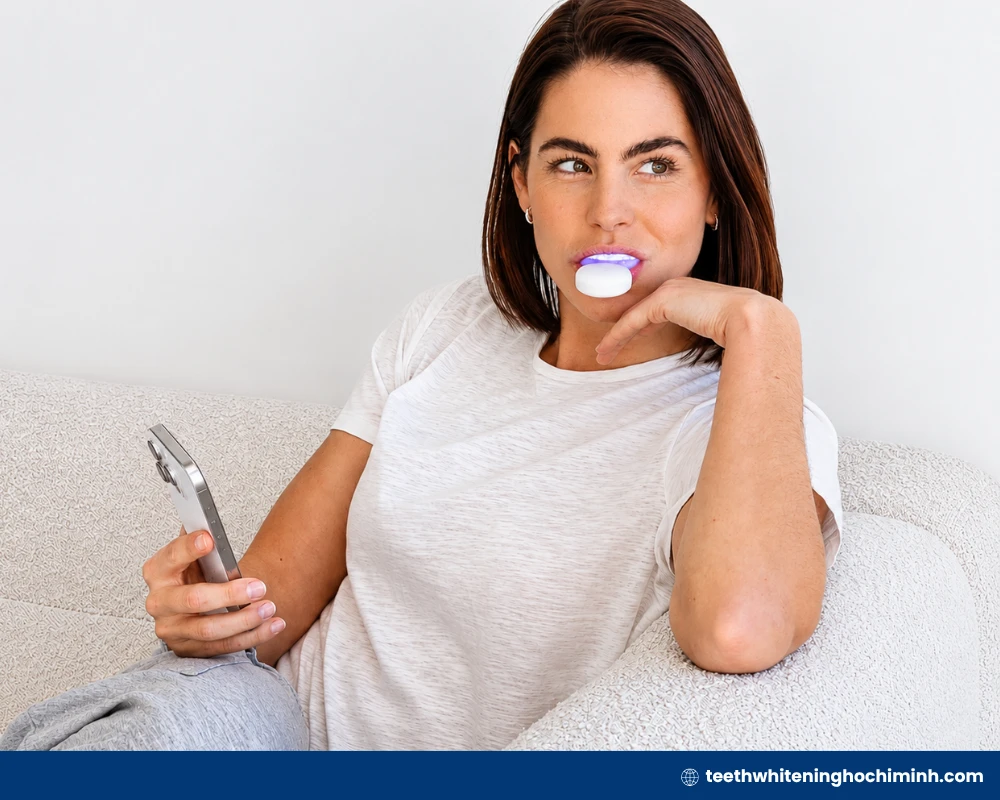
Most disappointing results come from misusing a laser teeth whitening kit, not from a weak product. Three mistakes show up repeatedly in user reports and dental guidance:
- Leaving gel on past the recommended time. This doesn’t whiten faster. It mainly raises the risk of gum irritation, since the manufacturer’s timing already accounts for how quickly the active ingredient works.
- Skipping the pre-treatment brush. A film of saliva or plaque on the enamel blocks even gel contact. That’s what causes blotchy or uneven whitening across the smile.
- Reusing an old gel syringe. Peroxide degrades once the seal is opened. A syringe left unused for several months delivers a noticeably weaker dose than the label suggests.
All three mistakes share the same root cause: rushing past the instructions on the box. Following the exact time, prep, and storage guidance is what separates a kit that works from one that disappoints.
Frequently asked questions
How long does a laser teeth whitening kit take to work?
Most users notice a visible change after three to five sessions. Fuller results typically appear after one to two weeks of consistent daily use, depending on the starting shade.
Can a laser teeth whitening kit damage enamel?
Not when used exactly as directed with an approved gel concentration. Damage risk mainly comes from overuse, applying excess gel, or choosing an uncertified product with no disclosed ingredients.
Do these kits work on every type of stain?
Not evenly. Yellowish surface stains respond best, while gray or brown discoloration from certain medications or old fillings barely changes with a laser teeth whitening kit, and a dentist consult is the better option in that case.
How long do results usually last?
Results commonly hold for three months to a year, depending on diet, smoking habits, and oral hygiene. Occasional touch-up sessions extend that window further.
A laser teeth whitening kit works best as a maintenance tool rather than a replacement for professional care, especially for stains that don’t respond to peroxide. Checking the gel percentage, light type, and certification status before buying avoids most of the disappointing results reported online. For anyone comparing at-home options against a supervised clinic session in Vietnam, the fuller breakdown is in our guide to Teeth Whitening Ho Chi Minh.
References
- American Dental Association, “Whitening” (ADA oral health topics). ada.org/resources/ada-library/oral-health-topics/whitening
- American Dental Association, “ADA Seal of Acceptance.” ada.org/resources/research/science/ada-seal-of-acceptance
- Registrar Corp, “FDA Compliance For Fluoride, Whitening & Other Dental Products.” registrarcorp.com/blog/medical-devices/medical-device-regulations/fda-compliance-for-fluoride-whitening