
Safe teeth whitening prioritizes enamel protection and minimizes sensitivity with dentist-approved methods. This guide covers proper protocols for Ho Chi Minh City residents. Follow evidence-based approaches that prevent complications while achieving gradual, satisfactory brightness improvements.
What makes safe teeth whitening different?
Safe teeth whitening balances effectiveness with tissue preservation, following established guidelines that protect dental structures during bleaching processes.
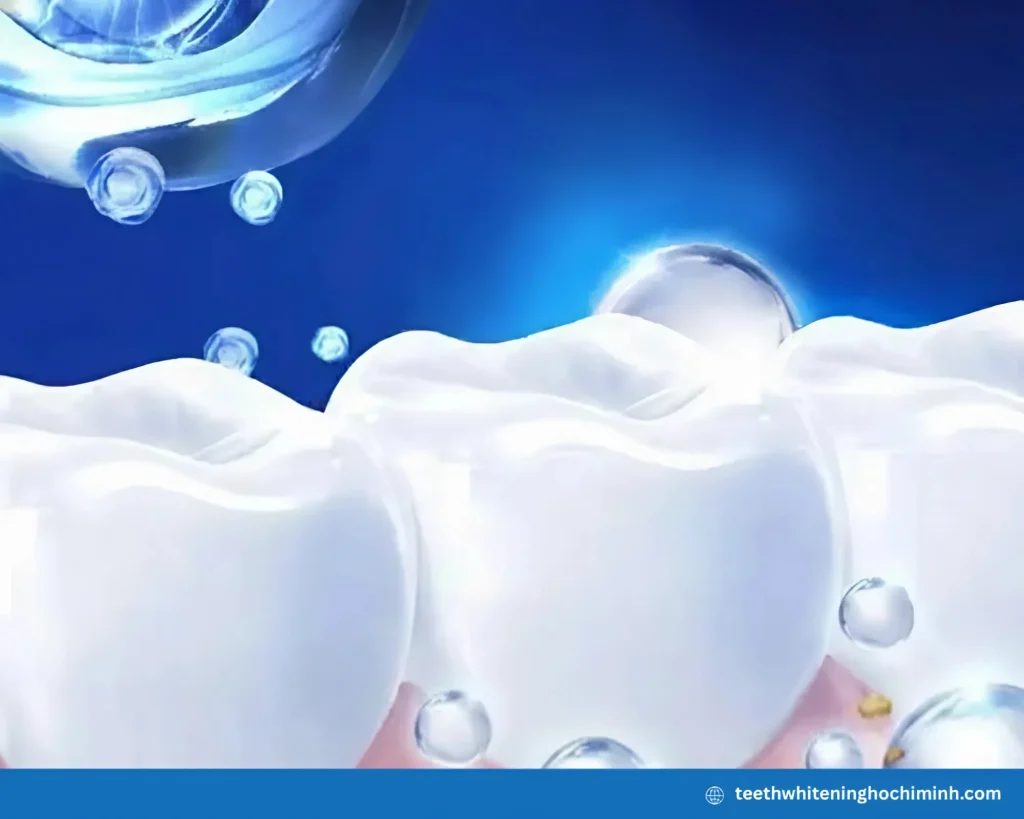
Core principles of safe teeth whitening include:
Appropriate concentration levels: Professional supervision ensures peroxide levels match individual tolerance and stain severity
pH-balanced formulations: Products maintaining neutral or slightly alkaline pH prevent acid erosion during safe teeth whitening treatment
Application duration limits: Adhering to recommended exposure times prevents chemical burns and excessive sensitivity
Pre-treatment assessment: Identifying cavities, exposed roots, or gum disease before whitening prevents aggravating existing conditions
Enamel integrity: Methods that avoid compromising tooth structure maintain long-term dental health beyond cosmetic improvements
The distinction between safe teeth whitening and unsafe whitening lies primarily in concentration control, application technique, and individual suitability assessment rather than method type alone.
Safest way to whiten teeth: Professional vs. at-home comparison
| Method | Safety Rating | Supervision | Concentration Control | Sensitivity Risk | Enamel Protection |
| In-Office Professional | Highest | Direct dentist monitoring | Precise 25-40% H₂O₂ | Moderate (managed) | Protective barriers used |
| Dentist-Dispensed Trays | Very High | Initial fitting + follow-up | Controlled 10-20% CP | Low to moderate | Custom fit prevents leakage |
| Over-Counter Strips | Moderate | Self-managed | Standardized 6-14% H₂O₂ | Low to moderate | Generic fit varies |
| Whitening Toothpaste | High | Self-managed | 0-1.5% H₂O₂ | Very low | Gentle abrasives only |
| Natural Methods | High | Self-managed | No peroxide | Minimal | Depends on abrasiveness |
Professional in-office safe teeth whitening
Dentist-supervised treatments represent the safest way to whiten teeth for achieving dramatic results while minimizing complications.
Safety advantages of professional safe teeth whitening:
- Pre-treatment examination identifies contraindications (cavities, cracks, receding gums)
- Protective barriers shield gums and soft tissues from chemical contact
- Precise application prevents gel migration to sensitive areas
- Immediate intervention available if adverse reactions occur
Risk management: Dentists adjust safe teeth whitening protocols for patients with thin enamel, existing sensitivity, or previous dental work, preventing complications that self-administered methods cannot anticipate.
At-home whitening kits provided by dental professionals
Custom-fitted trays with professional-grade gel provide safest teeth whitening at home under indirect supervision.
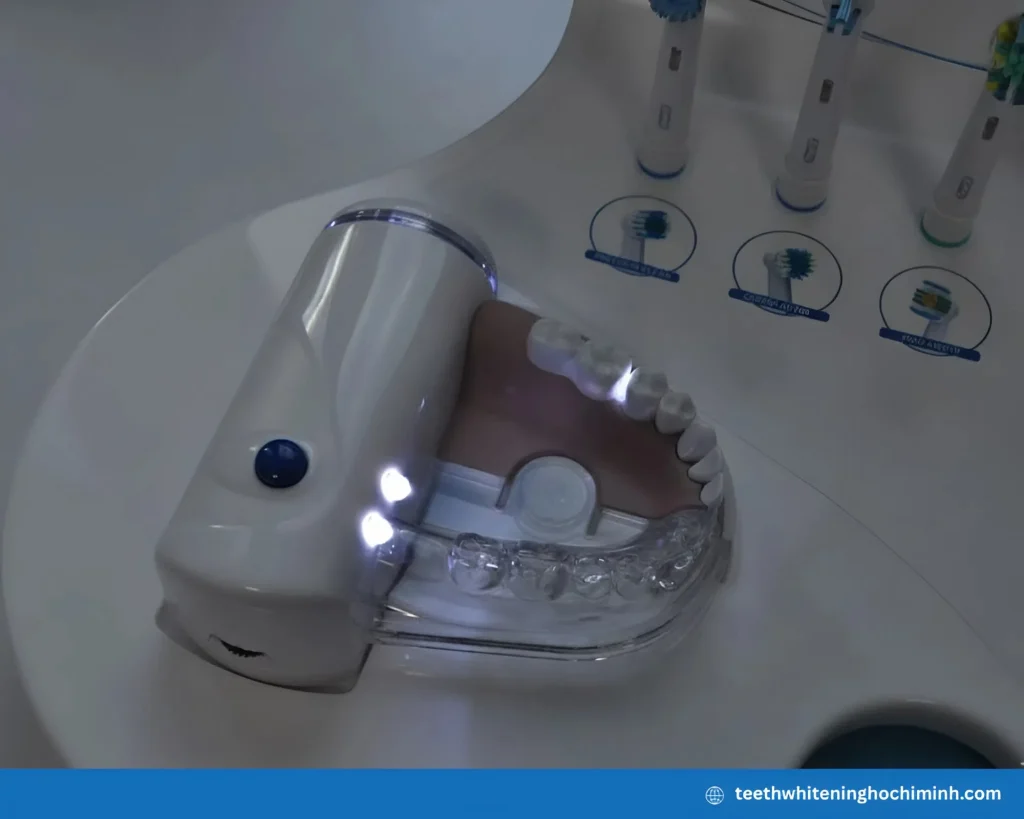
Why these excel in safe teeth whitening:
- Initial dental examination rules out contraindications
- Custom trays prevent gel overflow onto gums
- Lower concentrations (10-16% carbamide peroxide) reduce sensitivity
Application protocol: Wear trays 30-60 minutes daily for 1-2 weeks, with dentist check-ins ensuring proper progress without adverse effects.
Safe teeth whitening at home: Best Practices
Over-the-counter teeth whitening strips
Teeth whitening strips offer reasonable safety when used according to package instructions for safe teeth whitening at home.
Safety checklist for strip usage:
Choose products with ADA Seal of Acceptance
- Never exceed recommended wear time (typically 30 minutes)
- Avoid overlapping strips onto gum tissue
- Discontinue if severe sensitivity develops
- Wait 6 months between whitening courses
- Skip days if mild sensitivity occurs
Common mistakes to avoid: Wearing strips overnight, using multiple products simultaneously, or continuing despite pain signals enamel stress requiring treatment cessation.
Whitening toothpaste as safest daily option
Whitening toothpastes represent the safest teeth whitening method for continuous use without supervision.
Mechanism: Gentle abrasives and low-concentration peroxides (under 1.5%) remove surface stains through mechanical action rather than deep bleaching.
Safety profile: Non-abrasive formulations with ADA acceptance demonstrate no enamel wear with twice-daily brushing. Look for Relative Dentin Abrasivity (RDA) values below 150 for optimal safety.
Expected results: 1-2 shade improvement over 4-6 weeks through consistent use, maintaining rather than transforming tooth color.
Healthy teeth whitening: Protecting dental structures
Understanding enamel vulnerability during safe teeth whitening
Peroxide-based safe teeth whitening temporarily increases enamel porosity as bleaching agents penetrate tooth structure.
What happens during treatment:
- Enamel prisms separate slightly to allow peroxide penetration
- Mineral content temporarily decreases
- Remineralization begins 24-48 hours post-treatment
Protection strategies for safe teeth whitening:
- Apply fluoride gel after whitening sessions
- Avoid acidic foods/drinks for 48 hours post-treatment
- Maintain adequate saliva flow to support natural remineralization
Managing sensitivity during safe teeth whitening
Tooth sensitivity affects 60-70% of whitening users but rarely indicates permanent damage when following safe teeth whitening guidelines.
| Sensitivity Level | Symptoms | Management Approach |
| Mild | Slight twinge with cold drinks | Continue treatment, use desensitizing toothpaste |
| Moderate | Noticeable discomfort with temperature changes | Lower bleaching frequency and add topical fluoride |
| Severe | Sharp pain interfering with eating | Stop treatment immediately, consult dentist |
Preventive measures:
- Start with lower concentrations (10% carbamide peroxide)
- Extend treatment duration rather than increasing concentration
- Use potassium nitrate desensitizing gel before whitening
- Allow 48-hour intervals between treatments initially
>>> See more: Teeth Whitening For Sensitive Teeth: Best Methods & Top Tips
Gum health during healthy teeth whitening
Protecting soft tissues ensures healthy teeth whitening outcomes without complications.
Signs of gum irritation:
- Tenderness along gum line
- Slight bleeding when brushing
Prevention techniques:
- Apply petroleum jelly to gum line before strip application
- Ensure custom trays don’t extend beyond tooth edges
- Wipe excess gel immediately if overflow occurs
Best safest teeth whitening: Evidence-based recommendations
For first-time users seeking safe teeth whitening
Recommended approach: Dentist-dispensed take-home kits with 10% carbamide peroxide
Rationale: Professional assessment identifies contraindications while custom trays and lower concentrations minimize adverse effects. Initial dental supervision establishes baseline for future self-directed maintenance.
For sensitive teeth
Recommended approach: Whitening toothpaste plus biannual professional cleanings
Rationale: Gradual stain removal without peroxide exposure suits individuals prone to sensitivity. Professional cleanings remove deeper stains safely without chemical irritation.
For quick results with safe teeth whitening
Recommended approach: In-office professional teeth whitening with protective protocols
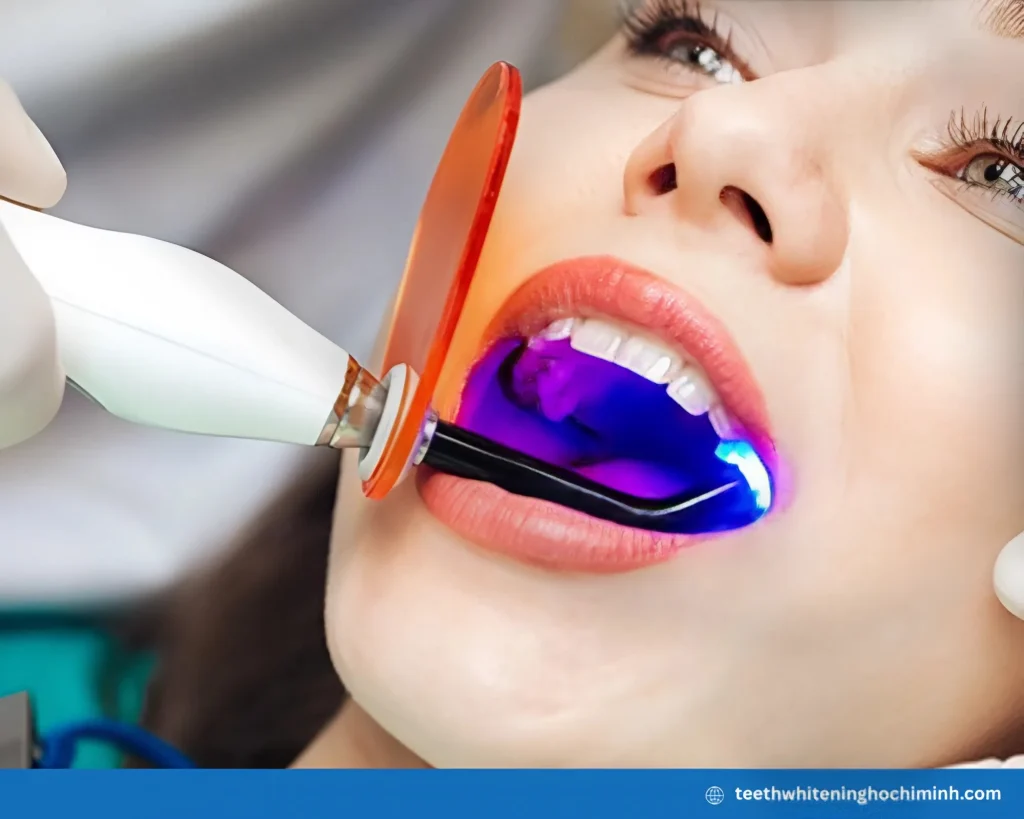
Rationale: Direct supervision allows highest safe concentrations with immediate intervention capacity. Protective barriers and precise application prevent complications despite accelerated treatment.
Safest teeth whitening method: What to avoid
High-risk practices compromising safe teeth whitening
DIY peroxide concentrations exceeding 10%: Without custom teeth whitening trays, high concentrations cause chemical burns and uneven whitening.
Prolonged whitening strip wear: Exceeding manufacturer guidelines doesn’t accelerate results but does increase sensitivity and gum irritation risk.
Combining multiple whitening products: Simultaneous use of strips, rinses, and high-peroxide toothpaste overexposes teeth to bleaching agents.
Ignoring sensitivity signals: Pain indicates enamel stress requiring treatment modification or cessation, not tolerance to push through.
Unverified methods lacking safety standards
Activated charcoal: Lacks safety data and may cause enamel abrasion with repeated use despite social media popularity.
Lemon juice or vinegar: Acid erosion permanently damages enamel, creating rough surfaces that stain more easily.
Unregulated whitening products: Items without ingredient disclosure or safety testing may contain harmful concentrations or unlisted chemicals.
Professional safe teeth whitening in Ho Chi Minh City
International residents seeking professionally supervised safe teeth whitening find extensive options throughout HCMC’s expat-friendly districts.
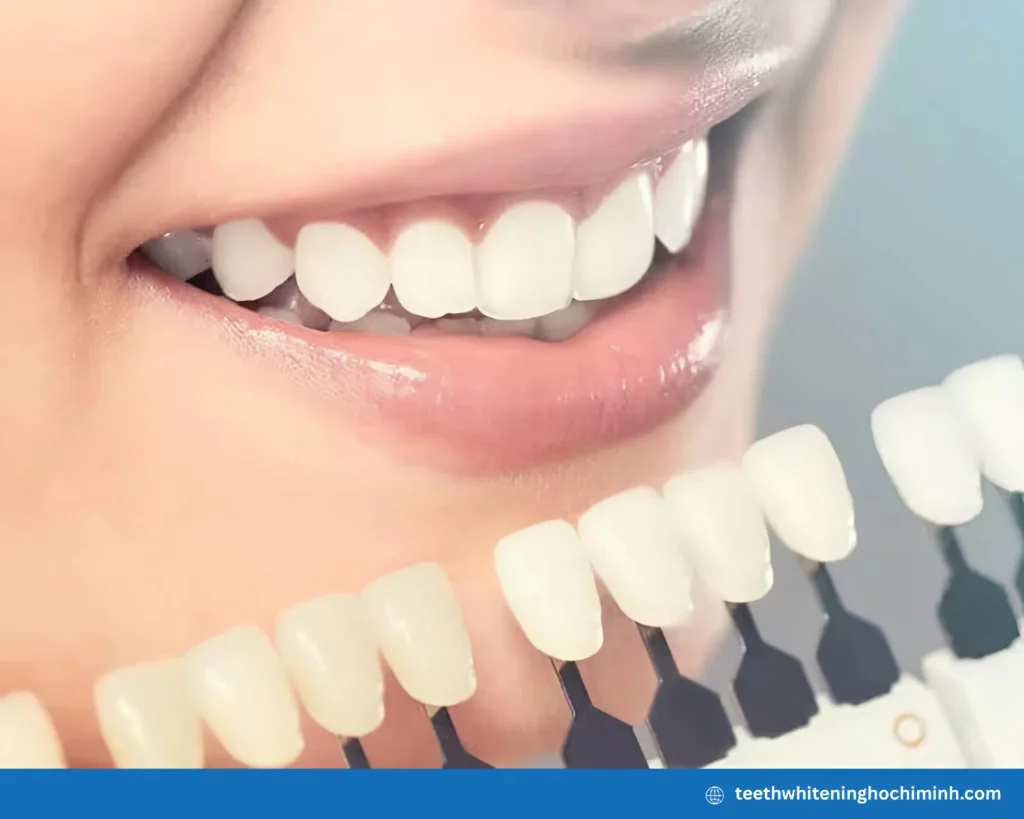
Safety advantages in Vietnam:
- Internationally trained dentists following Western protocols
- Comprehensive pre-treatment examinations included
- English-speaking staff facilitating clear safety communication
- Competitive pricing (4-8 million VND / $160-320) enables professional supervision without budget constraints
Typical protocols at reputable clinics:
- Full dental examination identifying contraindications
- Customized concentration based on enamel thickness
- Follow-up consultation included in treatment cost
>>> For reference: Top 10 Best Teeth Whitening Ho Chi Minh City Clinics
Common questions about safe teeth whitening
What is the safest way to whiten teeth at home?
Dentist-dispensed custom tray kits with 10-16% carbamide peroxide offer the safest at-home whitening, combining professional supervision with controlled application.
How can I whiten my teeth without damaging enamel?
Use ADA-approved products at recommended concentrations, limit treatment frequency to manufacturer guidelines, and apply fluoride treatments post-whitening to support remineralization.
Is professional teeth whitening safe?
Yes, in-office whitening under dentist supervision represents the safest method for dramatic results, with protective protocols preventing gum irritation and enamel damage.
What concentration of whitening gel is safe?
At-home treatments should not exceed 10-20% carbamide peroxide or 6-14% hydrogen peroxide without professional supervision; professional treatments safely use 25-40% with protective barriers.
How often can I safely whiten my teeth?
Most dentists recommend 6-month intervals between whitening courses, allowing complete enamel remineralization and preventing cumulative sensitivity or structural weakening.
Does teeth whitening damage enamel permanently?
No, properly performed safe teeth whitening causes temporary enamel changes that reverse within days through natural remineralization, causing no permanent structural damage.
What should I do if I experience sensitivity during whitening?
Reduce treatment frequency, use desensitizing toothpaste with potassium nitrate, apply fluoride gel, and consult a dentist if sensitivity persists beyond 72 hours.
Are whitening strips safe for daily use?
No, whitening strips should be used according to package directions (typically 30 minutes daily for 7-14 days), with 6-month intervals between courses to prevent enamel stress.
Can I whiten teeth if I have cavities?
No, existing cavities must be treated before whitening as peroxide penetration into decay causes severe pain and potential nerve damage.
How much does professional whitening cost in Ho Chi Minh City?
Professional laser whitening ranges from 4-8 million VND ($160-320) per session at internationally accredited clinics in Districts 1, 3, and Binh Thanh.
Conclusion
Safe teeth whitening requires balancing aesthetic goals with enamel preservation and gum health through appropriate methods, concentrations, and application protocols. Dentist-supervised treatments—whether in-office or through custom take-home kits-provide safest pathways to brighter smiles by incorporating pre-treatment assessments, protective barriers, and follow-up care that self-directed methods cannot replicate.
For international residents in Vietnam seeking comprehensive safety evaluations of whitening options, Teethwhiteninghochiminh.com offers detailed clinic comparisons focusing on safety protocols, dentist credentials, and patient protection standards. The platform helps foreign patients identify HCMC providers prioritizing health alongside aesthetics, with transparent information about safety measures, realistic result expectations, and evidence-based treatment approaches tailored to individual risk profiles.
