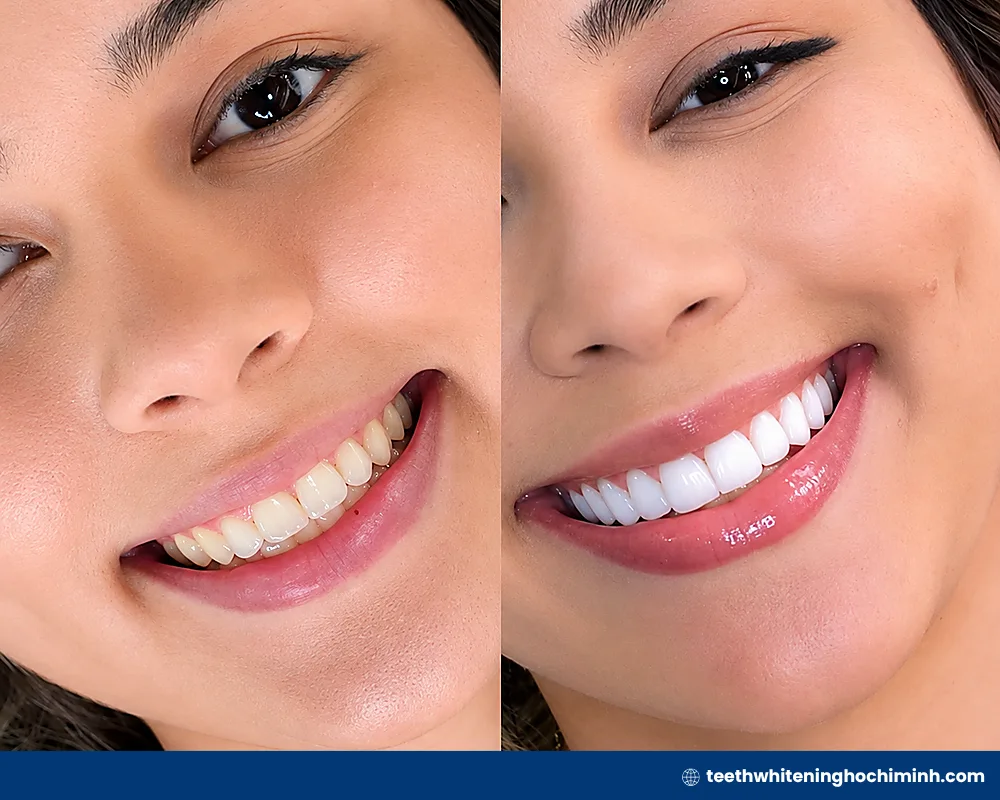
Coffee, tea and years of daily wear gradually dull the natural shine of a smile. Teeth whitening at home offers a practical way to reverse some of that discoloration without booking a clinic visit every time. The tips below walk through what dentists actually trust, so anyone can pick the safest option before trying it at home.
What is the best way to whiten teeth at home?
The best way to whiten teeth at home is a peroxide-based product such as strips, gel trays, or a dentist-dispensed kit. Hydrogen peroxide and carbamide peroxide are the only ingredients with strong clinical support for lifting surface stains safely. This is why most dentist-approved routines for teeth whitening at home center on one of these two compounds.
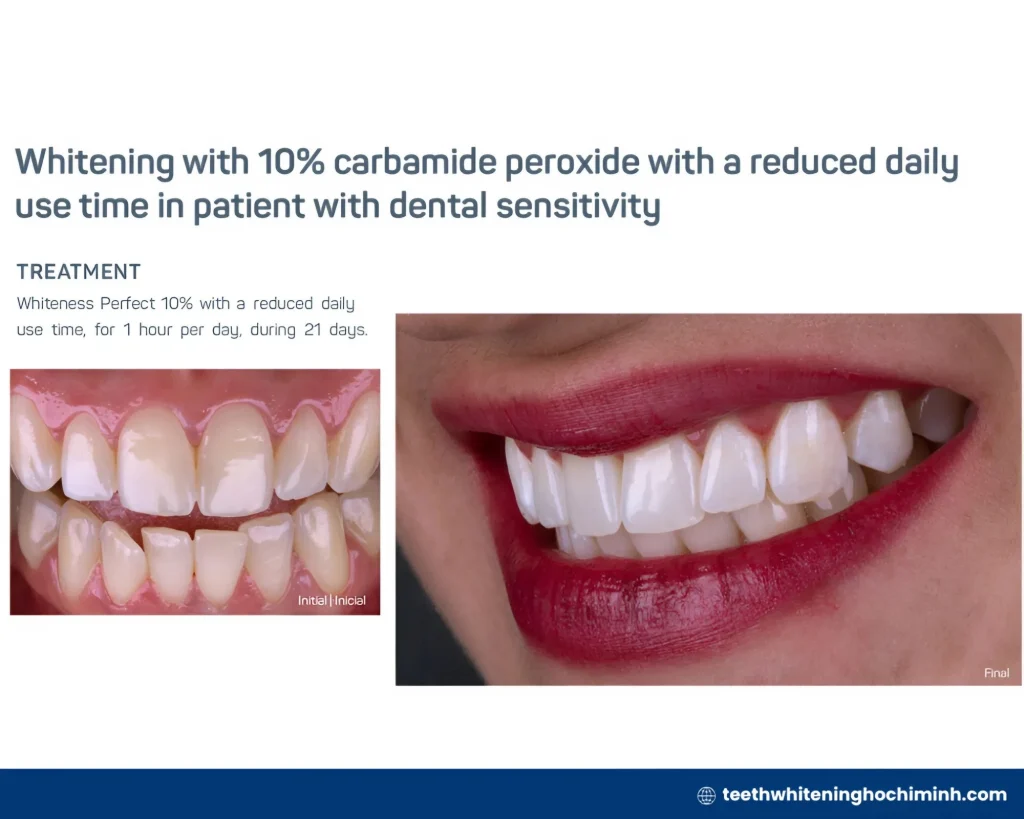
Results depend on three main factors. The starting shade of the teeth matters, since heavily stained enamel needs more sessions than lightly stained enamel. The type of stain matters too. Peroxide works well on surface stains from coffee, tea, or wine, but it does little for deeper discoloration that sits inside the tooth.
| Method | Active ingredient | Typical timeframe | Best suited for |
| Whitening strips | Hydrogen peroxide | 1 to 2 weeks | Mild to moderate surface stains |
| Dentist-dispensed trays | Carbamide peroxide | 1 to 3 weeks | Even, controlled whitening |
| LED whitening kits | Peroxide gel plus light | 1 to 2 weeks | Faster surface results |
| Whitening toothpaste | Mild abrasives, low peroxide | Ongoing maintenance | Preventing new stains |
Tip 1 – Choose peroxide-based whitening strips
Whitening strips remain one of the most tested products for teeth whitening at home. They work by holding a thin layer of hydrogen peroxide gel directly against the enamel. The contact time is usually 20 to 60 minutes depending on the brand.
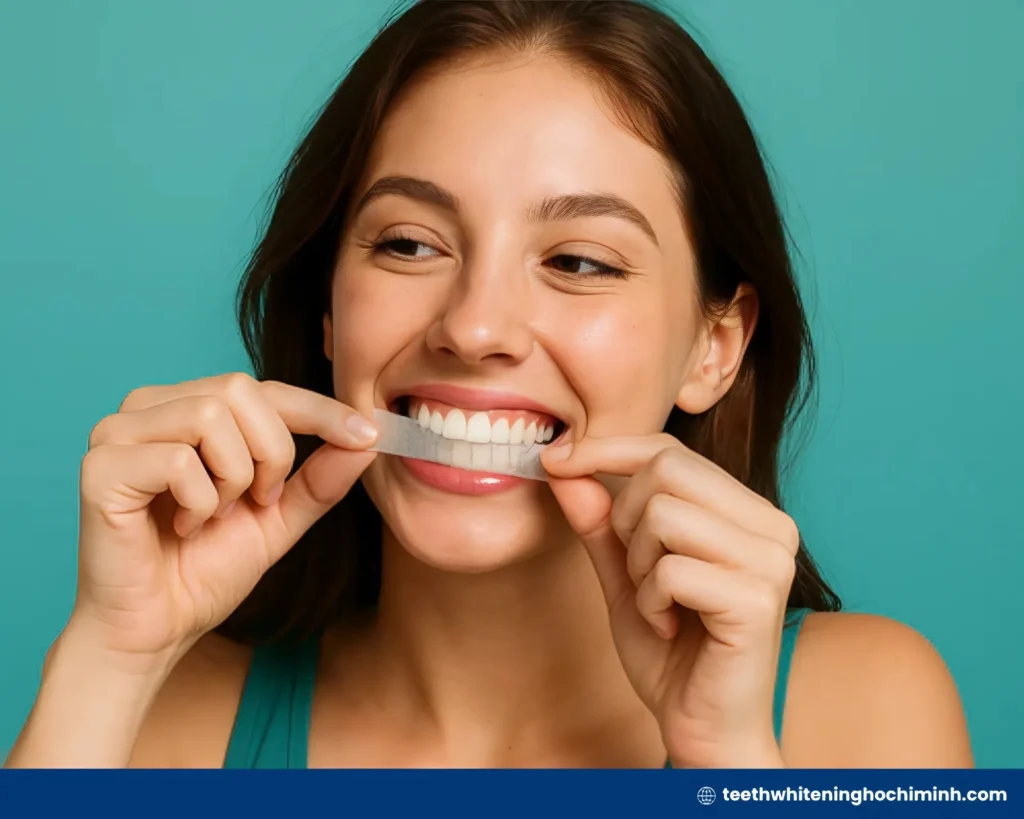
Dentists generally favor strips carrying a recognized safety seal. This kind of verification indicates the formula has been independently reviewed for both effectiveness and safety. Products without it may use unregulated concentrations that raise the risk of gum irritation.
| Read more: Best rated teeth whitening strips recommended by dentist 2026
Tip 2 – Try professional teeth whitening at home with custom trays
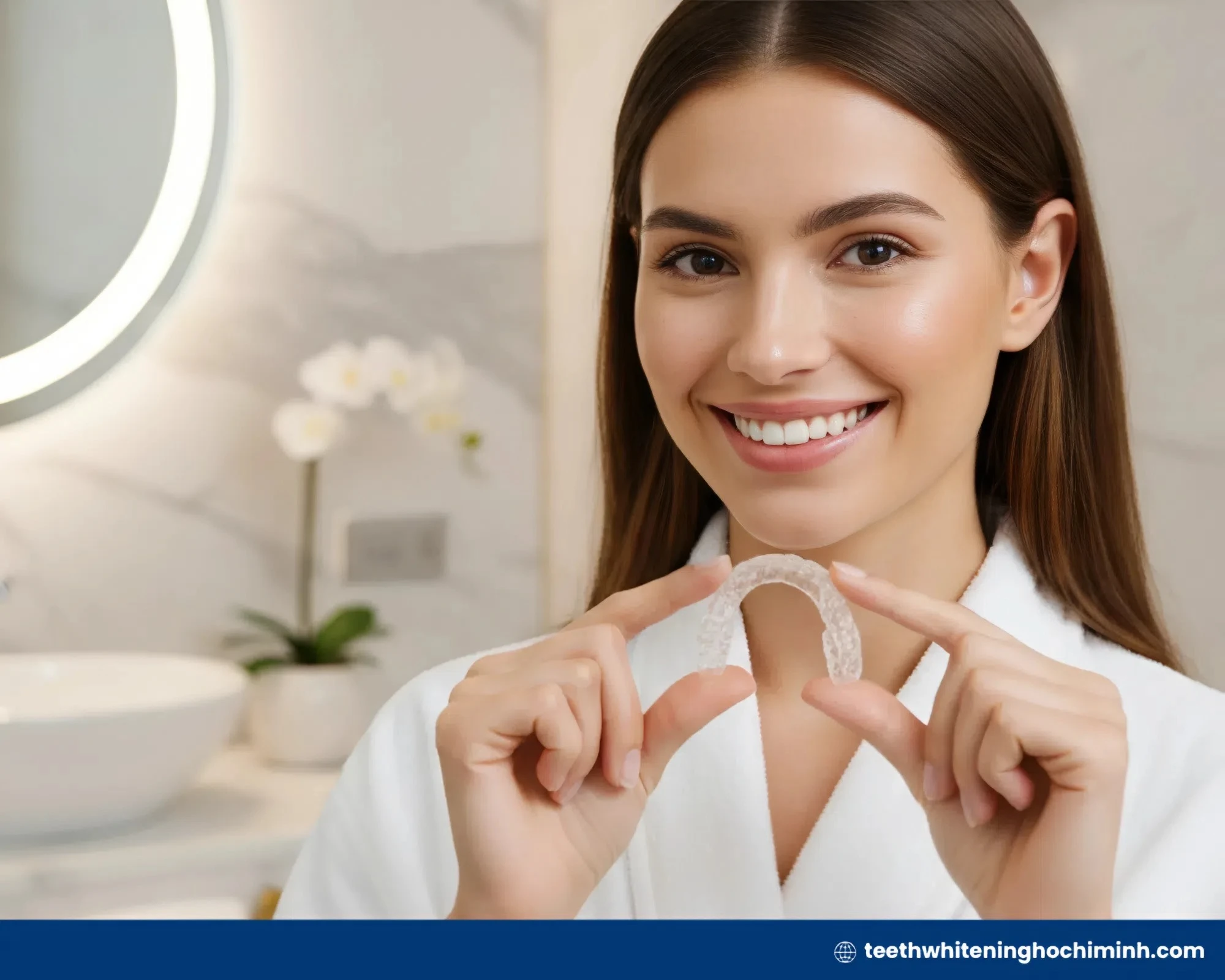
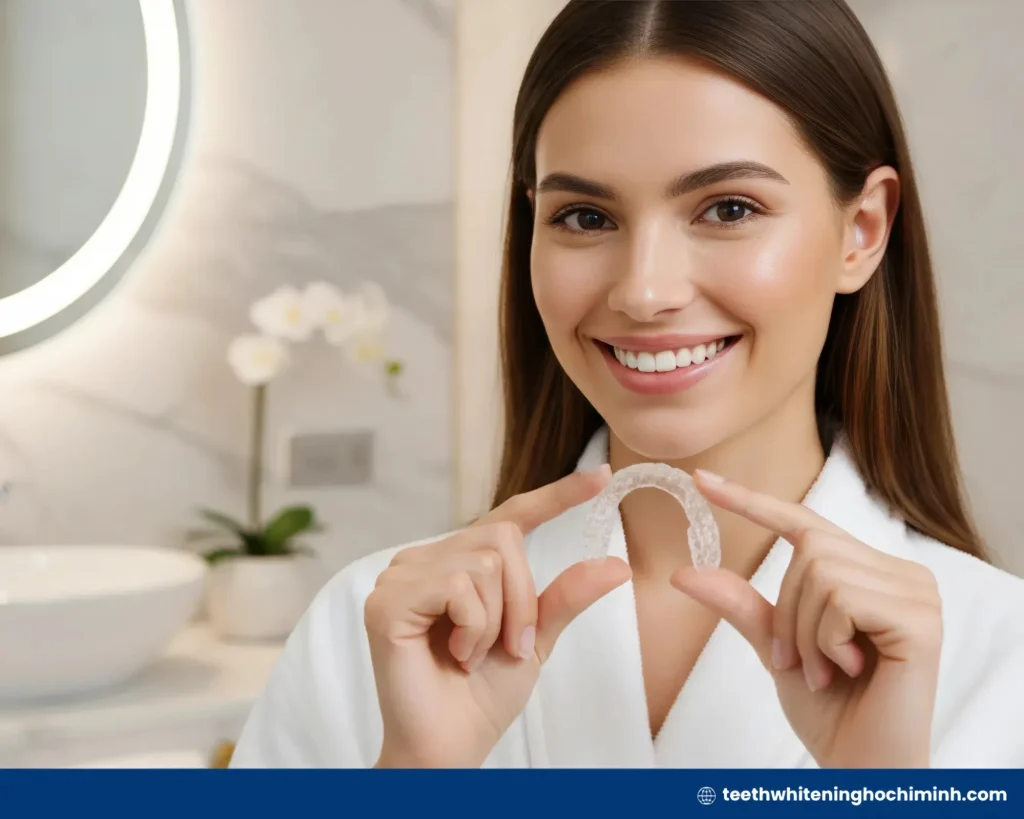
Professional teeth whitening at home usually means a dentist takes an impression of the teeth and creates a custom-fitted tray. The dentist then prescribes a carbamide peroxide gel for use at a set strength and duration. Which is different from a generic drugstore tray because the fit is precise and keeps the gel off the gums.
How the custom tray process works?
The dentist first takes a mold of the upper and lower teeth. A lab then shapes a thin, form-fitted tray from that mold. So the gel sits evenly against every tooth surface without pooling on the gums.
Why a custom fit matters more than a generic kit?
Custom teeth whitening trays tend to produce more even results than strips, since every tooth surface receives consistent contact with the gel. They are also considered a safer option for people with naturally sensitive teeth. Because the dentist can adjust the peroxide concentration based on an individual’s enamel condition.
This route costs more than an over-the-counter kit. It still remains one of the most reliable versions of teeth whitening at home for anyone who wants clinic-level accuracy without repeated in-office appointments.
Tip 3 – Use LED light kits to speed up teeth whitening
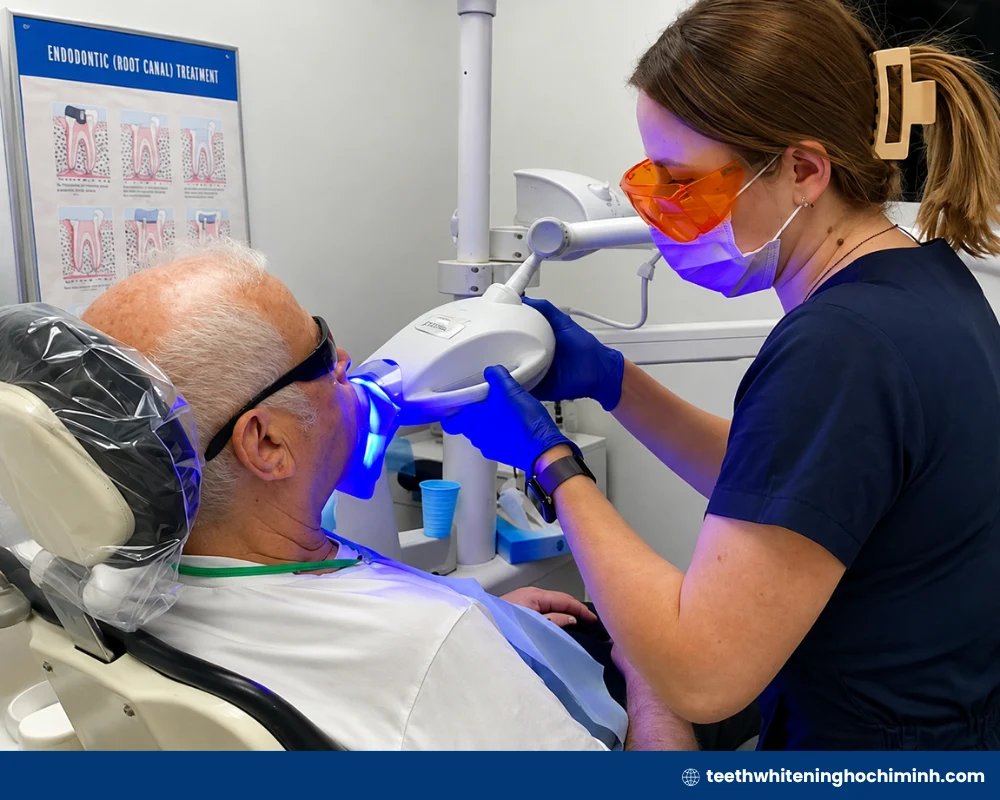
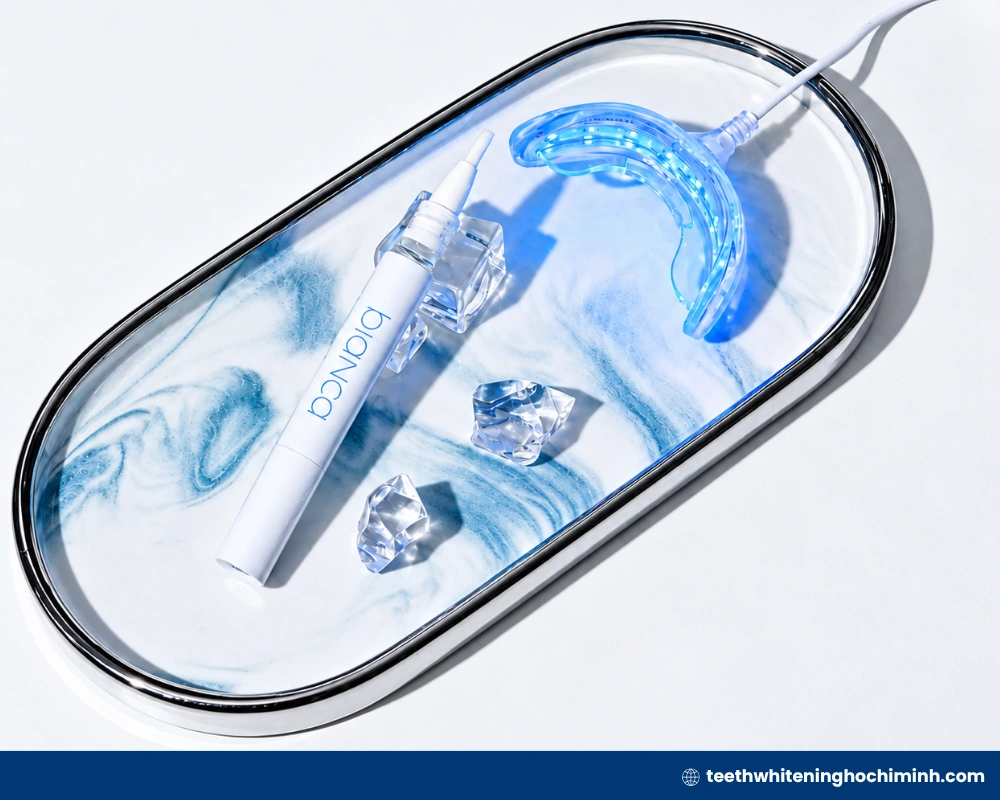
LED whitening kits pair a peroxide gel with a light device that claims to speed up the chemical reaction. Some dental research supports a modest boost in speed, while other studies show the light adds little beyond what the peroxide gel already does on its own.
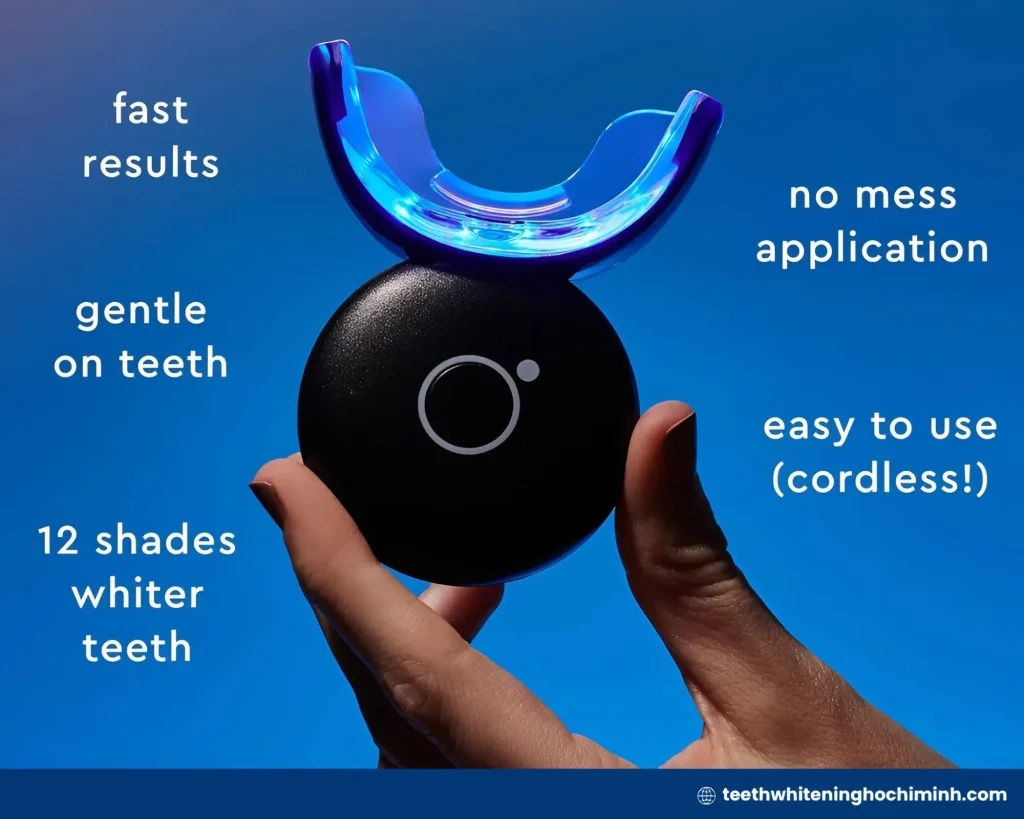
Dentists who recommend LED kits usually frame them as a convenience feature rather than a requirement. The peroxide gel is still doing the actual whitening work and the light is a secondary addition.
For anyone comparing tools for teeth whitening at home, an LED kit can be a reasonable choice if the budget allows. It should not, however, replace a properly formulated peroxide gel with adequate contact time, since the gel itself is what drives the best at home whitening outcome.
Tip 4 – Support teeth whitening at home with the right toothpaste
Whitening toothpaste is not a primary method for teeth whitening at home. Most formulas contain mild abrasives or a very low concentration of peroxide. Which is enough to maintain results but not enough to lighten enamel on its own.
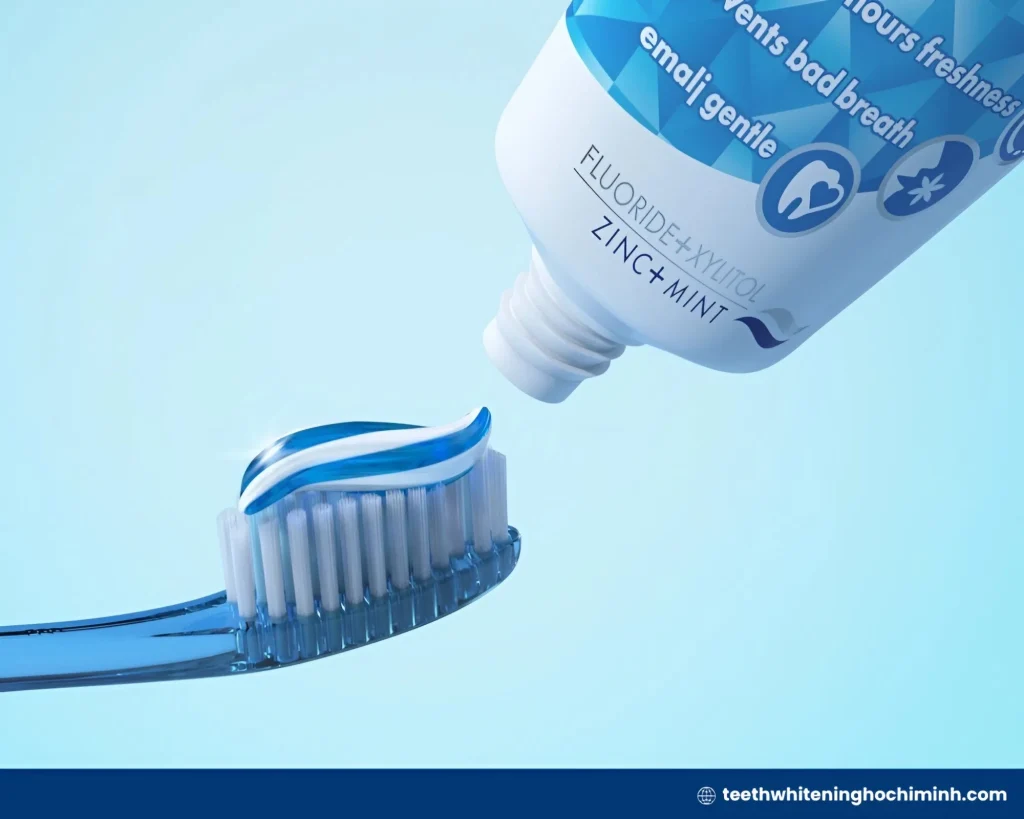
Dentists typically suggest pairing a whitening toothpaste with strips or trays rather than relying on toothpaste alone. Used this way, it becomes part of a broader best at home teeth whitening routine that protects results between sessions.
People with sensitive teeth should look for toothpaste formulated for sensitivity rather than a whitening-only product. Some whitening pastes can increase short-term tooth sensitivity if used daily.
| Read more: What is the best teeth whitening toothpaste recommended by dentist 2026
Tip 5 – Protect enamel during teeth whitening at home
Enamel protection is often the step people skip, yet dentists consider it essential for safe teeth whitening at home. A few habits make a meaningful difference.
Stick to the recommended contact time
Following the product’s recommended contact time exactly matters most. Leaving gel on longer does not whiten faster and can irritate gums instead. Staining foods and drinks such as coffee, red wine and dark sauces are also worth avoiding for the first 24 to 48 hours after each session. Enamel is temporarily more porous during this window.
Pace out sessions and watch for sensitivity
Spacing out sessions rather than using a product daily for weeks also protects results. Anyone who notices mild tingling during treatment can switch to a sensitivity toothpaste without pausing the whitening routine entirely.
These steps do not slow down results. They simply reduce the chance of irritation while the whitening process does its work.
Is homemade teeth whitening safe?
Homemade teeth whitening remedies such as baking soda, activated charcoal, or lemon juice lack strong clinical evidence. Several of these can be abrasive or acidic enough to wear down enamel over time, which is why dentists generally recommend peroxide-based products instead.
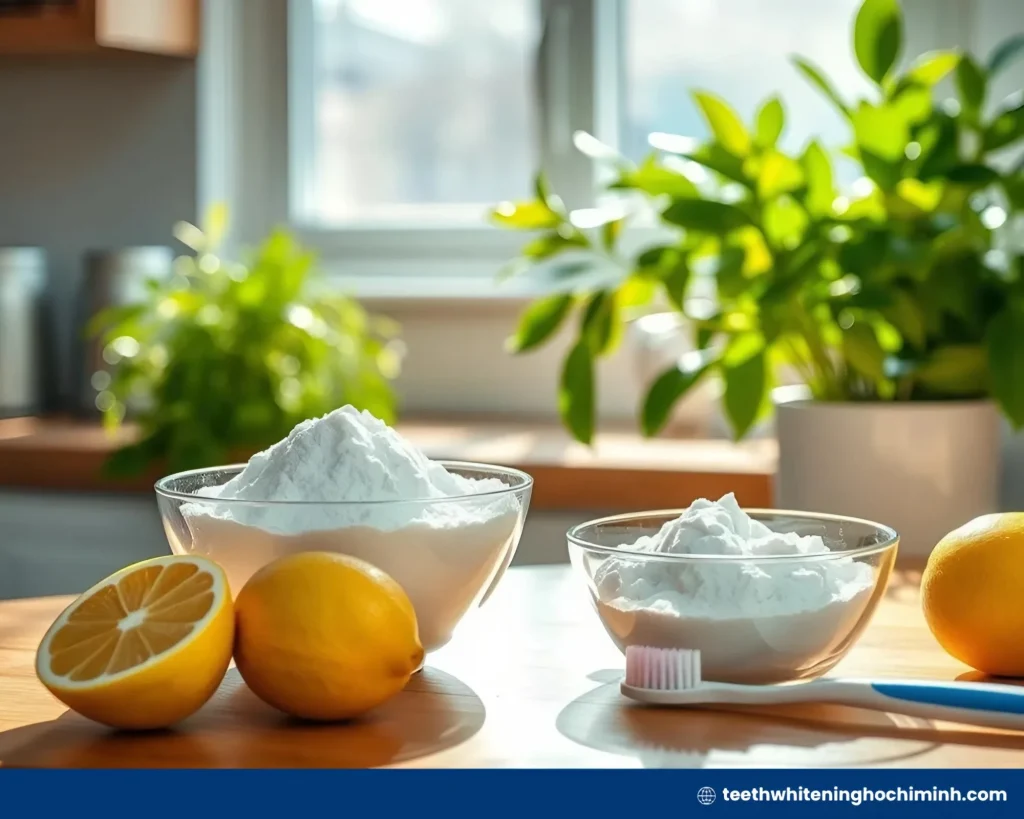
Baking soda teeth whitening, for example, can polish away surface stains in the short term. Repeated use, though, wears down enamel faster than a peroxide product would. Lemon juice and other acidic rinses carry a similar risk, since acid softens enamel temporarily and makes it more vulnerable to erosion.
When comparing homemade teeth whitening to the best teeth whitening method at home, the evidence consistently favors tested peroxide formulas. They are regulated, dosed accurately and studied for both safety and results.
How long does teeth whitening at home take to show results?
Most people notice a visible difference within one to two weeks of consistent use. Full results from strips or trays typically appear within ten days to three weeks, depending on product strength and how stained the teeth were beforehand.
A few variables affect that timeline. Teeth that are naturally more yellow tend to respond faster than teeth with gray or brown discoloration. Smokers and heavy coffee or tea drinkers may need a longer course, or a maintenance routine, to keep teeth whitening at home results stable.
When should expats in Ho Chi Minh city see a dentist instead?
Not every case of discoloration responds to teeth whitening at home. Stains caused by old fillings, root canal treatment, certain medications, or genetic factors sit inside the tooth structure. No over-the-counter product can reach them.
Signs the stain is coming from inside the tooth
Discoloration from internal sources often looks gray, brown, or uneven rather than a uniform yellow film. This type of stain does not respond to surface whitening products, no matter how long they are used.
When crowns, veneers or restorations are involved
Anyone with crowns, veneers, or bonding should check with a dentist first, since these materials do not whiten the same way natural enamel does. Whitening the surrounding natural teeth without addressing this can leave an uneven shade between the restoration and the rest of the smile.
For expats newly settled in Ho Chi Minh City, a local dental consultation is also a practical way to confirm gum health before starting any at-home product. Untreated gum disease or cavities can make peroxide exposure more uncomfortable than expected during teeth whitening at home.
Conclusion
Teeth whitening at home works best when it relies on tested peroxide formulas rather than trending home remedies. Whitening strips offer a simple starting point, custom trays provide clinic-level precision and LED kits add a modest convenience factor. And together they represent some of the best at home teeth whitening options currently available. Whitening toothpaste and basic enamel care round out a routine that keeps results looking fresh.
A short consultation with a trusted clinic, such as the ones reviewed by Teeth Whitening Ho Chi Minh, can confirm which whitening method fits an individual’s teeth. This helps before committing to a full course of teeth whitening at home.