Teeth whitening toothpaste for kids is a concern for many parents who want a brighter smile while protecting developing enamel. Not every whitening formula is suitable for children, so choosing the right ingredients and age-appropriate options is essential. Let’s explore Teeth Whitening Ho Chi Minh to learn more about professional whitening treatments.
1. What is teeth whitening toothpaste for kids?
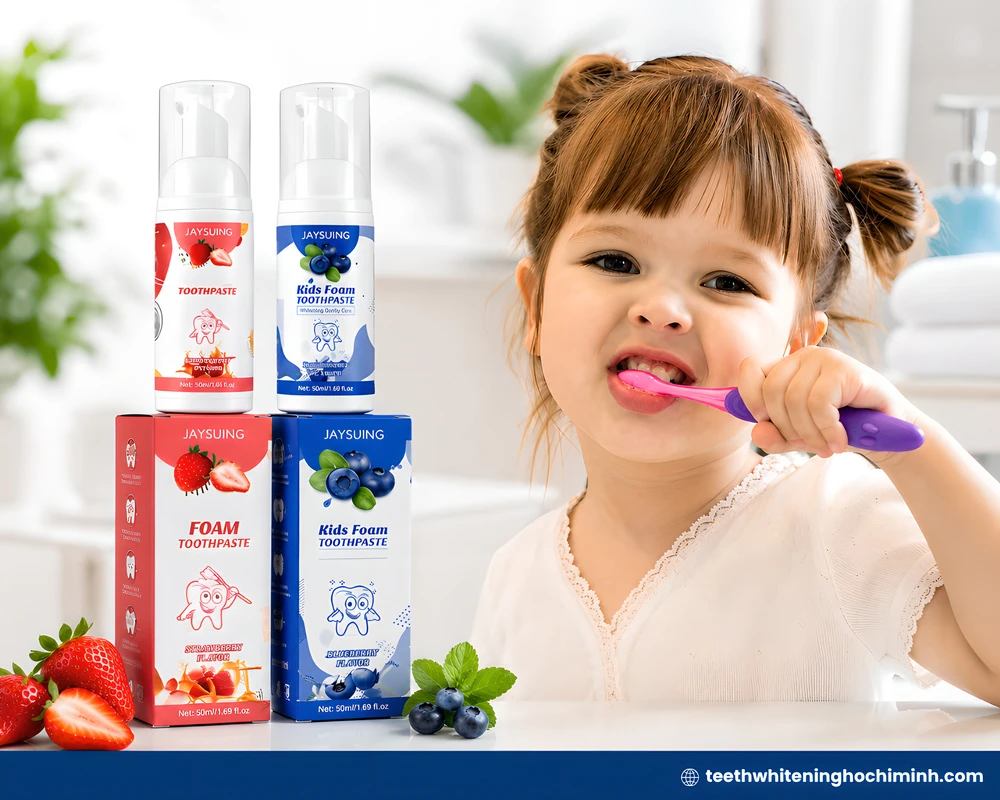
Teeth whitening toothpaste for kids works mainly on the surface of the tooth, not underneath it. It uses mild polishing agents to lift stains left behind by food, drinks, or plaque buildup, rather than changing the tooth’s natural shade the way professional bleaching does. Here’s how it actually differs from the fluoride toothpaste already in your bathroom cabinet.
1.1 Whitening vs fluoride toothpaste
Whitening toothpaste and standard fluoride toothpaste share a similar base, but their purpose and ingredients set them apart. The table below breaks down what parents should know before switching formulas.
| Criteria | Whitening toothpaste | Regular fluoride toothpaste |
| Main ingredients | Mild abrasives (silica), sometimes peroxide | Fluoride, gentle cleaning agents |
| Purpose | Lifts surface stains | Prevents cavities, strengthens enamel |
| Suitability | Generally age 6+ with dentist guidance | Suitable from the first tooth |
| Abrasiveness level | Medium to high | Low to medium |
1.2 Common whitening ingredients
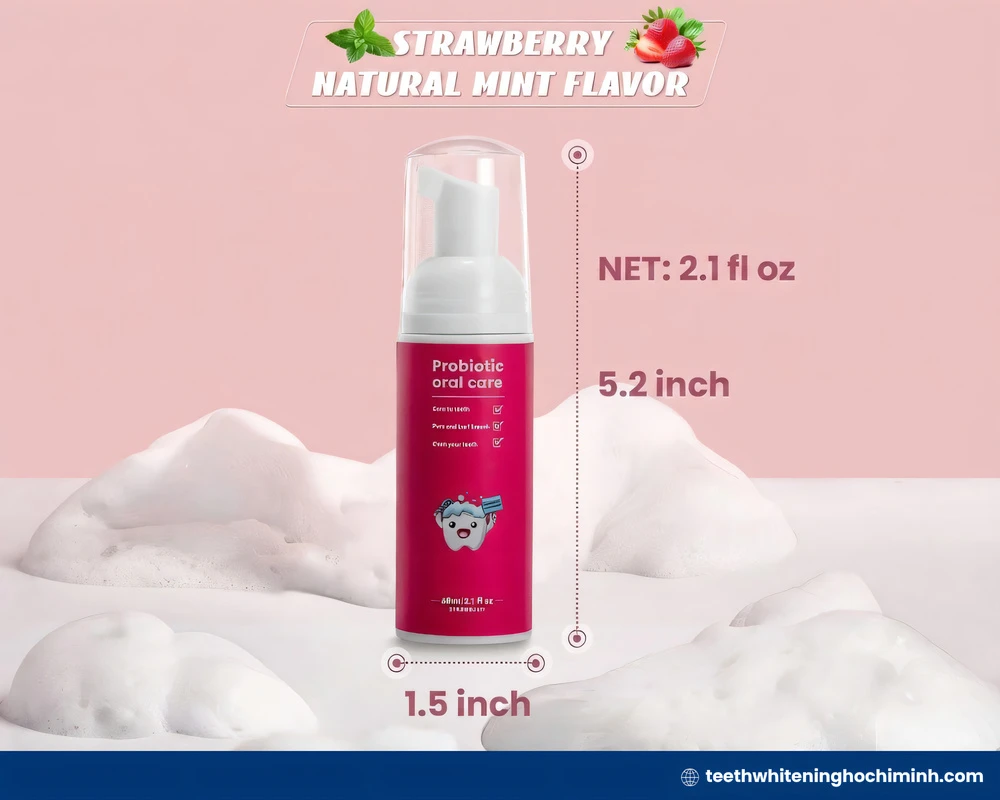
Not all whitening ingredients act the same way on a child’s enamel. Some simply scrub stains away, while others break them down chemically. According to the American Academy of Pediatric Dentistry, ingredient safety should always be weighed against a child’s age and enamel maturity before switching from plain fluoride toothpaste.
- Silica and mild abrasives: tiny scrubbers that polish away surface stains from food and drinks. Used too often or too hard, though, this same abrasion can wear down young enamel over time.
- Hydrogen or carbamide peroxide: bleaching agents that break stains down chemically instead of scrubbing them off. Most pediatric dentists reserve these for older children with fully formed enamel, generally age 12 and up.
- Baking soda: a gentle, natural abrasive found in many natural formulas. It helps neutralize acid in the mouth while lifting light surface stains.
- Nano-hydroxyapatite: a fluoride-free mineral that fills microscopic gaps in enamel. The result is a smoother, slightly brighter surface achieved without any bleaching action, often the gentlest option among teeth whitening toothpaste for kids ingredients.
2. When can kids start using teeth whitening toothpaste for kids?
The right age to use teeth whitening toothpaste for kids depends on their stage of development and daily brushing habits. Check each age group below to find out which options are more suitable for your child.
2.1 Under Age 3
Children under 3 should avoid teeth whitening toothpaste for kids entirely, since their enamel is still forming and swallowing reflexes aren’t fully developed. At this stage, a rice-grain amount (roughly 0.1g) of plain, age-appropriate fluoride toothpaste is the safer choice and whitening agents carry an unnecessary fluorosis risk.
2.2 Ages 3-6
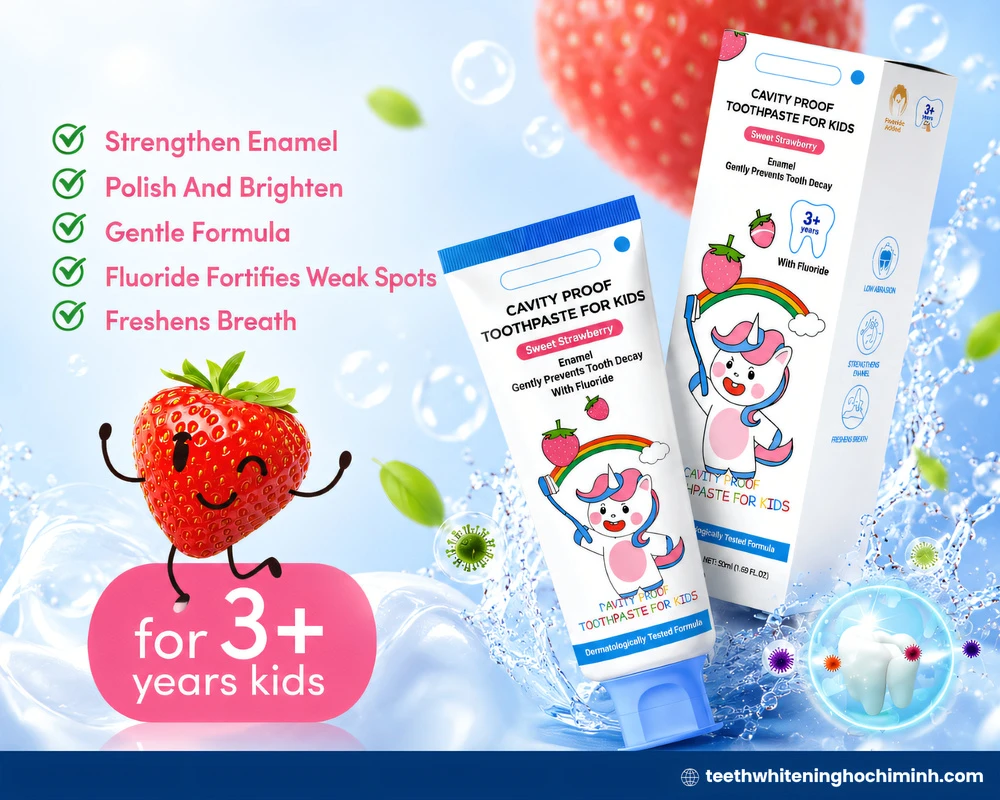
Whitening formulas are still not recommended for kids in this range, since most dentists prefer plain fluoride toothpaste until brushing technique improves. If parents want extra enamel support, a nano-hydroxyapatite toothpaste used under supervision is a gentler middle ground than a true kids teeth whitening toothpaste formula.
2.3 Ages 6-12
Permanent teeth start coming in around this age and that’s usually when a mild teeth whitening toothpaste for kids becomes appropriate, but only with a dentist’s go-ahead. Newly erupted adult teeth are still maturing and calcifying, so their enamel is more vulnerable to abrasive ingredients than fully developed teeth.
2.4 Age 12+
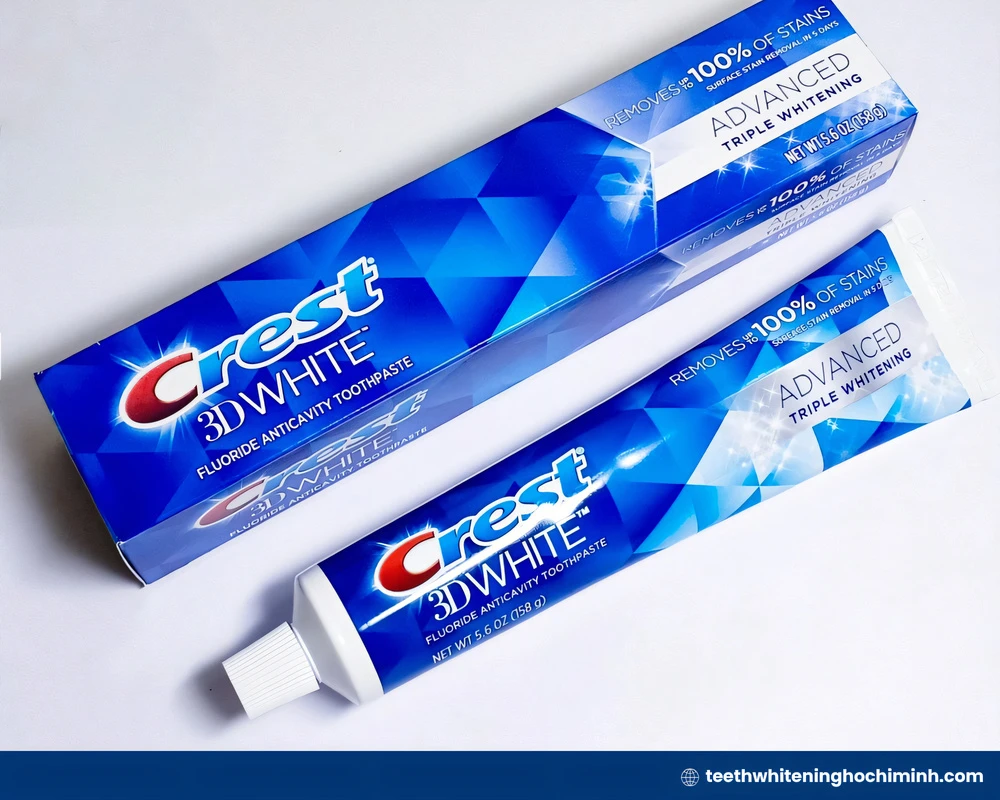
Most permanent teeth finish calcifying around age 12, which is what makes whitening toothpaste and even teeth whitening strips a safer option from this point on. Stronger formulas such as Crest 3D White become more appropriate here too. They were designed for adult enamel, though, so they work best under a dentist’s guidance rather than everyday unsupervised use.
3. Why do kids’ teeth get stained or yellow?
Staining rarely comes from one cause alone. Diet, brushing habits, medication and genetics can each play a part and knowing which one applies helps parents pick the right fix instead of reaching for whitening toothpaste by default.
3.1 Diet and drinks
Sugary sodas, dark juices and even flavored milk can coat teeth in pigments that cling to enamel over time. Berries like blueberries and grapes are common culprits too, especially when a child sips or snacks on them throughout the day instead of at set mealtimes.
3.2 Brushing habits
Skipping brushing sessions, rushing through them, or missing the back molars all give stains more time to settle into enamel grooves. Poor technique, like brushing only the front teeth, leaves plaque and pigment behind in spots a toothbrush rarely reaches.
3.3 Medication and fluorosis
Certain antibiotics, particularly tetracycline, can cause intrinsic staining that shows up as gray or brown bands inside the tooth. This type of discoloration cannot be fixed with teeth whitening toothpaste for kids, since it only works on surface stains.
3.4 Genetics and hypoplasia
Some children are simply born with thinner or weaker enamel, a condition called enamel hypoplasia. This can make teeth look more yellow because the dentin underneath shows through. This is a structural issue that no amount of whitening toothpaste can correct on its own.
4. Benefits of teeth whitening toothpaste for kids
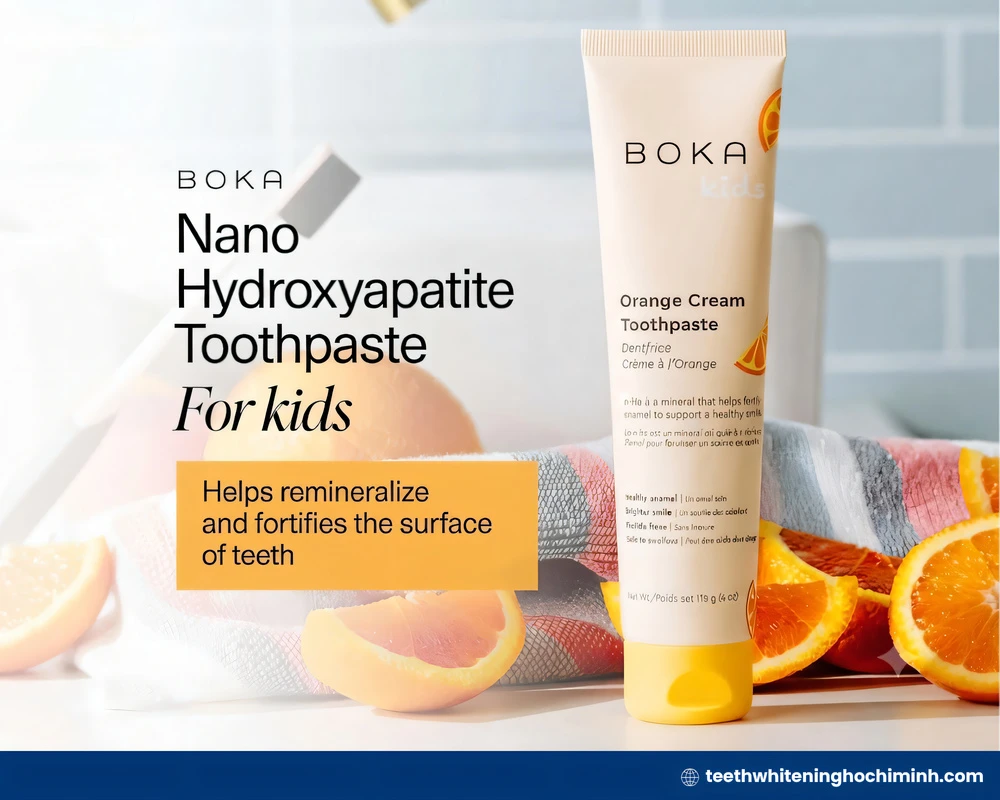
Used correctly, whitening toothpaste offers more than a brighter smile. Here’s what parents can realistically expect from it.
- Removes surface stains. Regular use gently lifts stains caused by food, drinks and plaque before they set into the enamel. This keeps a child’s smile looking fresh between dental visits.
- Builds confidence and motivates brushing: a visibly brighter smile can encourage kids to stick with their oral care routine without being nagged. This small motivation often carries over into other healthy habits, like flossing more consistently.
- Supports enamel remineralization: Formulas containing fluoride or nano-hydroxyapatite can strengthen enamel while lifting stains at the same time. This makes teeth whitening toothpaste for kids more than just a cosmetic product when the right ingredients are used.
5. Risks and side effects of teeth whitening toothpaste for kids
Teeth whitening toothpaste for kids isn’t risk-free, especially for teeth that are still developing. Knowing the warning signs early can prevent long-term damage.
5.1 Enamel abrasion and wear
Abrasive ingredients scrub away stains, but overuse can also wear down the protective enamel layer over time. A gentler formula usually solves this once teeth start looking slightly rougher or more translucent at the edges.
5.2 Tooth sensitivity
As enamel thins from repeated abrasion, the sensitive dentin layer underneath can become exposed, causing discomfort with hot, cold, or sweet foods. A child suddenly wincing while eating ice cream is often the first sign parents notice, well before any visible enamel change.
5.3 Gum irritation
Some whitening agents, especially peroxide-based ones, can irritate soft gum tissue if the toothpaste sits too long or is used in excess. Redness, tenderness, or mild swelling along the gumline tends to show up within days of overuse rather than building slowly.
5.4 Fluorosis risk from swallowing
Young kids often swallow toothpaste instead of spitting it out and doing this repeatedly with fluoride-containing whitening formulas can lead to fluorosis, white spots or streaks on developing teeth. The AAPD’s brushing guidelines exist largely because of this exact risk, which is why supervision matters more than the toothpaste brand itself.
6. Best teeth whitening toothpaste for kids in 2026
The best teeth whitening toothpaste for kids options in 2026 vary based on age, ingredients and enamel sensitivity. Compare the choices below to find a safe, suitable pick for your child’s daily oral care.
| Brand | Age Range | Key Ingredient | Fluoride (Y/N) | Price |
| Hello Kids Fluoride Toothpaste | 6+ | Fluoride, mild silica | Yes | $5-$8 |
| Davids Kids + Adults nHA | 3+ (supervised) | Nano-hydroxyapatite | No | $10-$14 |
| CariFree Fluoride-Free Gel | 6+ | Nano-hydroxyapatite gel | No | $9-$13 |
| Dr. Jen’s All-Natural Kids | 3+ (supervised) | Nano-hydroxyapatite | No / Optional | $8-$12 |
| Crest Kids Cavity Protection | 6+ | Fluoride | Yes | $3-$6 |
Every option above works differently depending on your child’s age and enamel sensitivity, so match the formula to their stage rather than the price tag. A hydroxyapatite formula tends to be the gentler pick for younger or more sensitive teeth, while fluoride-based options suit kids with a higher cavity risk. When unsure, a quick check with your pediatric dentist takes the guesswork out of the decision.
7. Conclusion
Teeth whitening toothpaste for kids can be a safe, simple way to keep young smiles bright, as long as parents match the formula to their child’s age and enamel stage. When in doubt, a quick chat with a pediatric dentist beats guessing from a store shelf. For more in-depth reviews and guidance, visit Teeth Whitening Ho Chi Minh to learn more.
References
American Dental Association – Fluoride: Topical and Systemic Supplements. https://www.ada.org/resources/ada-library/oral-health-topics/fluoride-topical-and-systemic-supplements
American Dental Association – Toothpastes. https://www.ada.org/resources/ada-library/oral-health-topics/toothpastes
American Academy of Pediatric Dentistry – Policy on Use of Fluoride. https://www.aapd.org/media/policies_guidelines/p_fluorideuse.pdf
American Academy of Pediatric Dentistry – Best Practices: Fluoride Therapy. https://www.aapd.org/media/Policies_Guidelines/BP_FluorideTherapy.pdf
American Academy of Pediatrics – Fluoride Use in Caries Prevention in the Primary Care Setting, Pediatrics. https://publications.aap.org/pediatrics/article/134/3/626/74145/Fluoride-Use-in-Caries-Prevention-in-the-Primary