
When searching for affordable whitening solutions, many people discover teeth whitening with baking soda and hydrogen peroxide through Teeth Whitening in Ho Chi Minh City. This combination has gained popularity as a budget-friendly alternative to professional treatments, but understanding the science, safety, and realistic expectations is essential before trying this method at home.
The science behind teeth whitening with baking soda and hydrogen peroxide
The effectiveness of teeth whitening with baking soda and hydrogen peroxide lies in their complementary properties. Baking soda, or sodium bicarbonate, functions as a mild abrasive that physically removes surface stains from enamel. Its slightly alkaline nature also helps neutralize acids in the mouth that contribute to discoloration.
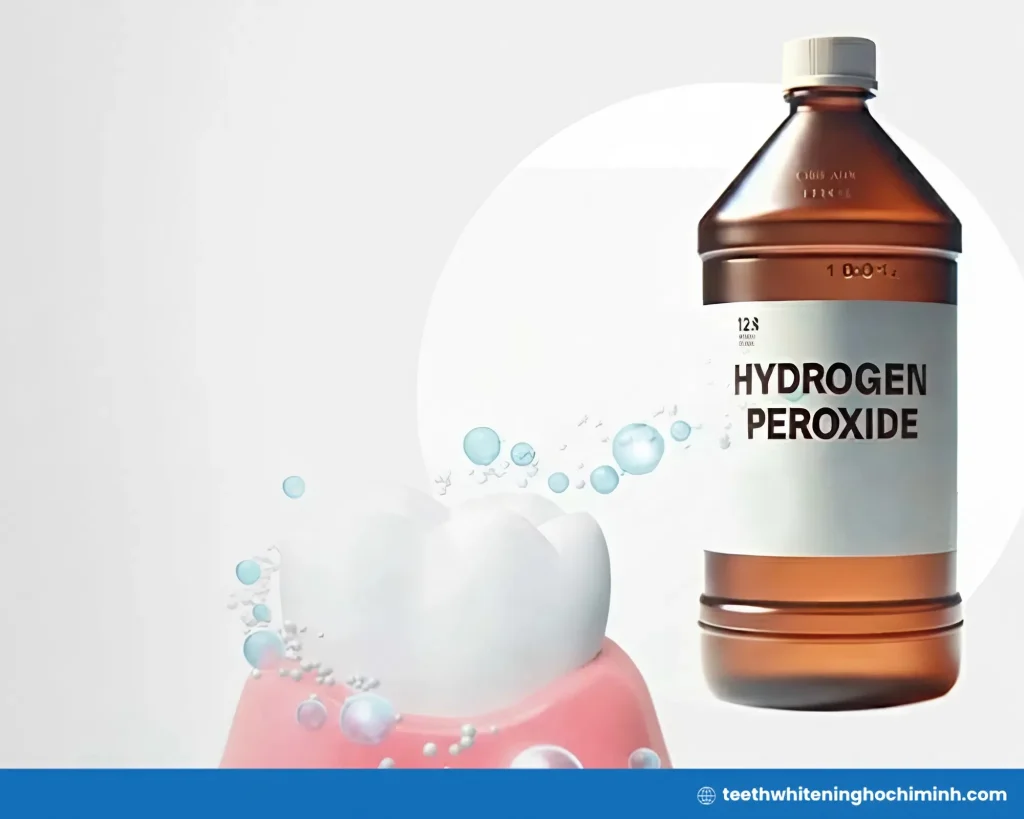
Hydrogen peroxide acts as a bleaching agent that penetrates the enamel to break down deeper stains. When these two ingredients combine during teeth whitening with baking soda and hydrogen peroxide, they create a chemical reaction that releases oxygen, which helps lift stains more effectively than either ingredient alone.
How the combination works:
- Baking soda scrubs away surface debris and plaque
- Through oxidation, hydrogen peroxide disrupts the structure of discoloration molecules.
- The fizzing action helps reach spaces between teeth
- Together, they target both surface and subsurface discoloration
Hydrogen peroxide baking soda teeth whitening before after: Real results
Actual results from teeth whitening using baking soda and hydrogen peroxide vary significantly between individuals. Factors affecting outcomes include the original shade of teeth, the nature of stains, and consistency of application.
Treatment process explained with realistic results
| Timeframe | Expected Results | Notes |
| Week 1-2 | Minimal visible change | Removal of fresh surface stains |
| Week 3-4 | 1-2 shades lighter | More noticeable on yellow-toned teeth |
| Week 6-8 | 2-3 shades improvement | Maximum effect for most users |
| Beyond 8 weeks | Plateau effect | Results become less significant with repeated use |
People with extrinsic stains from coffee, tea, or tobacco typically see better baking soda and hydrogen peroxide teeth whitening before and after results compared to those with intrinsic discoloration caused by medications or age-related enamel thinning. Gray-toned teeth respond less favorably than yellow-toned teeth.
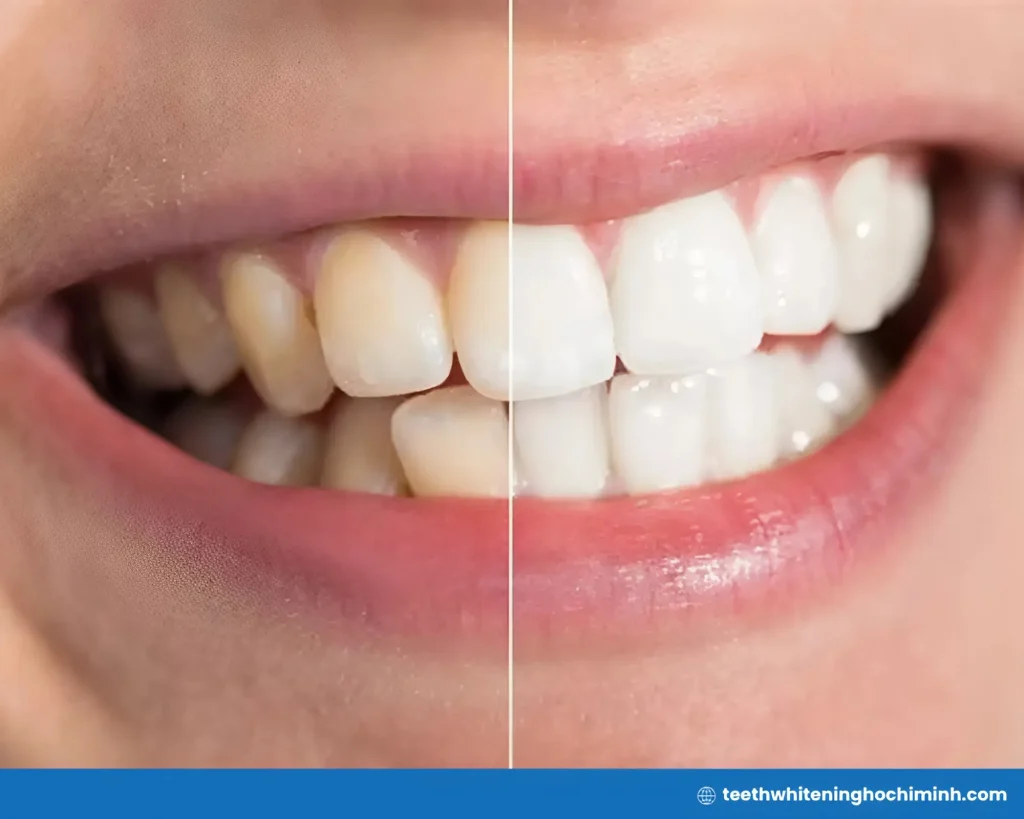
Documentation shows that baking soda and peroxide teeth whitening before and after photos often reveal 1-3 shade improvements for consistent users. The results from teeth whitening with baking soda and hydrogen peroxide depend heavily on starting tooth color and stain type, though individual results vary.
Is baking soda and hydrogen peroxide teeth whitening safe?
The question about hydrogen peroxide and baking soda for teeth whitening safe usage deserves careful consideration. When used correctly with appropriate concentrations and frequency, teeth whitening with baking soda and hydrogen peroxide is generally safe for most people. Incorrect use may result in unwanted complications.
Safe usage parameters:
The hydrogen peroxide concentration should never exceed 3% for at-home use. Higher concentrations can damage soft tissues and enamel. The baking soda should be mixed to form a paste rather than used as a dry powder, which could be overly abrasive.
Potential risks to consider:
- Wear of enamel due to overly aggressive abrasion
- Imbalance of the natural oral microbiome
- Uneven whitening results
Certain individuals should avoid this method entirely, including those with exposed tooth roots, existing enamel damage, orthodontic appliances, or dental restorations that won’t respond to whitening. Research indicates that baking soda and hydrogen peroxide teeth whitening safe practices require moderation and proper technique to prevent damage during teeth whitening sessions.
Baking soda and hydrogen peroxide teeth whitening – How often should you apply?
Determining baking soda and peroxide teeth whitening how often to apply requires balancing effectiveness with safety. Overuse increases the risk of enamel damage and sensitivity, while too-infrequent application produces minimal results.
Recommended schedule:
Most dental professionals suggest limiting teeth whitening with baking soda and hydrogen peroxide to 2-3 times weekly, with each application lasting no more than two minutes. This schedule allows enamel to remineralize between treatments and reduces cumulative abrasion.
For sensitive teeth, reducing frequency to once weekly or every ten days may be necessary. Taking breaks of several weeks after 6-8 weeks of consistent use helps prevent long-term damage.
Signs that require immediate discontinuation
- Sudden intense pain during or following the procedure
- Visible white spots on enamel (demineralization)
- Bleeding or inflamed gums
- Sensitivity that continues for longer than two days
How to perform teeth whitening with baking soda and hydrogen peroxide
Proper technique maximizes results while minimizing risks when performing this home remedy for teeth whitening baking soda and peroxide. The step-by-step process for teeth whitening with baking soda and hydrogen peroxide requires careful attention to detail.
Preparation:
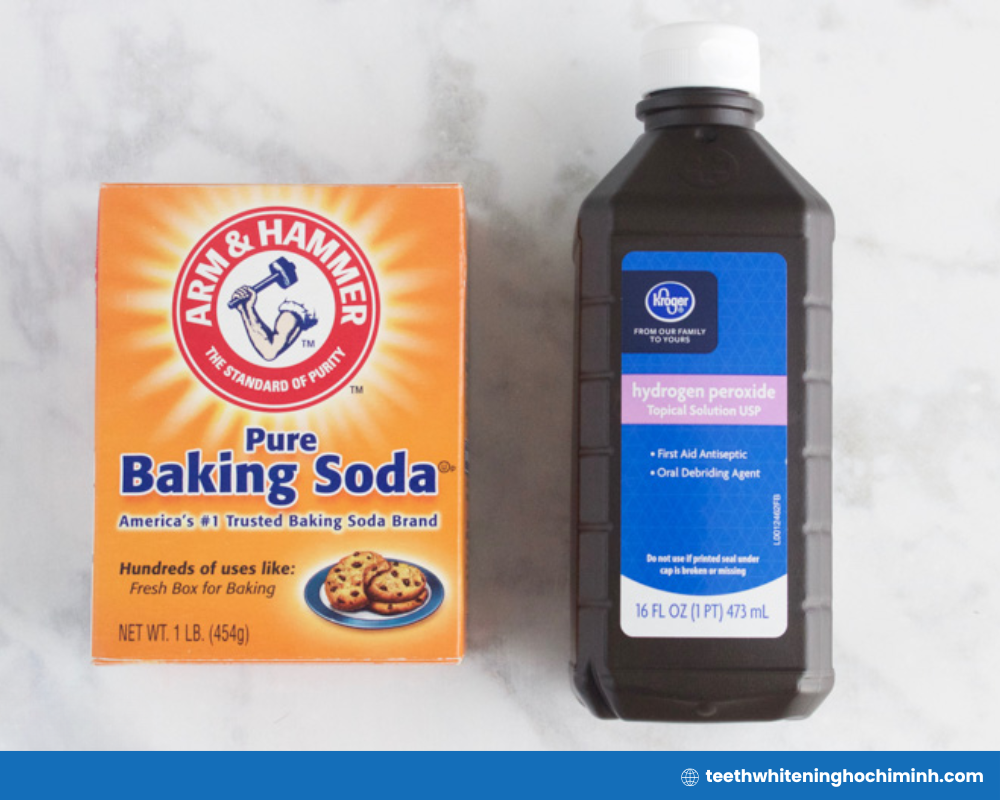
- Mix 2 teaspoons of baking soda with enough 3% hydrogen peroxide to form a paste (approximately 1-2 teaspoons)
- The consistency should resemble commercial toothpaste
- Test a small amount on gums first to check for adverse reactions
Application process:
Gently brush the mixture onto the teeth with a soft-bristled brush, using small circular strokes. Focus on visible tooth surfaces while avoiding aggressive scrubbing. Limit contact time to two minutes maximum, then rinse thoroughly with water. Follow with regular toothpaste to ensure all residue is removed.
Avoid eating or drinking anything acidic for at least 30 minutes after treatment, as enamel temporarily becomes more porous and vulnerable to erosion during teeth whitening using baking soda and hydrogen peroxide sessions. Proper application technique ensures teeth whitening with baking soda and hydrogen peroxide delivers optimal results without causing damage.
Commercial teeth whitening toothpaste hydrogen peroxide baking soda vs DIY
Many commercial products now incorporate these ingredients, leading consumers to wonder about the difference between DIY mixtures and professional formulations containing baking soda peroxide teeth whitening compounds. The comparison between store-bought and homemade teeth whitening with baking soda and hydrogen peroxide reveals distinct advantages for each approach.
Benefits of professionally formulated products:
- Precisely controlled ingredient concentrations
- Fluoride included to help protect tooth enamel
- Flavor enhancers to create a more pleasant taste
- Desensitizing compounds
- ADA acceptance in some cases
Advantages of homemade mixtures:
- Significantly lower cost
- Free from added chemicals and preservatives
- Customizable consistency
- Immediate availability
The trade-off centers on convenience and safety versus economy. Commercial teeth whitening toothpaste hydrogen peroxide baking soda formulations provide more consistent results with built-in safeguards, while homemade versions of teeth whitening with baking soda and hydrogen peroxide require more careful preparation and monitoring.
Other natural options for teeth whitening
For those seeking variety or experiencing sensitivity with teeth whitening with baking soda and hydrogen peroxide, several alternatives exist. While these options may offer different benefits, many users still return to teeth whitening with baking soda and hydrogen peroxide for its proven effectiveness.
Oil pulling:
Swishing coconut oil for 15-20 minutes daily may reduce bacteria and surface stains, though evidence remains limited. This method works more slowly than baking soda peroxide teeth whitening but causes less sensitivity.
Activated charcoal:
Despite popularity, activated charcoal lacks substantial scientific evidence for whitening effectiveness and may actually damage enamel through excessive abrasion.
Strawberry and baking soda:
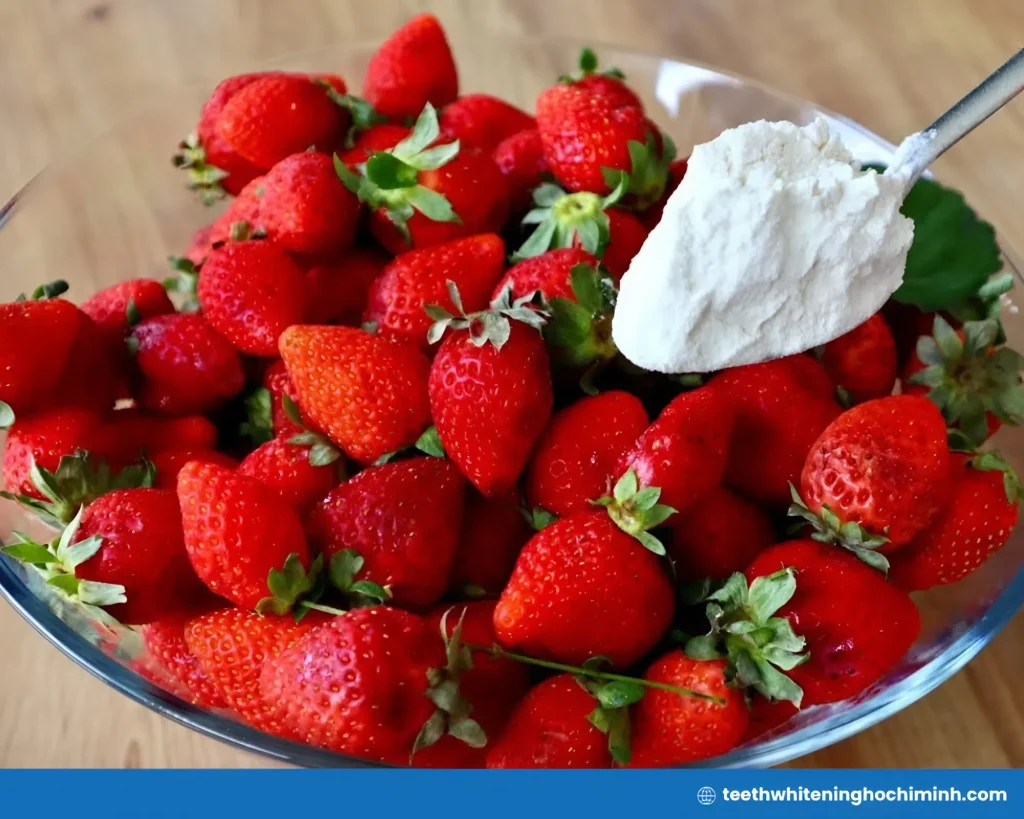
Some advocate mixing strawberries with baking soda, but research suggests this combination may actually harm enamel due to the fruit’s acidity, making it less reliable than the home remedy for teeth whitening baking soda and peroxide method. Most dental experts recommend teeth whitening with baking soda and hydrogen peroxide over fruit-based alternatives.
Frequently asked questions
What is the correct ratio for teeth whitening with baking soda and hydrogen peroxide?
Mix 2 teaspoons of baking soda with 1-2 teaspoons of 3% hydrogen peroxide to create a paste consistency similar to regular toothpaste.
How long does it take to see results from baking soda and hydrogen peroxide teeth whitening?
Most people notice subtle improvements after 3-4 weeks of consistent use 2-3 times weekly, with maximum results typically appearing around 6-8 weeks.
Can teeth whitening using baking soda and hydrogen peroxide damage enamel?
Excessive use or improper concentration can damage enamel, but following recommended frequency (2-3 times weekly maximum) and using 3% hydrogen peroxide minimizes this risk.
Why do some people experience sensitivity with this method?
The abrasive nature of baking soda and the oxidizing properties of hydrogen peroxide can temporarily increase tooth porosity, leading to sensitivity that typically resolves within 24-48 hours.
Where should one apply the baking soda peroxide teeth whitening mixture?
Apply only to the visible surfaces of teeth, avoiding gums and soft tissues to prevent irritation or chemical burns.
How much does this home remedy cost compared to professional whitening?
This method costs approximately $5-10 for months of supply, while professional whitening typically ranges from $300-1,000 depending on the treatment type.
What should someone do if they experience pain during treatment?
Stop immediately, rinse thoroughly with water, and avoid the method for at least one week; consult a dentist if pain persists beyond 48 hours.
Final considerations
Teeth whitening with baking soda and hydrogen peroxide represents a viable option for budget-conscious individuals seeking modest improvements in tooth color. Success depends on realistic expectations, proper technique, appropriate frequency, and awareness of individual limitations.
While teeth whitening with baking soda and hydrogen peroxide cannot replace professional treatments for significant discoloration, it offers a reasonable starting point for addressing minor stains. Anyone considering this approach should consult their dentist first to ensure it’s appropriate for their specific dental health situation. For personalized guidance and professional treatments, Teeth Whitening in Ho Chi Minh City provides expert support.
